
2017 Freightliner Trucks For Sale
Shop 2017 Freightliner trucks for sale, including Cascadia day cabs and sleepers with Detroit power, DT12 or manual transmissions, and fleet specs.
Learn more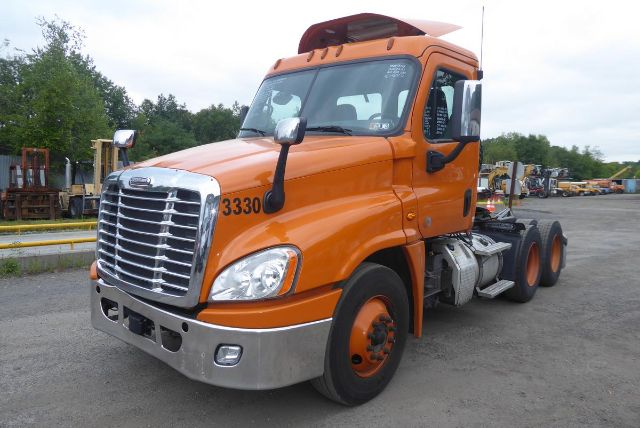
Showing 25 to 26 of 26 results
Have 2017 freightliner truck to sell? List it here to reach thousands of buyers.
About 2017 Freightliner Trucks
For a buyer comparing 2017 Freightliner trucks, cab configuration matters as much as mileage. A day cab is usually the better fit for regional freight, port drayage, dedicated lanes, tanker work, and vocational-adjacent applications where sleeper space adds unnecessary weight. Sleeper trucks from this year are commonly found with raised-roof cabs, 60-inch to 72-inch sleepers, fairings, dual fuel tanks, and air slide fifth wheels for over-the-road service. Wheelbase, fifth wheel travel, and fuel capacity should match the trailer mix you plan to pull. If the truck is going into tight urban terminals, a shorter wheelbase day cab will maneuver better. If it is headed into long interstate runs, a sleeper with larger tanks and a more road-speed-oriented axle ratio usually makes more sense.
From an operating-cost standpoint, 2017 Freightliner trucks are known for parts availability, broad dealer support, and familiar service procedures across much of the market. Buyers should still pay close attention to emissions system history, idle hours, transmission calibration, and maintenance records for the aftertreatment, cooling system, and suspension. On Cascadia models, it is smart to inspect driver-assist features, collision mitigation components, air ride suspension condition, brake type, and tire spec. Disc brakes appear on some fleet trucks and can be a plus for stopping performance and service consistency, while aluminum wheels, aerodynamic trim, and APUs can improve payload, fuel economy, or driver retention depending on the application.
The best 2017 Freightliner truck is the one spec'd for the lane, not just the one with the lowest price. A DD13 day cab can be a strong choice for regional carriers looking to control fuel burn and maintenance cost, while a DD15 sleeper is often better suited for heavier over-the-road loads and sustained highway miles. Look closely at horsepower, torque rating, rear axle ratio, suspension type, brake setup, and interior condition. Freightliner trucks from this period remain popular because they are straightforward to source, familiar to drivers and shops, and available in fleet-friendly specifications that still fit a wide range of commercial operations.
Frequently Asked Questions
What are the most common 2017 Freightliner truck configurations?
The most common 2017 Freightliner trucks on the used market are Cascadia day cabs and Cascadia sleeper tractors. Day cabs are typically spec'd for regional haul, local delivery support, dedicated lanes, and terminal work, while sleepers are built for over-the-road service. Many trucks from this year carry Detroit DD13 or DD15 engines, air ride suspension, 40,000-pound rear axles, and either a DT12 automated manual or a traditional manual transmission.
Is a 2017 Freightliner Cascadia better as a day cab or sleeper?
That depends on the freight pattern and how the truck will earn. A 2017 Freightliner day cab is usually the better choice for short runs, drop-and-hook freight, and operations where low weight, maneuverability, and easier driver access matter most. A sleeper is the better fit for long-haul work, team operations, and lanes that require larger fuel capacity and overnight accommodations. The right choice comes down to wheelbase, fuel tank size, axle ratio, and how many nights the truck will stay on the road.
What engine and transmission options are common in 2017 Freightliner trucks?
Detroit powertrains are the most common in this model year, especially the DD13 and DD15. The DD13 is often used in lighter regional or fuel-conscious specs, while the DD15 is more common in highway tractors handling heavier freight and longer runs. The DT12 automated transmission is widely seen in fleet units because it supports fuel economy and driver consistency, but some 2017 Freightliner trucks were ordered with manual transmissions for fleets that preferred simpler driveline specs or specific operating conditions.
What should buyers inspect first on a used 2017 Freightliner truck?
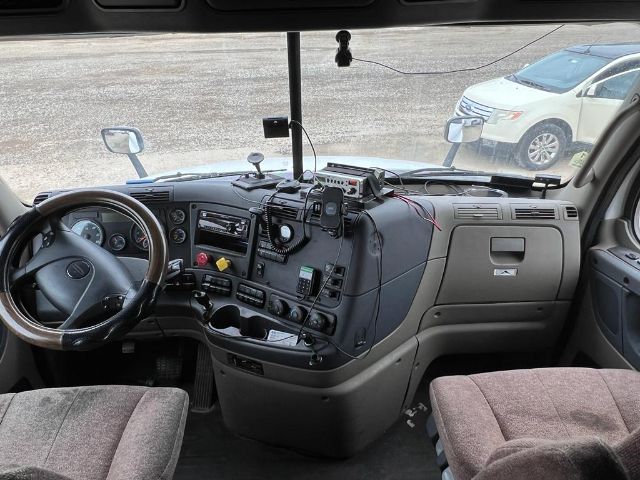
Start with maintenance records, engine hours, and emissions system history. After that, inspect the aftertreatment components, cooling system, transmission operation, suspension wear, brakes, and tire condition. On tractors, confirm the rear axle ratio, fifth wheel type, and wheelbase match the trailer lengths and payloads you plan to run. Cab condition, seat wear, HVAC performance, and any collision mitigation or safety system faults should also be checked because these items affect uptime and driver acceptance.
Are 2017 Freightliner trucks still a good fleet purchase?
Yes, they can be a strong fleet purchase when the spec matches the job and the maintenance history is solid. Freightliner has strong parts availability, widespread service support, and broad familiarity among technicians and drivers. That makes a 2017 Freightliner truck appealing for fleets that want a proven platform without moving into a much higher acquisition cost. The key is to buy on condition, service history, and correct spec rather than model year alone.