
2017 Freightliner Trucks For Sale in Florida
Browse 2017 Freightliner trucks for sale in Florida, including highway and vocational models with specs, applications, and buyer guidance.
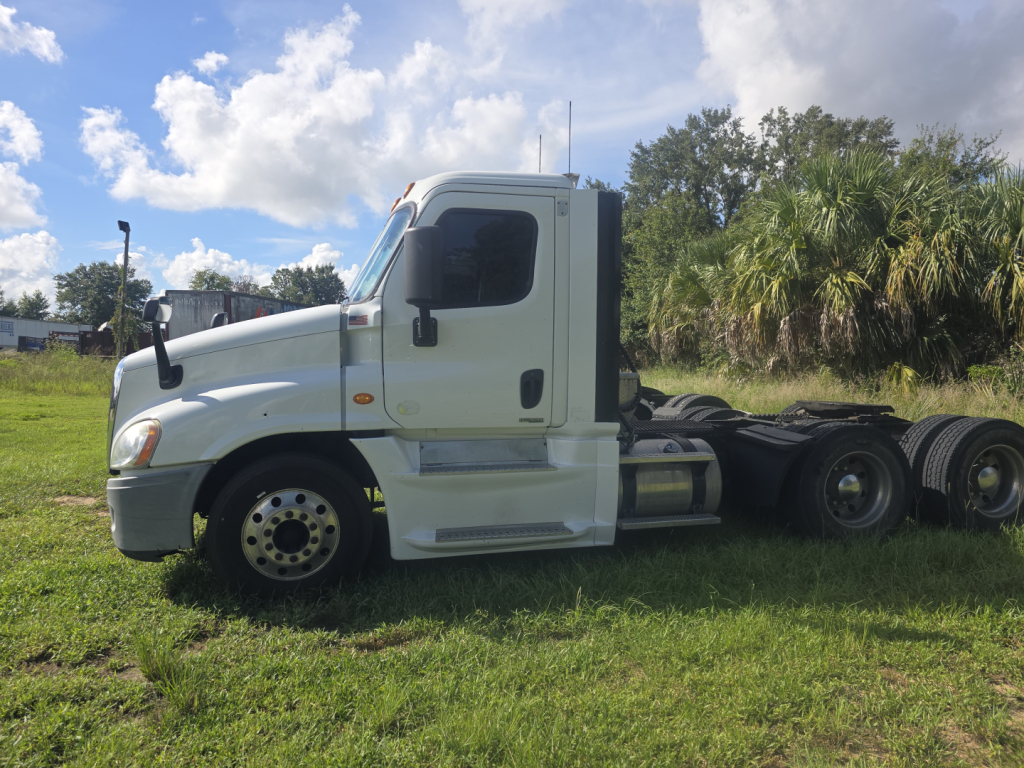
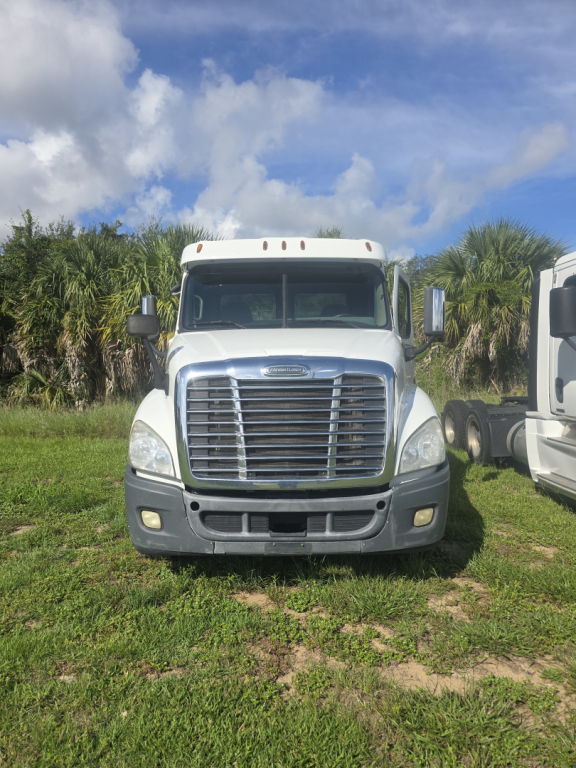
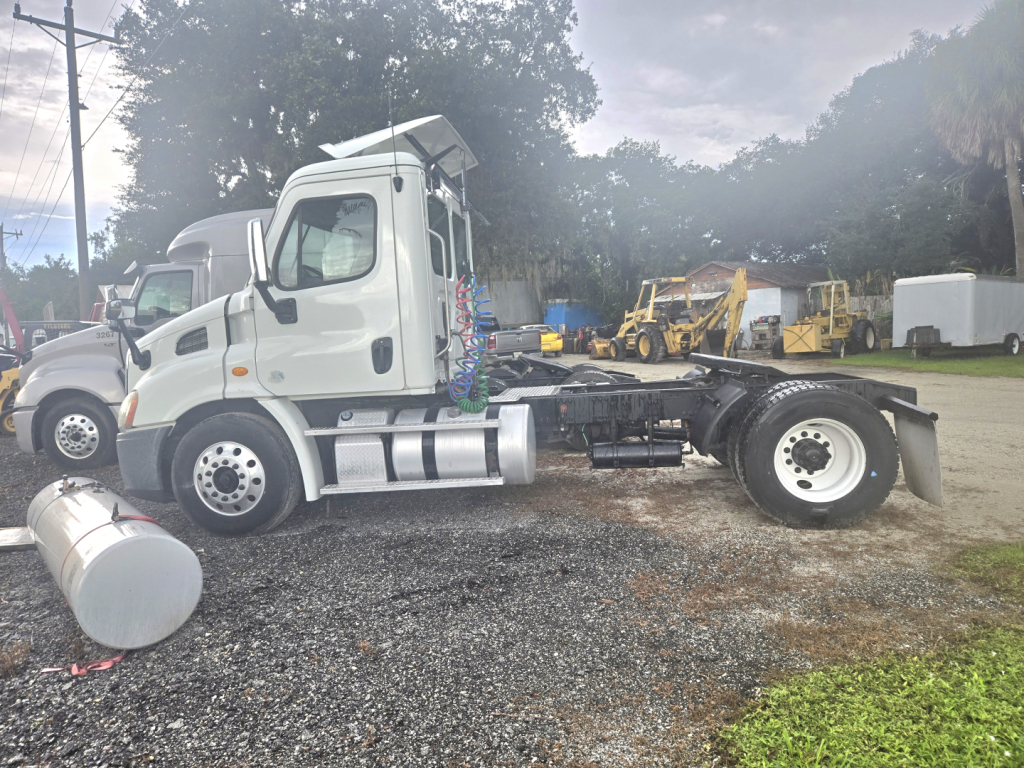
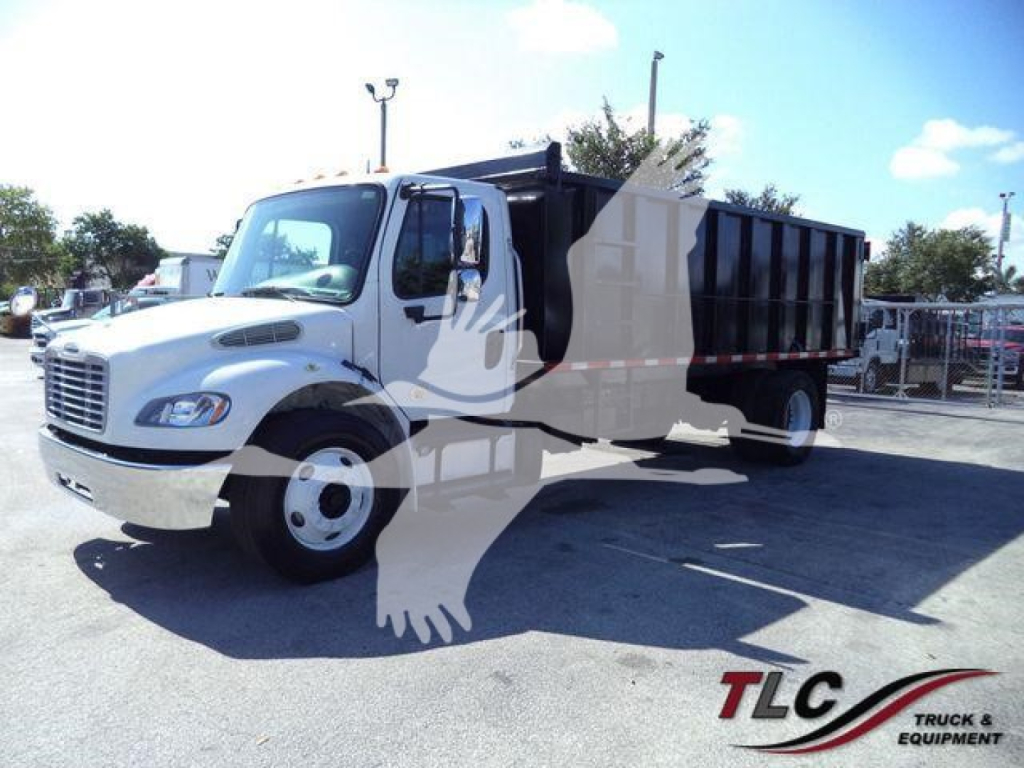
Selling a 2017 freightliner truck? List your 2017 freightliner truck for sale and reach thousands of commercial buyers.
2017 Freightliner Trucks in Florida
The first decision is usually application. A 2017 Freightliner Cascadia is typically aimed at linehaul, regional freight, drayage, or dedicated contract work, and may be set up as a day cab or sleeper with aerodynamic fairings, air slide fifth wheel, and Detroit power. A 2017 Freightliner M2 is more common in pickup and delivery, towing, flatbed, box truck, expeditor, beverage, or utility service, where tighter turning radius and body-builder flexibility matter more than sleeper space. Florida buyers often pay close attention to cooling system condition, A/C performance, corrosion exposure, and tire condition because regional heat, humidity, and stop-and-go work can accelerate wear in predictable areas.
On specs, expect to see Detroit diesel engines frequently in highway tractors, with automated manual transmissions common in fleet-spec units, while vocational and medium-duty trucks may show up with Allison automatics or manual gearboxes depending on the body and duty cycle. Rear axle ratings, suspension type, wheelbase, and ratio matter more than the badge on the hood once the truck is assigned to real work. A sleeper tractor with a tall ratio may be efficient on long interstate runs but less desirable for heavy local starts, while an M2 with the right GVWR, PTO provision, and frame layout can save significant upfit cost. Buyers should also look closely at emissions history, idle hours, maintenance records, brake type, fairing condition, and whether the truck has collision mitigation, engine brake, lockers, or other spec details that affect operating cost.
A good 2017 Freightliner should be evaluated as a complete package: engine, transmission, rear ratio, suspension, cab configuration, and intended application. Mileage alone does not tell the whole story. A highway tractor with consistent maintenance and predictable lane work can be a better purchase than a lower-mile truck with severe vocational use or excessive idle time. For buyers in Florida, it also helps to confirm how the truck was operated, on-road versus off-road exposure, and whether the spec fits regional freight, port work, construction support, or last-mile delivery. The right 2017 Freightliner still offers practical value, especially for buyers who prioritize serviceability, driver familiarity, and proven chassis options.
Frequently Asked Questions about 2017 Freightliner Trucks in Florida
What are the most common 2017 Freightliner truck models buyers look for?
The most common 2017 Freightliner trucks in the used market are usually the Cascadia for highway tractor work and the Business Class M2 for medium-duty and vocational applications. The Cascadia is often used for long-haul, regional, and dedicated freight, while the M2 is frequently found with rollback bodies, box bodies, flatbeds, service bodies, dump bodies, or utility upfits. The right model depends less on popularity and more on whether the chassis, axle ratings, wheelbase, and drivetrain match the job.
Is a 2017 Freightliner a good year for a used truck purchase?
A 2017 Freightliner can be a strong value if the truck has solid maintenance history and the specification fits the intended use. This model year is new enough to offer modern driver comfort, aerodynamic improvements, and commonly available safety features, but old enough to be priced below newer late-model equipment. Buyers should focus on service records, emissions system performance, engine hours, transmission condition, and prior application instead of choosing strictly by age or odometer reading.
What should I check first on a used 2017 Freightliner in Florida?
Start with the cooling system, air conditioning performance, tire condition, and any signs of corrosion or weather-related wear. Florida heat and humidity can expose weak condensers, marginal A/C components, and neglected cooling packages quickly. After that, review the aftertreatment system, inspect suspension and brake components, confirm there are no active fault codes, and look at how the truck was used. A port tractor, local P&D truck, and over-the-road sleeper may all have very different wear patterns even if the miles seem similar.
Which is better for my operation, a 2017 Freightliner day cab or sleeper?
A day cab is generally better for local and regional work where payload, maneuverability, and lower tare weight matter more than driver living space. A sleeper is the better choice for long-haul or multi-day routes where driver retention, rest compliance, and onboard storage are important. The decision should also consider wheelbase, fuel capacity, fairing package, and axle ratio because those factors affect turning radius, operating range, and fuel economy just as much as cab style.
Are parts and service support good for 2017 Freightliner trucks?
Freightliner remains one of the easier used truck brands to support because of its large dealer network, widespread independent repair familiarity, and strong parts availability. That matters on a 2017 truck because downtime cost often outweighs small purchase-price differences. Common Freightliner chassis, Detroit engine components, cab parts, and maintenance items are generally easier to source than on lower-volume brands, which can help control repair time and long-term operating cost.