
2011 Freightliner Trucks For Sale in North Carolina
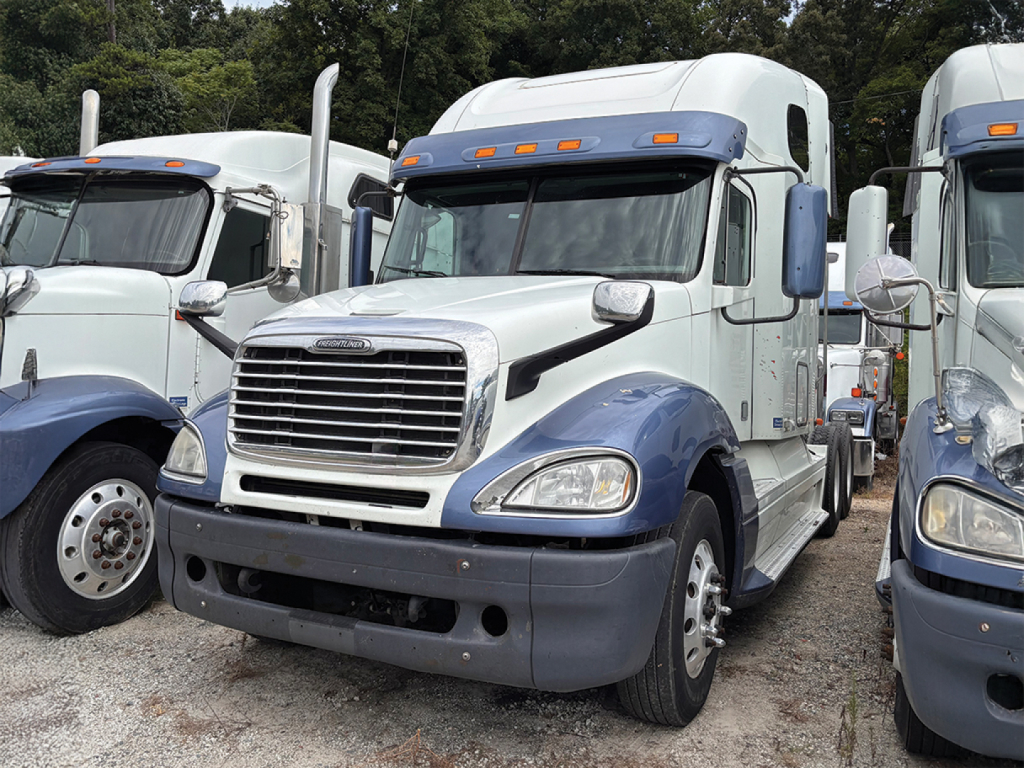
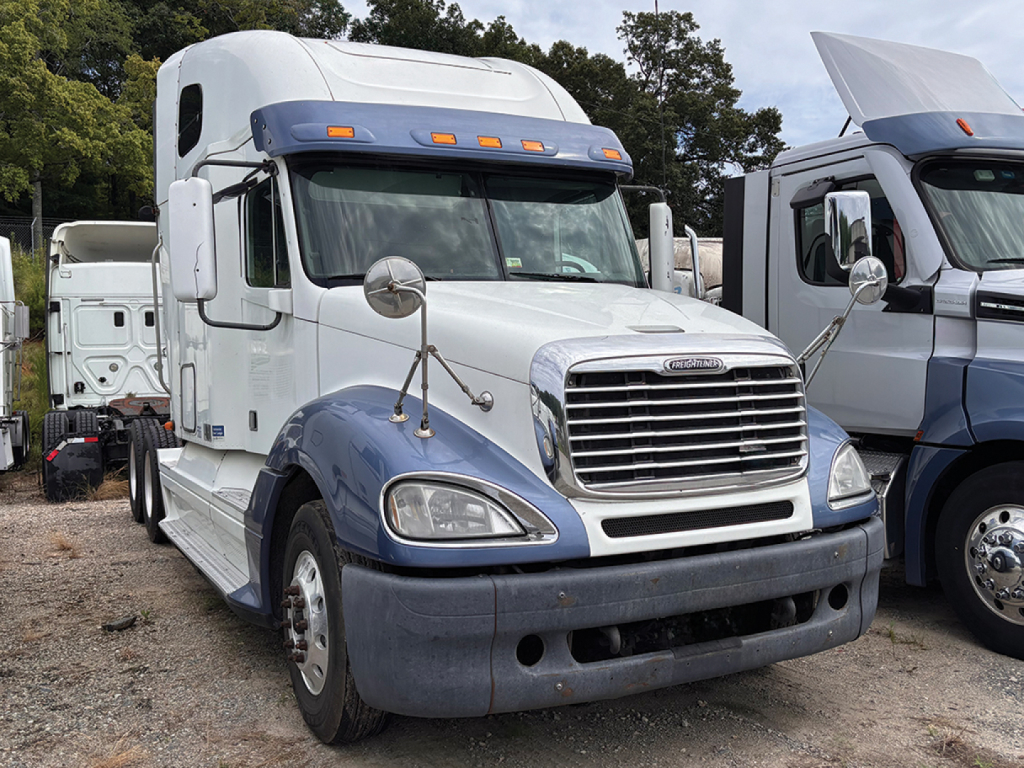
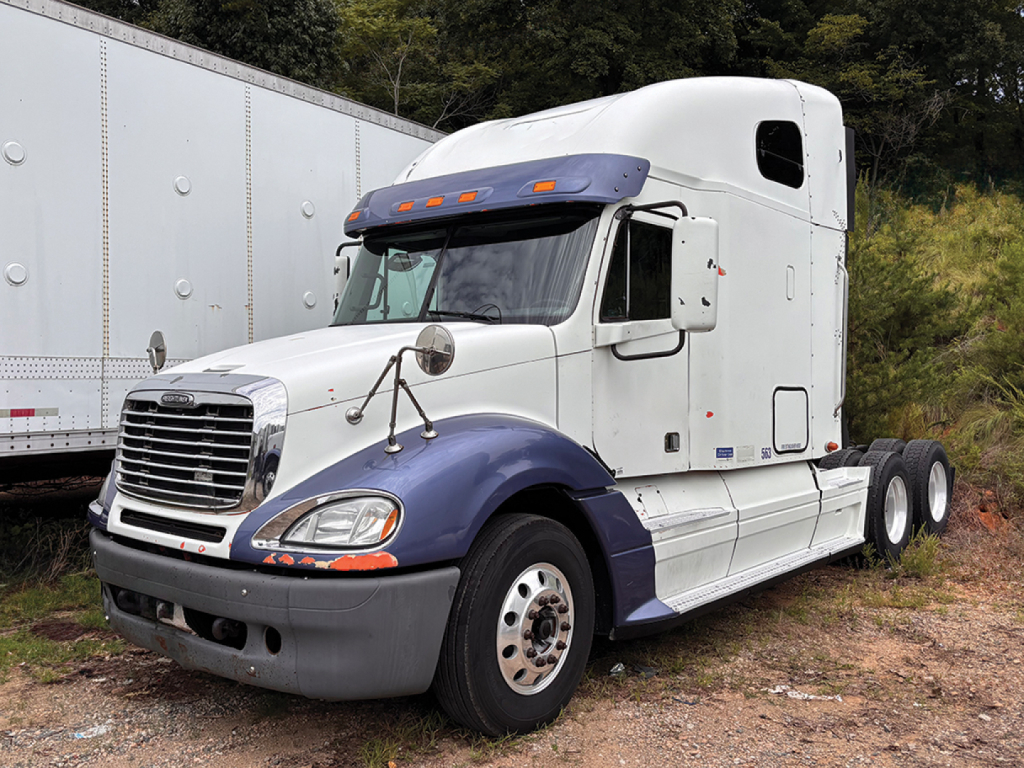
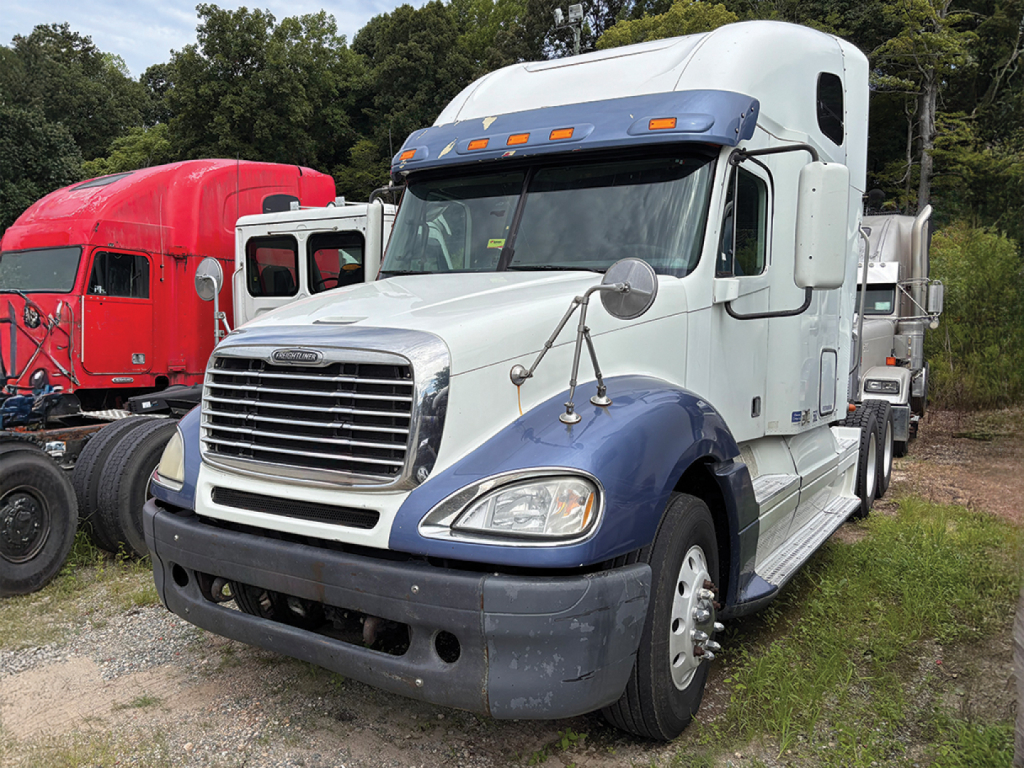
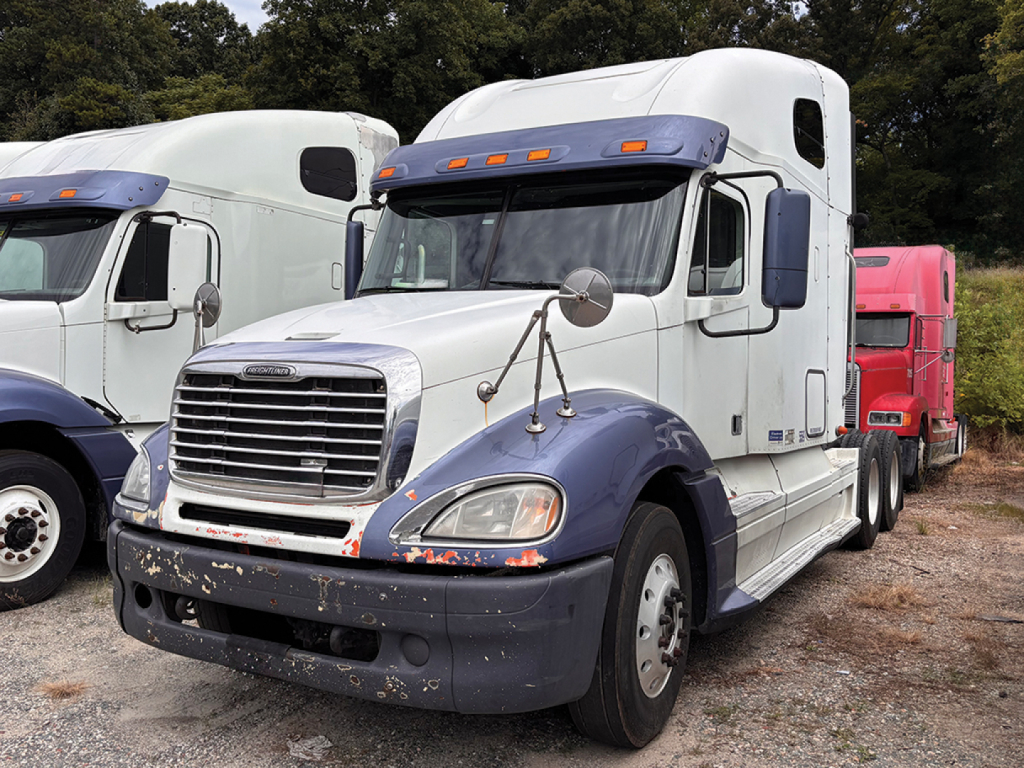

Have 2011 freightliner truck to sell? List it here to reach thousands of buyers.
2011 Freightliner Trucks in North Carolina
For spec evaluation, start with engine, transmission, and rear axle setup. A 2011 Freightliner may be powered by Detroit engines, and older glider-spec trucks can carry pre-emissions engines that appeal to buyers prioritizing mechanical simplicity and legacy drivetrain familiarity. Transmission choices often include 10-speed or other manual boxes in this age range, though automated manuals appear in some vocational and later highway applications. Rear axle ratings around 40,000 pounds are common on tandem axle road tractors, and gear ratios in the mid-2s to low-3s usually indicate a highway-oriented spec. Wheelbase, fifth wheel travel, suspension type, and brake configuration matter just as much because they directly affect trailer compatibility, ride quality, turning radius, and resale flexibility.
Cab and chassis condition deserves close attention on any 2011 used Freightliner truck. Buyers should inspect the sleeper structure, fairings, quarter fenders, fuel tank mounting, steering play, and air ride suspension components. On highway tractors, look closely at engine brake operation, cooling system history, clutch or transmission condition on manual units, and signs of frame modification if the truck has been repurposed. In North Carolina, many of these trucks have seen port, regional distribution, furniture, agriculture, or general freight duty, so miles and idle time only tell part of the story. Maintenance records, tire wear patterns, brake life, and drivetrain match are often better indicators of how the truck will perform in the next stage of service.
Freightliner remains popular because the trucks are straightforward to spec, widely supported, and familiar to owner-operators and fleet maintenance teams alike. A 2011 Freightliner Columbia or similar conventional tractor can still make sense for buyers who need an affordable truck for over-the-road, regional, or dedicated lane work, provided the spec matches the load and the condition is verified carefully. If the truck is a sleeper, pay attention to bunk layout, storage, insulation, and HVAC performance. If it is a day cab, focus on wheelbase, visibility, fuel capacity, and ease of access for frequent stop-and-go operation.
Frequently Asked Questions about 2011 Freightliner Trucks in North Carolina
What are the most common 2011 Freightliner truck models buyers look for?
The most common 2011 Freightliner trucks on the used market are conventional highway models such as the Columbia and Cascadia, available in both day cab and sleeper configurations. Buyers usually choose between them based on application, with sleepers better suited for over-the-road freight and day cabs better suited for local or regional work. Columbia models are often seen as a straightforward older platform, while Cascadia models tend to attract buyers looking for more aerodynamic highway specs.
Is a 2011 Freightliner a good choice for over-the-road hauling?
A 2011 Freightliner can still be a practical over-the-road truck if the engine, transmission, axle ratio, and wheelbase are matched correctly to the freight and trailer type. A raised-roof sleeper, tandem rear axles, air ride suspension, engine brake, and highway gearing are common features that support long-distance use. The truck's maintenance history is critical at this age, especially for engine, cooling system, clutch, suspension, and emissions-related components where applicable.
What should I inspect first on a used 2011 Freightliner truck?
Start with the drivetrain and frame. Verify engine model, horsepower, transmission type, rear axle rating, and gear ratio, then inspect for leaks, blow-by, cooling system issues, driveline wear, and any evidence of frame alteration. After that, check suspension bushings, airbags, steering components, brake condition, tire wear, and fifth wheel operation. Cab and sleeper condition also matter because interior wear, HVAC performance, and electrical issues can add cost quickly.
Are 2011 Freightliner glider trucks different from standard factory-built trucks?
Yes. A 2011 Freightliner glider truck typically uses a new or remanufactured chassis and cab with an older donor engine and drivetrain, often a pre-emissions Detroit or similar platform. Buyers are usually drawn to gliders for engine familiarity, simpler diagnostics, and specific rebuild preferences. The key is to confirm how the glider was assembled, what engine is installed, how it is titled, and whether the build quality and documentation support long-term use and compliance in the states where it will operate.
Why do axle ratio and wheelbase matter on a 2011 Freightliner?
Axle ratio and wheelbase have a direct effect on fuel economy, launch performance, ride, trailer swing clearance, and the type of loads the truck handles best. Lower numerical ratios such as 2.64 or 2.79 are generally associated with highway cruising, while higher ratios can help with heavier starts or more demanding routes. Wheelbase affects turning radius and trailer compatibility, so a buyer should match it to dock access, trailer length, and fifth wheel placement requirements.