
2000 Freightliner Trucks For Sale
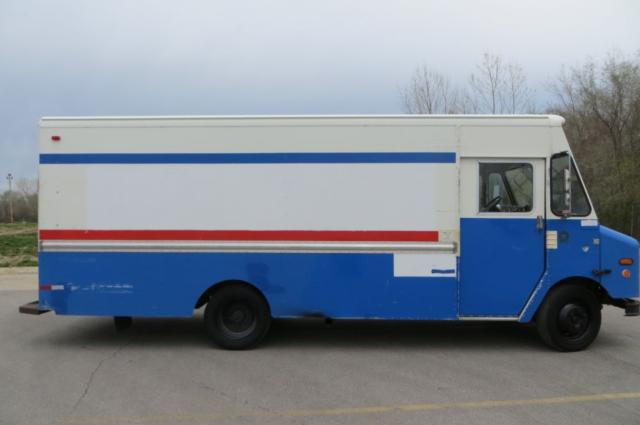
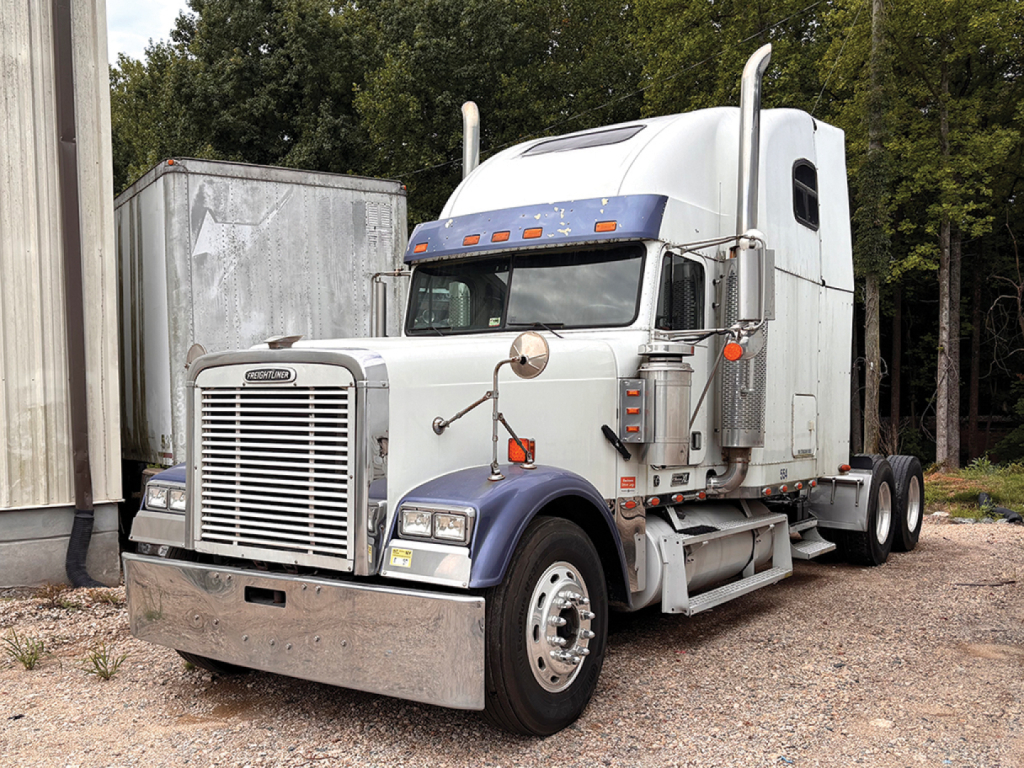
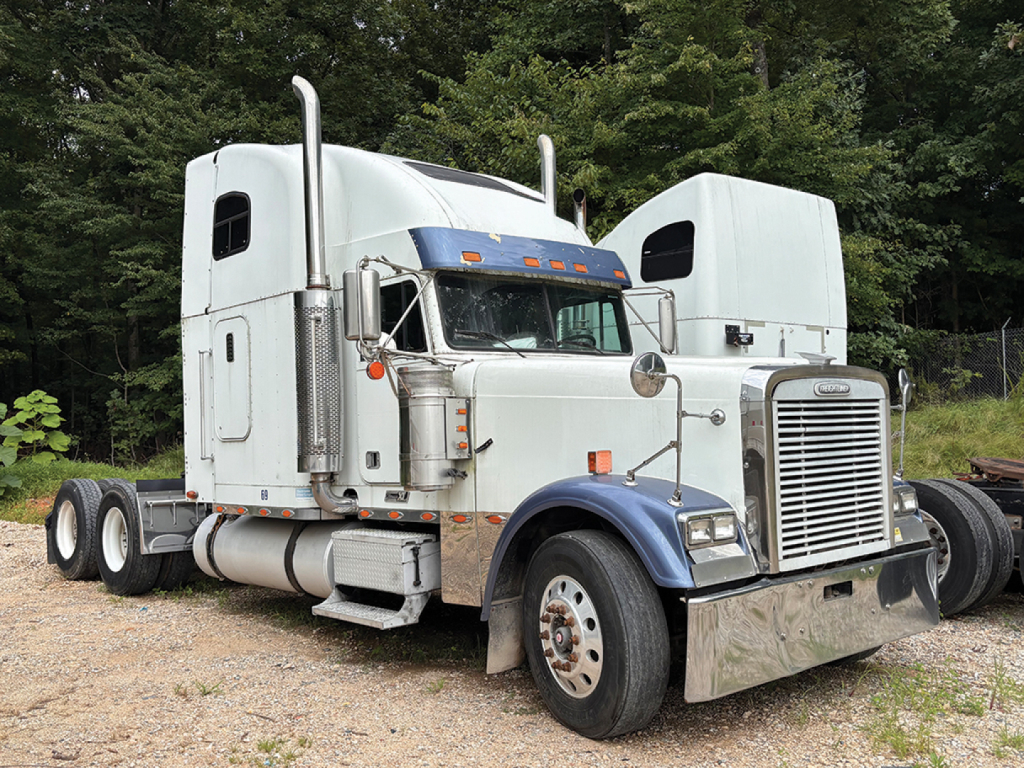
Have 2000 freightliner truck to sell? List it here to reach thousands of buyers.
2000 Freightliner Trucks
Engine choices typically center on Detroit Series 60 12.7 liter, Cummins N14 or ISM, and Caterpillar 3406E or C12 in heavy duty applications, with horsepower often from the mid 300s to 500 plus and torque from about 1450 to 1850 lb ft. Medium duty builds often use CAT 3126 or Cummins ISC. Transmissions are usually Eaton Fuller 9, 10, 13, or 18 speed manuals, with Allison automatics more common on FL70 and vocational chassis. Expect 12k to 14.6k front axles and 38k to 46k rears on road tractors, with 3.36 to 3.90 rear axle ratios typical, and 22.5 tires being the most common. Freightliner AirLiner suspension provides a compliant ride for highway work, while Hendrickson or TufTrac style suspensions are favored for dump, mixer, or off road duty.
Operating economics hinge on the spec. A well kept Series 60 or N14 with a tall ratio paired to an aerodynamic tractor can deliver solid mpg for its age, while vocational or classic hoods trade some fuel economy for durability and cooling capacity. Cab ergonomics on Century Class are comfortable for extended days, with better airflow and visibility than earlier FLD cabs. Parts support for Freightliner chassis, Detroit, Cummins, and many CAT components remains strong through dealer and aftermarket channels, which helps control lifecycle cost on older assets.
Inspection diligence matters more than odometer readings at this age. Prioritize documented engine in frame or head work, recent clutch and transmission service, and evidence of regular coolant and oil analysis. Verify cold starts, blow by, and boost, and pressure test the charge air cooler; look for radiator seepage and oil cooler leaks. Check frame rails for rust and drill-outs, fifth wheel condition, air suspension bags and height control valves, brake lining thickness and ABS function, and wiring harness integrity at bulkheads and crossmembers. For operations in California or port drayage zones, confirm local emissions rules in advance since most 2000 model diesels are restricted without approved retrofits or exemptions.
Frequently Asked Questions about 2000 Freightliner Trucks
What engines were common in 2000 Freightliner trucks?
Most heavy duty 2000 Freightliners were built with Detroit Series 60 12.7 liter, Cummins N14 or ISM, or Caterpillar 3406E or C12, typically rated from the mid 300s to 500 plus horsepower with 1450 to 1850 lb ft of torque. Medium duty FL70 and FL80 often ran CAT 3126 or Cummins ISC. Actual performance depends on ECM programming, rear axle ratio, and tire size, so review the engine data plate and an ECM printout when possible.
Are 2000 Freightliner trucks compliant with California or port emissions rules?
Generally no for unrestricted on road use in California. Most 2000 diesel trucks do not meet the Truck and Bus Regulation requirements without an approved retrofit or exemption, and many ports require 2007 or 2010 model year equivalent emissions. Some operations qualify for low mileage, agricultural, or specialty exemptions. Regulations change, so verify current rules with CARB and local authorities before purchase.
What should I inspect before buying a 2000 Freightliner?
Request maintenance records and any in frame documentation, pull an oil sample, and review an ECM report for hours, idle percent, and fault history. Cold start the engine, check blow by, verify boost, and pressure test the charge air cooler. Inspect the cooling system, air system leaks, brakes and ABS, kingpins and steering play, driveline u joints, and clutch wear. Evaluate frame rails for corrosion or repairs, cab mounts and sleeper structure, electrical harness chafe at crossmembers, and tire and brake life across all positions.
Which transmission and axle ratio pairings work best for this model year?
Eaton Fuller 10, 13, and 18 speed manuals are common and durable. For highway tractors, ratios in the 3.36 to 3.70 range with 22.5 tires usually keep cruise RPM around 1350 to 1500 on a Series 60 or N14, balancing gradeability and fuel economy. Vocational trucks often run 3.70 to 4.30 ratios for better startability with heavier loads or off road work. The ideal setup depends on your weight, terrain, and target road speed.
Is parts and service support still strong for 2000 Freightliners?
Yes. Freightliner maintains broad dealer coverage, and Detroit and Cummins parts are widely supported. Many CAT C12 and 3406E components remain available through OEM and aftermarket channels, though pricing and lead times vary. Chassis, brake, suspension, and cab parts are generally easy to source, which helps keep older units productive with proper maintenance.