
Ford Commercial Trucks For Sale in Washington
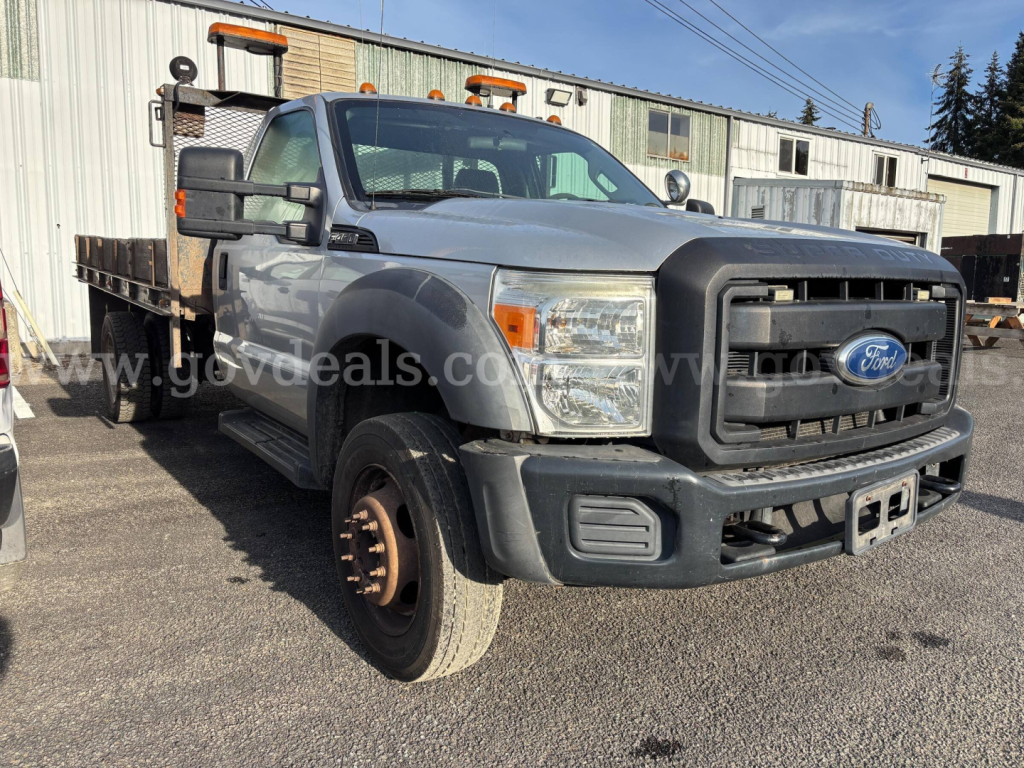
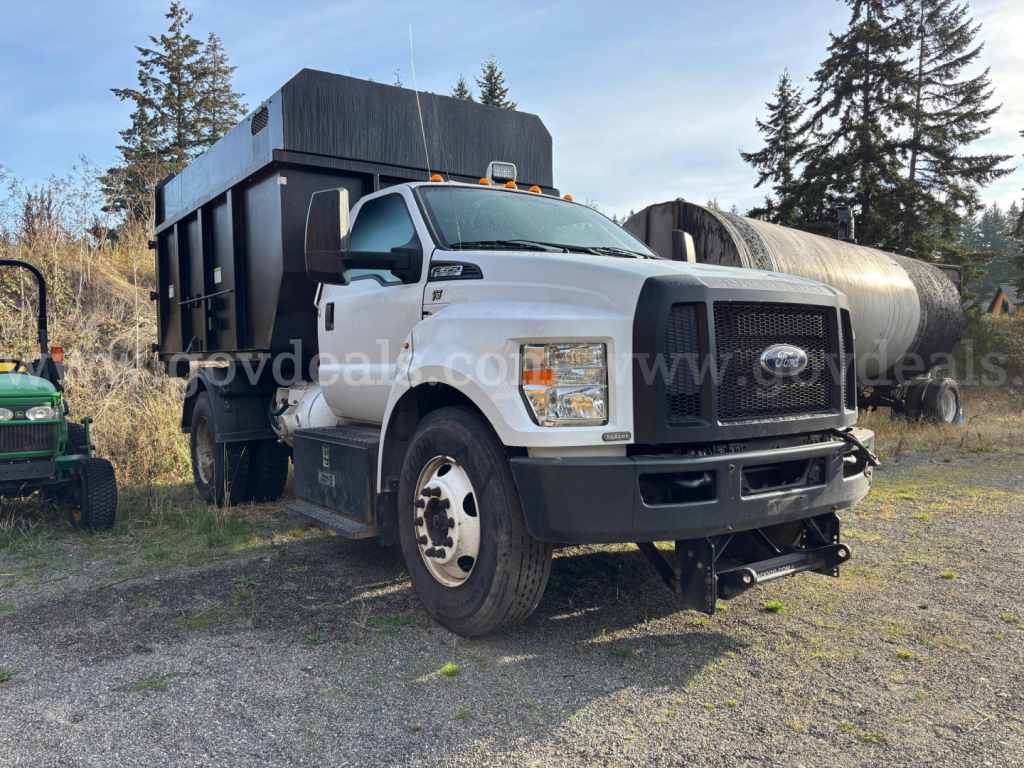
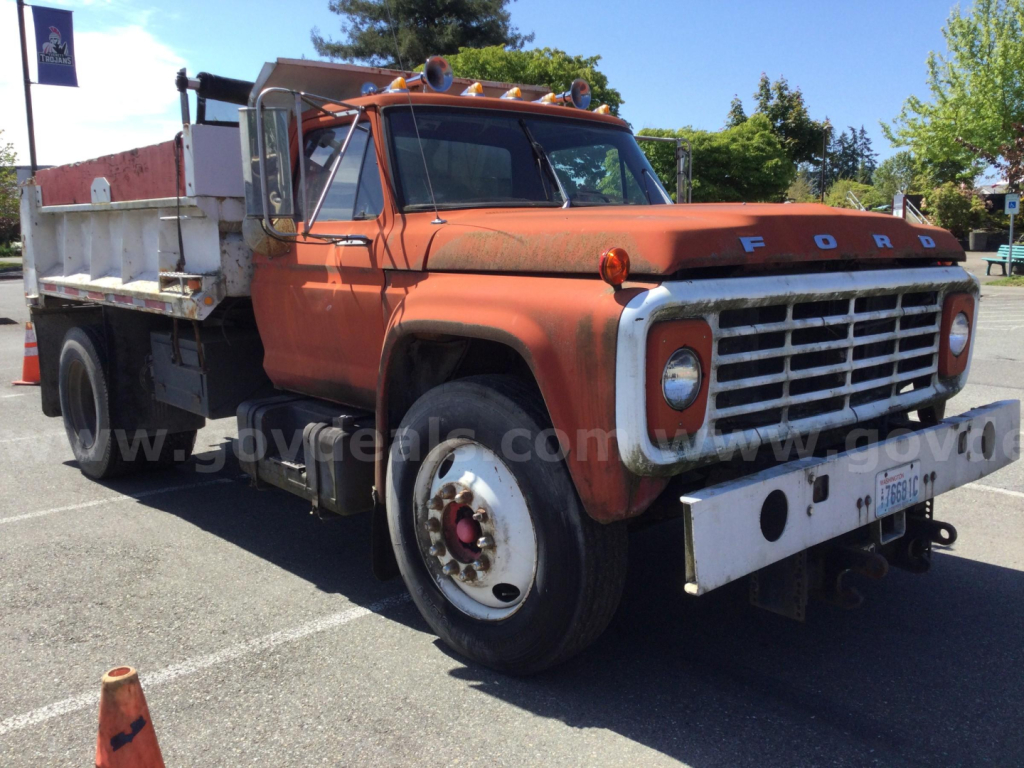
Browse Ford trucks for sale in Washington, including Super Duty models with diesel power, PTO capability, service bodies, flatbeds, and pickup setups.
Selling a ford commercial truck? List your ford commercial truck for sale and reach thousands of commercial buyers.
Ford Commercial Trucks in Washington
In commercial applications, Ford Super Duty models such as the F-350, F-450, and F-550 are frequently spec'd with gasoline V8 or Power Stroke diesel engines, automatic transmissions, dual rear wheel setups, and PTO-capable drivetrains depending on the body and hydraulic equipment installed. A buyer looking at a flatbed or utility configuration should pay close attention to bed length, body manufacturer, hoist or lift capacity, trailer brake controls, hitch setup, and any auxiliary electrical equipment such as strobes, inverters, compressor systems, or work lights. For trucks that have seen municipal or fleet service, maintenance history can be a major advantage, but idle hours, PTO usage, corrosion, and cab wear still need close inspection.
Washington buyers often need to think about terrain, weather exposure, and operating radius. A truck working in western Washington may show more moisture-related wear, while trucks used in eastern regions may have different duty cycles tied to agriculture, construction, or utility work. Four-wheel drive can matter for forestry roads, jobsite access, and winter conditions, but it adds weight and complexity, so payload and front axle capacity should be checked carefully. If the truck will tow regularly, review GCWR, rear axle ratio, brake controller integration, receiver or pintle setup, and any evidence of frame modifications from prior upfits.
The best Ford truck for a commercial buyer is usually the one with the right chassis for the body, not simply the highest horsepower or newest model year. A properly matched F-Series truck can serve as a contractor truck, mechanic service unit, municipal work truck, flatbed, stake bed, or medium-duty pickup for regional hauling. Buyers should verify engine hours where available, confirm emissions equipment condition on diesel models, inspect suspension and steering components for work-truck wear, and make sure the truck's current body and wheelbase still fit the intended job. That approach matters more than badge familiarity and usually leads to a more productive truck over the long term.
Frequently Asked Questions about Ford Commercial Trucks in Washington
What Ford truck models are most common in commercial use?
The Ford F-Series dominates commercial use, especially the Super Duty lineup. F-250 and F-350 trucks are common for lighter service and towing work, while F-450 and F-550 models are widely used for heavier flatbeds, utility bodies, hooklifts, landscape bodies, and other vocational upfits. The right model depends on GVWR, axle capacity, and the body or trailer the truck needs to handle on a daily basis.
Is a Ford pickup different from a Ford chassis cab for work applications?
Yes. A pickup is built with a factory bed and is often better suited for mixed personal and commercial use, while a chassis cab is designed for body installation such as a flatbed, service body, dump body, or hooklift. Chassis cab trucks typically offer frame and wheelbase options that are better for upfitting, and they may have different suspension, axle, and PTO provisions than a standard pickup.
What should I inspect on a used Ford work truck?
Start with the basics: engine condition, transmission operation, frame integrity, brake wear, steering play, suspension wear, tire condition, and signs of rust or corrosion. On vocational trucks, also inspect the body installation, PTO operation, hydraulic systems, wiring quality, lighting, hitch equipment, and any auxiliary accessories. If the truck is diesel-powered, emissions system condition and service records are especially important because repair costs can be significant.
Are diesel Ford trucks better for commercial use in Washington?
Diesel power can make sense for buyers who tow heavy, run longer distances, or need strong low-end torque for steep grades and jobsite work. Gasoline engines may be a better fit for lighter-duty routes, lower annual mileage, or buyers who want simpler maintenance and lower repair exposure. In Washington, terrain and operating conditions matter, so the better choice usually comes down to payload, trailer weight, daily miles, and how often the truck will run under load.
Why do body specs matter as much as the truck itself?
On a commercial Ford truck, the body often determines how useful the unit will be in real-world service. Bed length, floor rating, side height, tie-down points, tool storage, lift or hoist capacity, and hitch arrangement all affect productivity. A well-matched body on the correct wheelbase and chassis rating will usually outperform a newer truck that is poorly configured for the actual job.