
Used 2008 Ford Trucks For Sale
Compare used 2008 Ford commercial trucks, from F-450/550 chassis cabs to F-650/750 straight trucks. Engines, GVWR, brakes, gearing, and upfit tips.
Learn more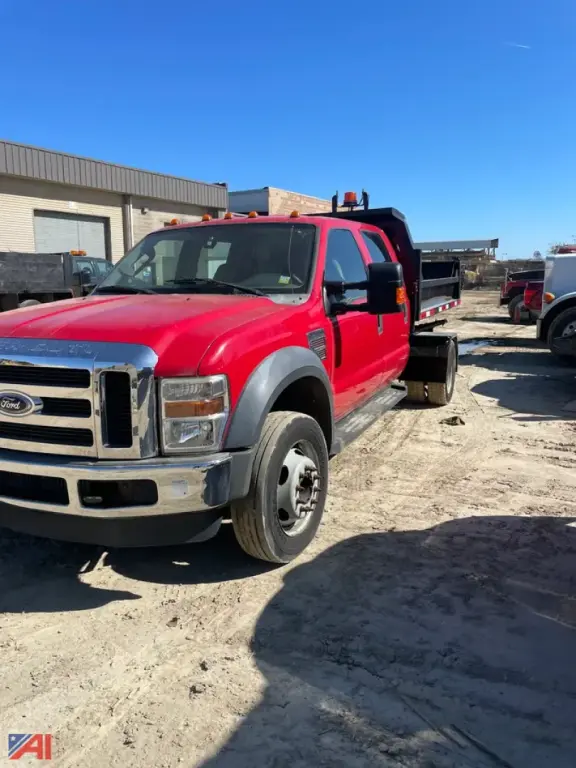
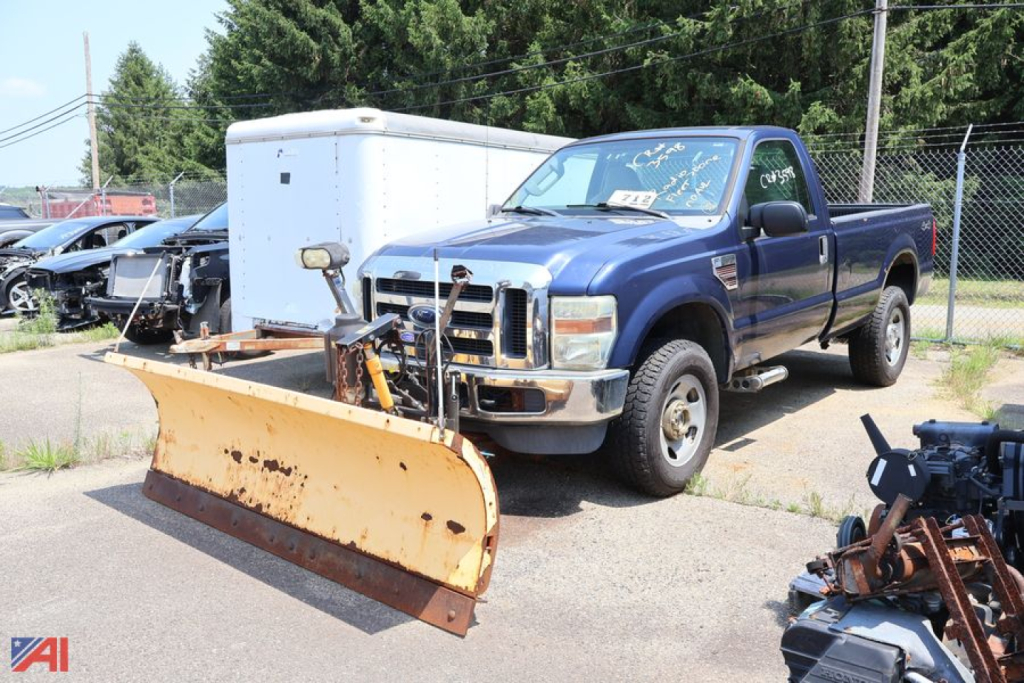
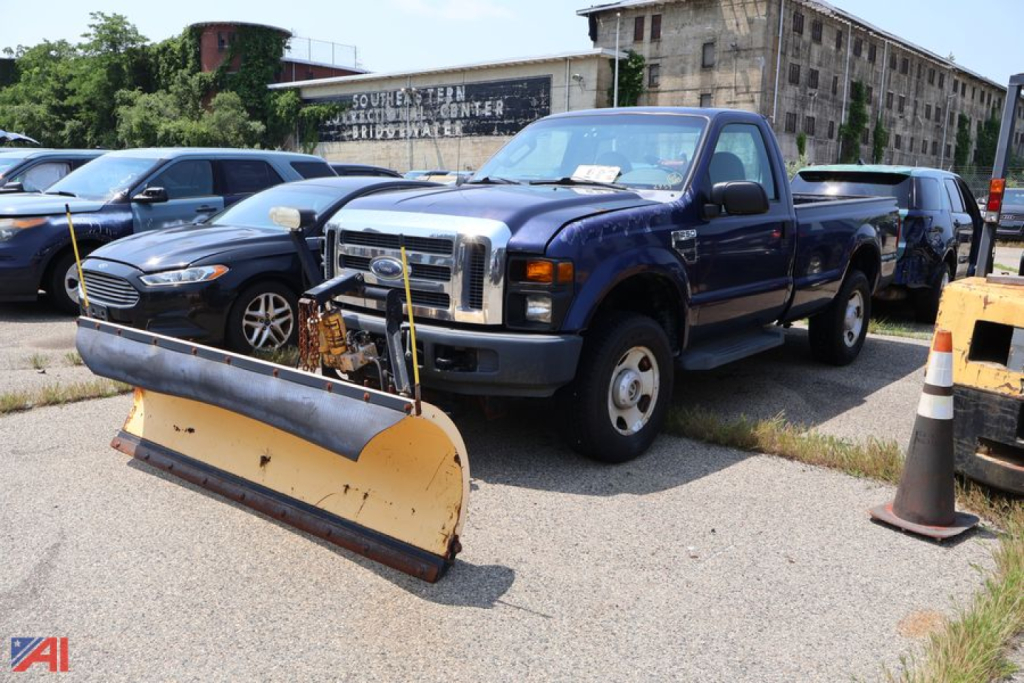
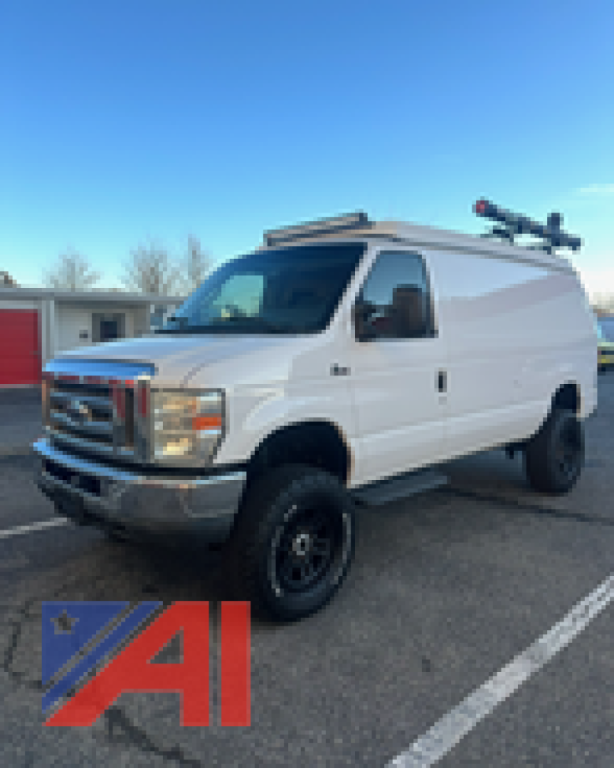
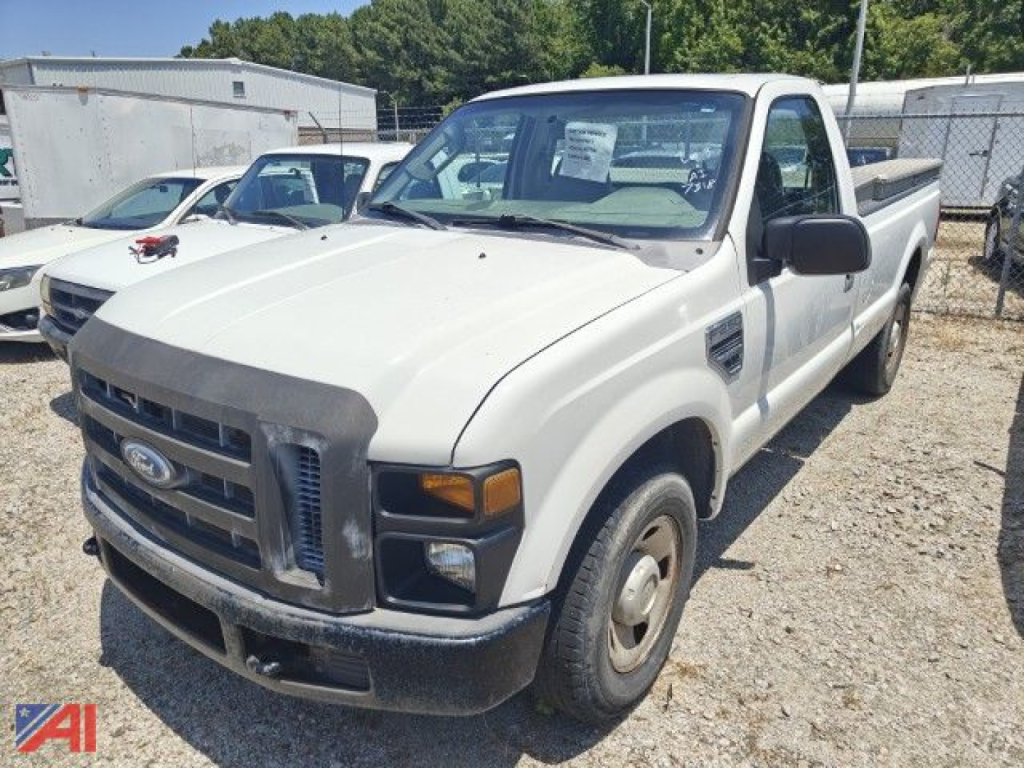
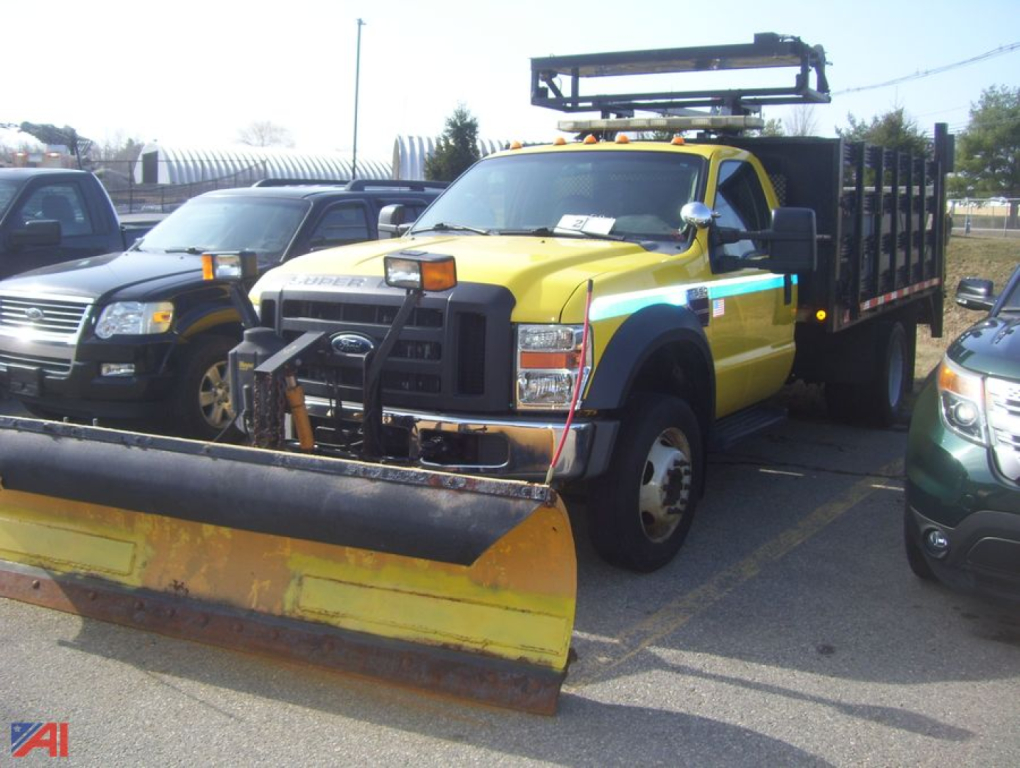
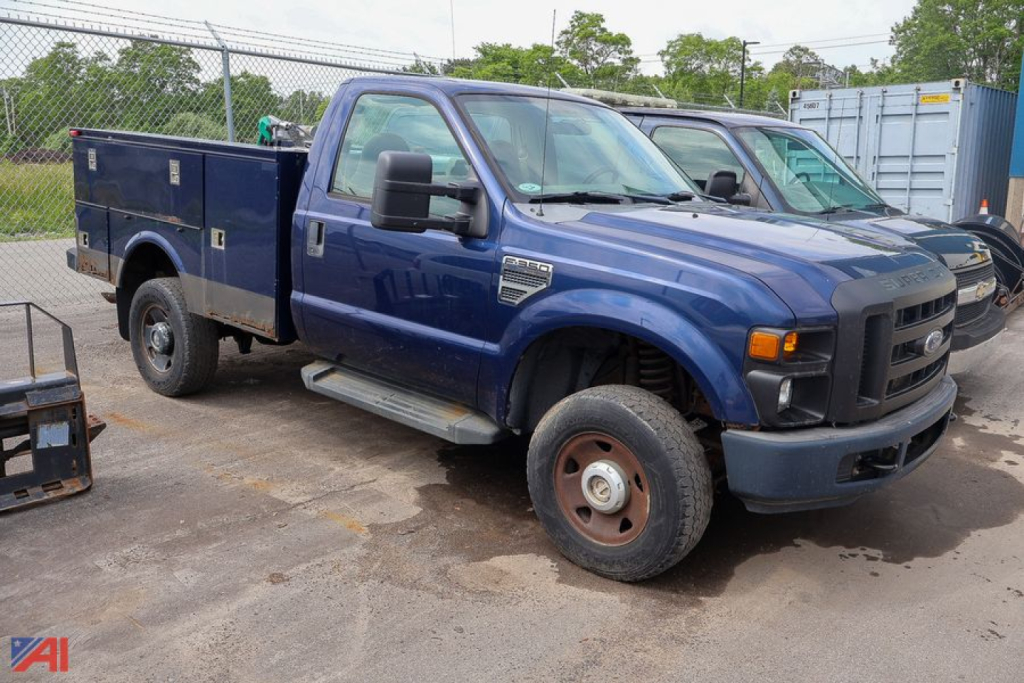


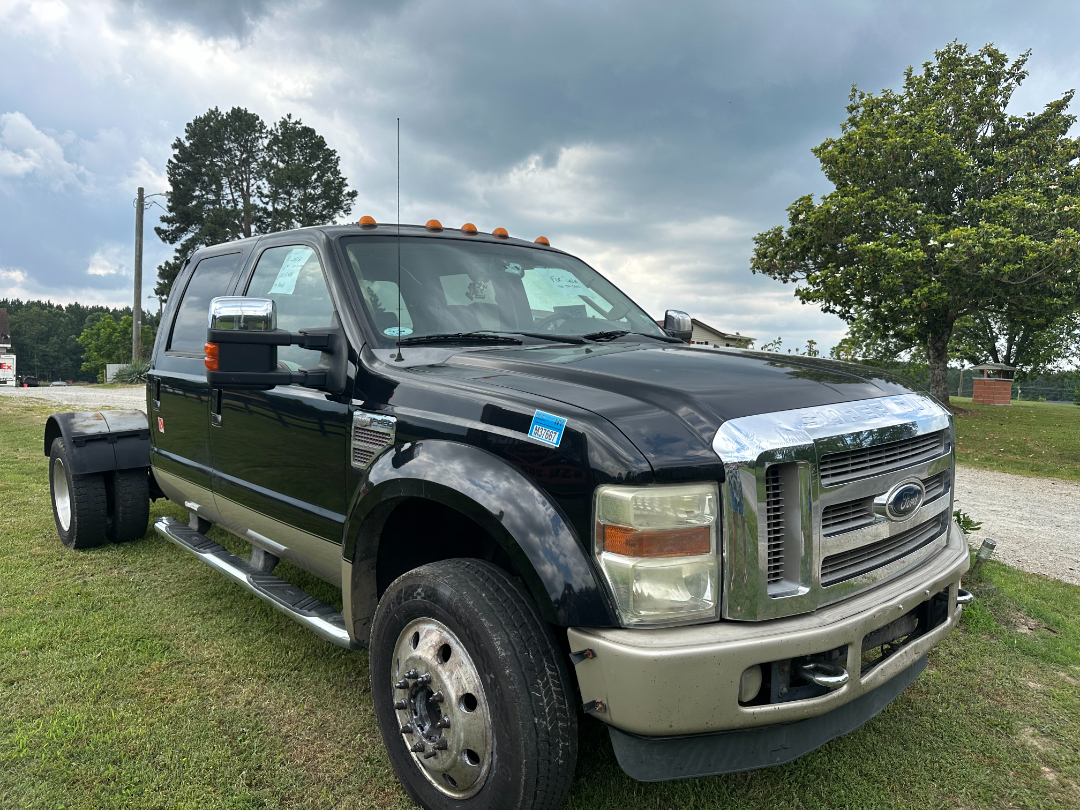
Showing 1 to 12 of 14 results
Have used 2008 ford truck to sell? List it here to reach thousands of buyers.
About Used 2008 Ford Trucks
Spec decisions matter as much as engine selection. F-450 and F-550 typically run 16,000 to 19,500 lb GVWR on 19.5-inch rubber with hydraulic brakes, ideal for non-CDL operations and tight urban routes. F-650 steps into 20,000 to high-20,000 lb GVWR, and F-750 commonly ranges from 30,000 to 37,000 lb with 22.5-inch tires and air brakes for better heat management on grades. Wheelbase and axle ratio define drivability: short wheelbases and deeper gears like 4.88 or 5.38 favor stop-and-go delivery, while taller ratios like 4.10 or 4.33 with an overdrive automatic reduce RPM at cruise. Many F-650 and F-750 frames offer multi-rate leaf or air-ride rears; air ride protects fragile freight in dry vans and reefers, while heavy multi-leaf springs suit dumps and crane bodies. PTO provisions on TorqShift and Allison gearboxes make it straightforward to power hoists, compressors, and hydraulics.
Applications dictate body and frame choices. Expect to see box trucks, flatbeds, dumps, service and crane bodies, rollbacks, utility and bucket configurations, and reefers on the F-650 and F-750 platform. F-450 and F-550 chassis cabs are common under dumps, service bodies, small box bodies, and tow units, with 4x4 available on some F-550 builds. Match body length to wheelbase to maintain proper axle loading and turning radius, and verify frame RBM and section modulus against your upfit’s weight plus load. For CDL planning, remember 26,001 lb and above combined or single GVWR requires a CDL, and air brakes may require an endorsement depending on state rules.
Due diligence on a 2008 diesel centers on emissions and cooling systems. Ask for DPF cleaning history and ash load measurements, confirm frequent passive regens are not being interrupted, and inspect EGR components for leaks or fault codes. On the 6.4L Power Stroke, review oil analysis for fuel dilution, check cooling system pressure, and verify updated radiators and sensors. On Cummins ISB 6.7, review injector balance rates and aftertreatment sensor history; Allison service records should show fluid and filter changes at the correct intervals. Gas V10 units deserve a look at coil packs, exhaust manifolds, and transmission service. Across all trucks, inspect frame rails, spring hangers, cab mounts, and brake lines for corrosion, verify PTO operation under load, test liftgates and hydraulics, and check tire age on 19.5 and 22.5 assemblies. A short road test that includes a highway pull, a hard brake application, and low-speed maneuvering will expose gear ratio suitability, brake feel, and body integrity.
Frequently Asked Questions
Which engines are common in used 2008 Ford commercial trucks and what are the trade-offs?
F-450 and F-550 typically use the 6.4L Power Stroke diesel or the 6.8L Triton V10 gas. The diesel offers strong torque and better fuel economy on longer routes but relies on DPF and EGR systems that need attentive care. The V10 gas avoids aftertreatment complexity and works well for short-haul, PTO, and cold-weather idling, at the cost of higher fuel consumption. F-650 and F-750 are most often powered by the Cummins ISB 6.7, valued for parts availability and durability, or the CAT C7, which pulls well but can be more expensive to maintain in this era. Pairing these with an Allison automatic is common for reliability and ease of use.
Do 2008 Ford diesels require DEF, and how should I manage DPF regens?
No. Most 2008 on-highway Ford medium-duty diesels use EGR and a diesel particulate filter without DEF. They rely on passive and active regeneration to keep the DPF clear. Use ultra-low sulfur diesel, allow the truck to complete regens, and monitor for frequent active regens that indicate soot loading or sensor issues. Plan DPF ash cleaning in the 150k to 250k mile range depending on duty cycle, and review service records for prior cleanings and any EGR cooler or sensor replacements.
What GVWR, brake, and tire setups should I expect on F-450/550 versus F-650/750?
F-450 and F-550 generally run 16,000 to 19,500 lb GVWR on 19.5-inch tires with hydraulic brakes, ideal for non-CDL fleets and tight city work. F-650 typically spans 20,000 to the high-20,000 lb range, while F-750 often carries 30,000 to 37,000 lb GVWR with 22.5-inch tires and air brakes for better heat management and serviceability. Air ride is more common on F-650/750 and helps protect cargo in van and reefer bodies. Always confirm your state’s CDL and air brake endorsement requirements when crossing the 26,001 lb threshold.
What transmissions were typical in 2008 Ford medium-duty trucks, and how should I choose?
F-450 and F-550 commonly use the TorqShift 5-speed automatic, which pairs well with both the 6.4L diesel and the V10 gas. F-650 and F-750 often run Allison 2000 or 3000 series automatics, prized for durability, PTO options, and easy driver onboarding. Eaton Fuller manuals appear in some vocational builds and can lower upfront cost if your routes and drivers suit a manual. Choose gearing based on route speed and grade: deeper rear ratios for stop-and-go or heavy PTO work, and taller ratios for sustained highway cruise.
What should I inspect on a used 2008 Ford box, dump, or service truck before purchase?
Verify service records for the engine, transmission, and aftertreatment. Scan for active and stored fault codes, check DPF ash load, and confirm proper regen history. Inspect frame rails, crossmembers, spring hangers, cab mounts, and brake lines for corrosion, and evaluate body-specific systems: liftgate cycle condition, reefer hours, PTO engagement under load, hoist operation, and electrical harness integrity. Check tire age and matching on 19.5 or 22.5 wheels, confirm axle ratio against your route speeds, and perform a road test that includes a highway pull, hard braking, and tight turns to assess driveline, steering, and body stability.