
2018 Ford Commercial Trucks For Sale
Shop 2018 Ford trucks for sale including Super Duty pickups, chassis cabs, box trucks, dumps, service bodies, and medium-duty work trucks.
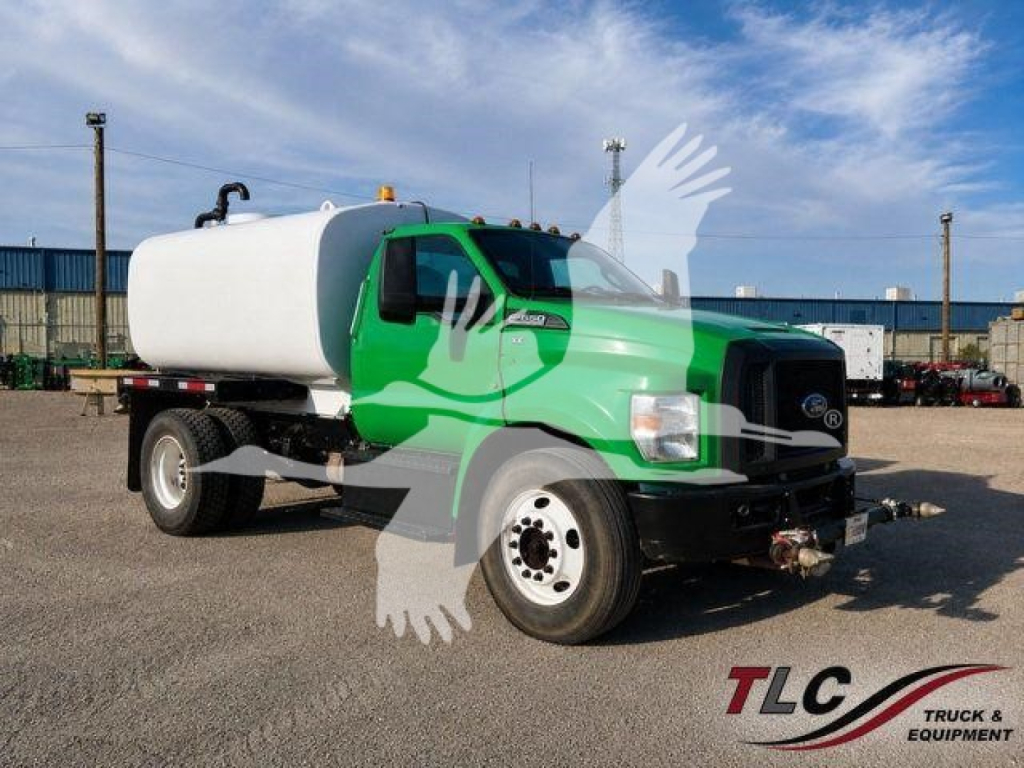
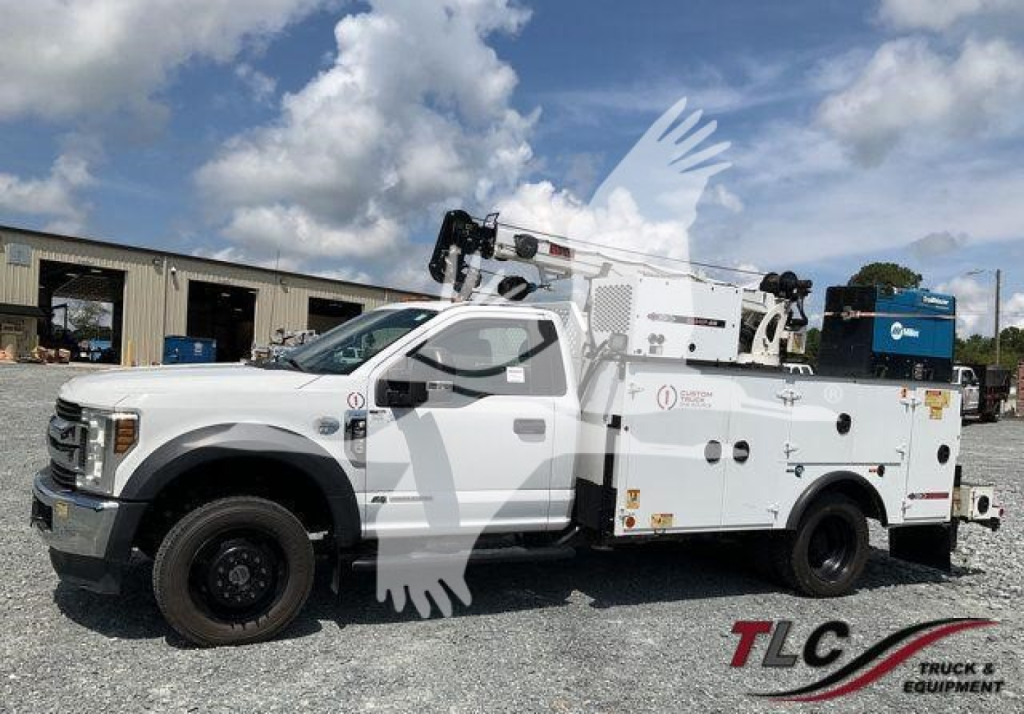
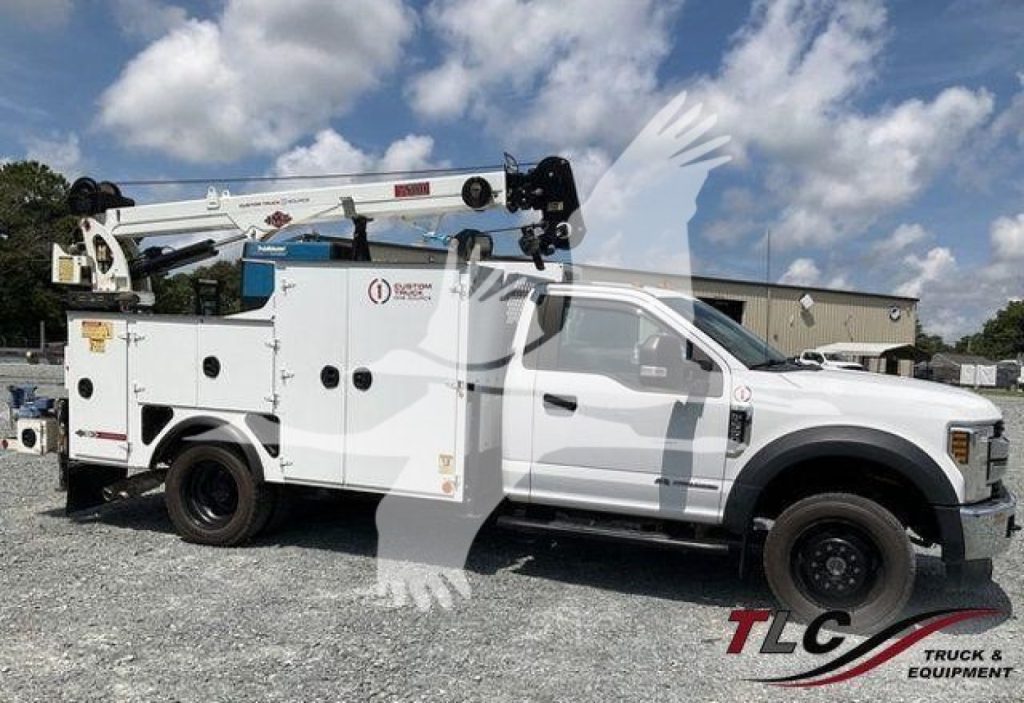
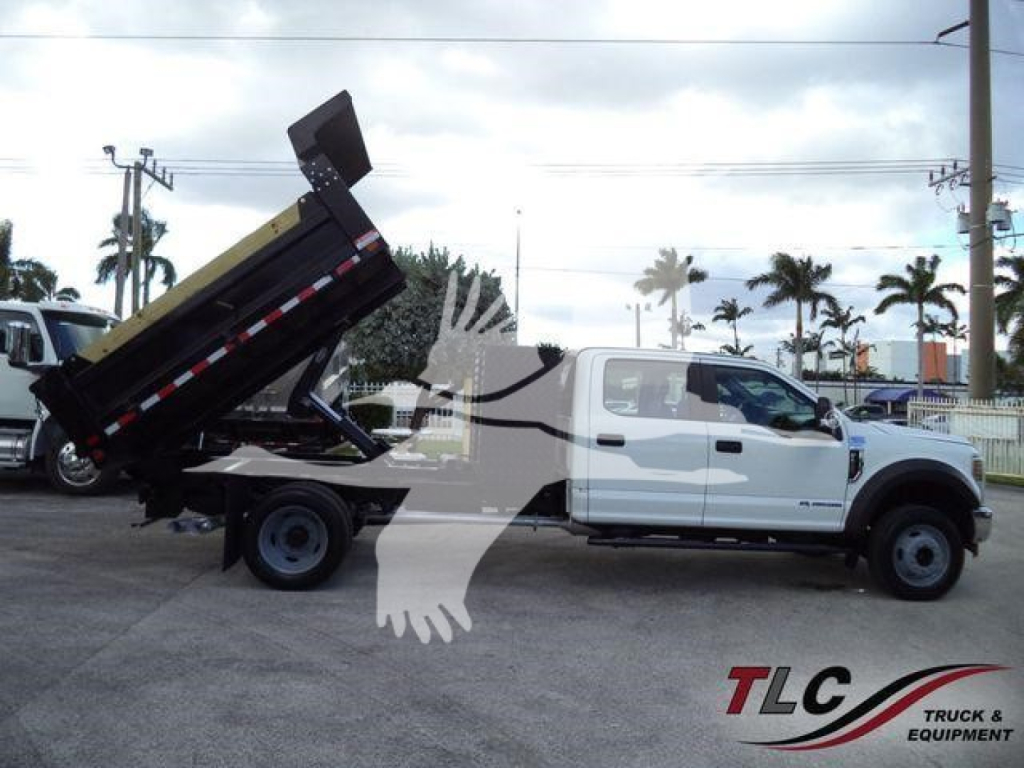
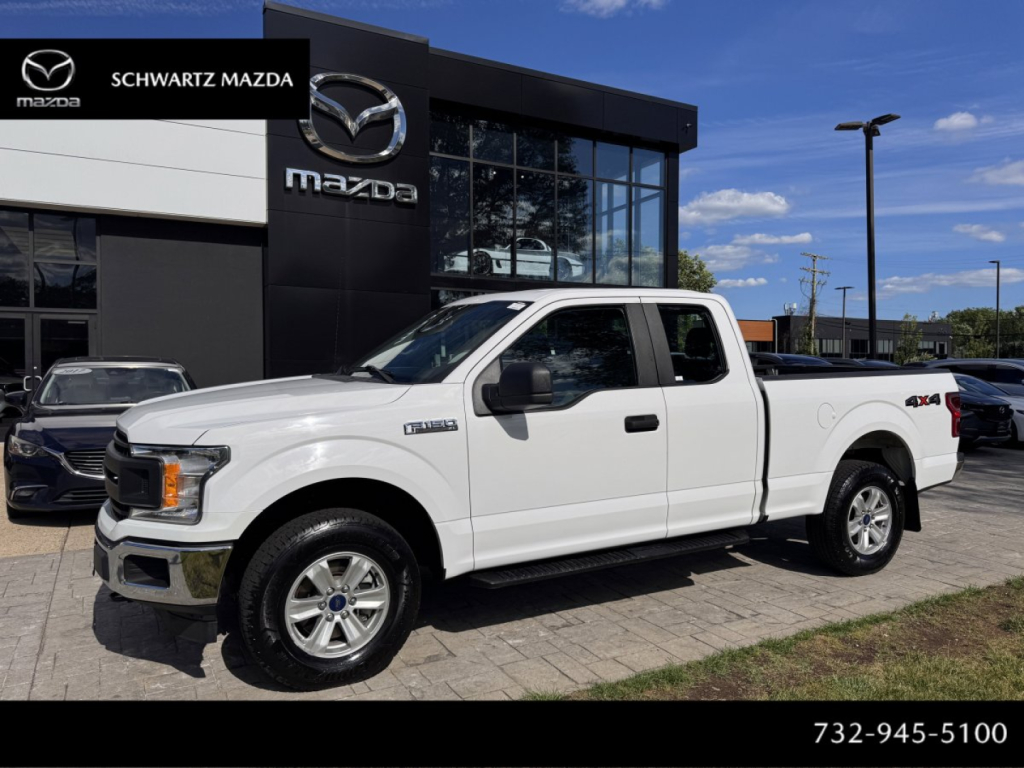
Selling a 2018 ford commercial truck? List your 2018 ford commercial truck for sale and reach thousands of commercial buyers.
2018 Ford Commercial Trucks
On 2018 Ford Super Duty trucks, engine choice is a major consideration. The 6.2L gas V8 remains a common fleet engine because of its simpler emissions profile and lower upfront cost, especially in lower annual mileage applications or stop-and-go service. The 6.7L Power Stroke diesel is the usual step-up for higher torque, heavier towing, and better performance under sustained load. Transmission and axle ratio matter just as much as engine choice, particularly if the truck will carry a crane body, pull equipment trailers, or operate in hilly territory. On F-350 through F-550 models, buyers should look closely at cab style, wheelbase, rear axle rating, PTO compatibility, and whether the truck is SRW or DRW. For medium-duty 2018 Ford trucks like the F-650 and F-750, body length, brake type, suspension, and front axle capacity become more important because they directly affect route suitability and body spec options.
Body and equipment spec can change the value of a 2018 Ford truck more than the badge on the fender. Service and utility trucks should be checked for compartment layout, inverter or compressor integration, and overall body corrosion. Dump trucks need the right hoist capacity, body material, side height, and PTO setup for the intended material. Flatbeds and rollback-style carriers should be evaluated on deck length, tie-down points, headboard design, and ramp or wheel-lift equipment. Van bodies and parcel trucks deserve attention to door configuration, floor condition, scuff liners, E-track, and liftgate rating. If the truck has already been upfitted, confirm the body installation quality, frame modifications, wiring integrity, and any signs of overload wear around springs, brakes, and tires.
A good 2018 Ford truck purchase comes down to application fit, service history, and upfit condition. Buyers should verify GVWR, actual payload or towing needs, axle configuration, and engine hours if the truck spent time idling in utility or municipal service. It also pays to check for rust at cab corners, bed mounts, and underbody crossmembers, especially in northern markets. For diesel units, maintenance records for fuel system service and emissions components are worth reviewing. For gas units, buyers often compare total operating cost against fuel burn and duty cycle. A properly spec'd 2018 Ford truck can be a cost-effective platform for construction, landscaping, towing, delivery, maintenance, and general fleet work.
Frequently Asked Questions about 2018 Ford Commercial Trucks
What are the most common 2018 Ford truck models used in commercial service?
The most common commercial 2018 Ford truck models are the F-250, F-350, F-450, F-550, and in heavier applications the F-650 and F-750. F-250 and F-350 trucks are often used for pickups, service bodies, and lighter towing. F-450 and F-550 chassis cabs are more common for dump bodies, flatbeds, mechanics bodies, and small box trucks. F-650 and F-750 trucks are typically used for larger van bodies, stake beds, dump applications, and other medium-duty fleet work where higher GVWR and body capacity are required.
Is the 6.2L gas engine or 6.7L Power Stroke diesel better in a 2018 Ford work truck?
The 6.2L gas V8 is usually the better fit for lower annual miles, lighter vocational work, and fleets that want a simpler engine with lower initial cost. The 6.7L Power Stroke diesel is the stronger choice for heavier towing, higher payloads, frequent highway use, and applications that need more torque. The better option depends on duty cycle, idle time, fuel availability, maintenance practices, and how heavily the truck will be loaded on a regular basis.
What should I inspect first on a used 2018 Ford chassis cab or vocational truck?
Start with the upfit and chassis match. Confirm that the body type, wheelbase, axle ratings, and GVWR make sense for the truck’s intended use. Then inspect frame condition, suspension wear, tire wear patterns, brake condition, PTO operation if equipped, and any signs of overloading. On service, dump, and flatbed trucks, body mounting quality and electrical or hydraulic routing can tell you a lot about how the truck was built and maintained.
Are 2018 Ford medium-duty trucks like the F-650 a good fit for delivery and box truck work?
Yes. A 2018 Ford F-650 or similar medium-duty Ford platform can be a strong option for delivery, moving, and route work when spec'd with the right wheelbase, axle capacities, and van body length. Buyers should pay attention to door style, liftgate capacity, interior logistics features such as E-track and scuff liners, and overall body height if the truck will run urban or dock-based routes. Suspension and brake configuration also matter because they affect ride quality, stopping performance, and payload stability.
Do 2018 Ford trucks hold value well in fleet and vocational use?
Many 2018 Ford trucks hold value well when the original spec matches a common commercial application and maintenance has been documented. Chassis cab trucks with desirable upfits such as service bodies, dumps, flatbeds, and van bodies often remain in demand because replacement costs for new equipment are high. Condition still drives value more than age alone, especially when rust, idle-heavy use, deferred maintenance, or poor body installation are present.