
Used Flatbed Trucks For Sale in California
Browse used flatbed trucks in California with diesel and gas options, contractor-ready bodies, and GVWR ranges for delivery, hotshot, and jobsite work.

Selling a used flatbed truck? List your used flatbed truck for sale and reach thousands of commercial buyers.
Used Flatbed Trucks in California
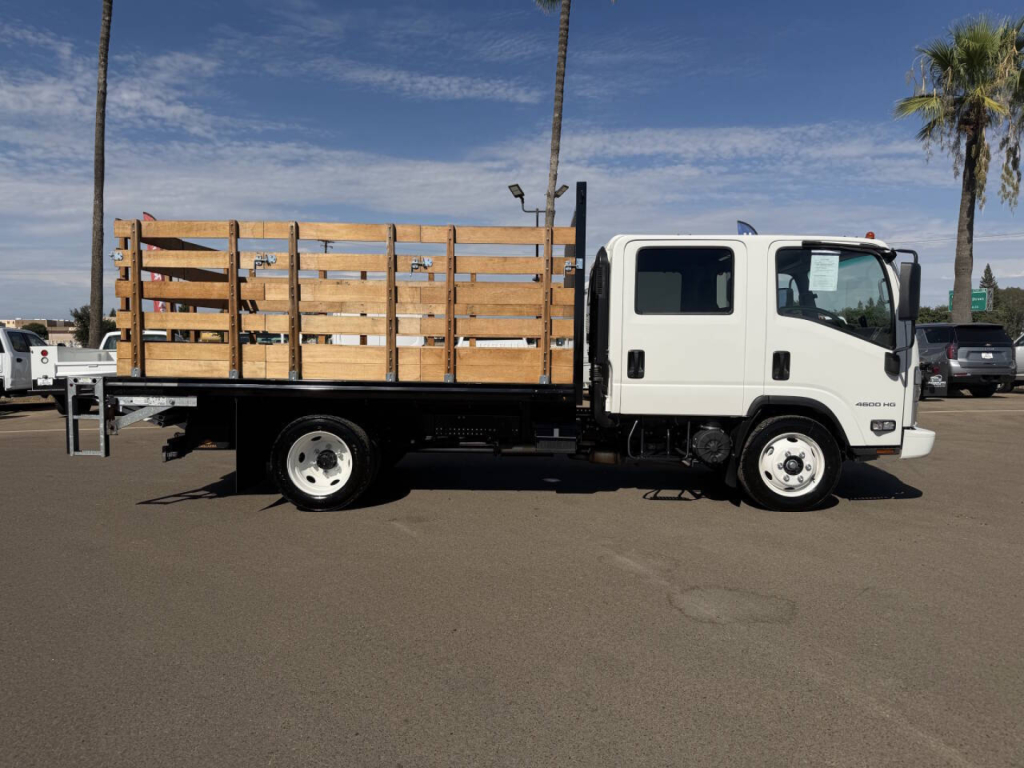
The first buying decision is usually body configuration, not brand. Bed length, deck width, material, and rack setup drive day-to-day usefulness. Many used flatbed trucks in this segment carry 9-foot to 12-foot beds, while contractor versions may add headache racks, pipe stakes, side rails, underbody boxes, ladder racks, and receiver hitches. Steel beds generally offer better impact resistance for jobsite use, while aluminum beds reduce curb weight and can improve payload. Buyers hauling long stock, rebar, lumber, or structural materials should pay close attention to tie-down points, rub rails, stake pockets, and rear overhang support. If the truck will tow regularly, confirm hitch rating, trailer brake controller setup, rear axle ratio, and GCWR rather than looking at GVWR alone.
California buyers should also look closely at emissions equipment, registration class, and operating range. Many newer used flatbed trucks are diesel powered and may include DPF, SCR, and DEF systems, while gas-powered models remain attractive for lighter-duty fleets that want lower maintenance complexity and easier urban operation. A 4x2 chassis often makes sense for paved-route delivery and contractor fleets, but 4x4 is valuable for utility access, rural property work, and undeveloped jobsites. Crew cabs are popular in this category because they let one truck move both crew and material, though they reduce usable body length compared with a regular cab on the same wheelbase. On any used unit, inspect the bed mount condition, frame corrosion, crossmembers, wiring for lights and trailer plugs, and signs of concentrated deck damage from forklifts or point-loaded cargo.
Powertrain and weight ratings should match the actual work cycle. Lighter flatbed trucks around 14,000 to 19,500 lb GVWR are common for equipment rental support, building supply delivery, landscape material transport, and general service work. Diesel engines dominate when payload, towing, and daily mileage are priorities, while gas engines can pencil out well for shorter routes and lower annual utilization. A good used flatbed truck should be evaluated as a complete package: chassis rating, axle capacity, bed design, securement hardware, cab configuration, and service history. Buyers comparing listings in California will usually get the best result by starting with payload needs, cargo dimensions, and trailer requirements, then narrowing by engine, drivetrain, and body style.
Frequently Asked Questions about Used Flatbed Trucks in California
What should I check first on a used flatbed truck?
Start with the body and weight ratings. Confirm the bed length, deck condition, tie-down hardware, stake pockets, rub rails, and any racks or toolboxes you need for the job. Then verify GVWR, axle ratings, payload capacity, and if towing is involved, GCWR and hitch rating. A flatbed that looks clean but is undersized for the cargo or trailer is usually the wrong buy.
Are diesel or gas flatbed trucks better for California work?
It depends on route type, annual mileage, and load demands. Diesel flatbed trucks usually offer better low-end torque, towing performance, and efficiency under heavier loads, but they also bring emissions components such as DPF and DEF systems. Gas models are often simpler to maintain and can be a strong fit for lighter-duty contractor use, municipal work, and shorter metro routes where extreme towing capacity is not the main priority.
What is the difference between a flatbed truck and a stake bed?
A flatbed truck has an open platform body designed for side and rear loading. A stake bed is a flatbed fitted with removable side panels or stake sides, which helps retain loose or irregular cargo while preserving loading flexibility. Many buyers use the terms interchangeably, but the presence of stake sides, racks, and contractor accessories changes how the truck performs in daily service.
Is 4x4 worth it on a used flatbed truck?
4x4 adds cost and weight, but it can be worthwhile if the truck regularly enters dirt lots, ranch property, utility easements, mountain terrain, or unfinished jobsites. For paved delivery routes and most urban contractor use, a 4x2 chassis is often enough and usually provides a lower acquisition cost with fewer drivetrain components to maintain. The right choice comes down to traction needs, not just preference.
How do I choose the right cab and bed length combination?
Match the cab to the crew size and the bed to the cargo. A regular cab usually allows the longest bed on a given wheelbase and is a practical setup for material hauling. An extended or crew cab gives more passenger capacity and is useful for field crews, but it can shorten the available platform length. If the truck will carry both personnel and long materials, compare wheelbase, overall length, turning radius, and rear overhang before deciding.