
Used 2000 Flatbed Trucks For Sale
Used 2000 flatbed trucks for sale: compare chassis ratings, deck condition and pre-DPF diesel powertrains before choosing a work-ready platform truck.
Looking for the easiest place to sell your used 2000 flatbed truck? List it here to reach thousands of buyers.
Used 2000 Flatbed Trucks
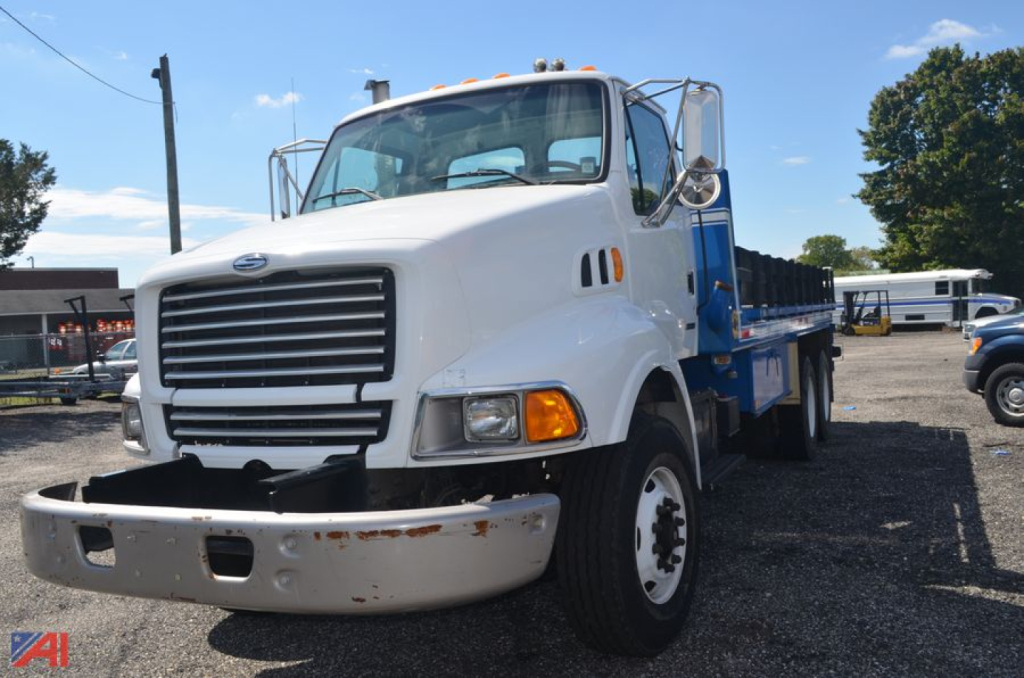
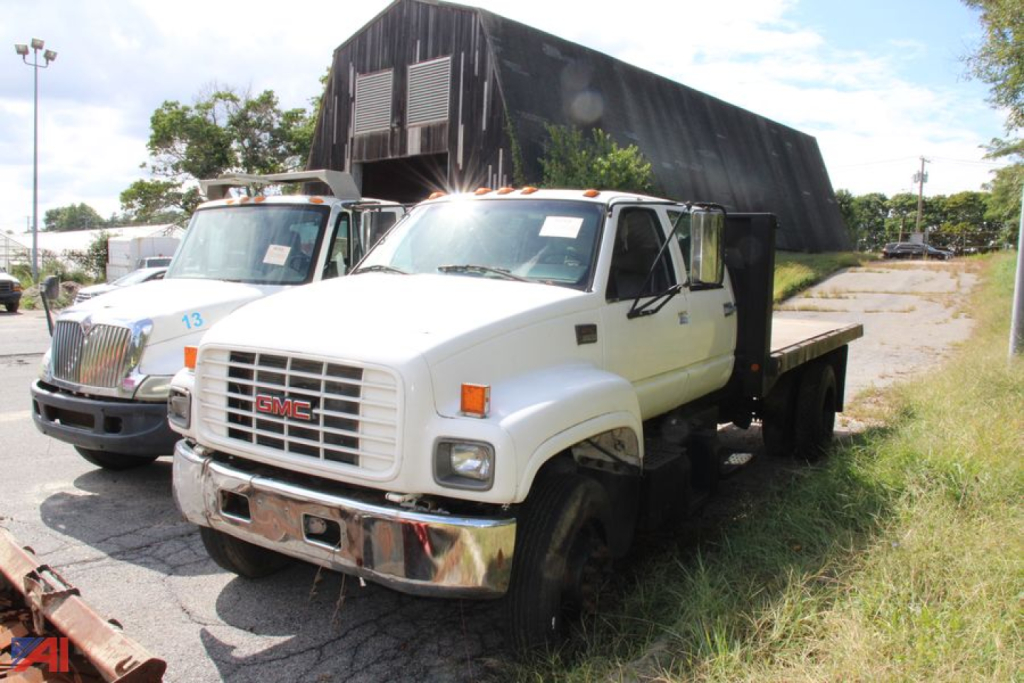
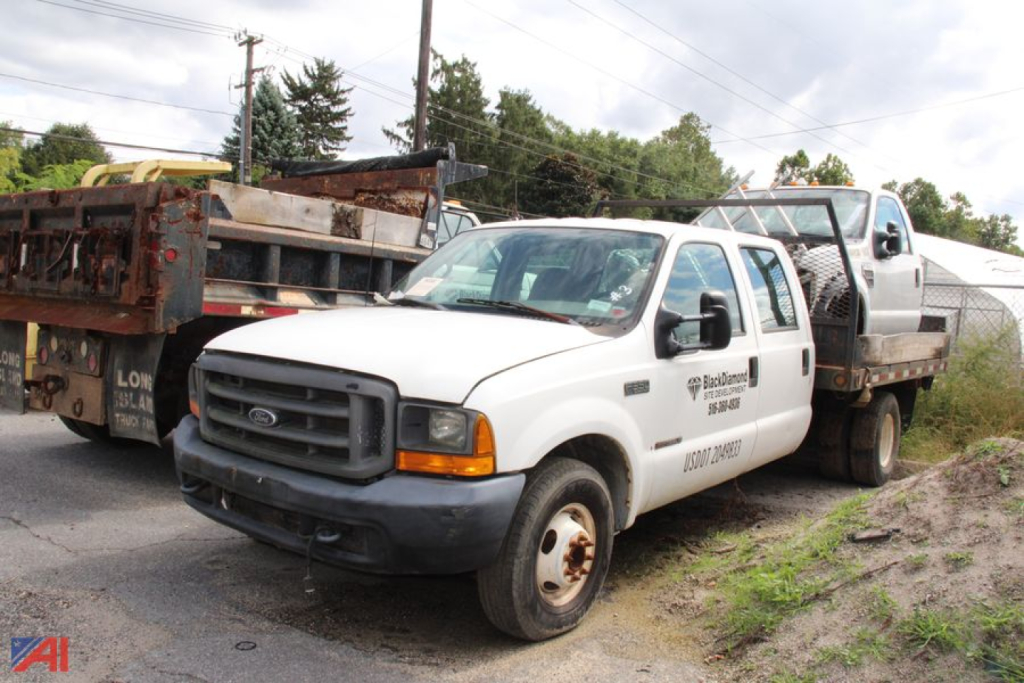
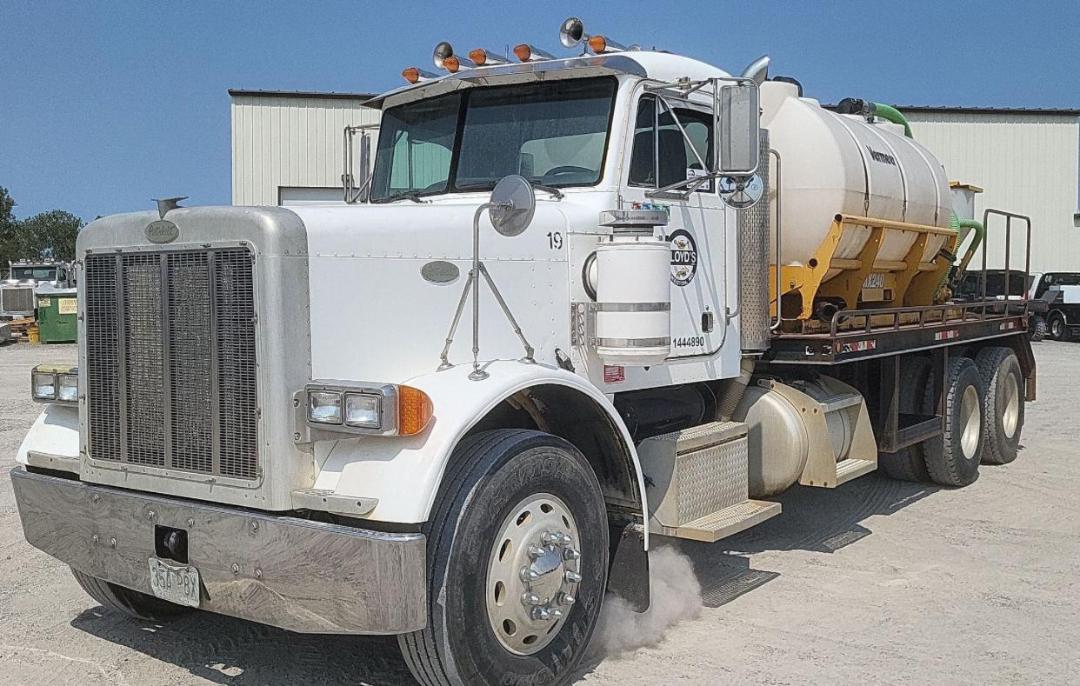
Examples from the 2000 model year include Ford F-350 Super Duty trucks with the 7.3L Power Stroke, GMC C6500 chassis with Caterpillar's 7.2L 3126, and Sterling L-series trucks with Cummins ISC engines. Peterbilt 379 chassis can carry Caterpillar C12 power, while gasoline engines remain part of the lighter-duty comparison. Check transmission gearing and rear-axle ratio against loaded starts, grades and sustained highway speed.
Payload should be calculated from an actual empty scale weight, including the deck, tools and permanently mounted equipment. Compare loaded axle weights against both axle ratings and legal limits; unused GVWR does not cure an overloaded rear axle. On a flat deck truck, deck length, wheelbase, rear overhang and load placement must work together. Inspect rated tie-down points, stake pockets, rub rails and headboard attachments for the intended cargo. A crane, liftgate or carried forklift consumes payload and may require chassis reinforcement and revised weight calculations.
Structural condition can matter more than odometer mileage on a 2000 chassis. Inspect frame rails, spring hangers, cab mounts and deck crossmembers for corrosion, cracking and questionable welded repairs, especially after Snow Belt or Canadian winter service. Check wooden decking for rot and steel decking for hidden thinning beneath paint. Start the engine cold, watch for excessive crankcase pressure and verify cooling-system condition. Compare maintenance records with available ECM mileage and hours, then inspect clutch operation, driveline lash, differential leaks and suspension bushings. Confirm that the body installation follows the chassis manufacturer's mounting guidance.
California's Truck and Bus Regulation generally requires 2010 or newer engines in covered diesel trucks over 14,000 pounds GVWR, making an original-engine 2000 heavy flatbed a compliance concern unless a valid exemption applies. Elsewhere in the United States and Canada, confirm registration weight, commercial inspection requirements and any seasonal road restrictions before purchase. For rural or mountainous work, cooling capacity, traction and gearing deserve extra attention. Budget for age-related hoses, seals, wiring and brake repairs even when the truck runs well during a short demonstration.
Frequently Asked Questions about Used 2000 Flatbed Trucks
Do I need a CDL for a 2000 flatbed truck?
A single 2000 flatbed truck rated or weighing 26,001 pounds or more generally requires a Class B CDL in the United States. A combination at that threshold generally requires Class A when the trailer is rated or weighs more than 10,000 pounds. Air brakes alone do not create a CDL requirement, but CDL holders need the appropriate air-brake qualification. Canadian licence classes are provincial, so check the applicable provincial requirements.
Can I add a rear-mounted forklift to a 2000 flatbed truck?
A rear-mounted forklift requires a mounting system engineered for the flatbed body and chassis, not just enough unused GVWR. On a 2000 flatbed truck, the forklift's weight behind the rear axle increases rear-axle loading by more than its own weight and unloads the steering axle. Verify deck supports, wheelbase, rear overhang, axle capacities and the forklift manufacturer's installation requirements before modifying the truck.
What tie-down rating do I need for cargo on a 2000 flatbed truck?
U.S. federal cargo-securement rules require an aggregate tiedown working load limit of at least half the cargo's weight. For a 2000 flatbed truck, calculate that limit using the actual tiedown arrangement, not simply the rating stamped on each chain. Anchor-point capacity, minimum tiedown counts, cargo length and forward blocking also matter. Use edge protection where cargo can cut webbing, and verify Canadian requirements separately for cross-border work.
What should I test on a 2000 flatbed truck with air brakes?
Air leakage, compressor recovery, low-air warnings and spring-brake operation are essential checks on a 2000 flatbed truck with air brakes. Have a qualified technician test the system against the applicable inspection standards and examine chambers, hoses, slack adjusters and foundation brakes. Excessive oil or moisture in the reservoirs warrants investigation of the compressor and air dryer, even when dashboard pressure appears normal.
What proves that a 2000 flatbed truck's engine was rebuilt properly?
Itemized repair invoices tied to the engine serial number provide stronger evidence than a seller's statement that a 2000 flatbed truck was rebuilt. Confirm the repair date, mileage or hours, parts replaced and any machine-shop work. An in-frame overhaul does not automatically include the cylinder head, turbocharger, injectors or accessories. Support the paperwork with a cold-start inspection, oil analysis and cooling-system pressure test.