
Flatbed Trucks For Sale in Texas
Shop flatbed trucks for sale in Texas. Compare GVWR, deck length, axle ratings, bed materials, and hauling setups for jobsite and delivery work.
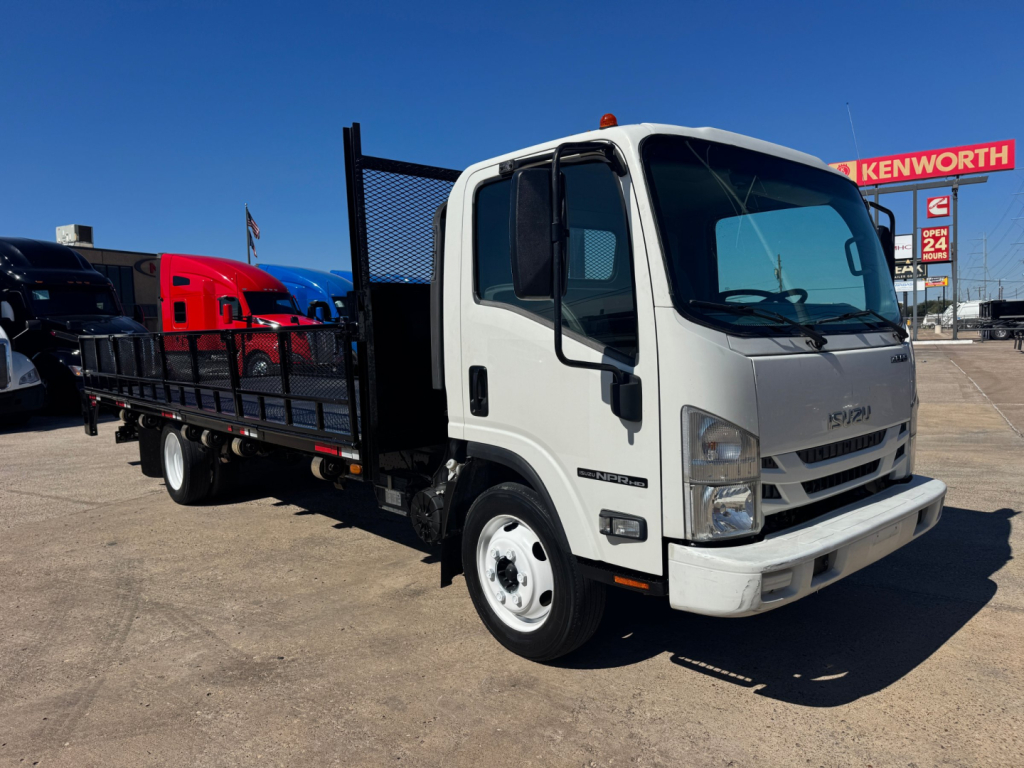
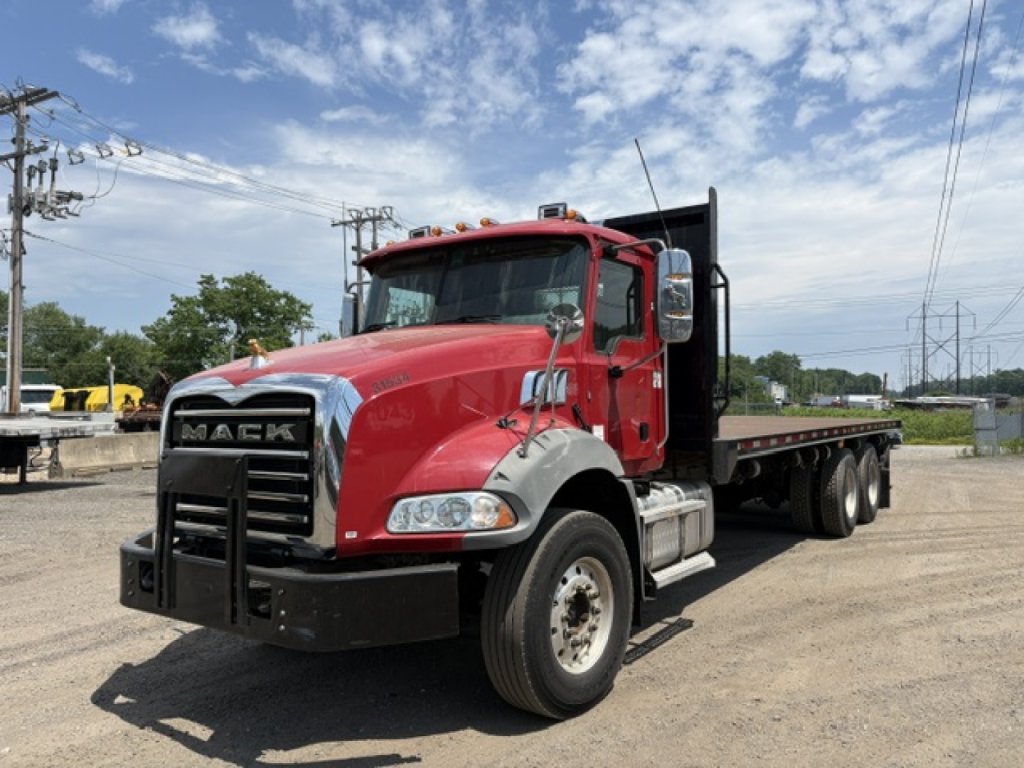
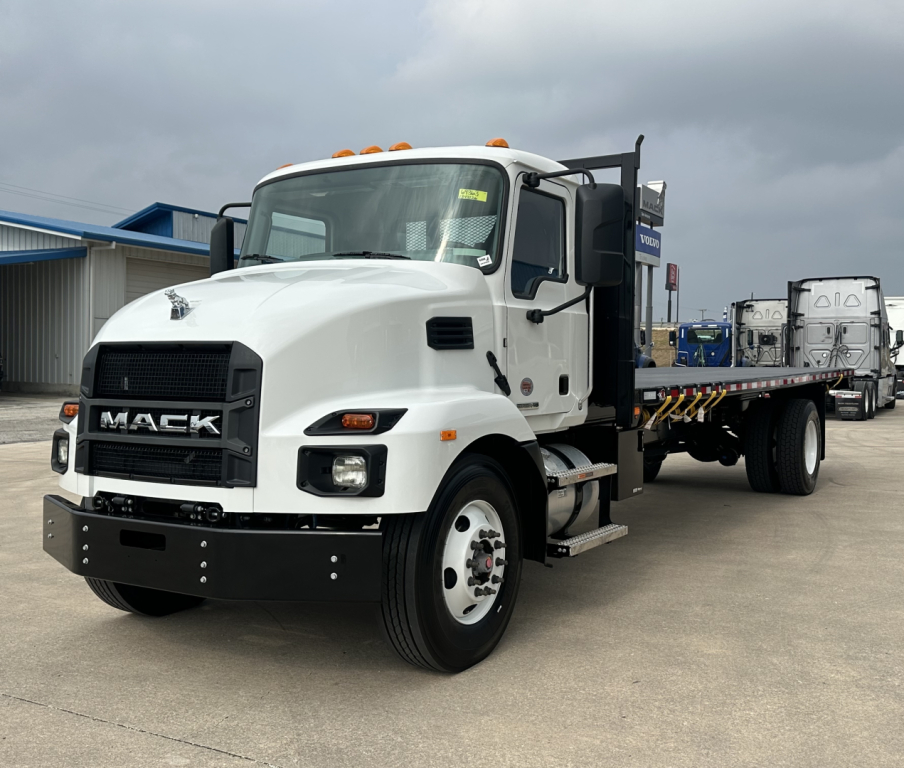
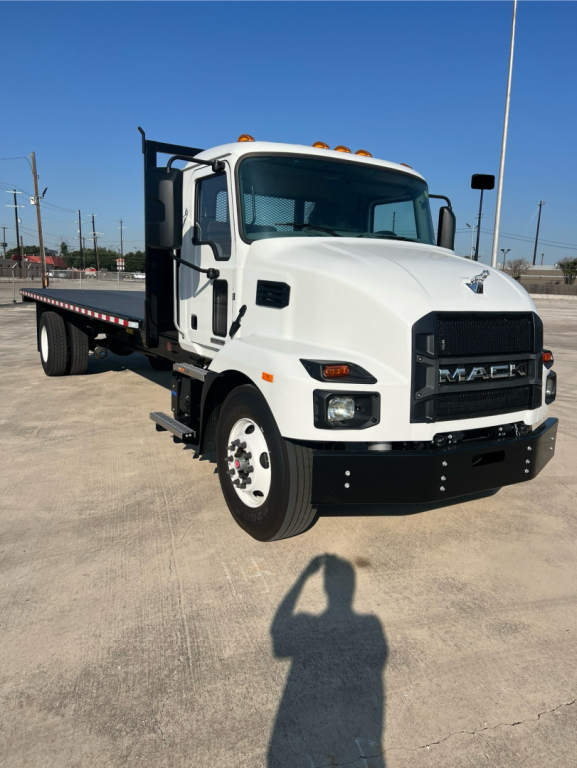
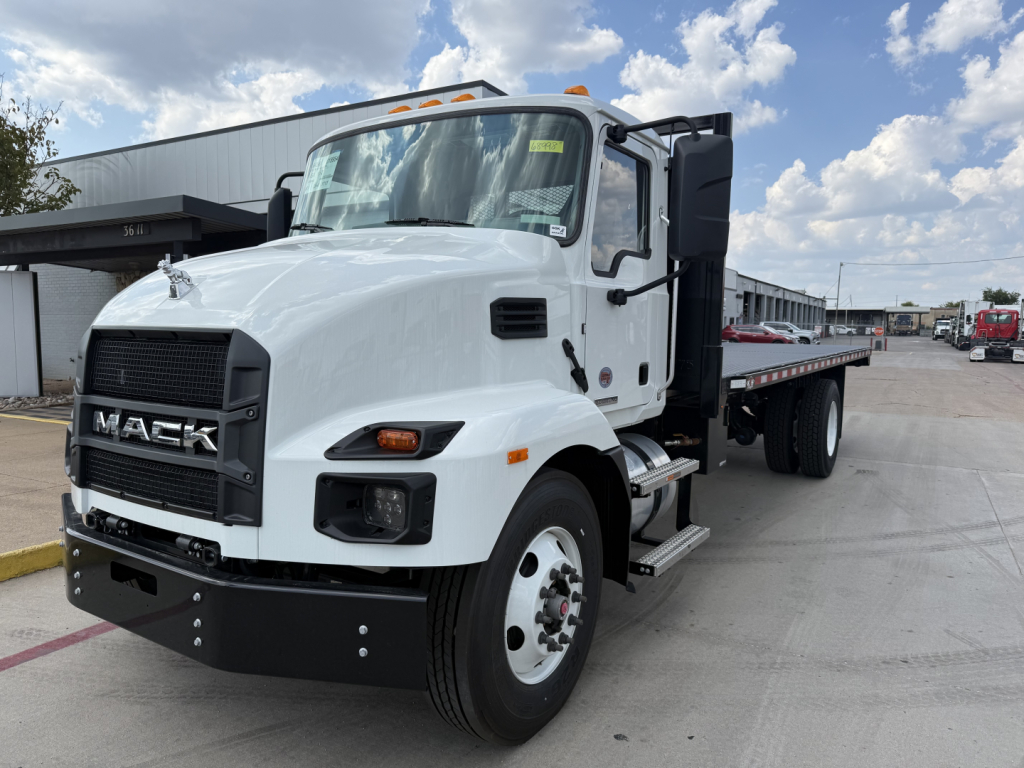
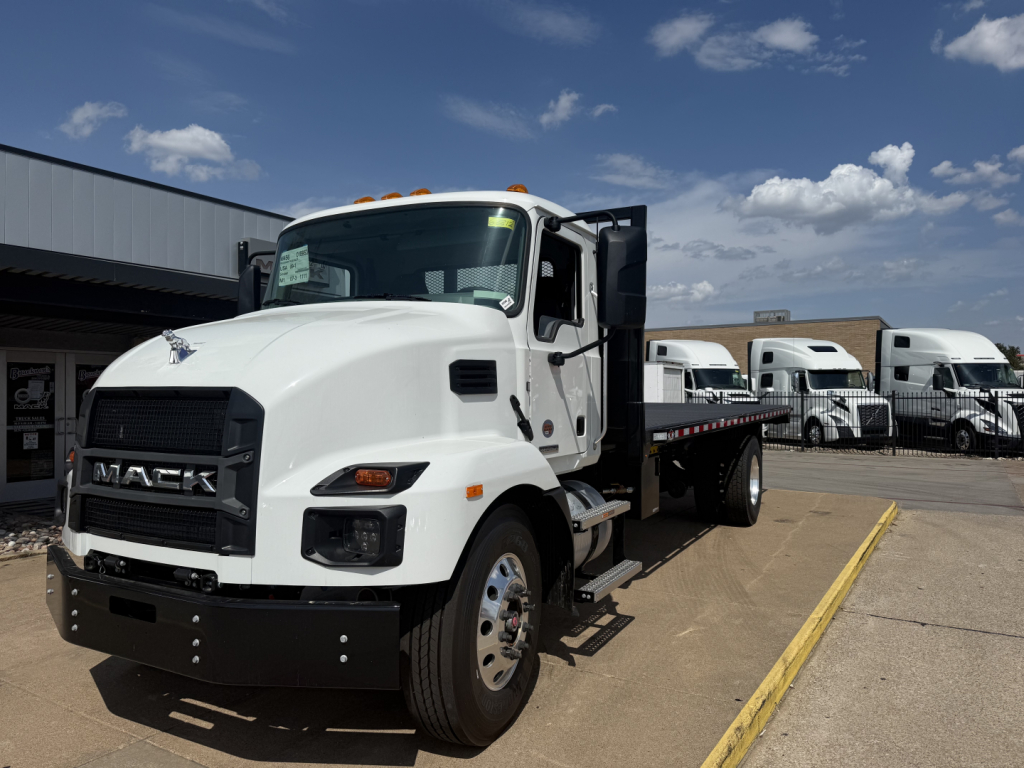
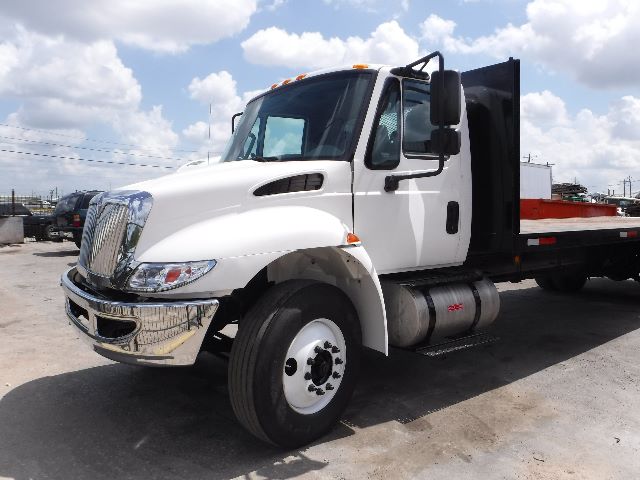

Selling a flatbed truck? List your flatbed truck for sale and reach thousands of commercial buyers.
Flatbed Trucks in Texas
The bed itself matters as much as the chassis. Common configurations include steel flatbeds for rugged jobsite use, aluminum beds for better corrosion resistance and lower tare weight, and dumping flatbeds for crews handling aggregate, debris, pallets, pipe, or bundled material. Buyers should look closely at deck length, floor thickness, stake pockets, rub rails, headache racks, tie-down points, and tool storage. If the truck will carry forklifts, rebar, steel plate, or dense palletized loads, rear axle rating and frame strength become more important than advertised bed size alone. For delivery work, a cleaner spec might include a 22- to 26-foot deck, spring or air suspension, PTO provisions, and a transmission calibrated for stop-and-go operation.
Powertrain choices on flatbed trucks tend to favor durability and low-speed drivability over top-end speed. In this segment, diesel engines such as the Cummins ISB 6.7 are common, usually paired with automatic transmissions like the Allison 2500 RDS for urban routes and vocational service. Rear axle ratios in the 5.xx range are typical when the truck needs launch torque and load control, especially on single axle units. Texas buyers should also consider brake type, tire size, and under-CDL versus CDL registration strategy. A 26,000-pound GVWR flatbed can be attractive for businesses managing driver availability, while a 27,000- to 31,000-pound spec may better suit heavier materials and mounted equipment.
A good flatbed truck spec is the one that matches how freight is actually secured, loaded, and unloaded every day. Check axle spacing, body upfit quality, PTO compatibility on dump-style bodies, and whether the bed has the securement hardware your freight requires. For regional hauling, look at deck width, winch options, chain storage, and crossmember construction. For city and jobsite work, turning radius, cab visibility, and suspension durability often matter more than a few extra horsepower. Flatbed trucks are also known as flatbed haulers or flat deck trucks, and the best ones are configured around the cargo, not just the chassis badge.
Frequently Asked Questions about Flatbed Trucks in Texas
What should I look at first when buying a flatbed truck?
Start with the weight and type of cargo you plan to haul. Payload target, deck length, axle ratings, and GVWR should be decided before brand or trim level. A truck hauling bundled lumber, steel, pipe, pallets, or jobsite equipment needs the right combination of frame strength, rear axle capacity, suspension, and securement hardware. Bed construction also matters because steel beds offer durability while aluminum beds reduce tare weight and can improve usable payload.
What is the difference between a standard flatbed truck and a dumping flatbed truck?
A standard flatbed truck is designed for straightforward loading and transport of materials that can be secured on an open deck. A dumping flatbed adds a hoist system and PTO-driven hydraulic function so the body can raise and unload loose or semi-loose material. Dumping flatbeds are common in construction, landscape supply, and municipal service because they can still carry palletized freight while offering the flexibility to unload bulk material without additional equipment.
Is an under-CDL flatbed truck a better choice in Texas?
An under-CDL flatbed truck can be a strong choice if your operation needs easier driver staffing and the freight fits within a 26,000-pound GVWR limit. That said, many Texas operations move dense materials that quickly justify stepping into a higher GVWR truck for better payload and equipment options. The right choice depends on legal weight requirements, route profile, trailer use, and how often the truck will carry heavy palletized or construction-related loads.
Are single axle flatbed trucks enough for most business use?
Single axle flatbed trucks handle a large share of local and regional delivery work, especially in medium-duty applications. They are easier to maneuver, generally less expensive to maintain, and well suited for building materials, service body replacement, equipment delivery, and municipal work. Tandem axle flatbed trucks make more sense when the business needs longer decks, heavier legal payloads, or more stability with concentrated loads.
What bed features are most important on a flatbed truck?
The most important bed features depend on the freight, but buyers commonly focus on rub rails, stake pockets, tie-down points, headache racks, winch tracks, toolboxes, and floor material. Crossmember spacing and floor thickness matter on trucks carrying dense freight or forklift-loaded product. If the truck will operate on mixed pavement and jobsites, buyers should also inspect body mounting quality, rear apron design, and how well the securement layout matches daily loading practice.