
Used Ram Flatbed Trucks For Sale
Browse used Ram flatbed trucks with buyer-focused details on bed sizes, payload, GVWR, towing, cab options, and common work applications.
Learn moreNo exact matches found for your search
Showing Used Flatbed Trucks instead.
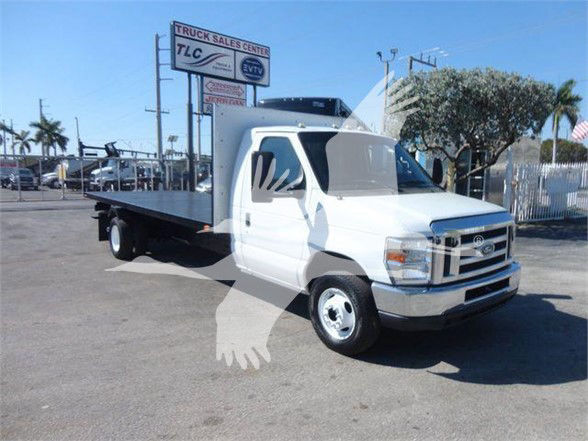
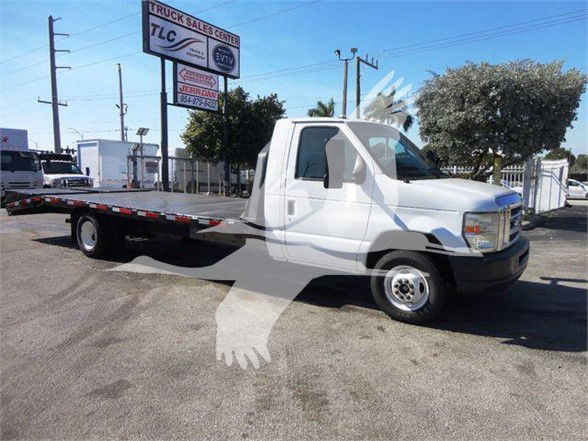
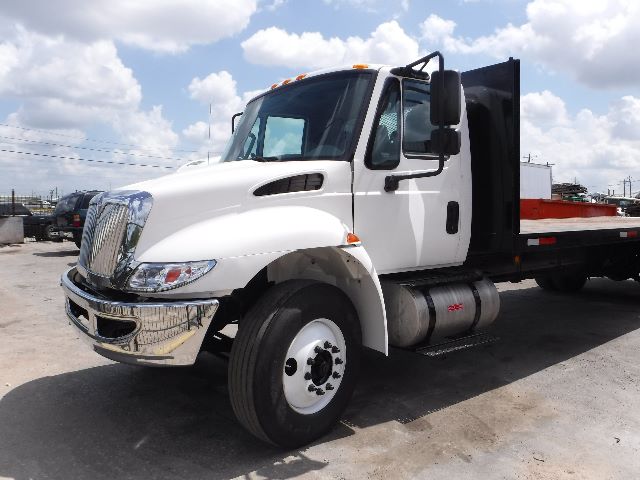
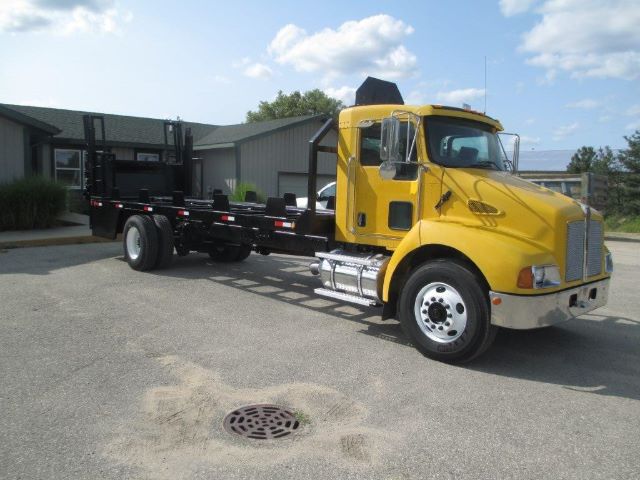
Showing 37 to 41 of 41 results
Have used ram flatbed truck to sell? List it here to reach thousands of buyers.
About Used Ram Flatbed Trucks
The biggest spec decision is usually single rear wheel versus dual rear wheel, followed by GVWR and powertrain. A Ram 3500 dually flatbed is common for heavier payloads and trailer duty, while 4500 and 5500 chassis cab models are better suited for commercial bodies, higher payload ratings, and more demanding daily use. Buyers often compare the 6.4L HEMI gas engine against the 6.7L Cummins diesel. Gas trucks can make sense for lighter annual mileage and lower upfront cost, while the Cummins is often preferred for torque, towing, and highway efficiency under load. Transmission history, axle ratio, rear suspension condition, brake wear, and PTO compatibility can all matter depending on how the truck will be used.
A flatbed setup can vary widely from one Ram to the next, so the body itself deserves close attention. Common features include gooseneck or fifth-wheel hitches, underbody toolboxes, ladder racks, bulkheads, trailer brake controllers, receiver hitches, and integrated lighting. Bed length, deck height, wheel well clearance, and overall width affect how usable the truck is for forklifts, pallets, and materials handling. If the truck has been used in construction, agriculture, or utility work, inspect the bed crossmembers, wiring, trailer plug connections, and any evidence of overloaded service. Cab configuration also changes the truck's fit for the job. Regular cab trucks maximize bed and wheelbase efficiency, while crew cabs add passenger space for work crews but can reduce maneuverability on tighter sites.
For used Ram flatbed trucks, the best value usually comes from matching the chassis rating to the real payload and towing requirement instead of buying purely by engine or trim. Buyers should verify door-sticker ratings, body upfit quality, title status, maintenance records, and emissions equipment condition on diesel models. It also helps to confirm if the truck retains factory towing features, upfitter switches, integrated brake control, and camera or backup aid functionality after the flatbed conversion. A well-matched Ram flatbed can cover a wide range of commercial work without moving into a larger medium-duty truck, which is why these units remain popular in landscaping, building trades, hotshot support, farm use, and general fleet service.
Frequently Asked Questions
What Ram models are most common as used flatbed trucks?
The most common used Ram flatbed trucks are based on the Ram 3500, 4500, and 5500 chassis, with some 2500 trucks appearing in lighter-duty applications. A 3500 is often the entry point for buyers who need strong towing and payload in a pickup-sized platform, especially in dual rear wheel form. The 4500 and 5500 are more purpose-built for commercial upfits and typically offer higher GVWR, stronger chassis components, and better suitability for heavier flatbed bodies and trailer work.
Is a Ram diesel or gas engine better for a flatbed truck?
That depends on duty cycle, payload, and annual mileage. The 6.7L Cummins diesel is usually favored for towing, torque delivery, and sustained loaded use, especially in commercial service or highway miles. The 6.4L HEMI gas engine can be a solid choice for fleets that want lower initial cost, simpler maintenance in some applications, and less exposure to diesel emissions repair expense. On a used truck, service history and current mechanical condition are often more important than choosing diesel or gas on reputation alone.
What should I inspect first on a used Ram flatbed truck?
Start with the chassis ratings, frame condition, and the flatbed installation itself. Look closely at rust, weld quality, crossmembers, mounting points, wiring, lighting, and tie-down hardware. Then review engine and transmission service history, suspension wear, brake condition, tire wear patterns, and evidence of overloading. If the truck has towing equipment, check the receiver, gooseneck ball, trailer brake controller, and electrical connectors for wear or damage. A clean-looking cab does not tell you much if the bed and chassis have had hard vocational use.
Are Ram 4500 and 5500 flatbed trucks better than a Ram 3500 for commercial work?
For heavier vocational use, they often are. A Ram 4500 or 5500 generally provides more payload capacity, a more commercial-oriented chassis, and better support for larger bodies or equipment loads. A Ram 3500 can still be the right fit for many contractors, service companies, and owner-operators who want lower size, weight, and operating costs. The right choice comes down to actual payload, trailer weights, body length, and how often the truck will run at or near capacity.
What are common uses for a used Ram flatbed truck?
Used Ram flatbed trucks are commonly used in construction, landscaping, agriculture, municipal work, equipment delivery, hotshot support, and general contractor service. The open deck makes them useful for palletized material, lumber, pipe, tanks, bundled supplies, and small equipment that needs side loading or forklift access. Many buyers also use them as towing platforms when equipped with gooseneck or receiver hitches, especially in applications where a pickup box would limit cargo flexibility.