
Ram Flatbed Trucks For Sale
Shop Ram flatbed trucks built for hotshot, towing, and jobsite hauling, with diesel power, gooseneck setups, and heavy-duty chassis options.
Selling a ram flatbed truck? List your ram flatbed truck for sale and reach thousands of commercial buyers.
Ram Flatbed Trucks
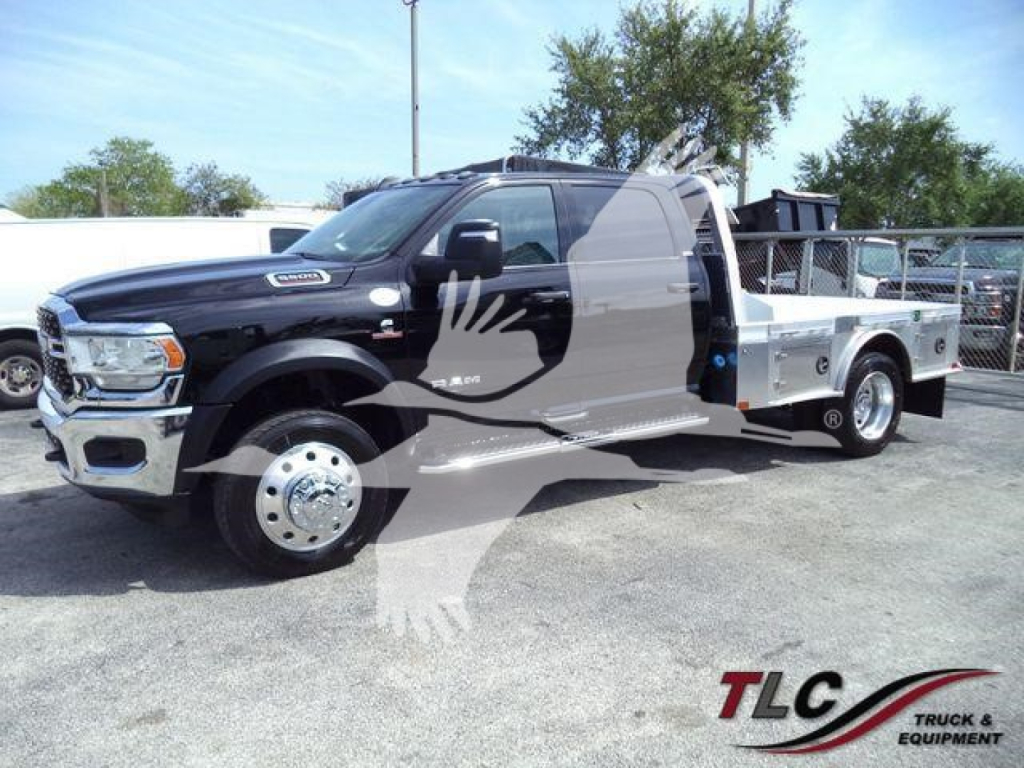
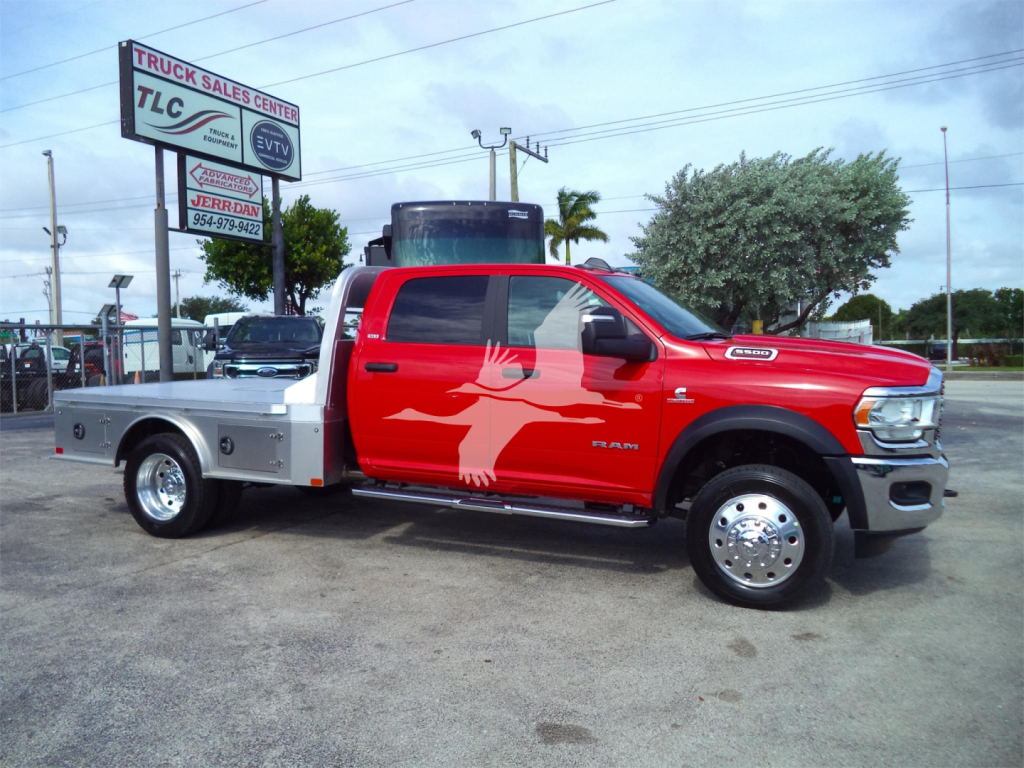
A big buying decision is the bed and hitch package, not just the cab and engine. Many Ram flatbeds are outfitted with aluminum or steel bodies in the 9-foot to 11-foot range, often with headache racks, rub rails, stake pockets, recessed tie-downs, and underbody toolboxes. Buyers running trailers should pay close attention to gooseneck and rear receiver ratings, bed crossmember construction, frame reinforcement, and electrical connections such as 7-way plugs in the bed and at the rear. If the truck will spend most of its time hauling pallets, pipe, building materials, or compact equipment, deck width, floor material, and cargo securement points matter as much as the badge on the hood.
On Ram flatbed trucks, cab-to-axle measurement is critical because it determines what body fits correctly. Common upfits are matched to 60-inch CA chassis, and that dimension affects bed length, axle placement, and overall balance under load. Crew cab versus regular cab is another practical choice. Crew cabs add passenger room and work crew flexibility, while regular cabs usually preserve wheelbase efficiency. Buyers should also compare rear axle rating, GVWR, suspension type, wheel and tire spec, and whether the truck has the gearing needed for repeated towing rather than occasional use.
For buyers comparing listings, the smartest approach is to evaluate the truck as a complete package: chassis rating, engine and transmission combination, drive configuration, and body upfit quality. A Ram flatbed set up with a well-matched hauler body, integrated gooseneck hitch, locking boxes, and durable lighting can serve as a work truck, tow rig, and delivery platform in one unit. That versatility is the main reason Ram flatbed trucks remain a strong choice for operators who need more capability than a standard pickup bed can deliver.
Frequently Asked Questions about Ram Flatbed Trucks
What are Ram flatbed trucks commonly used for?
Ram flatbed trucks are commonly used for hotshot hauling, gooseneck towing, equipment delivery, farm and ranch work, and contractor hauling. A flatbed body gives the truck more usable deck space than a pickup box and makes it easier to load pallets, machinery, pipe, lumber, and other oversized materials from the side or rear.
Which Ram models are most common as flatbed trucks?
The Ram 4500 and Ram 5500 cab chassis are the most common platforms in this category. They are widely used because they are designed for commercial upfits and can be paired with hauler beds, service bodies, and platform beds. Buyers looking for higher towing and payload capability usually focus on the 5500.
What should I check on a Ram flatbed truck before buying?
Start with the chassis rating, GVWR, rear axle rating, drivetrain, and engine-transmission combination. Then inspect the body itself, including floor condition, crossmembers, headache rack, rub rail, stake pockets, toolboxes, lighting, hitch ratings, and wiring plugs. On any cab chassis truck, confirm the cab-to-axle measurement and make sure the bed was properly matched to the truck.
Is a 4x4 Ram flatbed worth it?
A 4x4 Ram flatbed is worth the extra cost for buyers who operate on dirt, gravel, oilfield roads, muddy jobsites, or in snow-prone regions. It adds traction and improves access in poor conditions. For fleets that stay on pavement and prioritize lower weight and simpler maintenance, a 4x2 setup may be the better fit.
Why does cab-to-axle measurement matter on a Ram flatbed truck?
Cab-to-axle measurement determines which flatbed body will fit the chassis correctly. It affects bed length, mounting position, weight distribution, and clearance around the tires and cab. A mismatched body can create loading problems, poor balance, or interference issues, so CA measurement is one of the first specs to verify on any Ram cab chassis flatbed.