
New Flatbed Trucks For Sale in Florida
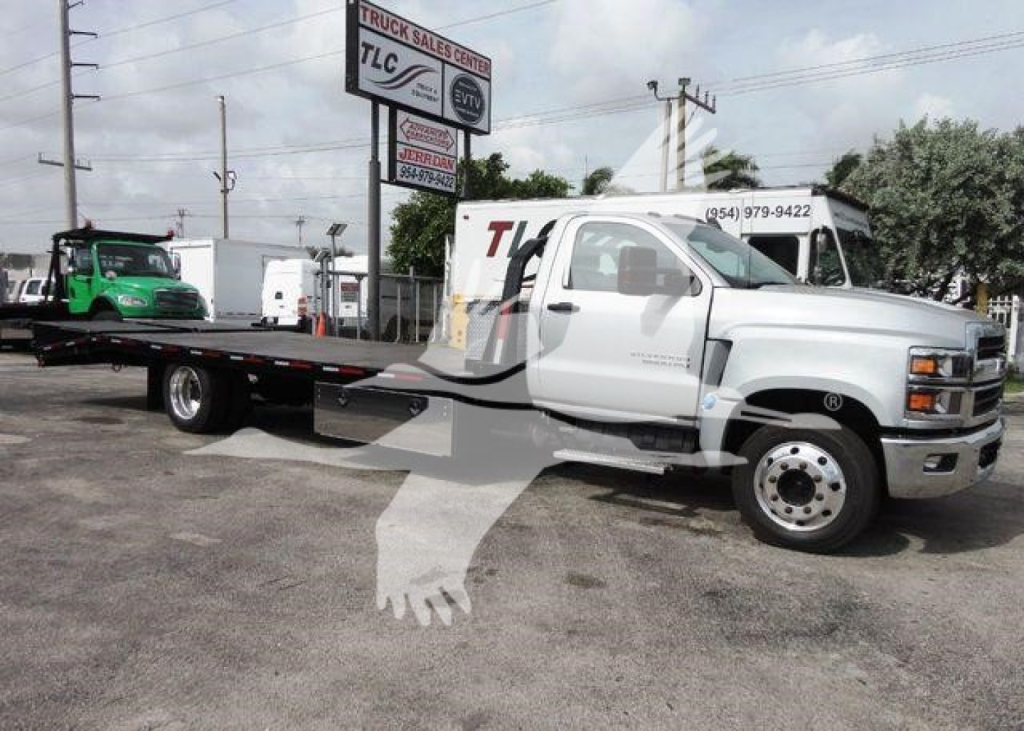
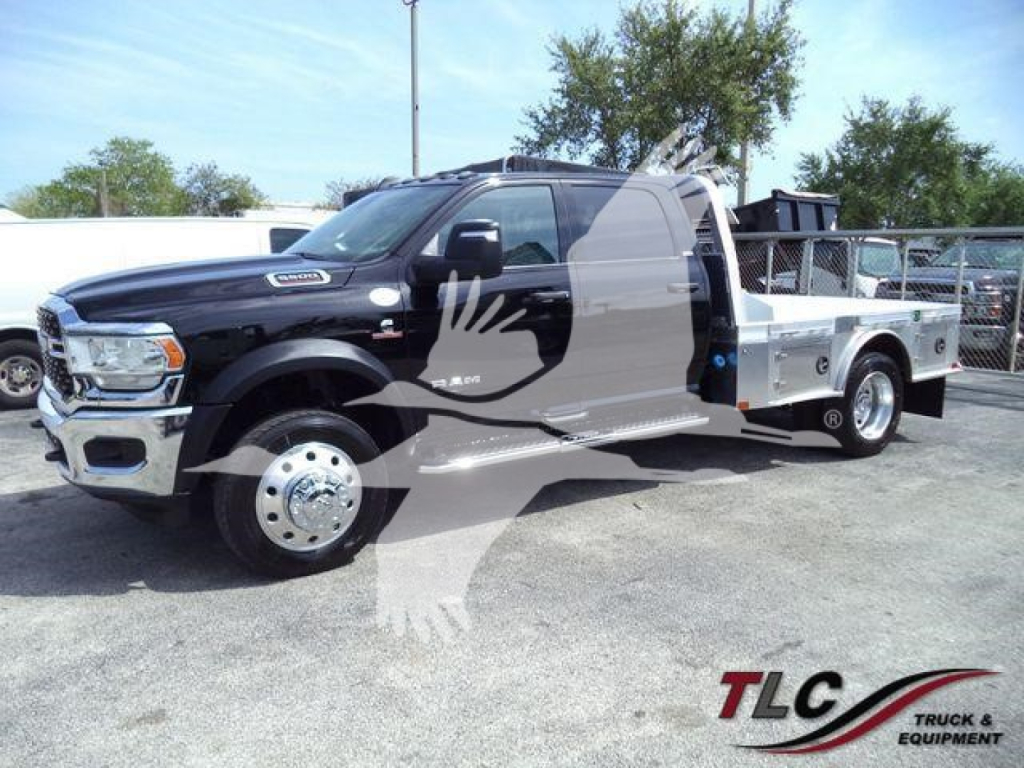
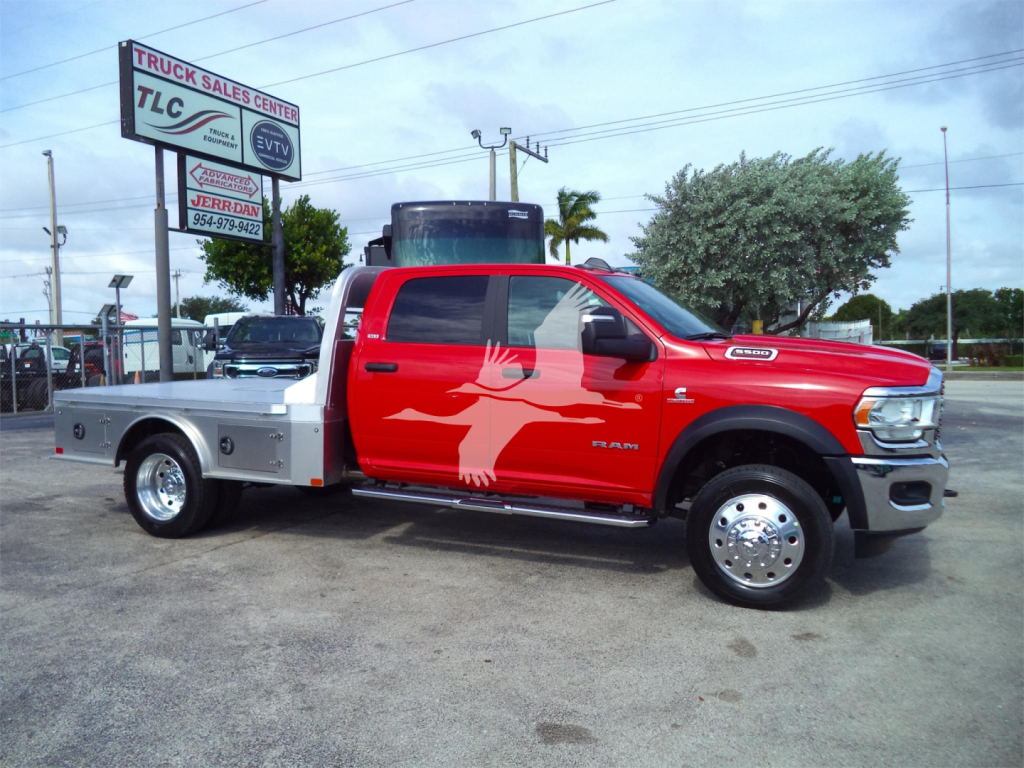
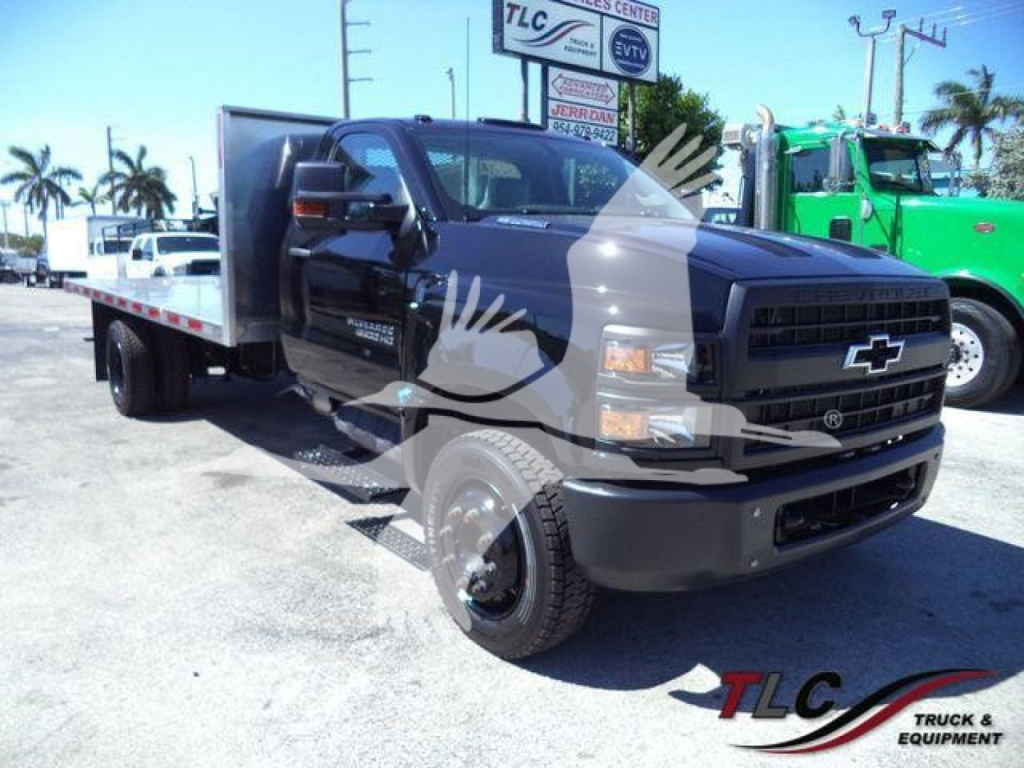
New flatbed trucks for sale in Florida, including cab chassis and hauler bodies with diesel power, gooseneck towing, stake pockets, and tool storage.
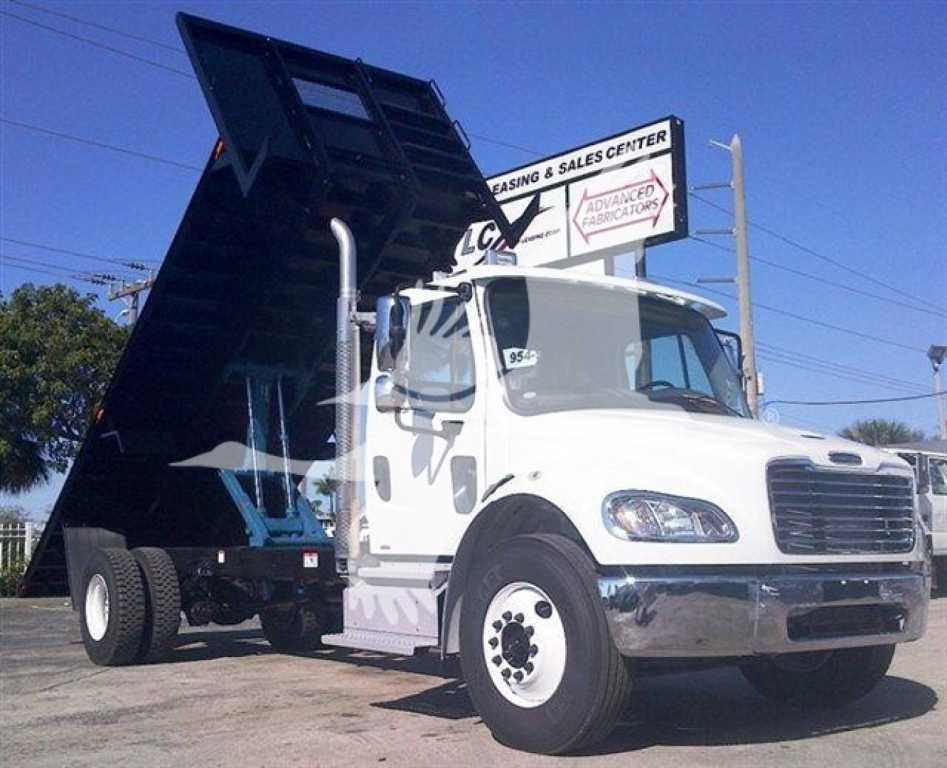
Selling a new flatbed truck? List your new flatbed truck for sale and reach thousands of commercial buyers.
New Flatbed Trucks in Florida
Most new flatbed trucks in this class start with a Class 4 through Class 6 cab chassis, often diesel-powered, with popular platforms like the Ram 5500 and Chevrolet Silverado 6500HD. Buyers should pay close attention to GVWR, rear axle rating, wheelbase, cab-to-axle dimension, and suspension type before comparing cosmetic features. Florida operators often favor diesel engines paired with automatic transmissions for stop-and-go routing, towing, and easier driver onboarding. Bed construction matters just as much. Aluminum flatbeds reduce curb weight and corrosion concerns in coastal and humid environments, while steel beds are often preferred for higher point-load durability, equipment hauling, and severe-duty use. Common features include headache racks, stake pockets, rub rails, ICC bumpers, underbody tool boxes, LED lighting, and rear plugs for trailer connections.
Application should drive deck length and rear treatment. A shorter hauler bed with integrated gooseneck hitch works well for trailers, hotshot service, and mixed-use towing. A longer work flatbed with open deck space is better for palletized material, pipe, jobsite deliveries, or municipal use. Buyers moving small machines should look closely at bed capacity, beavertail length, ramp design, deck height, and tie-down layout. If the truck will spend time on uneven jobsites or carry changing loads, suspension setup becomes important. Spring suspension is simple and proven, while air ride rear suspension can improve ride quality, help protect sensitive cargo, and make loading easier when paired with a dump feature.
A new flatbed truck also gives buyers the advantage of current safety and driver convenience features, including backup cameras, integrated trailer brake controls on some chassis, better cab ergonomics, and cleaner emissions systems than older units. For Florida use, corrosion resistance, cooling performance, and easy wash-down surfaces should be part of the evaluation, especially near salt air and coastal routes. The best flatbed truck is the one that balances payload, deck space, tie-down usability, and towing capacity without overbuying chassis or body. Buyers comparing listings should read past the make and model name and focus on the actual upfit details, because the bed, hitch, storage, and axle ratings are what determine how useful the truck will be on the job.
Frequently Asked Questions about New Flatbed Trucks in Florida
What should I look at first when buying a new flatbed truck?
Start with the truck’s GVWR, rear axle rating, wheelbase, and cab-to-axle measurement, then compare the actual bed and hitch setup. Those numbers determine payload capacity, body fitment, and towing suitability. After that, review bed material, deck length, tie-down features, storage, and suspension type. A flatbed truck that looks similar on paper can perform very differently once it is loaded or connected to a trailer.
Is an aluminum flatbed better than a steel flatbed?
Aluminum flatbeds are popular because they reduce weight, resist corrosion well, and can improve payload potential. That makes them especially appealing in humid and coastal Florida conditions. Steel flatbeds are typically chosen for tougher point-load applications, equipment hauling, and jobs where the deck takes more abuse from machinery or heavy materials. The better choice depends on whether your priority is lower weight and corrosion resistance or maximum ruggedness under severe use.
What is the difference between a standard flatbed and a hauler or hotshot bed?
A standard flatbed is usually focused on open deck utility, pallet loading, and side access for materials or equipment. A hauler or hotshot bed is more towing-oriented and often includes a recessed or integrated gooseneck hitch, rear receiver hitch, trailer plugs, tool boxes, and a design that improves turning clearance with a trailer attached. Buyers pulling gooseneck trailers regularly should look closely at hitch ratings, rear suspension, and bed geometry rather than treating all flatbeds as the same category.
What deck length is common on a new flatbed truck?
Common deck lengths vary by chassis class and application, but many new flatbed trucks in this segment range from roughly 9 feet on smaller hauler bodies to 16 feet or more on medium-duty work trucks. Some equipment-oriented builds add a beavertail and fold-down ramps for machine loading. The right length depends on your load dimensions, turning environment, and whether the truck needs to serve as a trailer tow vehicle, a delivery platform, or a dedicated equipment hauler.
Why does suspension type matter on a flatbed truck?
Suspension affects ride quality, load stability, and how the truck behaves under changing payloads. Spring suspension is straightforward, durable, and common in work truck service. Air ride rear suspension can improve loaded ride quality, reduce shock to cargo, and help with loading or trailer hookup when paired with height control or a dump feature. Buyers hauling equipment, sensitive materials, or towing regularly should consider suspension as a performance feature, not just a chassis spec.