
Used International Flatbed Trucks For Sale in New York
Browse used International flatbed trucks in New York. Compare bed lengths, GVWR, drivetrain specs, and body features for hauling jobs.
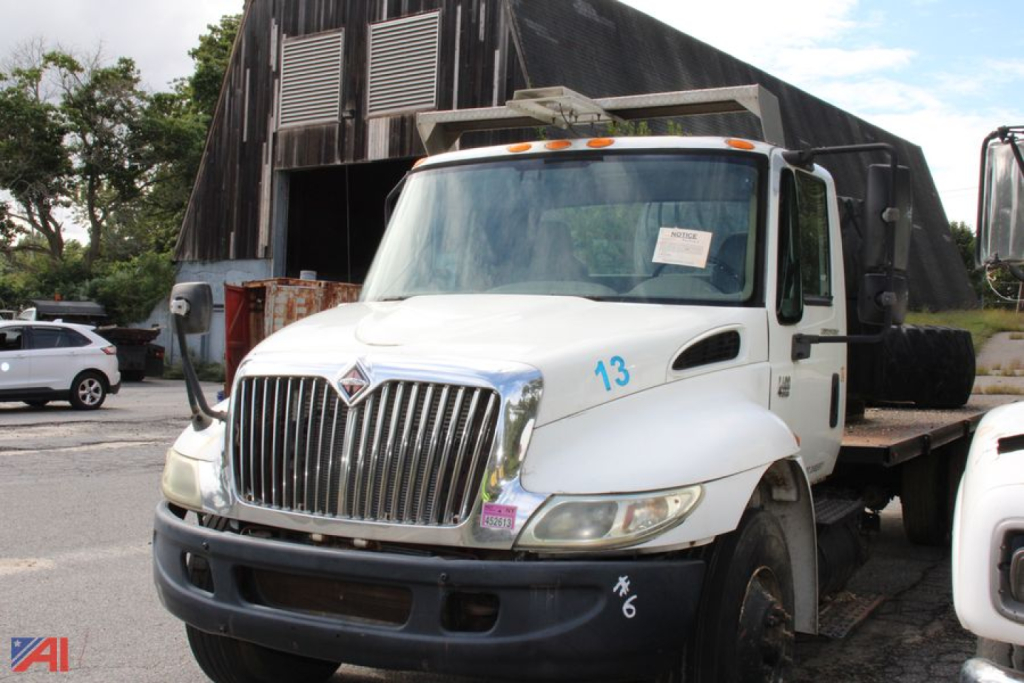
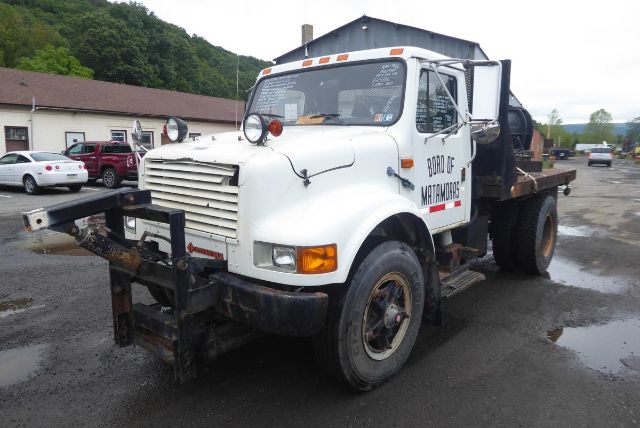
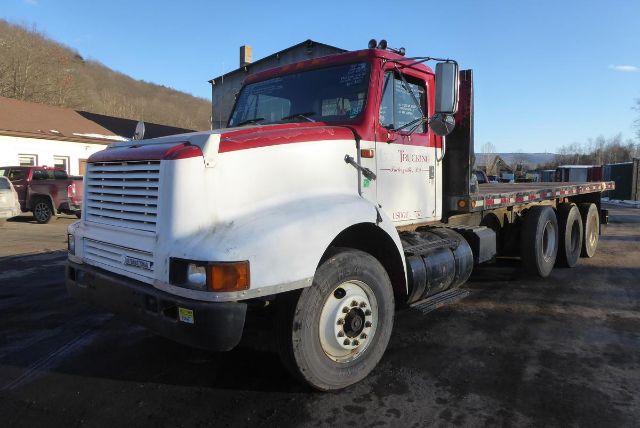
Have used international flatbed truck to sell? List it here to reach thousands of buyers.
Used International Flatbed Trucks in New York
The flatbed body matters as much as the cab and chassis. Buyers should look closely at deck length, floor material, headboard height, tie-down equipment, and frame condition. Steel decks are common on older used International flatbed trucks and hold up well in hard service, but they add tare weight. A truck with a wood or combo deck may offer better payload depending on the application. Check for rub rails, stake pockets, winches, ratchets, forklift kit provisions, pintle hooks, rear hydraulics, and any signs of crossmember or subframe repairs. On New York trucks in particular, corrosion on the frame, bed structure, brake components, and wiring deserves extra attention because road salt can shorten the life of structural and electrical systems.
Powertrain choices vary widely by age and class. Medium-duty units often carry International DT-series diesels paired with Allison automatics, while heavier trucks may use Cummins power with Fuller manual transmissions, tandem rears, air suspension, and lift axles. Key spec points include GVWR, rear axle rating, gear ratio, wheelbase, cab-to-axle, and tire size because these determine payload, turning radius, bridge compliance, and body upfit flexibility. For city and regional work, an automatic transmission and shorter wheelbase can make a flatbed easier to maneuver. For equipment hauling or higher gross weights, a manual transmission, heavier rear axles, air brakes, and a double-frame chassis may be more appropriate.
A good used International flatbed truck should be matched to the load first, then to the route. Dense urban work in New York may favor a shorter single-axle truck with a durable bed and strong visibility, while building supply, machinery, or palletized freight often calls for more deck space and higher axle capacity. Buyers should verify the actual body dimensions, inspect the bed mounting points, confirm brake type, and compare empty weight against intended payload. If the truck includes extras such as a plow, rear hydraulics, or lift axle, those features can add value for the right operation but should be evaluated for condition and serviceability like any other vocational component.
Frequently Asked Questions about Used International Flatbed Trucks in New York
What should I inspect first on a used International flatbed truck?
Start with the frame, flatbed structure, and corrosion level. On a used vocational truck, rust, cracked crossmembers, poor frame repairs, and bed mounting issues can be more expensive to correct than normal engine or cab wear. After that, confirm the truck's GVWR, axle ratings, brake type, tire condition, and wheelbase, then compare those specs to the loads and body length you actually need.
Are International flatbed trucks good for contractor and municipal work?
Yes. International chassis are commonly used in contractor, municipal, utility, and local delivery service because they are available in medium-duty and heavy-duty configurations with practical wheelbase options, diesel engine choices, and upfit-friendly frames. Many used units also come with vocational features such as pintle hooks, hydraulic connections, lift axles, or snow and ice equipment provisions that fit public works and seasonal operations.
What deck length is best for a flatbed truck?
The right deck length depends on the freight, not just the truck class. Shorter beds are easier to maneuver in tight streets and jobsites, while longer beds improve versatility for pallets, building materials, and equipment. Buyers should also consider cab-to-axle measurement, rear overhang, and local route restrictions because a long body on the wrong wheelbase can reduce maneuverability and change weight distribution.
Is a steel flatbed better than a wood-deck flatbed?
A steel flatbed is durable and well suited for rough service, equipment loading, and repeated forklift use, but it is heavier and can reduce payload. A wood deck or combination deck can save weight and is often easier to repair section by section. The better choice depends on cargo type, loading method, and how important payload is compared with deck durability.
Why is wheelbase important on a used flatbed truck?
Wheelbase affects turning radius, ride, axle loading, and what body lengths the chassis can support correctly. A shorter wheelbase is usually better for urban deliveries and tighter jobsites, while a longer wheelbase helps support longer decks and can improve stability with certain loads. On a used truck, wheelbase should always be checked alongside cab-to-axle and cab-to-end dimensions to confirm the body is properly matched to the chassis.