
2019 Flatbed Trucks For Sale
Compare 2019 flatbed trucks for sale by usable payload, deck construction, diesel emissions history, and axle ratings for US and Canadian operations.
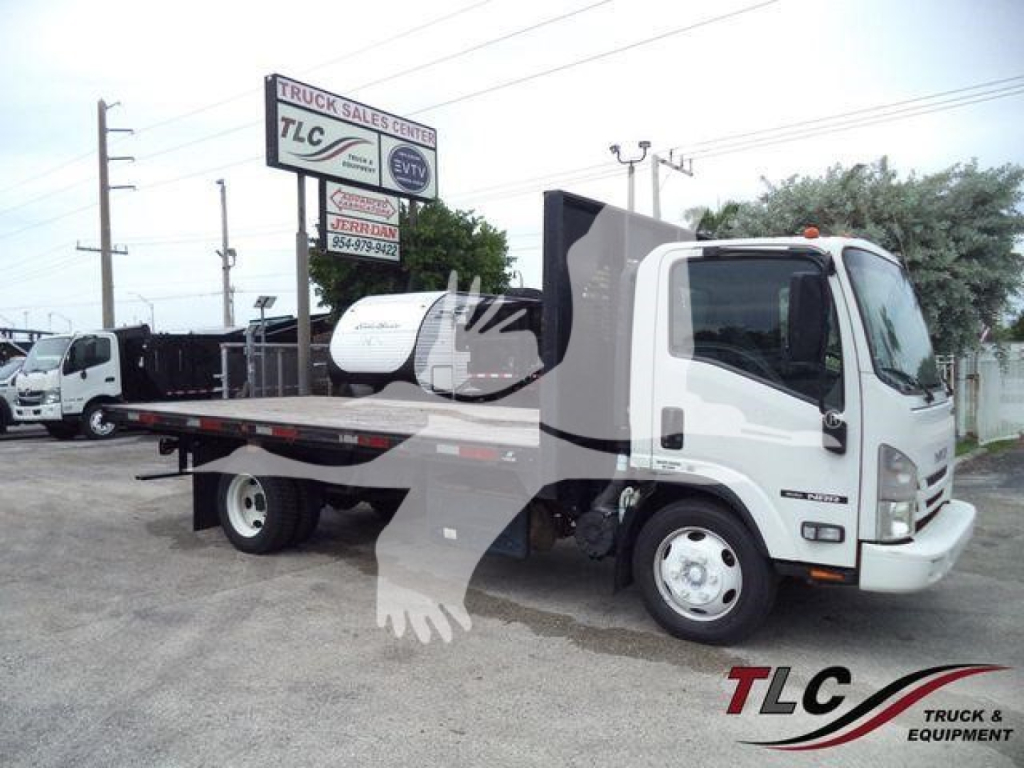
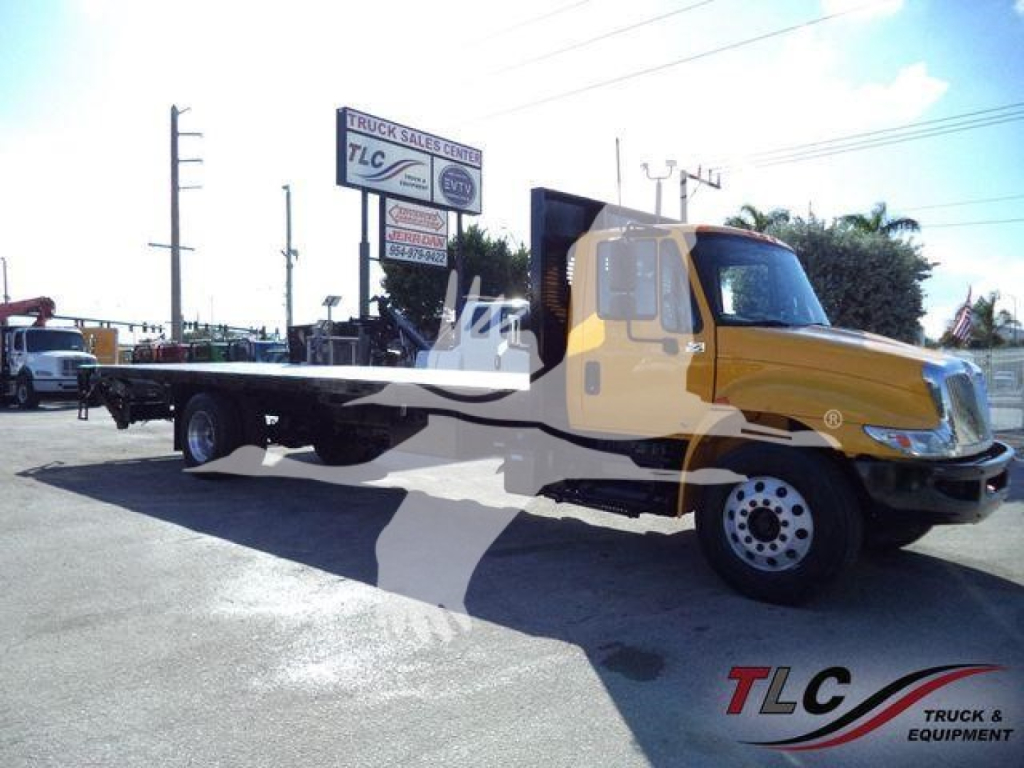
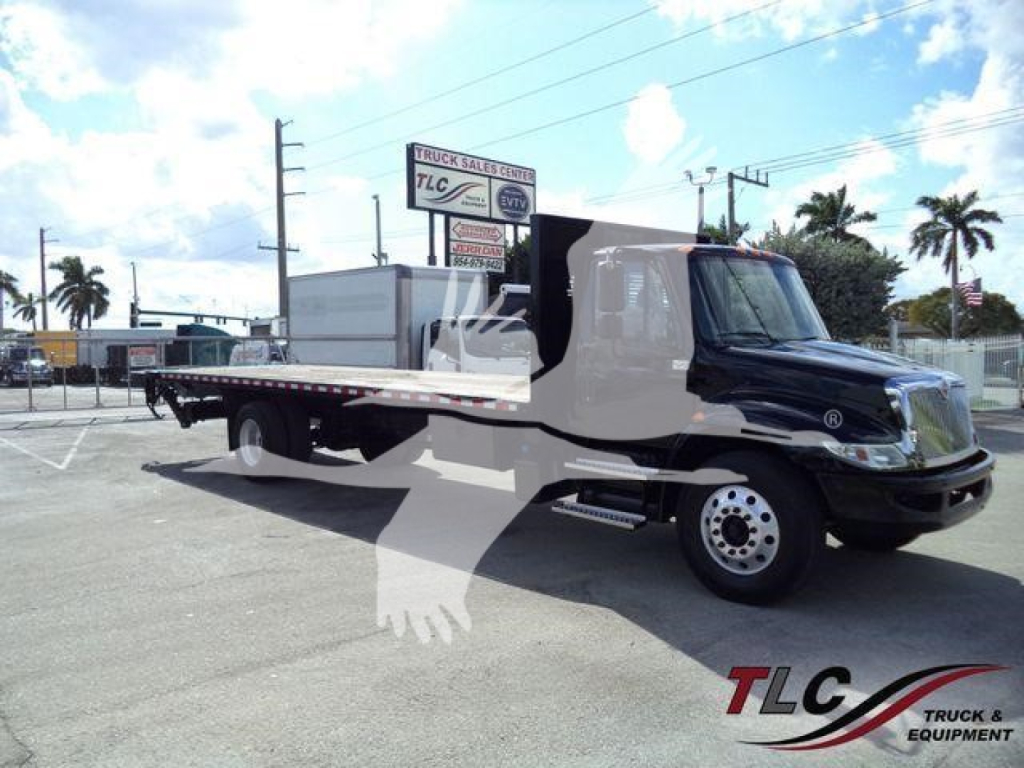
Selling a 2019 flatbed truck? List your 2019 flatbed truck for sale and reach thousands of commercial buyers.
2019 Flatbed Trucks
On used 2019 models, compare ECM mileage and engine hours with maintenance records, then inspect DPF service documentation, DEF faults, deck crossmembers, body mounts, brakes, and suspension. Road salt in northern US states and Canada warrants close examination of frame corrosion and wiring connectors. Confirm axle-weight and dimension limits for each operating jurisdiction, not just the chassis rating. For a 2019 truck sold as new, confirm body specifications, storage condition, original in-service date, and chassis and body warranty coverage; qualifying new heavy trucks may incur US federal excise tax of 12%.
Frequently Asked Questions about 2019 Flatbed Trucks
Do I need a CDL to drive a 2019 flatbed truck?
A straight flatbed truck with a GVWR or actual gross weight of 26,001 pounds or more generally requires a Class B CDL in the United States. A lower-rated truck does not require a CDL solely because it has air brakes. Towing, hazardous materials, and other operating details can change licensing requirements. Canadian licence classes and air-brake endorsements are set by each province or territory.
Can I add a crane to a 2019 flatbed truck?
A crane installation requires adequate chassis capacity, approved mounting, and an engineered stability assessment, not just spare deck space. On a 2019 flatbed truck, verify frame suitability, axle loading, transmission PTO provisions, and hydraulic requirements before choosing the crane. Outriggers and reinforcement add empty weight and reduce freight payload. Follow chassis and crane manufacturer instructions rather than welding mounts directly to frame rails without approval.
Can a 2019 diesel flatbed truck operate in California?
Yes, a 2019 diesel flatbed with its original emissions-compliant engine generally meets the California Truck and Bus Regulation's 2010-or-newer engine requirement. Covered heavy-duty vehicles over 14,000 pounds GVWR can also require Clean Truck Check registration and emissions testing, including trucks registered outside California. Verify engine labeling, intact aftertreatment equipment, and applicable CARB compliance status before assigning California routes.
How much tiedown capacity do I need on a flatbed truck?
Under US FMCSA rules, the aggregate working load limit of tiedowns securing cargo must be at least half the cargo weight. A 2019 flatbed truck also needs sufficient tiedown numbers and placement for the load's length, blocking, and cargo type. Inspect anchor ratings as well as chains or straps; a headache rack does not replace required securement. Canadian operations must follow the applicable provincial cargo-securement requirements.
How can I tell whether a used 2019 flatbed truck spent much of its life idling?
ECM total engine hours and idle hours provide better evidence of stationary use than mileage alone on a used 2019 flatbed truck. Divide recorded miles by total engine hours to assess average operating speed, then compare that result with service records and the reported duty cycle. Low average speed can also indicate urban delivery work, so review available PTO-hour data and regeneration history before drawing conclusions.