
2005 Flatbed Trucks For Sale in New York
Shop 2005 flatbed trucks for hauling building materials, equipment, and palletized freight. Compare deck size, GVWR, axle ratings, and body specs.
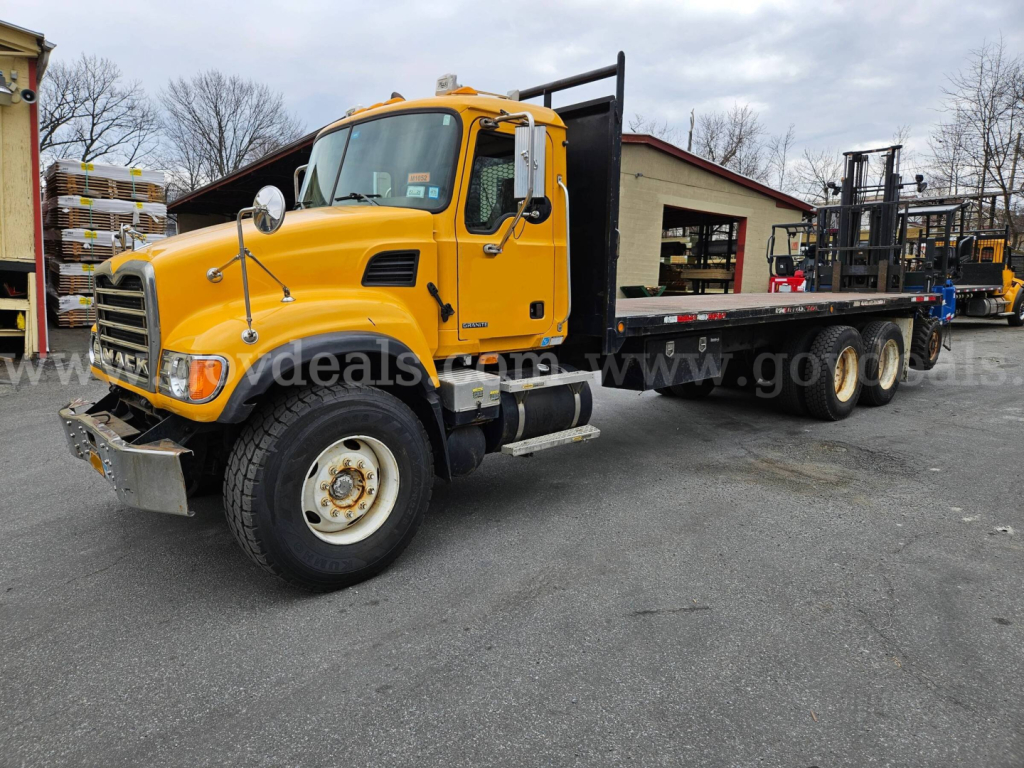
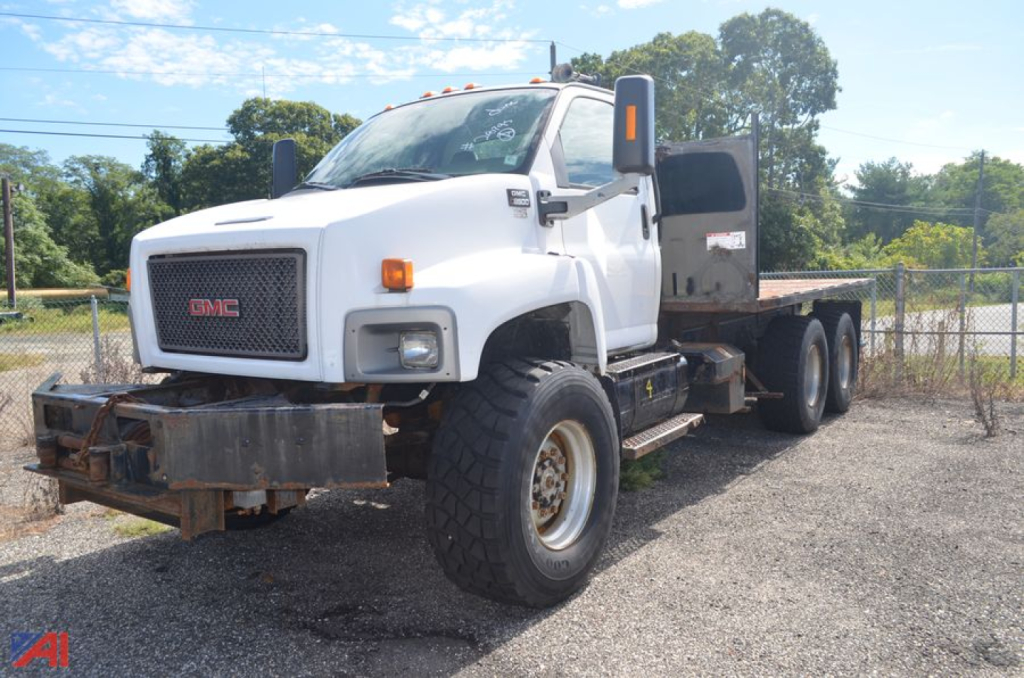
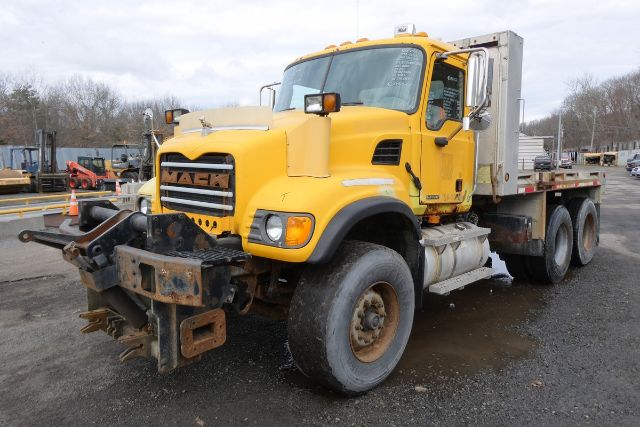
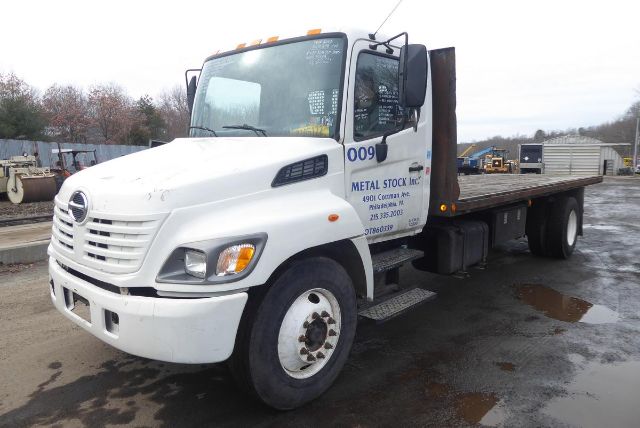
Have 2005 flatbed truck to sell? List it here to reach thousands of buyers.
2005 Flatbed Trucks in New York
The first decisions usually come down to deck length, weight rating, and frame layout. A typical 2005 flatbed in this segment may carry a 21-foot to 24-foot body, with wood or steel flooring depending on the intended cargo. Wood floors are easier to repair and generally kinder to finished material, while steel floors hold up well under concentrated loading and hard-use environments. Buyers should compare cab-to-axle measurement to body length, confirm whether the truck is single frame or double frame, and look closely at rear axle capacity, suspension type, and brake system. Air brakes are common on heavier units, while some lighter trucks in this age range may still use hydraulic brakes.
Powertrain choices on 2005 flatbed trucks vary widely by brand and duty class, but many use diesel engines in the 200 to 330 horsepower range paired with 5-speed, 6-speed, or 10-speed manual transmissions. Rear axle ratios have a major effect on road speed, startability, and suitability for mixed highway and local delivery work. A 4.11 ratio is common on medium-duty delivery applications, while deeper ratios are more common on heavier vocational trucks that spend more time under load. In New York, operating conditions often favor rust-conscious buyers, so frame condition, crossmember integrity, bed corrosion, brake line condition, and the state of the headache rack, tie-down gear, and underside should be inspected carefully.
Body equipment matters as much as the chassis. Buyers should check for rub rails, stake pockets, ratchets and straps, forklift package capability, lift axle setup on heavier trucks, and optional hydraulic liftgates if dock access is inconsistent. A 2005 flatbed truck can still be a strong value when the deck is sound, the frame matches the intended payload, and the wheelbase is correct for the body. The best choice is usually the truck with the right axle ratings, body length, and securement setup for the lanes and loads it will handle every week, not simply the highest horsepower or longest deck.
Frequently Asked Questions about 2005 Flatbed Trucks in New York
What should I check first on a 2005 flatbed truck?
Start with GVWR, rear axle rating, wheelbase, and cab-to-axle measurement because those numbers determine what the truck can realistically carry and whether the body is matched correctly to the chassis. After that, inspect frame condition, bed floor wear, crossmembers, headboard strength, tie-down equipment, brake type, and suspension. On a 2005 model, overall condition is usually more important than brand alone.
What deck length is common on a 2005 flatbed truck?
Many 2005 flatbed trucks use bodies in the 21-foot to 24-foot range, especially in medium-duty and regional delivery applications. Shorter decks are easier to maneuver in urban work, while 24-foot bodies give more flexibility for building materials, machinery, and mixed pallet freight. The right length depends on turning space, legal weight distribution, and how often the truck needs to carry long or irregular loads.
Is a wood floor or steel floor better on a flatbed truck?
A wood floor is often preferred for general freight and building materials because it is easier to repair and provides a better surface for certain loads. A steel floor is usually favored for rough service, concentrated point loads, and harder vocational use, but it can show corrosion and impact damage more clearly over time. The better choice depends on the cargo type, loading method, and how important floor replacement cost is to the operation.
Are 2005 flatbed trucks good for New York operations?
They can be, but buyers in New York should pay close attention to corrosion and structural condition. Road salt can affect frames, brake components, fuel tanks, wiring, bed supports, and liftgate assemblies. A solid 2005 truck with a clean frame, dependable driveline, and usable deck can still work well in local and regional service, but rust inspection is critical before purchase.
What features make a flatbed truck more versatile?
Rub rails, stake pockets, a strong headache rack, multiple securement points, and a properly sized deck make the biggest difference in day-to-day usability. On heavier trucks, a lift axle can help with legal weight distribution, and a forklift package can expand jobsite delivery capability. A liftgate is useful when freight moves to locations without dock access, but it should be checked closely for function, capacity, and structural condition.