
2005 Flatbed Trucks For Sale
Shop 2005 flatbed trucks for hauling, delivery, construction, and equipment transport. Compare deck sizes, GVWR, diesel power, and body setups.
Have 2005 flatbed truck to sell? List it here to reach thousands of buyers.
2005 Flatbed Trucks
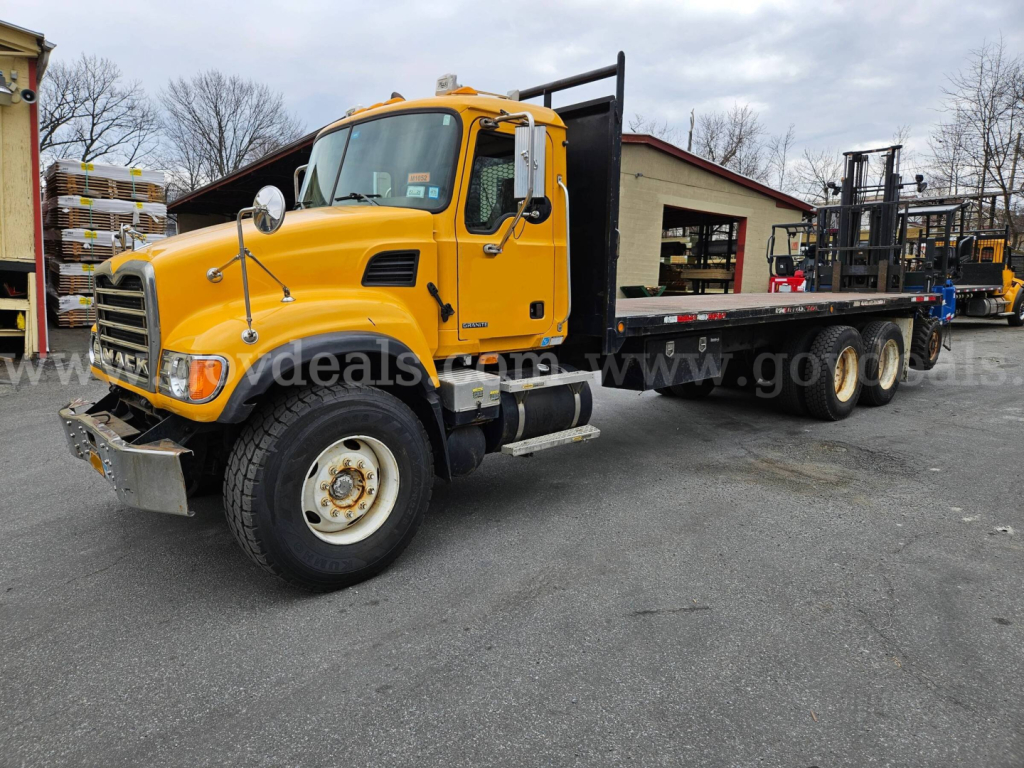
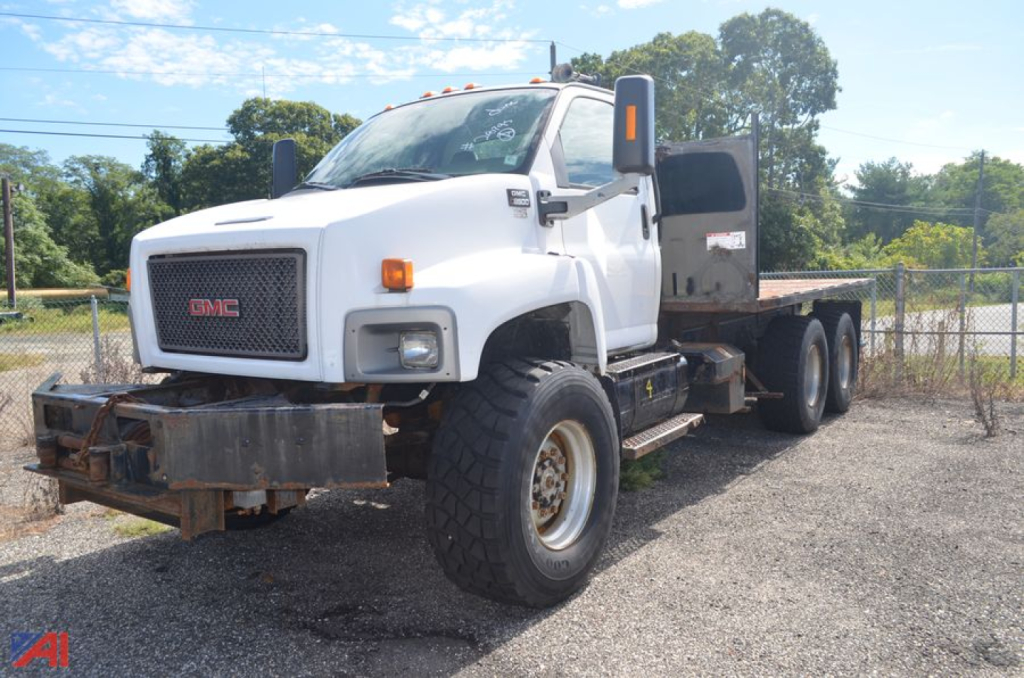
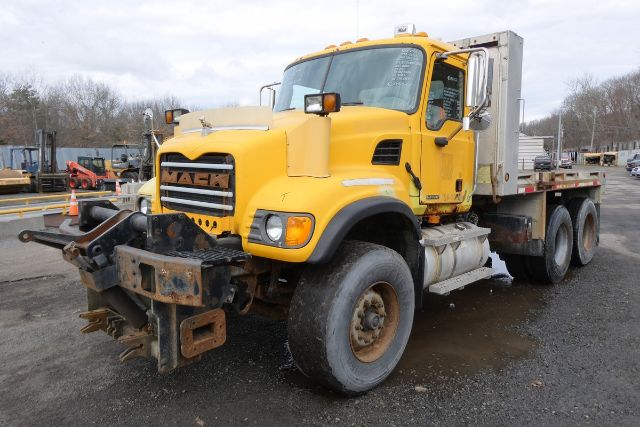
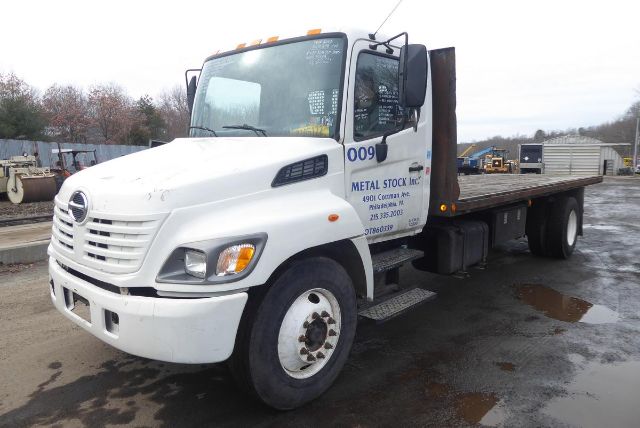
The first buying decision is usually chassis size and GVWR. A 2005 flatbed can range from pickup-based cab and chassis models up to Class 6 and Class 7 trucks, so payload expectations matter more than appearance. Common body lengths run from about 10 to 24 feet, with steel beds favored for rugged job-site use and aluminum beds preferred when weight savings and corrosion resistance matter. Buyers should pay attention to deck width, stake pockets, rub rails, tie-down points, headache racks, underbody toolboxes, and whether the truck has a dovetail or ramps for hauling machines. If the truck will carry bundled material or loose job-site cargo, side kits, mesh bulkheads, and cargo securement layout become just as important as engine choice.
On a 2005 model, powertrain condition and service history should carry more weight than brand loyalty. Many trucks from this era were built with durable diesel engines and straightforward emissions systems compared with later equipment, which can be attractive for operators who want simpler maintenance. Transmission choice often comes down to use case: automatics are common in stop-and-go municipal or contractor service, while manuals may appeal to buyers focused on control and lower replacement cost. Rear axle ratio, spring capacity, wheelbase, and brake type all affect how well the truck handles a loaded flatbed body. If the truck has a liftgate, crane, compressor, or PTO-driven equipment, verify that the chassis specs match the body and accessory demands.
A careful inspection matters more on a 2005 flatbed because bed condition can reveal how the truck was used. Check the frame for corrosion, previous repairs, and signs of overloading. Inspect the deck surface, crossmembers, outriggers, bulkhead, and mounting points for cracks or poor weld repairs. Uneven tire wear, spring sag, and loose steering components can point to hard vocational service. Buyers comparing listings should also confirm cab-to-axle measurement, actual body manufacturer, title status, and whether the truck's configuration matches current hauling requirements. A well-matched 2005 flatbed truck can still be a cost-effective work platform when the chassis, body, and payload needs are aligned.
Frequently Asked Questions about 2005 Flatbed Trucks
What should I look for first when buying a 2005 flatbed truck?
Start with GVWR, wheelbase, and body length because those determine whether the truck can legally and safely handle your intended load. After that, focus on engine and transmission condition, maintenance records, frame integrity, and bed structure. On an older flatbed, corrosion, cracked crossmembers, worn suspension parts, and signs of repeated overloading can matter more than cosmetic appearance.
Are 2005 flatbed trucks good for equipment hauling?
They can be, but the setup matters. A flatbed with a dovetail, spring-assisted ramps, proper tie-down points, and the right axle ratings is better suited for moving skid steers, compact tractors, or small machines. Buyers should confirm payload capacity, deck length, rear suspension condition, and brake performance before using a 2005 flatbed for equipment transport.
What is the difference between a flatbed truck and a stake bed truck?
A flatbed truck has an open platform body designed for easy side and top loading. A stake bed truck is a flatbed fitted with removable stakes or side panels to help contain cargo. Many trucks are described both ways because the base body is similar, and the removable sides change how the truck handles palletized material, loose supplies, or job-site deliveries.
Is a steel or aluminum flatbed better on a 2005 truck?
Steel beds are typically preferred for heavy contractor work because they handle abrasion, point loads, and hard use well. Aluminum beds reduce body weight, improve corrosion resistance, and can leave more available payload on lighter chassis. The better choice depends on the cargo, operating environment, and whether durability or weight savings is the higher priority.
Why do buyers still consider 2005 flatbed trucks?
Many buyers look at 2005 models because they can offer a lower acquisition cost and, in some cases, simpler diesel and electrical systems than newer trucks. For local hauling, yard support, maintenance departments, and seasonal contracting work, an older flatbed can still provide solid value if the frame, drivetrain, and body have been properly maintained.