
2000 Flatbed Trucks For Sale in New York
Compare 2000 flatbed trucks for sale in New York by payload, axle ratings, frame corrosion and engine condition before choosing a work-ready chassis.
Have 2000 flatbed truck to sell? List it here to reach thousands of buyers.
2000 Flatbed Trucks in New York
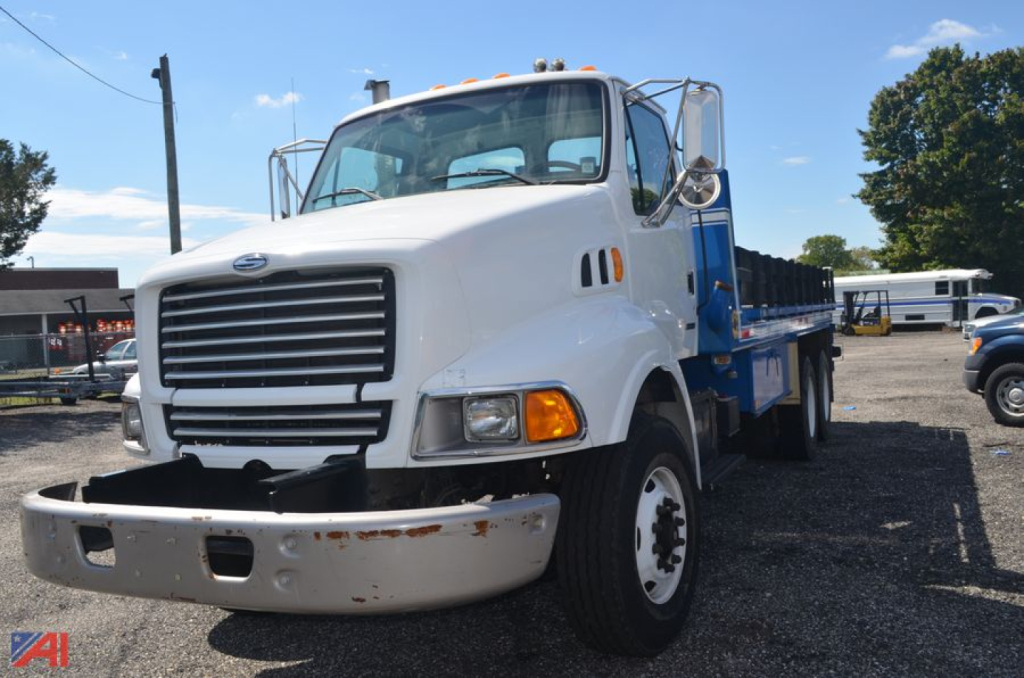
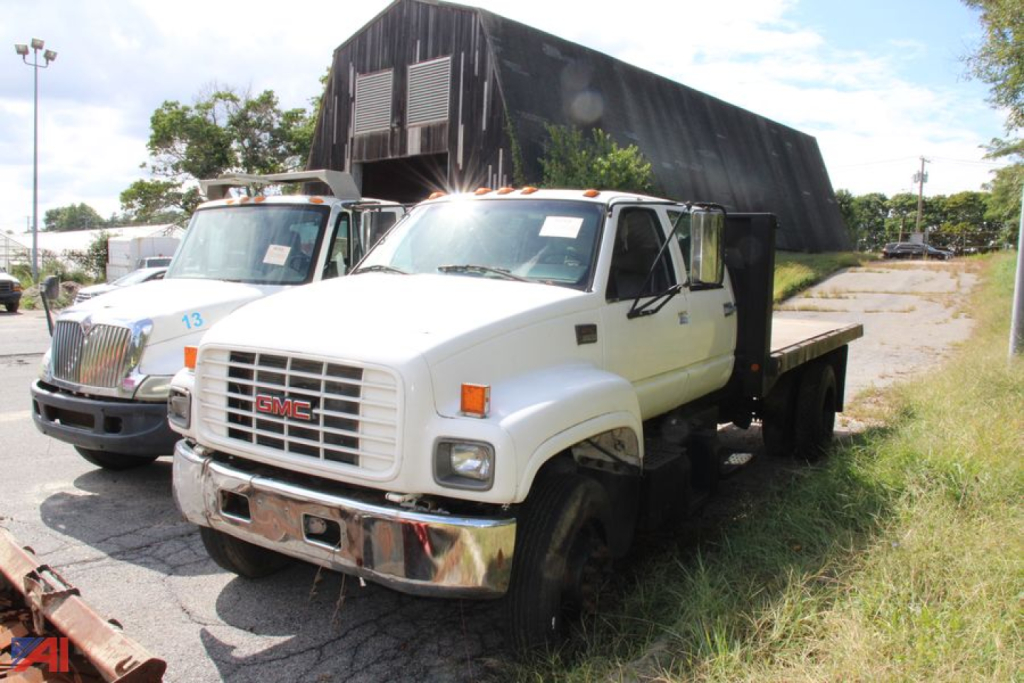
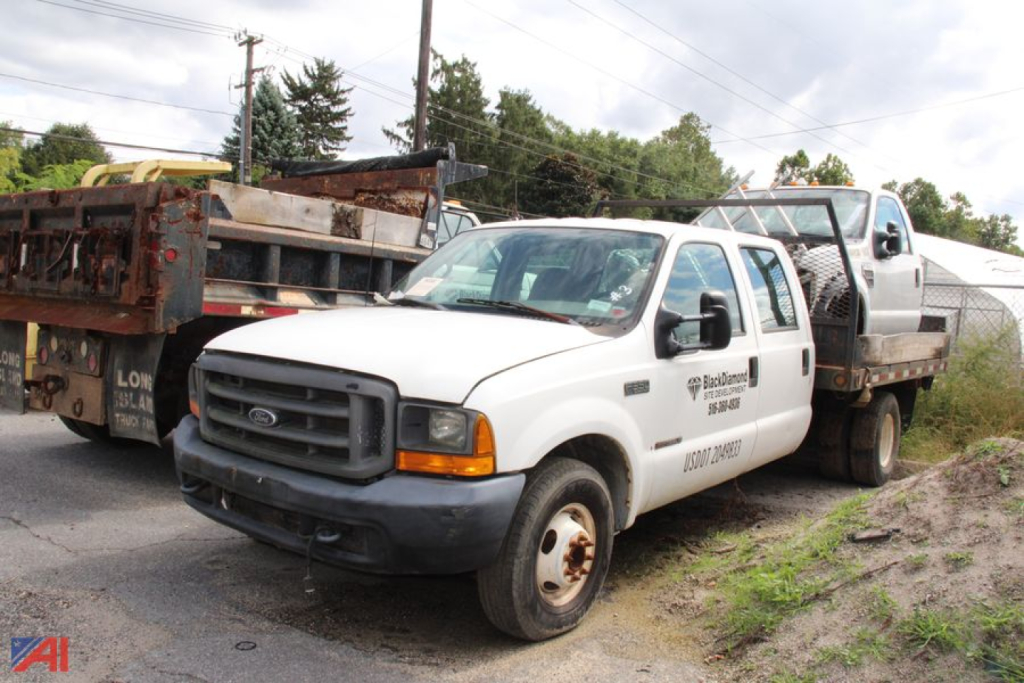
Payload starts with the chassis ratings and actual empty weight, not deck length. Ford F-350 Super Duty chassis of this era include gasoline and 7.3L Power Stroke diesel configurations suited to lighter contractor and farm loads. Medium-duty GMC C-series and heavier Sterling vocational chassis represent larger platform-truck configurations for building materials, machinery and municipal work. Across makes, compare GVWR, individual axle ratings, tire capacity, wheelbase and loaded rear-axle weight. A tandem rear axle supports a different loading pattern than a single axle, while transmission gearing and axle ratio should match highway travel, frequent stops or low-speed site work.
A used flat deck truck needs a structural inspection underneath the body, not just a walk across the deck. Check crossmembers, mounting brackets, wood rot, steel-deck thinning, stake pockets and rated cargo anchors. Review maintenance records and available ECM mileage or hours, then verify cold starting, cooling-system condition, transmission operation and brake performance under load. Inspect PTO-driven equipment separately if fitted. A newly installed body or genuinely unused chassis still needs age-related inspection and written confirmation of which components have warranty coverage.
New York construction, landscaping, agriculture and municipal maintenance put different demands on deck height and access. Removable sides help contain loose materials, while machinery requires suitable ramps or separate loading equipment and adequate securement points. Plan routes around commercial-vehicle restrictions on many parkways, posted bridge clearances and New York City truck-route requirements. Upstate grades and winter traction also affect gearing and tire choices. Confirm legal axle and gross weights for the intended roads rather than treating the manufacturer's GVWR as permission to carry that weight everywhere.
Frequently Asked Questions about 2000 Flatbed Trucks in New York
Do I need a CDL to drive a 2000 flatbed truck in New York?
A straight flatbed truck with a GVWR or actual gross weight of 26,001 pounds or more generally requires a Class B CDL in New York. A qualifying combination rated or weighing at least 26,001 pounds generally requires Class A when the towed vehicle exceeds 10,000 pounds. Air brakes alone do not establish the CDL weight threshold, but a CDL driver needs the proper air-brake qualification. Agricultural and other exemptions have specific conditions.
Can a 2000 flatbed truck carry a rear-mounted forklift?
A rear-mounted forklift requires an engineered mounting system and a loaded axle-weight calculation for the flatbed truck. Forklift weight carried behind the rear axle adds leverage, increasing rear-axle loading while reducing weight on the steering axle. Check the chassis manufacturer's limits, frame extensions, body mounting and tire ratings. Weigh the truck with the forklift, fuel, driver and intended cargo aboard before approving the configuration.
What should I inspect on a 2000 Ford flatbed with the 7.3L diesel?
Cold starting and high-pressure oil-system health are key checks on a 2000 Ford flatbed with the 7.3L Power Stroke. Request a genuinely cold start and a diagnostic scan, then investigate extended cranking, uneven running or loss of power. The engine's HEUI injectors depend on engine oil quality and pressure. Check glow-plug operation, injector electrical connections and service records before attributing a starting problem to worn injectors.
Should I replace old tires on a low-mileage 2000 flatbed truck?
Low mileage does not make aged flatbed-truck tires safe; inspect each tire's DOT date code and follow the tire manufacturer's age guidance. Sidewall cracking, weathering, bulges and separation require attention even when tread depth looks good. Inspect inner duals and spare tires as carefully as the visible tires. Confirm that replacements provide the required load capacity at the specified inflation pressure and that dual tires are properly matched.
Does a new flatbed body make a 2000 truck a new truck?
A new flatbed body does not turn a used 2000 chassis into a new truck. Confirm chassis mileage, prior registration, body-builder documentation and written warranty terms. The 12% federal excise tax applies to qualifying first retail sales of heavy trucks, while substantial rebuilds can raise separate tax questions. A seller's condition label alone does not establish tax treatment or factory warranty coverage.