
2000 Flatbed Trucks For Sale
Compare 2000 flatbed trucks for sale by payload, deck condition and engine history. Know what to inspect on older chassis before choosing a work truck.
Have 2000 flatbed truck to sell? List it here to reach thousands of buyers.
2000 Flatbed Trucks
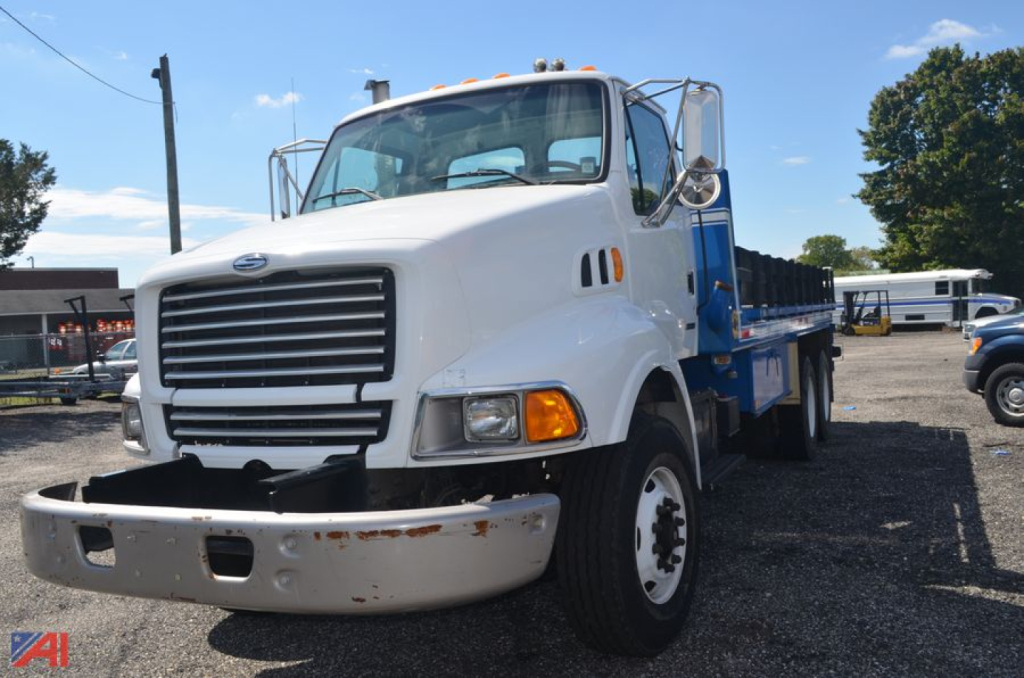
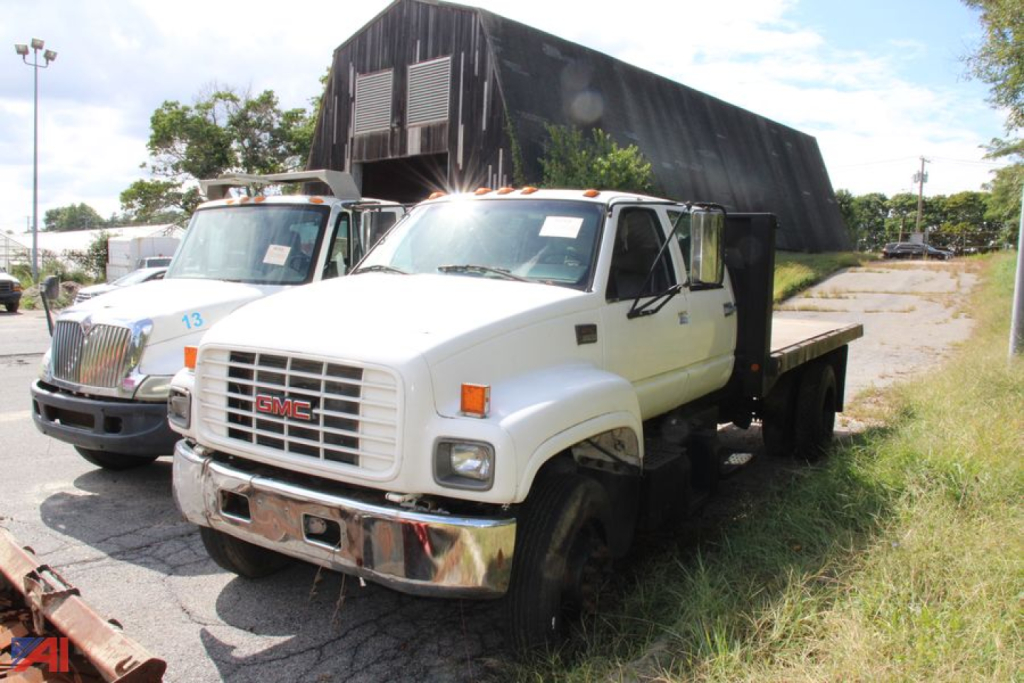
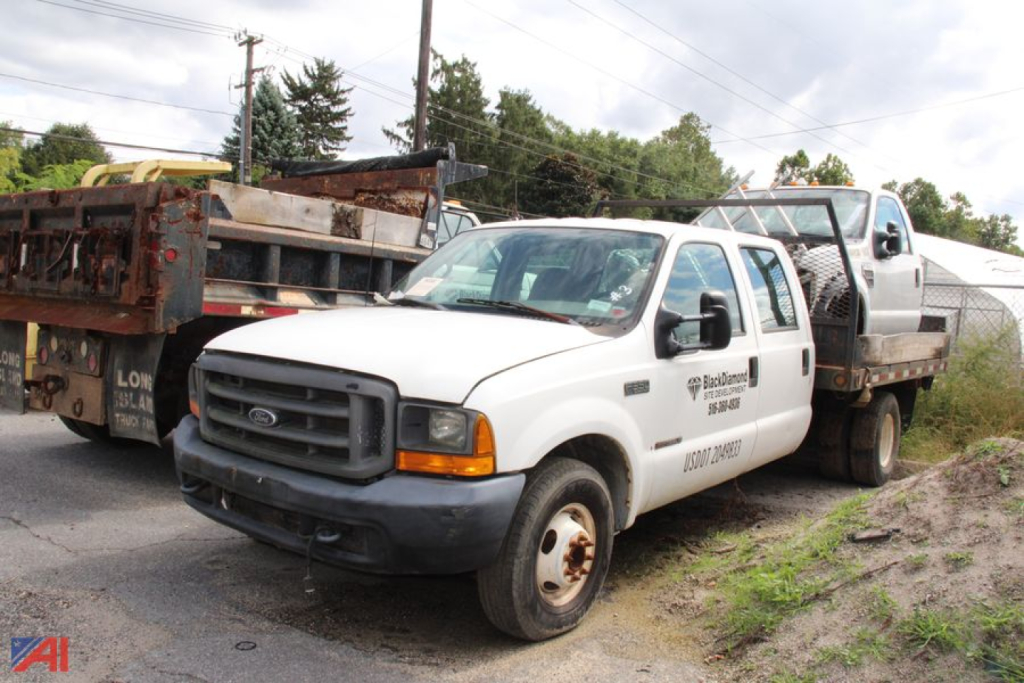
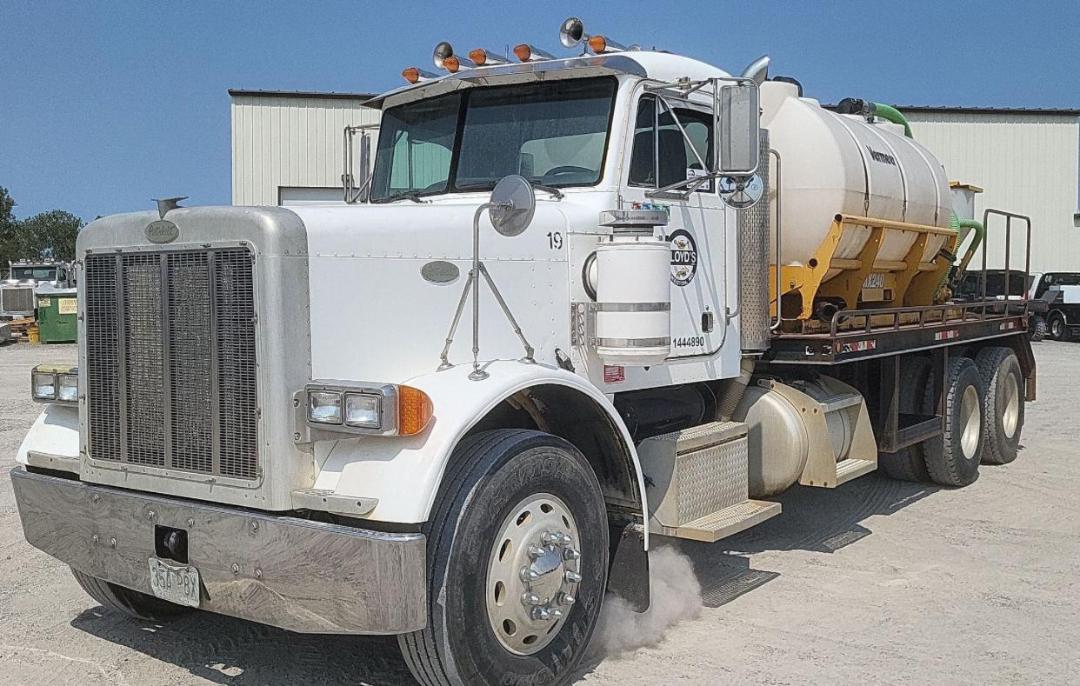
Payload starts with the chassis ratings, not the bed length. Subtract the truck's ready-to-work scale weight from GVWR, then check individual axle ratings, tire capacity and load placement. A 2000 Ford F-350 Super Duty with a 7.3L Power Stroke serves a different duty cycle than a GMC C6500 medium-duty chassis or a tandem-axle Sterling or Peterbilt. Caterpillar C12 power in a heavy chassis and Cummins ISC power in vocational applications illustrate the range within this model year. Match transmission gearing, rear axle ratio and wheelbase to loaded starts, highway travel and delivery-site access.
Deck construction deserves inspection from underneath. Check crossmembers, body mounts, frame rails and rear overhang for corrosion, cracks, loose fasteners and poorly executed repairs. Wood decking can conceal deterioration around bolt holes; steel decks need close examination where water collects between the deck and supports. Stake pockets, rub rails, bulkheads and tiedown points must suit the cargo rather than merely look substantial. Added mixers, toolboxes, cranes or tanks consume payload and can overload an axle even when total truck weight remains below GVWR.
Used examples need a cold start, a loaded road test where practical, maintenance records and an ECM report when supported by the engine. Compare recorded mileage and hours with cab, pedal and driveline wear, and verify rebuild invoices rather than accepting a rebuild claim alone. Inspect cooling-system condition, oil leaks, clutch operation, differential noise, brake components and aged wiring. A new flatbed body does not renew an old chassis warranty. For an unused 2000 chassis, obtain written warranty terms, inspect storage-related deterioration and clarify whether a qualifying first retail sale incurs the US 12% federal excise tax.
Regional operating requirements can rule out an otherwise suitable truck. California buyers must verify diesel eligibility under applicable CARB rules before purchase; an original 2000 heavy-duty diesel should not be assumed compliant. Across the northern United States and Canada, road salt makes brake plumbing, spring hangers, cab mounts and frame corrosion major inspection priorities. Construction access may favor traction and ground clearance, while urban deliveries favor a shorter wheelbase. State and provincial axle-weight limits, registration requirements and bridge restrictions must be checked against the completed truck and its intended loads.
Frequently Asked Questions about 2000 Flatbed Trucks
Do I need a CDL to drive a 2000 flatbed truck?
In the United States, a flatbed truck rated or actually weighing 26,001 pounds or more generally requires a Class B CDL when towing no more than 10,000 pounds. A qualifying combination with a trailer over 10,000 pounds generally requires Class A. Air brakes alone do not establish the CDL requirement, but CDL holders need the appropriate air-brake qualification. Canadian licence classes and air-brake endorsements follow provincial requirements.
Can I operate a 2000 diesel flatbed truck in California?
An original 2000 diesel engine in a flatbed truck over 14,000 pounds GVWR generally does not meet California's Truck and Bus Regulation requirements for ordinary operation. Most covered trucks require a 2010 or newer model-year engine, subject to specific exemptions or approved compliance provisions. Verify the engine emissions label, applicable CARB compliance records and intended use before purchase. Chassis model year alone does not establish compliance.
How do I calculate the payload of a 2000 flatbed truck?
Subtract the flatbed truck's ready-to-work scale weight from its GVWR to establish the initial payload ceiling. For example, a 26,000-pound-GVWR truck weighing 14,000 pounds with driver, fuel and equipment has 12,000 pounds remaining before other limits apply. Weigh each axle separately because rear axle, tire or legal road limits can reduce usable payload. A long deck does not guarantee adequate capacity for concentrated machinery loads.
What should I check on a 2000 Ford 7.3 diesel flatbed before buying?
A hard cold start on a 2000 Ford 7.3L Power Stroke flatbed warrants checks of the glow-plug system, cranking speed and high-pressure oil system. Request a genuinely cold start rather than inspecting an already warmed engine. Check for fuel leaks around the fuel bowl, oil leaks and injector-related diagnostic codes. Engine oil condition matters because the injection system uses high-pressure engine oil to operate the injectors.
How much tiedown capacity do I need for cargo on a flatbed truck?
For US commercial operation, the aggregate working load limit of tiedowns securing flatbed cargo must generally equal at least half the cargo's weight. A 10,000-pound load therefore needs at least 5,000 pounds of effective aggregate working load limit, plus the required tiedown count and placement. Attachment method affects the calculation, and commodity-specific rules may apply. Canadian operators should verify provincial cargo-securement requirements rather than assuming every US provision applies unchanged.