
Used 2022 Dump Trucks For Sale
Shop used 2022 dump trucks for hauling gravel, asphalt, debris, and snow. Compare body style, axle setup, GVWR, PTO, and hoist specs.
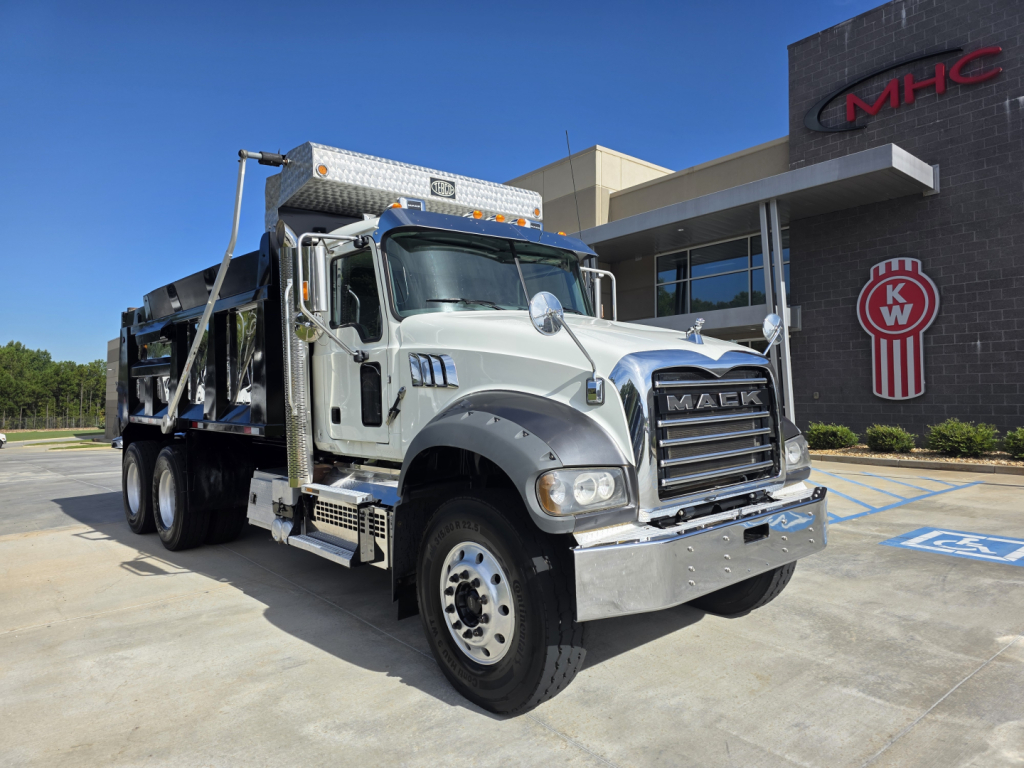
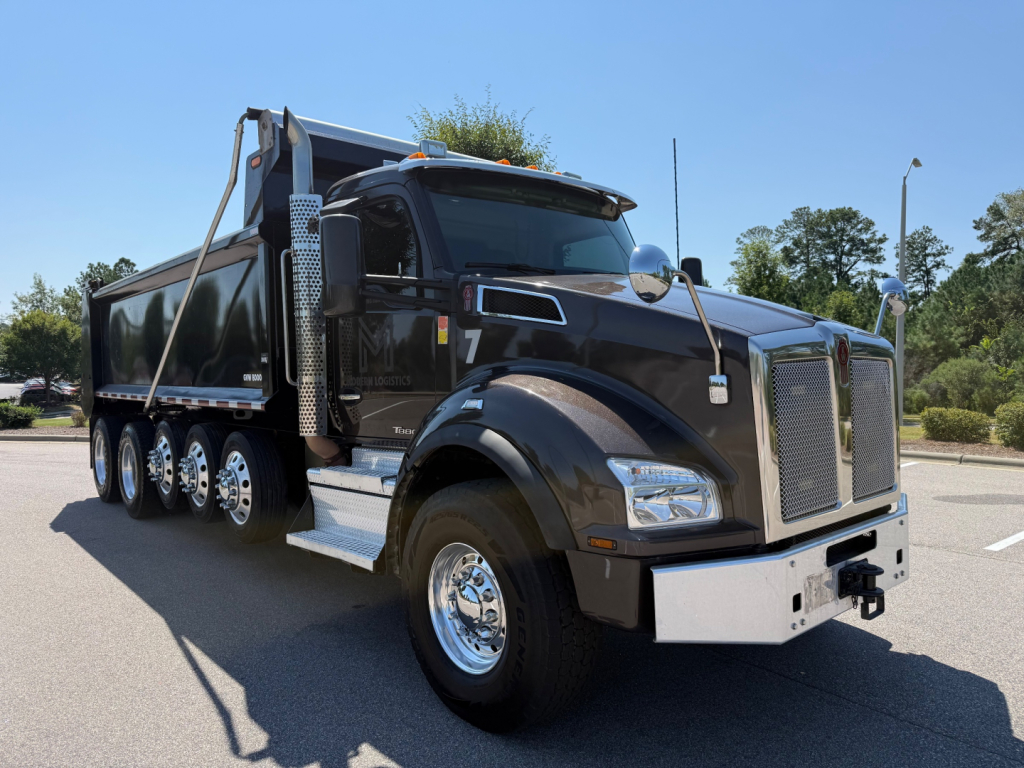
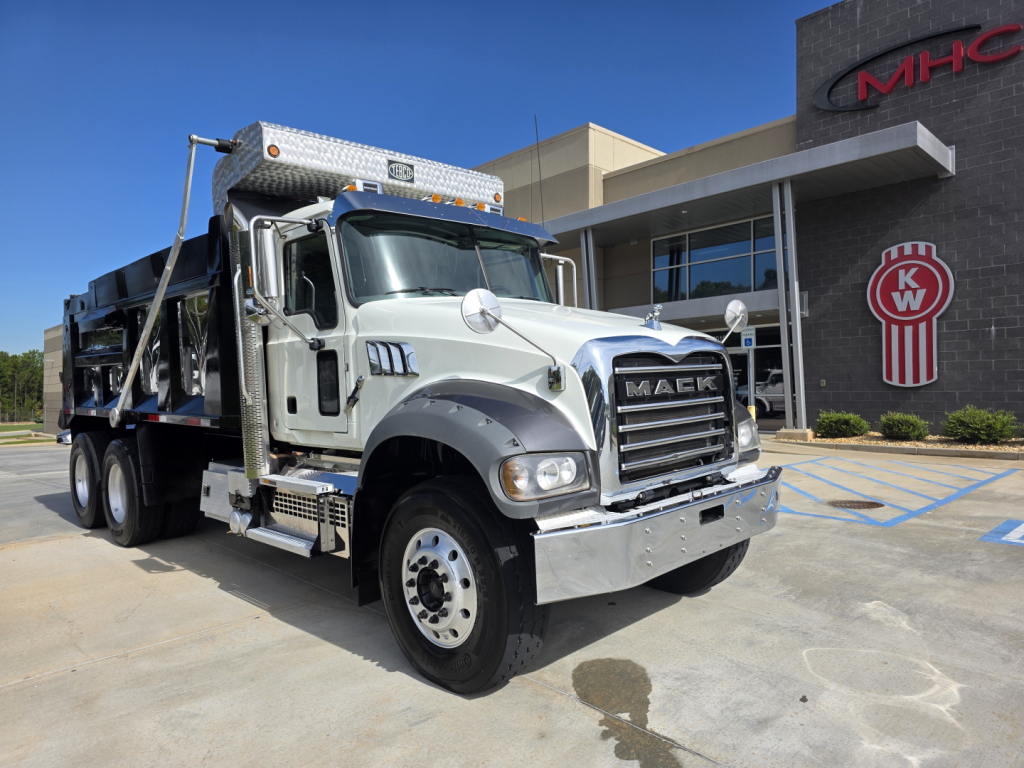
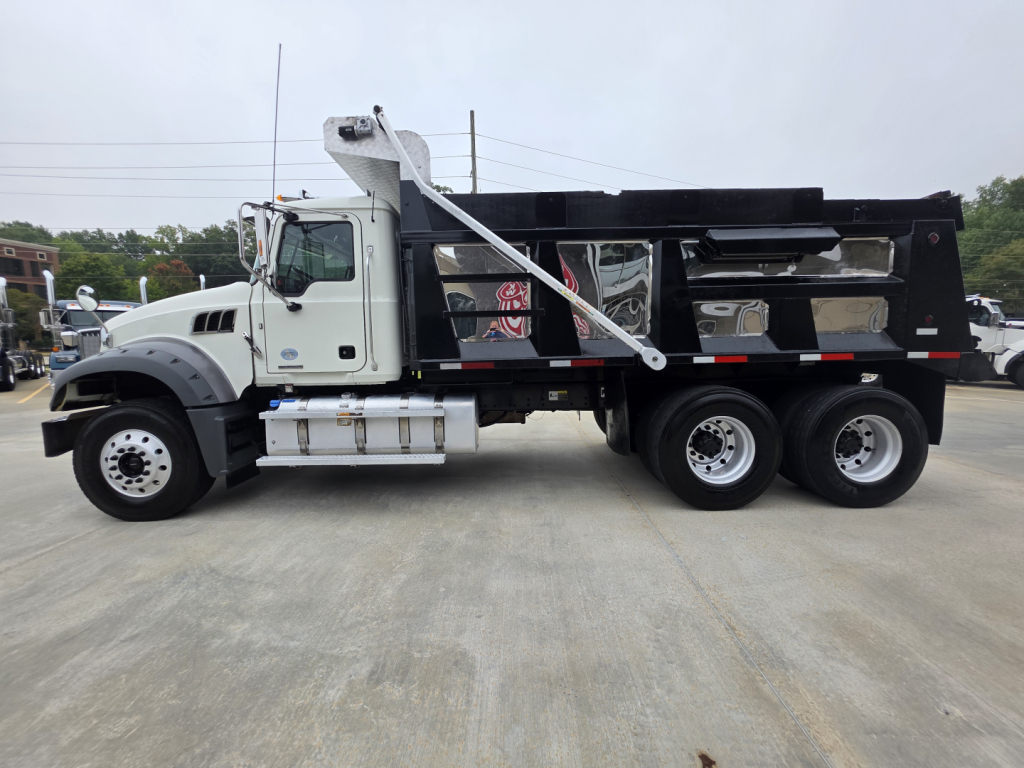
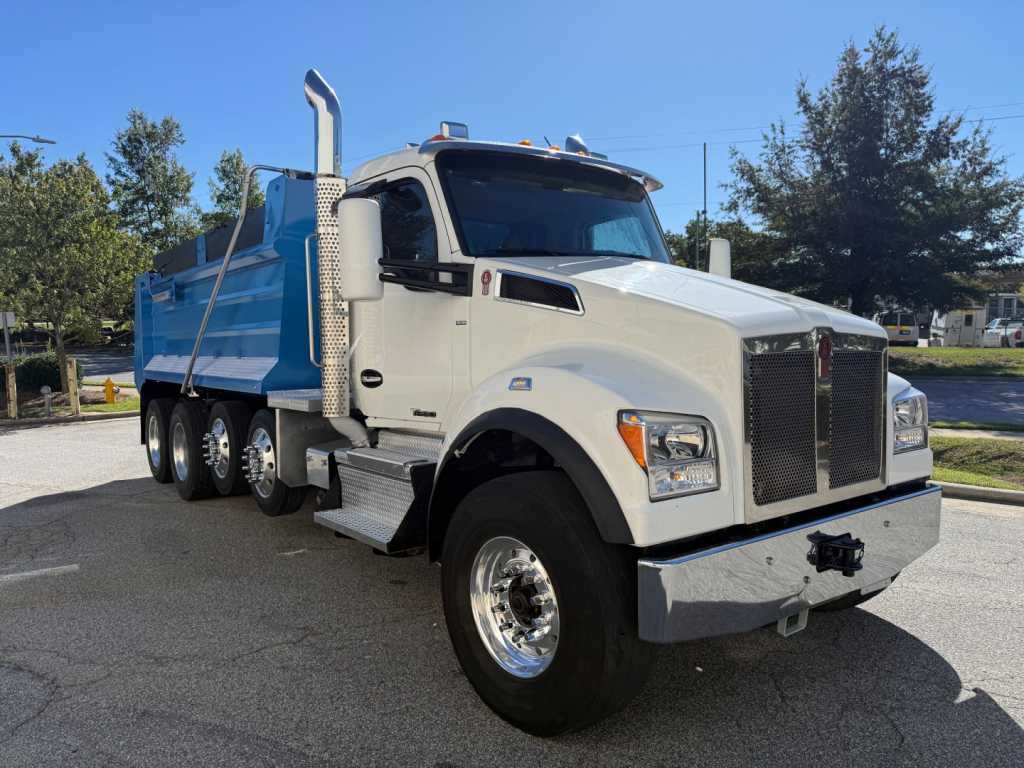
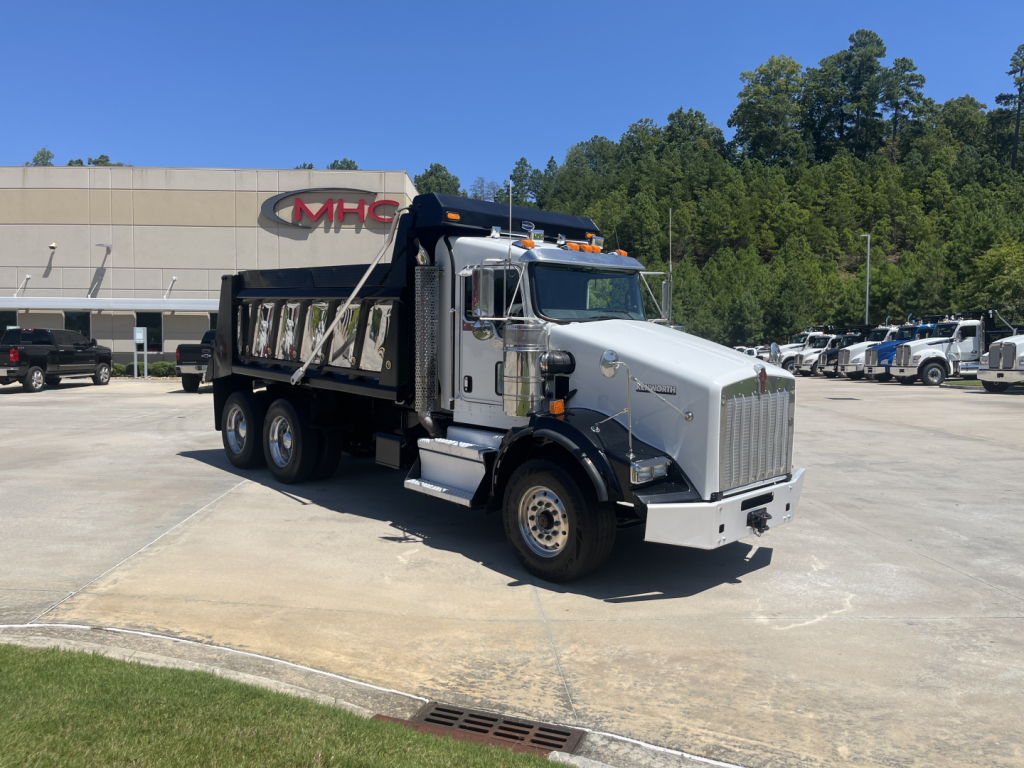
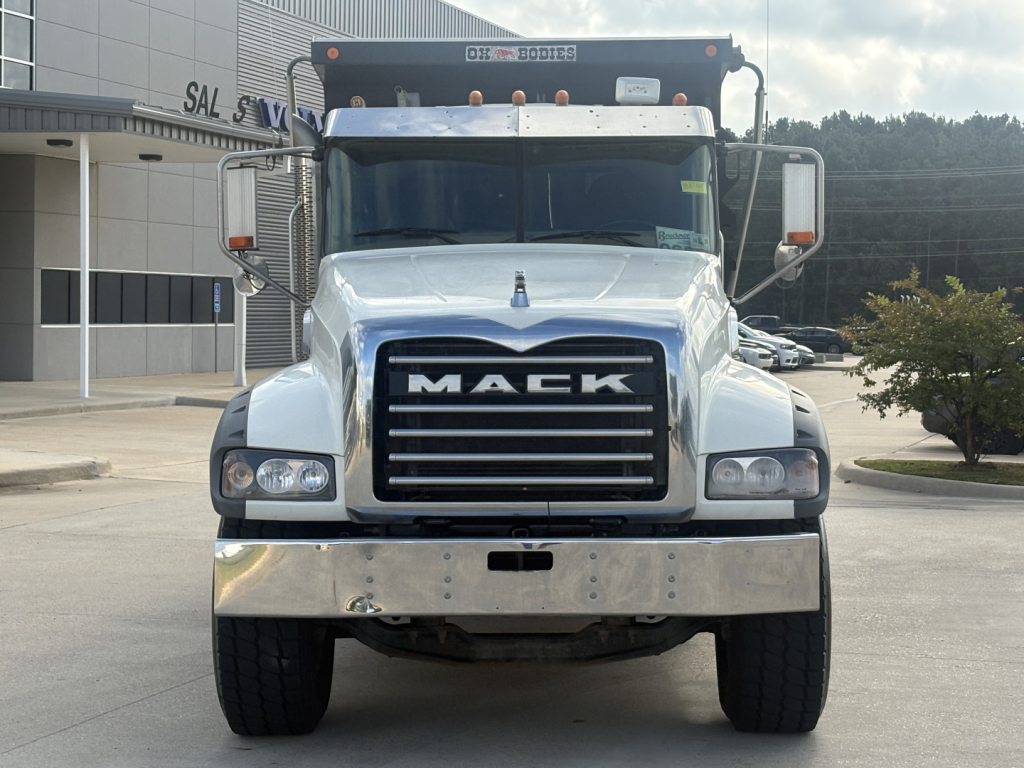
Selling a used 2022 dump truck? List your used 2022 dump truck for sale and reach thousands of commercial buyers.
Used 2022 Dump Trucks
Frequently Asked Questions about Used 2022 Dump Trucks
What should I look at first on a used 2022 dump truck?
Start with the truck’s intended payload and jobsite conditions, then match that to axle rating, suspension, body length, and hoist design. A dump truck that spends its time on paved municipal routes has different needs than one hauling stone out of a pit. Check the front axle rating, rear axle capacity, GVWR, wheelbase, and body material first, then confirm the PTO and hydraulic system are sized correctly for the body. On a 2022 model, service history, emissions maintenance, and body condition are just as important as mileage.
What is the difference between a tandem dump truck and a tri-axle dump truck?
A tandem dump truck typically has one steer axle and two rear axles, making it a common choice for general construction and material hauling. A tri-axle dump truck adds a lift axle or pusher axle to increase legal payload and improve weight distribution. Tri-axles often make more sense for heavier aggregate work, but they also add complexity, more tires, and more components to maintain. Buyers should confirm bridge-law compliance and local weight regulations before deciding which setup fits their routes.
Are steel or aluminum dump bodies better?
Steel dump bodies are generally preferred for demolition, riprap, asphalt, and other abrasive or impact-heavy material because they handle abuse better. Aluminum bodies reduce tare weight and can improve payload, which matters when hauling lighter bulk materials where legal weight and fuel economy are priorities. Many buyers still prefer steel or half-round steel bodies for severe-duty work because floor life, sidewall durability, and tailgate strength matter more than weight savings in rough service.
What body and hoist features matter most on a used dump truck?
Look closely at body length, side height, floor thickness, tailgate style, and tarp system. High-lift gates, barn doors, air-operated tailgates, and coal chutes each suit different materials and unloading methods. For the hoist, confirm whether the truck uses a telescopic front-mount cylinder or scissor hoist, and inspect for leaks, twist, cracked mounts, and slow cycle times. PTO engagement, pump condition, hydraulic tank mounting, and control operation should all be checked before purchase because dump performance depends on the full hydraulic system, not just the body.
Do used 2022 dump trucks usually have automatic transmissions?
Many do, especially in municipal, fleet, and mixed-driver applications. Automated manual transmissions and fully automatic transmissions are both common in newer dump truck specs because they reduce driver fatigue and help with stop-and-go work. That said, transmission choice should match the job. Severe-duty hauling, off-road grades, and PTO-driven applications may still be better served by a specific transmission setup, rear ratio, and engine brake package. Buyers should verify how the truck was spec’d and how that spec aligns with the terrain, load cycle, and driver experience level.