
Used 1995 Dump Trucks For Sale in New York
Browse used 1995 dump trucks for sale in New York. Compare body style, axle setup, PTO hydraulics, GVWR, and municipal-ready specs.
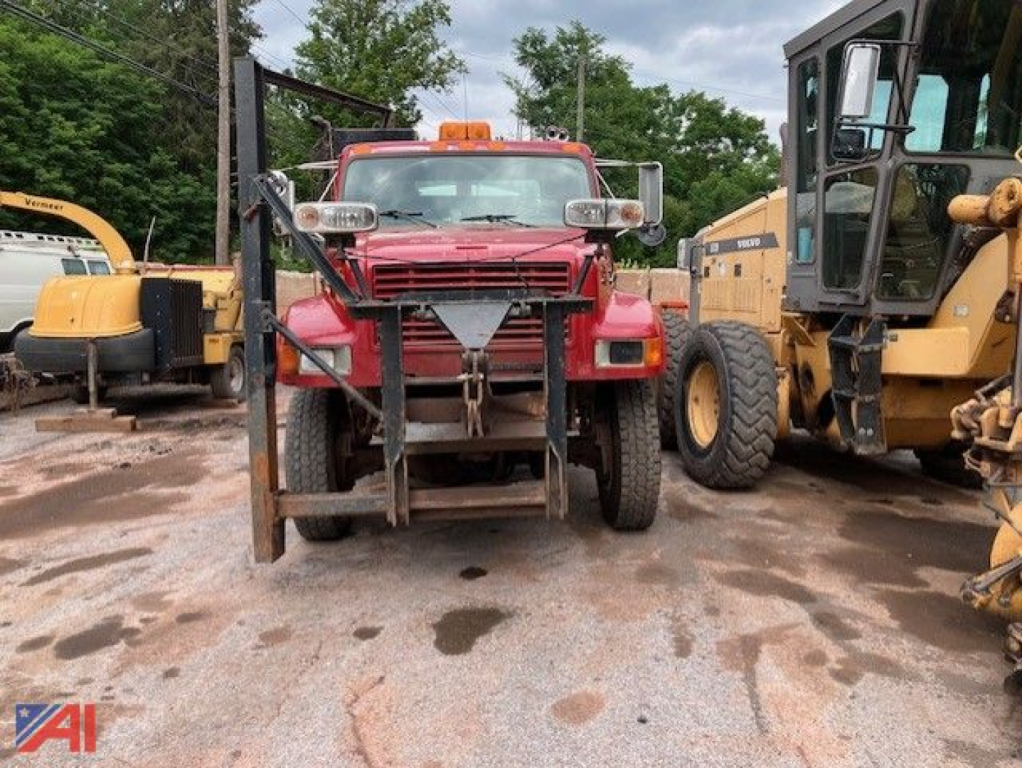
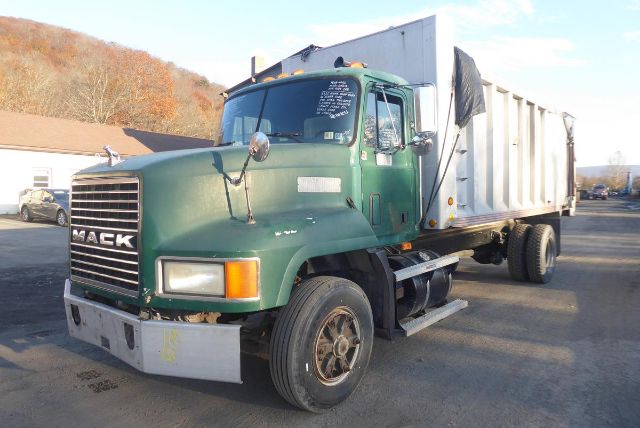
Have used 1995 dump truck to sell? List it here to reach thousands of buyers.
Used 1995 Dump Trucks in New York
Spec decisions on a 1995 dump truck usually start with GVWR, axle configuration, and body type. Common setups include single-axle dumps for tighter jobsites and local hauling, along with tandem-axle trucks for heavier aggregate, asphalt, demolition debris, or municipal plow and spreader work. Typical bodies are steel for abrasive material and hard use, while some municipal units may carry stainless bodies for salt resistance. Buyers should look at side height, floor thickness, tailgate style, hoist design, and whether the truck uses a single-cylinder, telescopic, or scissor lift arrangement. A functioning PTO and wet kit are essential, especially if the truck also runs plows, spreaders, underbody scrapers, or other hydraulic attachments.
On trucks of this age, powertrain condition needs to be evaluated as a complete package. Many 1995 dump trucks were spec'd with mechanical or early electronic diesel engines, manual transmissions from Fuller or similar suppliers, and vocational rear ratios designed for low-speed pulling power rather than highway efficiency. Check transmission operation under load, clutch wear, differential noise, spring or air suspension condition, brake type, and tire size availability. A dump truck that starts easily and drives well can still need expensive reconditioning if the hoist is weak, the body is twisted, the kingpins are loose, or the frame has heavy scale. On municipal trucks, inspect plow gear, front frame extensions, central hydraulics, spreader controls, and any signs of hard winter service.
The right used 1995 dump truck is usually the one with honest structure, usable hydraulics, and a spec that matches the job. For landscaping, small excavation, and local material delivery, a shorter wheelbase single-axle truck can be easier to maneuver and cheaper to maintain. For road crews, quarry work, and heavier payload demands, tandem dumps with heavier suspensions and vocational gearing are more appropriate. Maintenance records, current brake and tire condition, hoist performance, and body integrity should carry more weight than paint or low advertised miles on a truck that may have spent years idling, plowing, or working off-road.
Frequently Asked Questions about Used 1995 Dump Trucks in New York
What should I inspect first on a used 1995 dump truck in New York?
Start with rust and structural integrity. On a 1995 dump truck, frame rails, crossmembers, spring hangers, cab mounts, hoist mounts, body sills, and the dump body subframe are critical inspection points. New York service often means exposure to road salt, snow equipment, and repeated winter use, so corrosion can be more costly than normal engine repairs. After structure, confirm that the PTO engages properly, the hoist lifts smoothly, the tailgate functions correctly, and the hydraulics do not leak or chatter under load.
Are 1995 dump trucks usually better with manual or automatic transmissions?
Most buyers in this age range prefer a manual transmission if durability, lower repair cost, and drivetrain simplicity are the main priorities. Many 1995 dump trucks were built with Fuller manual transmissions that are well understood in vocational service. An automatic can be useful for stop-and-go municipal work or less experienced operators, but on an older truck the condition of the transmission matters more than the type. A clean-shifting manual with a healthy clutch is often easier to justify than an automatic with uncertain service history.
What body and hoist features matter most on an older dump truck?
Body condition and hoist operation are central to value. Buyers should inspect floor wear, sidewall condition, tailgate hinges, latch function, and signs of twisting or poor past repairs. Steel bodies are common for heavy aggregate and demolition use, while stainless bodies are desirable for salt and anti-icing applications. On the hoist side, confirm whether the truck uses a scissor hoist, single ram, or telescopic cylinder and check for smooth lift speed, stable descent, leaking seals, and secure mounting points. A strong chassis can still become expensive if the body and hoist need major rebuilding.
Is a 1995 single-axle or tandem dump truck the better choice?
That depends on payload, route type, and maneuverability needs. A single-axle dump truck is usually easier to operate in tight areas, lighter on maintenance, and well suited for landscaping, local delivery, and smaller site work. A tandem-axle dump truck is a better fit for heavier material, more demanding terrain, and higher gross weight applications. Buyers should compare axle ratings, suspension capacity, wheelbase, and body size to the work they actually plan to do rather than choosing only by purchase price.
Do miles matter on a used 1995 dump truck?
Miles matter, but hours, service history, and application matter more. A 1995 dump truck may show relatively low mileage and still have heavy wear from idling, PTO use, plowing, off-road loading, and stop-and-go municipal service. Look for evidence of engine maintenance, brake work, suspension repairs, hydraulic service, and structural upkeep. On older vocational trucks, a well-maintained high-hour unit can be a better buy than a lower-mile truck with rust, neglected hydraulics, or a worn-out body.