
Used 2005 Sterling Dump Trucks For Sale
Shop used 2005 Sterling dump trucks. Compare Acterra, L8500, and LT9500 specs, GVWR, drivetrain, dump body setups, and vocational features.
Learn more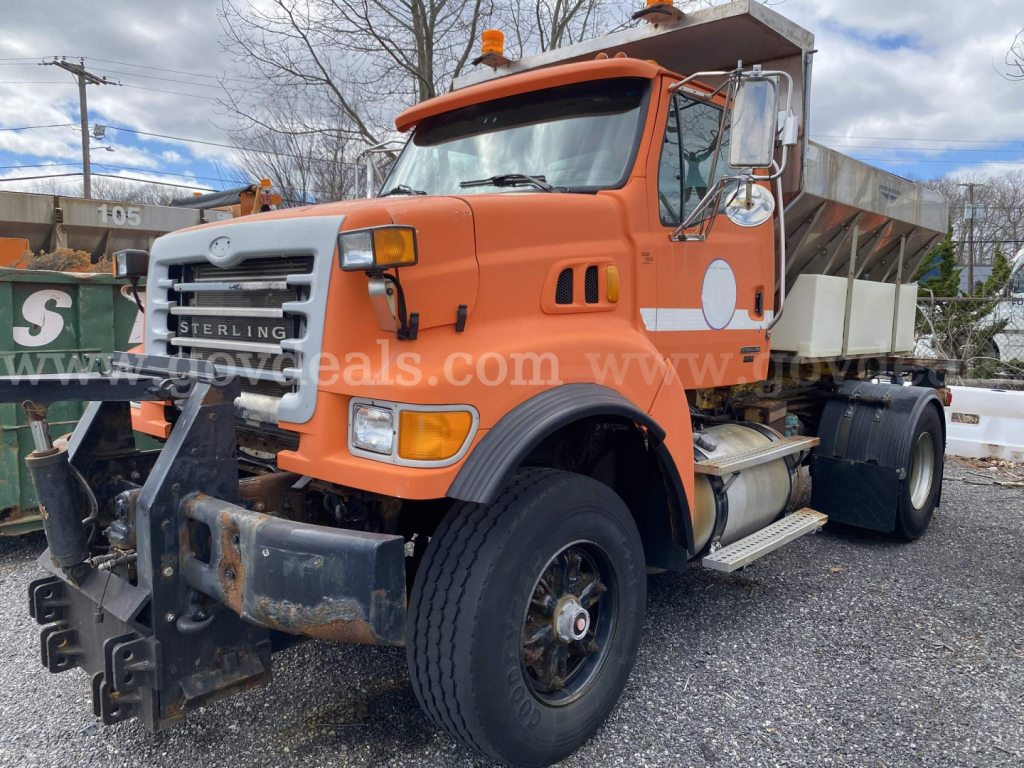

Have used 2005 sterling dump truck to sell? List it here to reach thousands of buyers.
About Used 2005 Sterling Dump Trucks
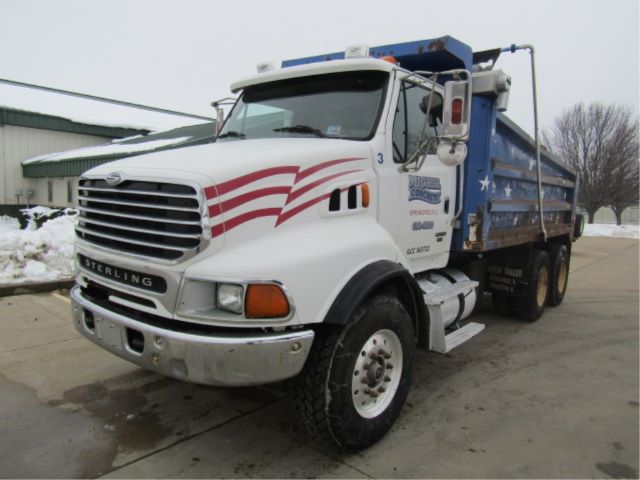
The first decision is capacity and chassis class. A single-axle Sterling dump truck is often well suited for local aggregate, patch crews, mulch, salt, or plow duty where maneuverability matters more than payload. Tandem-axle LT9500-type trucks are the better fit for heavier dirt, demolition debris, and higher-volume material movement. Watch the GVWR, rear axle rating, suspension type, wheelbase, and cab-to-axle measurement because those numbers tell you how the truck was built to work. Many used Sterlings in this class have 23,000 lb rear axles, spring suspension, air brakes, and 39,000 lb GVW setups, while heavier 6x4 configurations step up considerably for more demanding payloads.
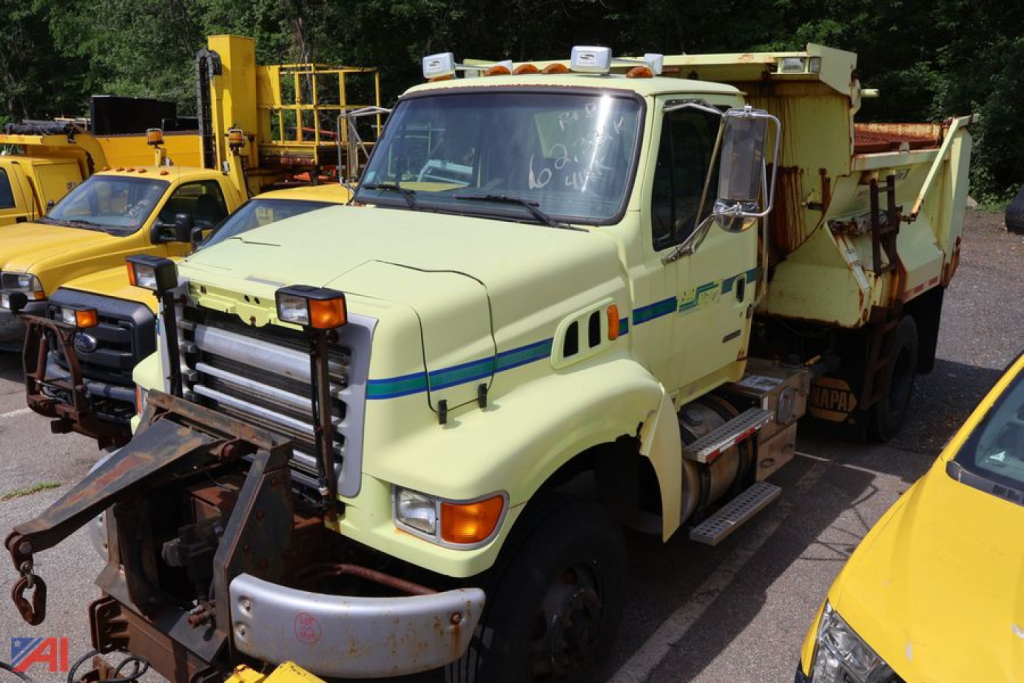
Body and hydraulic spec can make or break the value of a dump truck. Common setups include steel or aluminum dump bodies around 8' x 10', air-operated tailgates, multi-stage hoists, removable sides, wet kits, and front plow hydraulics. Buyers looking at ex-municipal units should pay close attention to extras such as sanders, augers, spreader controls, and plow frames, since those can add usefulness but also create more systems to inspect. On a used 2005 Sterling dump truck, look closely for bed floor wear, hinge and crossmember fatigue, hoist seepage, frame corrosion, and cracking near body mounts or tailgate hardware. A truck that starts and runs well can still need expensive hydraulic, body, or brake work before it is productive.
Sterling trucks from this era are straightforward vocational platforms, but condition matters more than age alone. Service history, engine hours, PTO operation, brake condition, tire date codes, and evidence of frame repairs should all weigh heavily in a buying decision. For CAT 3126-equipped trucks, confirm cold-start behavior, injector performance, and coolant maintenance. On Mercedes-powered heavy trucks, pay attention to emissions-era complexity, transmission operation, and overall fleet maintenance quality. A well-matched used 2005 Sterling dump truck can still be a solid revenue-producing unit if the chassis, hoist, and body were maintained for the kind of hauling you plan to do.
Frequently Asked Questions
What should I look for first on a used 2005 Sterling dump truck?
Start with the chassis rating and the dump body condition. Confirm whether it is a single-axle or tandem-axle truck, then verify GVWR, axle ratings, suspension, wheelbase, and brake type. After that, inspect the dump body floor, hoist cylinder, hinges, tailgate, frame rails, and PTO operation. Rust, cracks, body mount fatigue, and hydraulic leaks are often more important than cosmetic appearance because they directly affect uptime and repair cost.
Are Sterling Acterra, L8500, and LT9500 dump trucks suited for the same work?
No. They overlap, but they usually serve different duty cycles. Acterra and L8500 models are commonly used in medium-duty municipal and local hauling roles where maneuverability and lower operating weight matter. LT9500 trucks are generally heavier vocational platforms, often configured as tandem-axle 6x4 units for higher payload and tougher jobsite use. The right truck depends on material type, legal payload target, route distance, and whether the truck also carries plow or spreader equipment.
Is a CAT 3126 a common engine in Sterling dump trucks from this era?
Yes. The CAT 3126 is a common engine in early-2000s Sterling medium-duty dump truck applications, often rated around 210 to 250 horsepower. It is widely recognized in municipal and contractor fleets, and many buyers prefer it for familiarity and parts support. On a used truck, engine condition still needs to be confirmed with a cold start, blow-by check, fluid inspection, service records, and a review of any ECM or hour-meter information.
What body and hydraulic features add value on a used Sterling dump truck?
Useful features include an aluminum or steel dump body sized appropriately for the chassis, a strong multi-stage hoist, air-operated tailgate, working PTO, front plow hydraulics, and any integrated sander or spreader controls if winter service is part of the job. These features add value only if they operate correctly. A truck with a nonworking auger, leaking hoist, damaged bed floor, or worn tailgate hardware may require enough repair work to offset the benefit of the added equipment.
How important are wheelbase and cab-to-axle measurements on a dump truck?
They are critical because they affect body fit, turning radius, bridge law considerations, and how the truck carries weight. A shorter wheelbase usually improves maneuverability on tight jobsites and city routes, while a longer wheelbase may support a different body length or improve stability depending on the application. Cab-to-axle measurement is especially important when replacing a body, adding equipment, or confirming that the existing dump setup matches the intended use.