
Used Sterling Dump Trucks For Sale
Browse used Sterling dump trucks with common specs, engine options, body setups, and buyer tips for vocational hauling and municipal work.
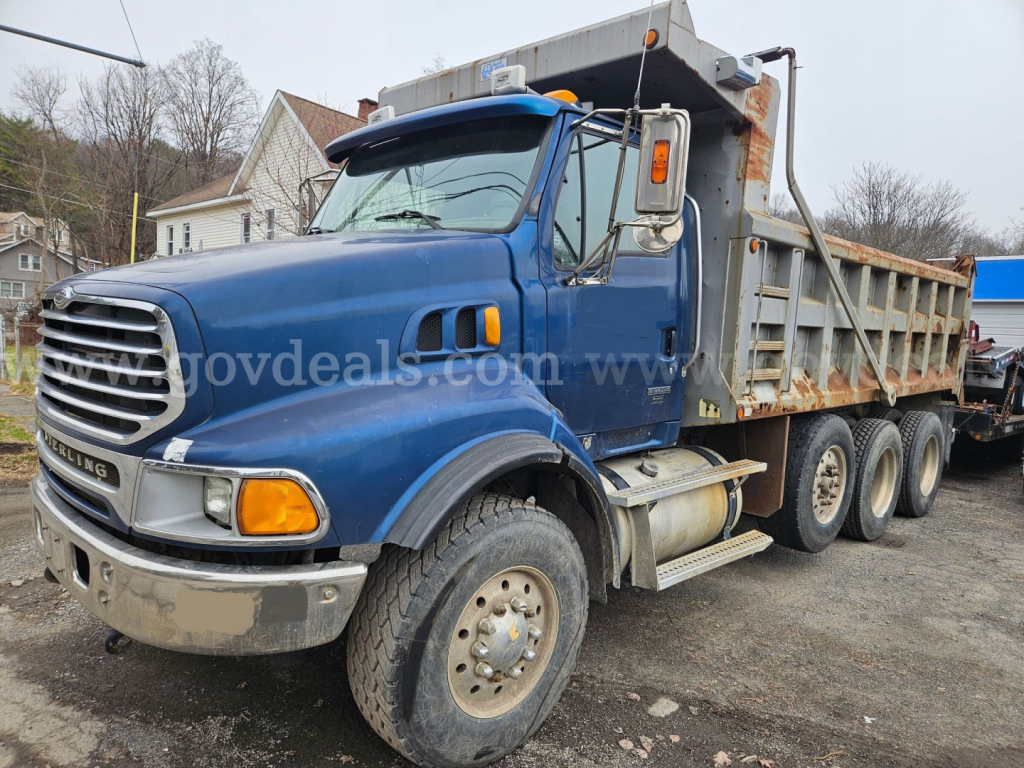
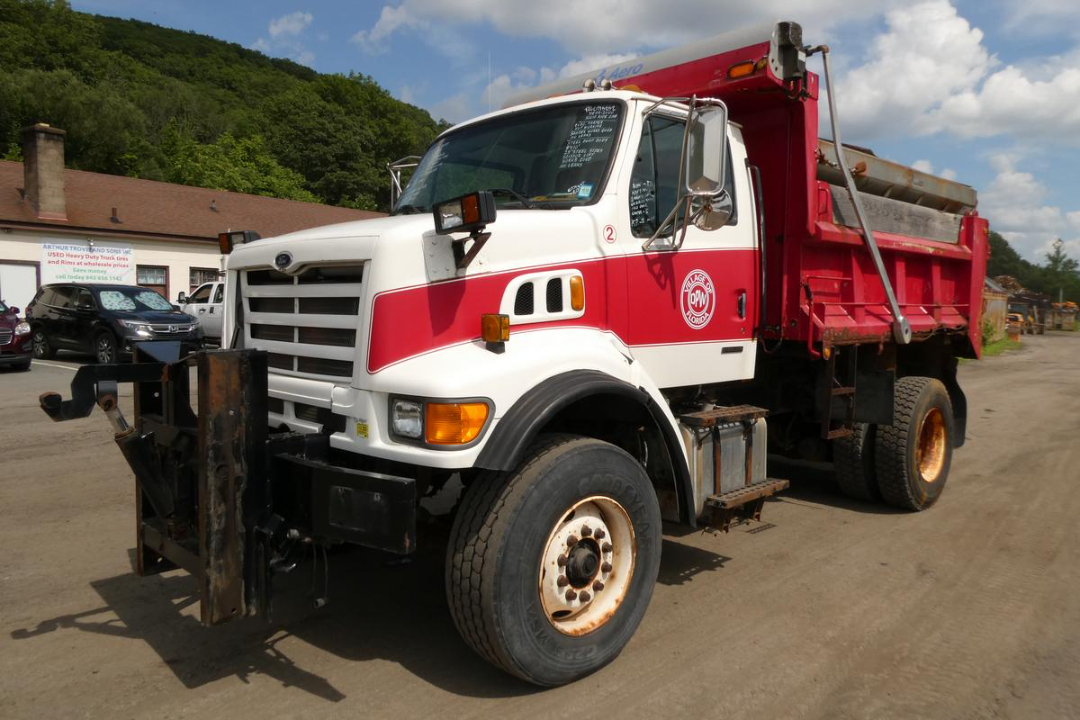
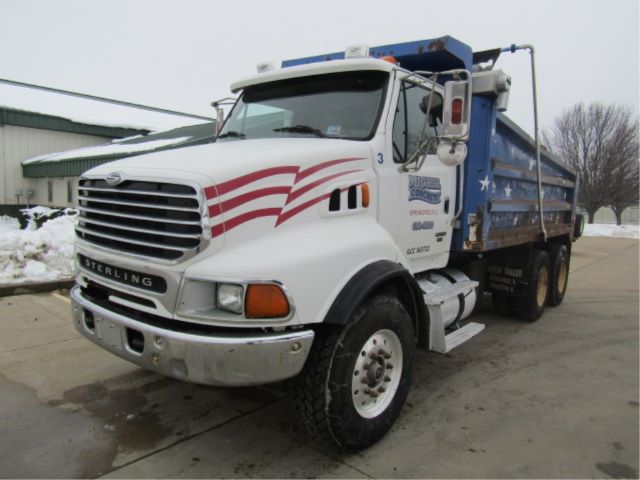
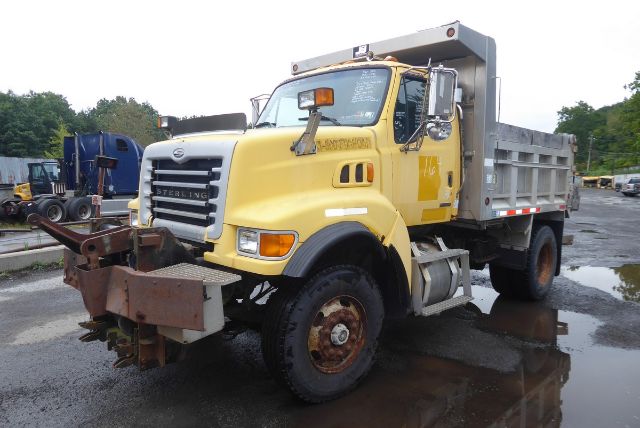
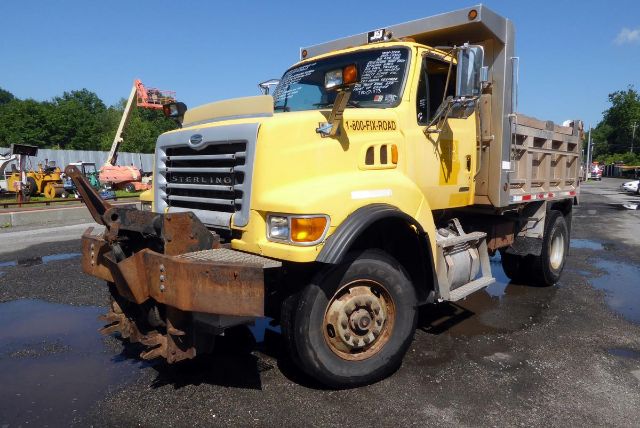

Selling a used sterling dump truck? List your used sterling dump truck for sale and reach thousands of commercial buyers.
Used Sterling Dump Trucks
The first decision is usually axle configuration and GVWR. Single-axle Sterling dump trucks are common in local hauling, landscaping supply, patch crews, and municipal work where tighter turning radius and lower empty weight matter. Tandem-axle trucks make more sense for heavier aggregate, asphalt, demolition debris, and longer daily cycles. Common specs on used units include GVWRs in the upper 30,000-pound range for single-axle trucks and substantially heavier ratings on tandem setups, with wheelbases often selected around body length and intended payload. Many Sterlings in this class run Caterpillar, Mercedes-Benz, or Cummins diesel engines with Eaton Fuller manual transmissions or Allison automatics. Manual transmissions still appeal in off-road and heavy-load work, while Allison automatics are popular for stop-and-go municipal routes, plow service, and drivers cycling the PTO frequently.
Body and hydraulic setup matter as much as the chassis. Buyers should pay close attention to dump body material, side height, hoist type, tailgate configuration, and PTO arrangement. Aluminum bodies help reduce tare weight and improve legal payload on lighter single-axle trucks, while steel bodies are still preferred for abrasive material, demo cleanup, and severe-duty applications. A front-mounted hydraulic pump, wet kit, or central hydraulic system may already support a dump bed, front plow, wing, underbody scraper, or sander, which can add value for seasonal fleets. Check for hoist seepage, hinge wear, floor condition, crossmember rust, tailgate air controls, and any signs of frame cracking or corrosion around body mounts. On ex-municipal trucks, inspect plow gear, hydraulic valves, and spreader controls closely because those systems often saw hard seasonal use.
Sterling dump trucks remain attractive used vocational trucks because parts support is still manageable through common drivetrain suppliers and aftermarket channels, even though the brand is no longer produced. The best buy usually comes down to service history, rust level, hydraulic condition, and how well the truck’s axle ratings, gearing, suspension, and body dimensions match the work. Look closely at spring suspension condition, brake wear, tire size, rear ratio, cab corrosion, and signs of prior frame or body repair. A truck with the right wheelbase, reliable PTO operation, and a solid dump body will usually outperform a cheaper unit that needs cylinder, floor, or electrical work before it can get on the job.
Frequently Asked Questions about Used Sterling Dump Trucks
What are the most common applications for a used Sterling dump truck?
Used Sterling dump trucks are commonly used for aggregate hauling, asphalt support, topsoil and mulch delivery, demolition debris, municipal road work, and snow and ice operations. Many were ordered as vocational chassis with plows, sanders, or central hydraulics, so they are especially common in public works and contractor fleets. The right application depends on axle setup, body size, hydraulic configuration, and legal payload requirements.
Are Sterling dump trucks still practical to own even though Sterling is no longer in production?
Yes, many Sterling dump trucks are still practical used fleet trucks because they were built with widely used engines, transmissions, axles, and brake components from major suppliers such as Caterpillar, Cummins, Mercedes-Benz, Eaton Fuller, Allison, and Rockwell. Parts availability for brand-specific trim and cab items can take more effort than current-production trucks, but core drivetrain and vocational components are generally still serviceable through dealer networks and aftermarket sources. Condition matters more than badge age on most used Sterling dump trucks.
What should I inspect first on a used Sterling dump truck?
Start with the dump body, hoist, frame, and hydraulics. Check for cylinder leaks, body floor wear, rust at crossmembers, tailgate function, PTO engagement, hydraulic pump noise, and frame damage near mounts or suspension hangers. Then review engine hours versus miles, brake condition, tire wear, rear ratio, and any corrosion in the cab, wiring, or battery box area. On trucks that carried plows or spreaders, inspect the front frame horns, hydraulic controls, and evidence of hard winter-service wear.
Is a single-axle or tandem-axle Sterling dump truck better?
A single-axle Sterling dump truck is usually better for tighter routes, lighter payloads, lower operating weight, and municipal or landscape work. A tandem-axle truck is the better choice for heavier material, higher legal payload, and more demanding construction or demolition service. The better truck is the one whose axle ratings, suspension, wheelbase, and body specification match the loads you plan to haul every day.
Which transmission is better in a used Sterling dump truck, manual or automatic?
That depends on the duty cycle. Eaton Fuller manual transmissions are common in heavier vocational work where driver control, durability, and lower acquisition cost matter. Allison automatics are highly desirable for plow routes, urban hauling, and repetitive stop-and-go jobs because they reduce driver fatigue and make PTO operation smoother. The best choice depends on terrain, driver mix, maintenance history, and how often the truck starts, stops, and cycles hydraulic equipment.