
Peterbilt Dump Trucks For Sale in Washington
No exact matches found for your search
Showing Dump Trucks in Washington instead.
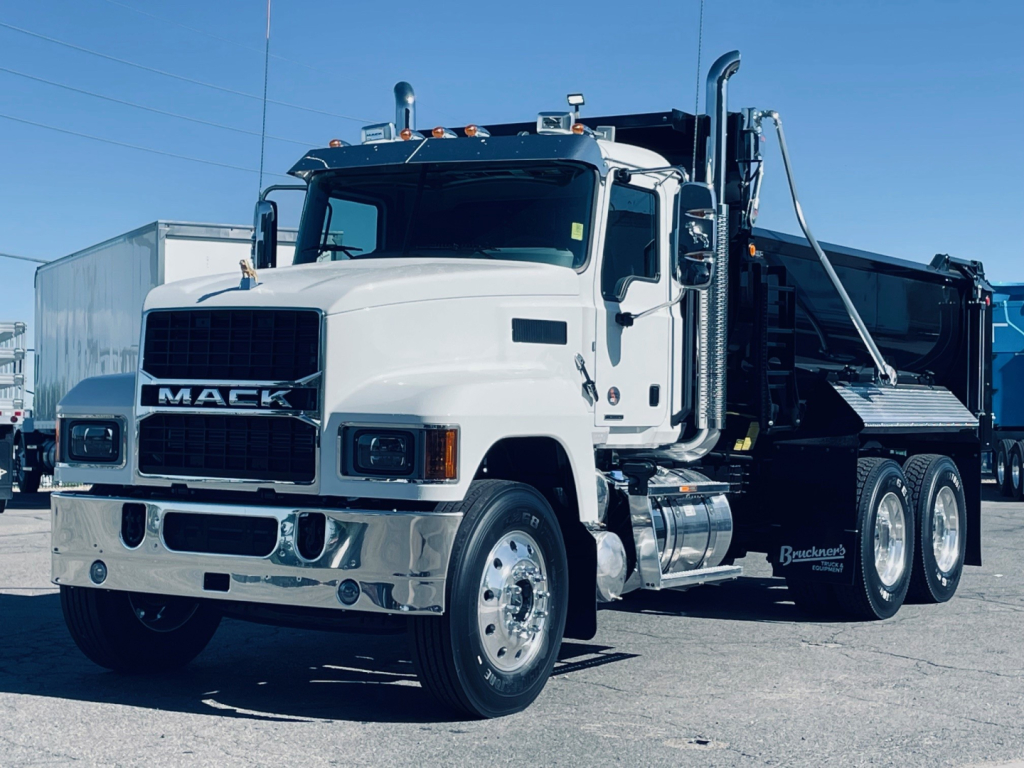
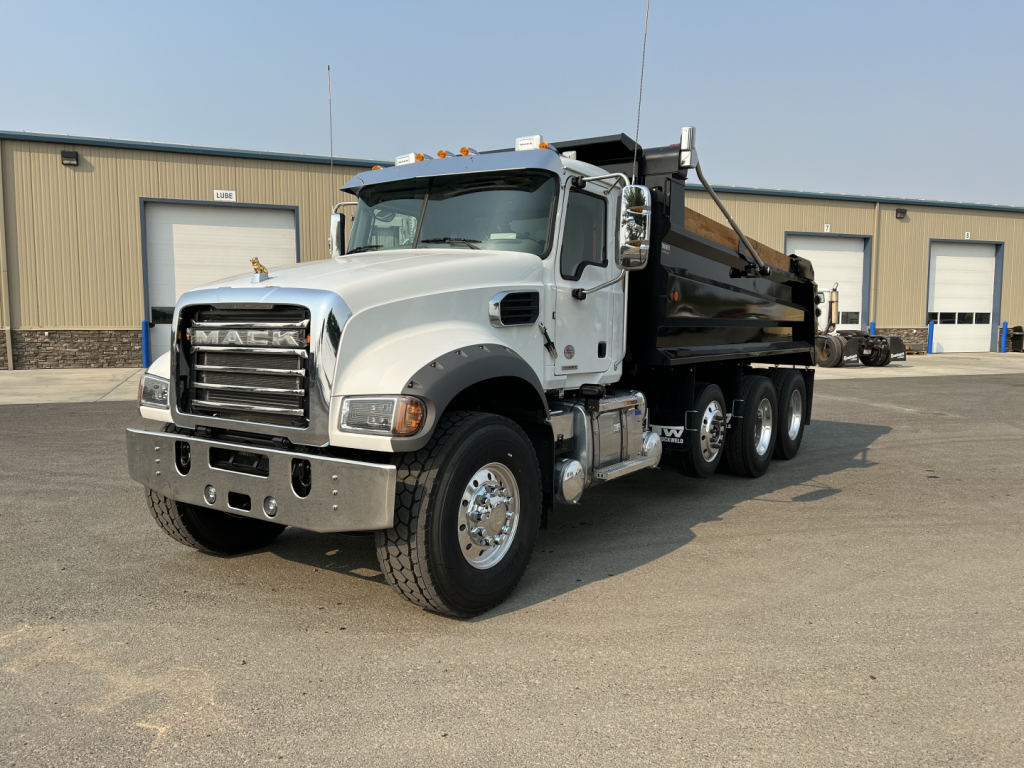
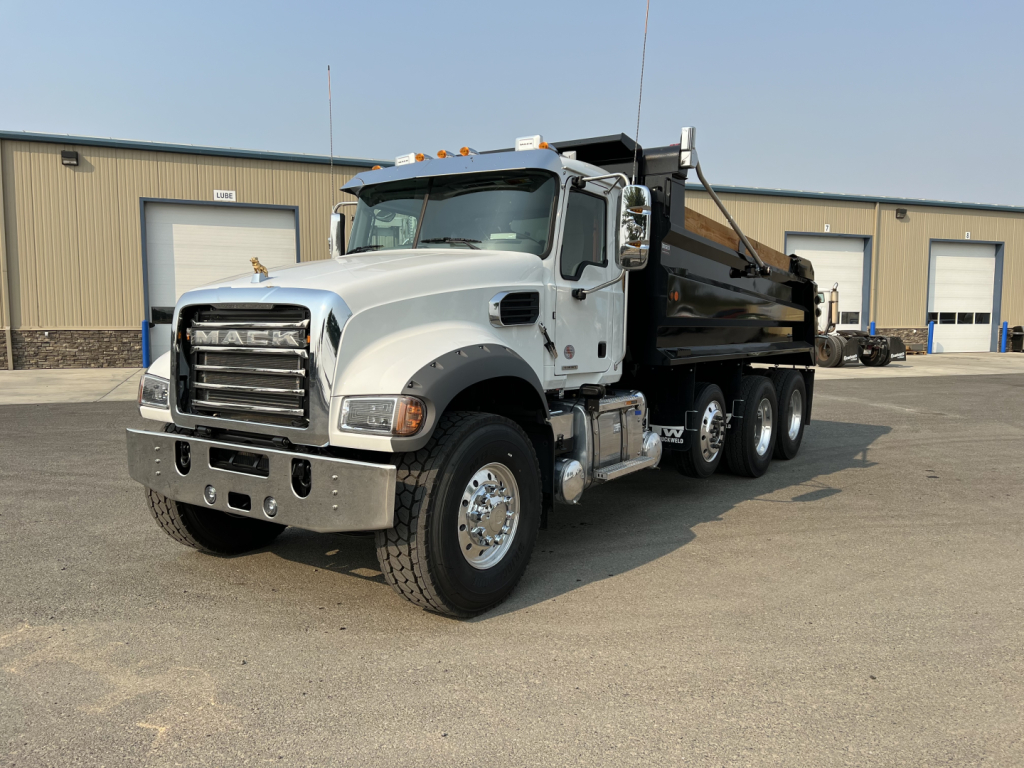
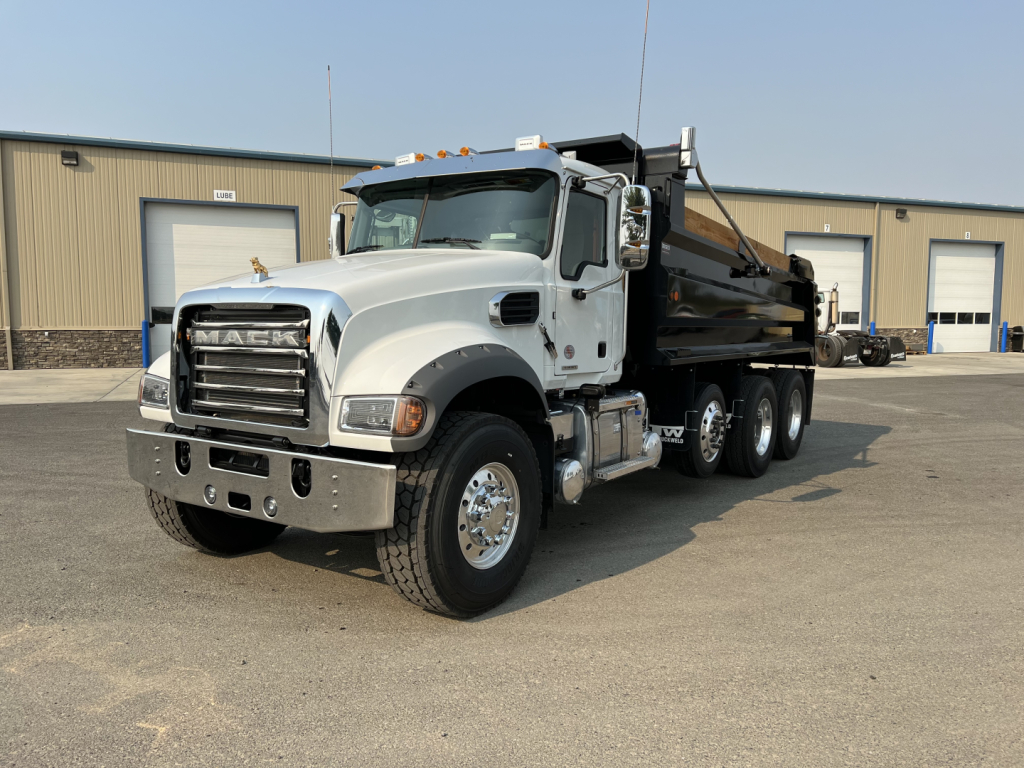
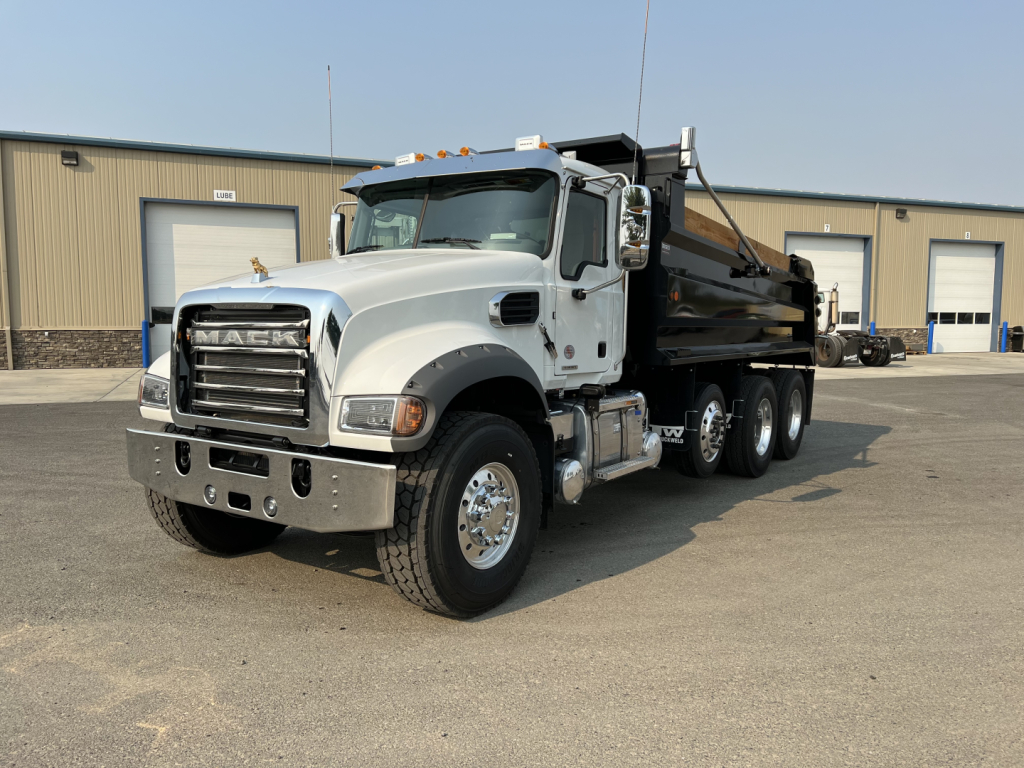
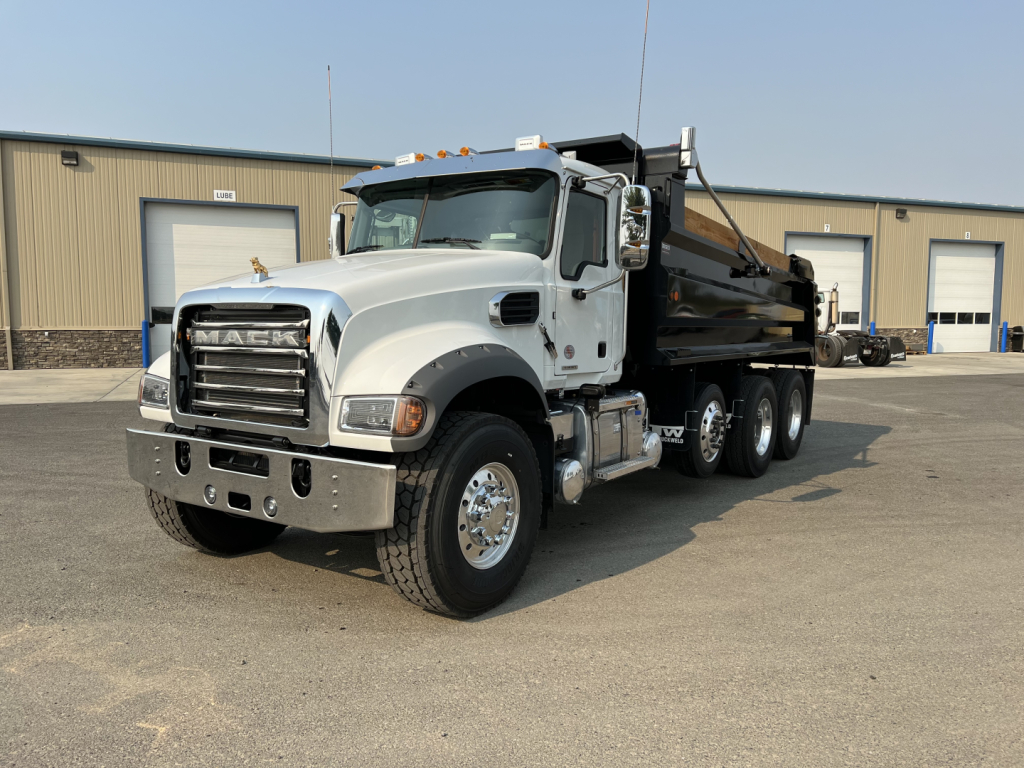
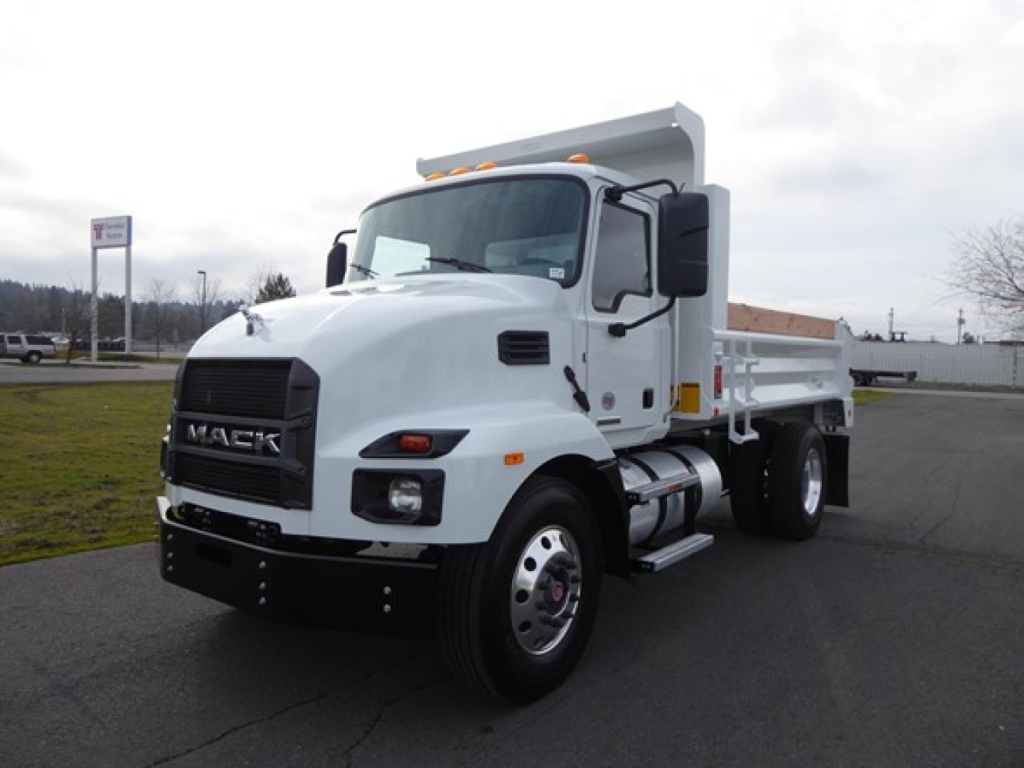
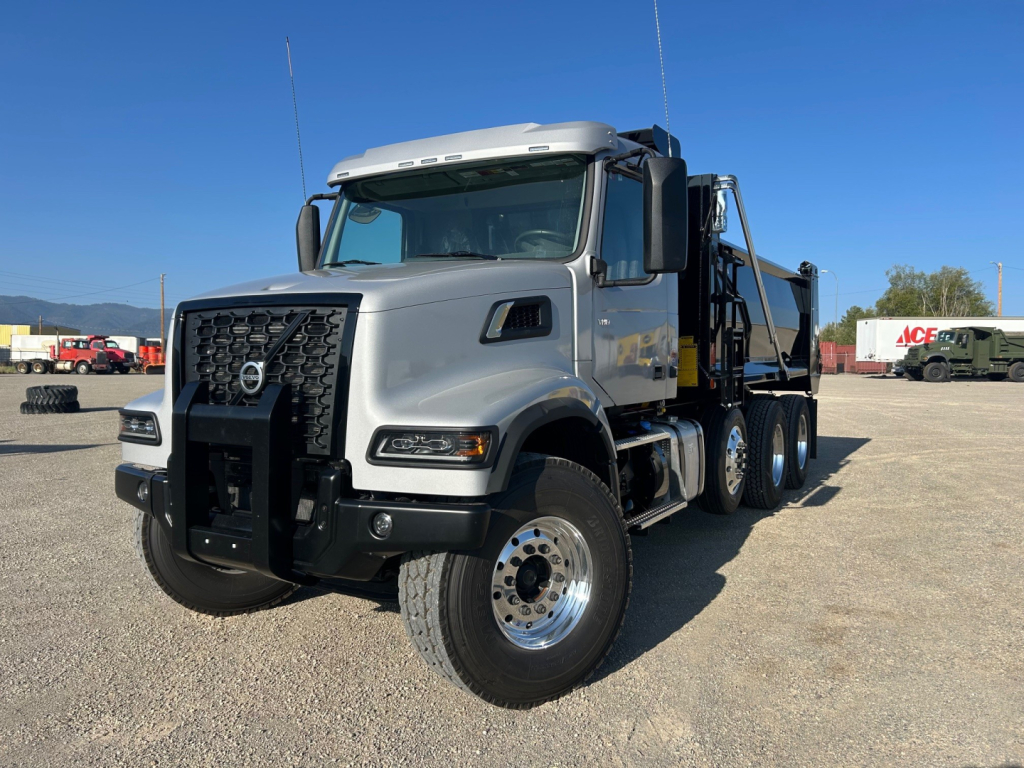

Showing 1 to 12 of 16 results
Have peterbilt dump truck to sell? List it here to reach thousands of buyers.
Peterbilt Dump Trucks in Washington
A Peterbilt dump truck buyer should focus first on the work cycle. A lighter truck used for landscape material, municipal patch work, or snow operations has very different needs than a tandem hauling aggregate, demo debris, or asphalt. Common decision points include GVWR, front axle capacity, suspension rating, wheelbase, and whether the truck has a set-forward or set-back front axle. Body specs matter just as much as chassis specs. Bed length, side height, floor thickness, hoist type, tailgate style, and tarp system all affect how well the truck handles rock, wet soil, millings, brush, or mixed construction debris. If the truck is plumbed for a plow or sander, check the front frame extensions, hydraulic capacity, electrical controls, and any evidence of seasonal municipal use.
Peterbilt models used in dump applications often appeal to buyers who want a balance of durability and driver comfort. Medium-duty models can be a practical choice for tighter urban work, while heavier vocational platforms are better suited for repeated loading cycles and higher body capacities. In Washington, a dump truck may need enough gearing and engine braking for grades, plus suspension and tire specs that can handle off-pavement access roads and transfer points. Buyers should inspect the frame for cracks, corrosion, and prior repairs, then review steering components, spring or air suspension condition, driveline wear, brake life, differential ratios, and PTO operation under load. On the body side, look for hoist leaks, worn hinge pins, patched floors, bent sidewalls, and tailgate sealing issues.
For used Peterbilt dump trucks, service history and vocational upfit quality usually matter more than cab cosmetics. A clean cab is nice, but body condition, hydraulic performance, and axle ratings determine how the truck will earn money. It also helps to confirm engine hours if available, idle history, emissions equipment status, and any added equipment such as snowplows, pintle hitches, lift axles, backup cameras, or automatic tarps. The best truck for the job is the one sized correctly for local weight laws, material density, route conditions, and loading equipment, not simply the one with the largest bed or highest horsepower.
Frequently Asked Questions about Peterbilt Dump Trucks in Washington
What should I look for when buying a used Peterbilt dump truck?
Start with axle ratings, GVWR, frame condition, and the dump body spec. A dump truck lives or dies by its vocational components, so inspect the PTO, hydraulic pump, hoist, hinges, tailgate, floor, and body mounts before focusing on appearance. Also check engine hours if listed, transmission operation, suspension wear, brake condition, and evidence of frame repairs or hard off-road use. If the truck has plow gear or municipal equipment, review the front frame, hydraulic plumbing, and electrical controls for wear from seasonal service.
Are single-axle or tandem-axle Peterbilt dump trucks better?
It depends on the application and legal payload target. Single-axle dump trucks are easier to maneuver, often cost less to operate, and fit well in urban delivery, landscaping, and smaller construction jobs. Tandem-axle dump trucks typically offer higher legal payload, better load distribution, and more durability for aggregate, excavation, paving, and heavier site work. The right choice comes down to bridge laws, material density, access conditions, and how often the truck runs loaded on public roads.
What body material is best on a Peterbilt dump truck, steel or aluminum?
Steel bodies are generally preferred for abrasive and high-impact material such as demolition debris, large rock, and heavy aggregate because they handle abuse better. Aluminum bodies reduce tare weight and can improve payload for lighter bulk materials such as sand, mulch, or some municipal applications. Buyers should match the body to the material hauled, since a lighter body can increase payload but may not hold up as well in severe loading environments.
Why do hydraulic and PTO systems matter so much on a dump truck?
The PTO and hydraulic system are what make the truck productive. Weak hydraulic performance, contaminated fluid, hoist leaks, or PTO engagement issues can turn a usable chassis into an expensive repair project. Buyers should verify that the bed raises smoothly, holds properly, lowers under control, and does not show signs of twist, chatter, or uneven lifting. If the truck powers other equipment such as a plow, sander, or wet kit accessory, hydraulic capacity and plumbing condition become even more important.
What matters most for a dump truck operating in Washington?
Washington buyers often need a truck that can handle mixed terrain, wet conditions, and seasonal road treatment. Good traction, correct gearing for grades, strong brakes, and a durable body are important, especially for trucks that move between paved roads and muddy jobsites. Corrosion inspection also matters because moisture and winter maintenance chemicals can shorten the life of frames, bodies, wiring, and hydraulic components if the truck has not been maintained well.