
Used 2000 Mack Dump Trucks For Sale
Used 2000 Mack dump trucks for sale: compare E7 E-Tech drivetrains, inspect frame and hoist wear, and verify legal payload before choosing a body.
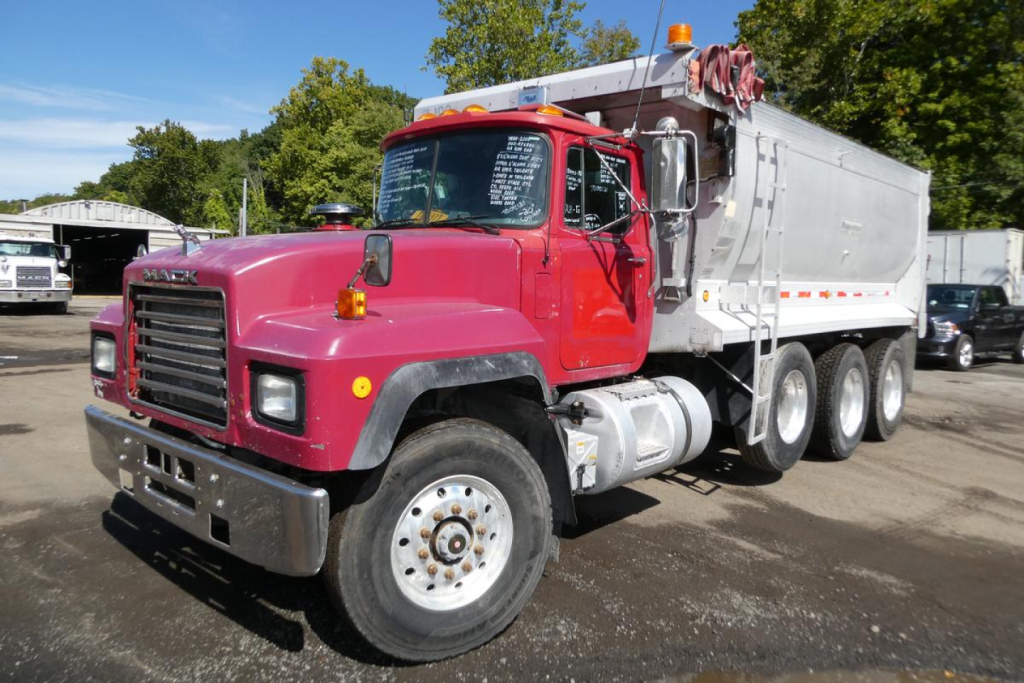
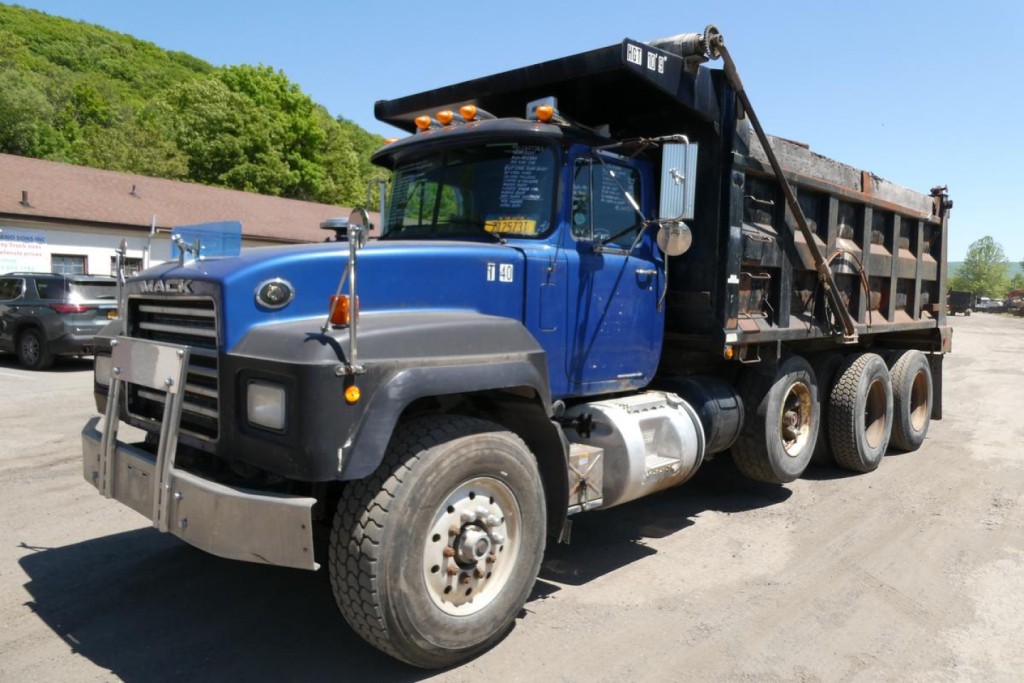
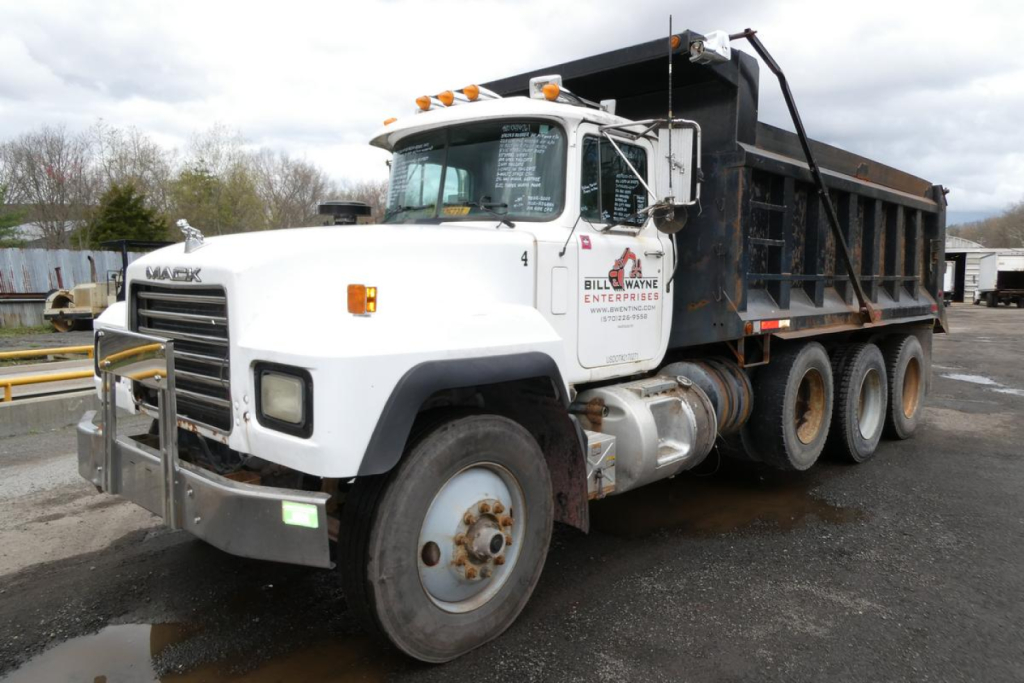
Selling a used 2000 mack dump truck? List your used 2000 mack dump truck for sale and reach thousands of commercial buyers.
Used 2000 Mack Dump Trucks
Frequently Asked Questions about Used 2000 Mack Dump Trucks
Is Camelback or air-ride suspension better on a 2000 Mack dump truck?
Camelback favors frequent rough-site hauling, while air ride favors ride quality on paved routes. On a used 2000 Mack dump truck, inspect Camelback spring packs, trunnion bushings and equalizer components for wear and uneven loading. On air ride, check air bags, height-control valves and torque rods. Match the suspension to the work, but remember that neither suspension makes an uneven or unstable dumping surface safe.
What engine checks should I make on a 2000 Mack E7 E-Tech dump truck?
A cold start, hot oil-pressure check and cooling-system pressure test are essential checks on a 2000 Mack E7 E-Tech dump truck. Have a Mack-capable shop read fault history, check injector operation and investigate persistent white smoke, excessive crankcase pressure or oil in coolant. Review invoices for cylinder-head, injector and turbocharger work, and confirm the engine serial number matches the service documentation.
Can a 2000 Mack dump truck work in California with its original engine?
A 2000 Mack dump truck with its original engine generally does not meet California's Truck and Bus Regulation for heavy diesel trucks over 26,000 pounds GVWR. The rule generally requires a 2010 or newer engine for that weight class unless a specific exemption applies. A diesel particulate filter retrofit alone does not establish compliance. Verify the truck's CARB compliance documentation and any applicable exemptions before planning California operation.
How much can a tri-axle 2000 Mack dump truck legally haul?
A 2000 Mack dump truck's legal payload is its allowed operating gross weight minus its actual working tare weight. Use a scale weight that includes fuel, driver, tarp and normal tools. For a tri-axle configuration, axle spacing, tire ratings, lift-axle loading and route-specific weight limits can reduce usable payload below the chassis rating. Verify the applicable state or provincial rules before choosing body capacity.