
2027 Mack Dump Trucks For Sale in Texas
Shop 2027 Mack dump trucks for demanding Texas work. Compare Granite and Pinnacle specs, axle setups, suspensions, bodies, and jobsite features.
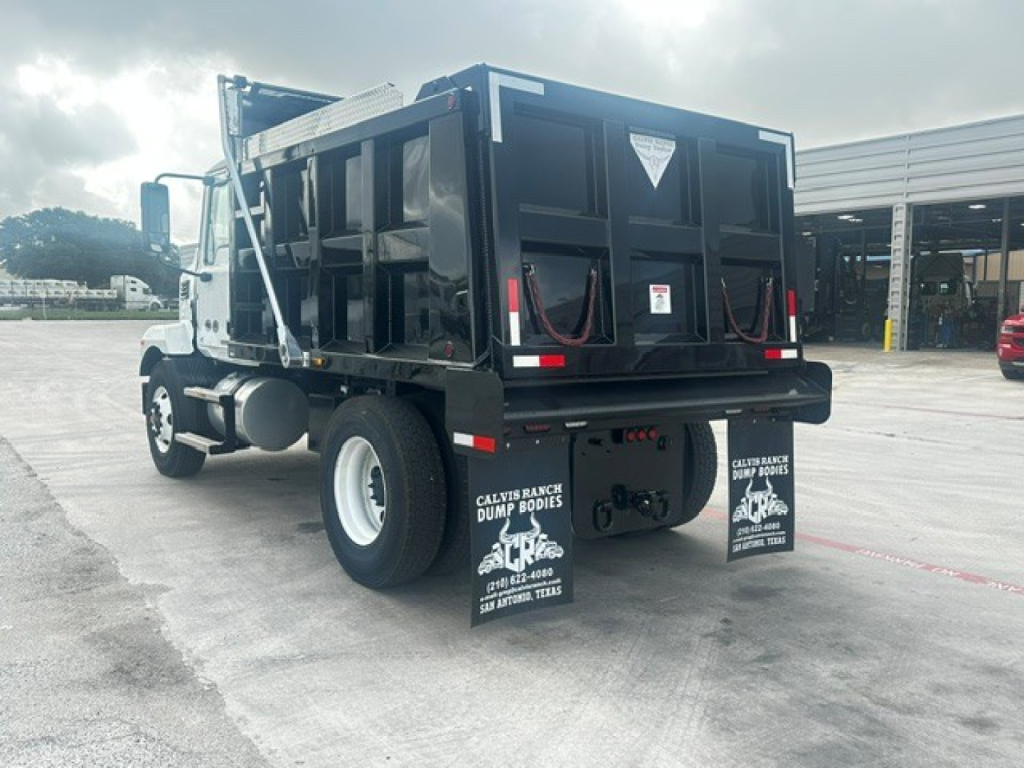
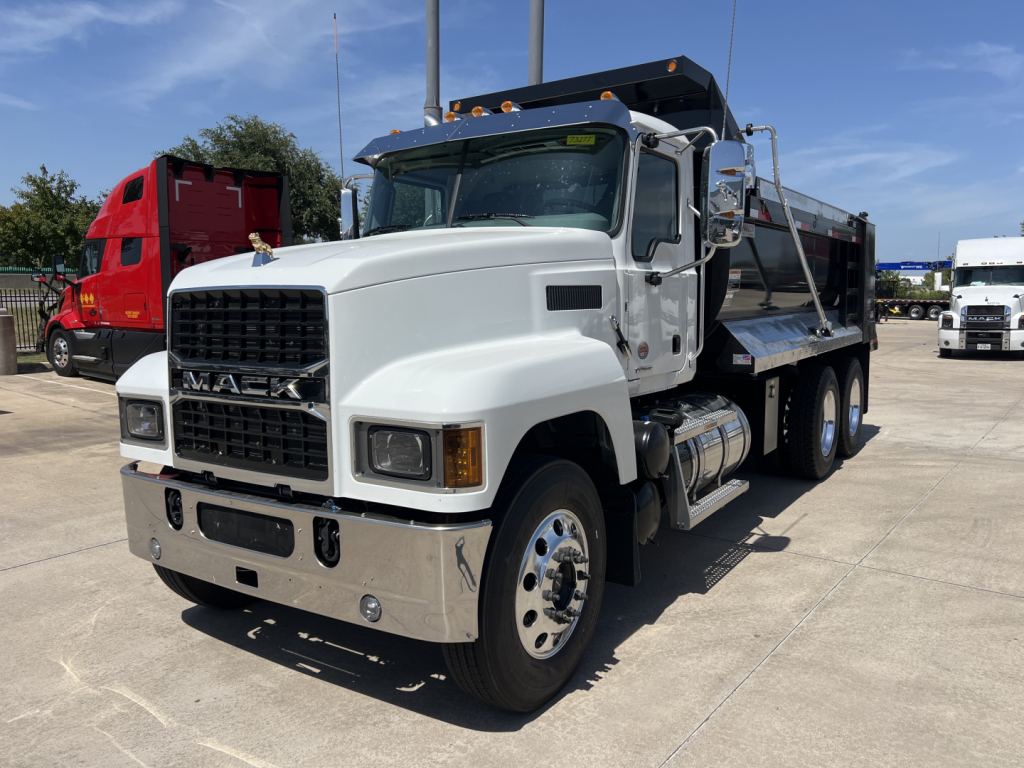
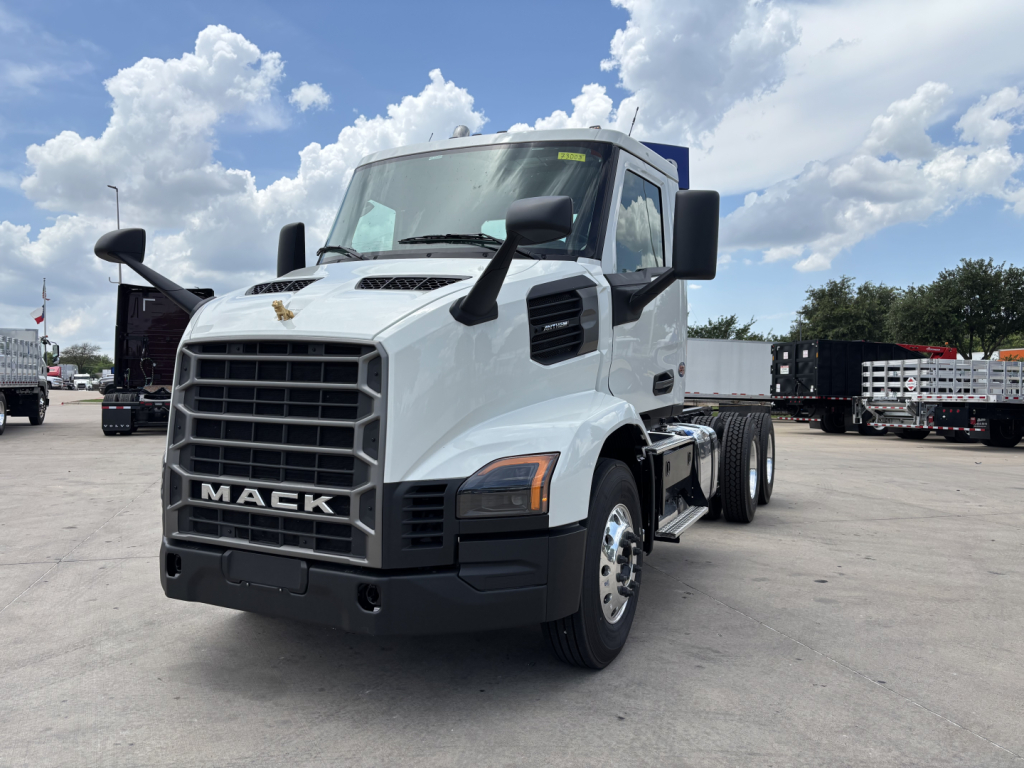
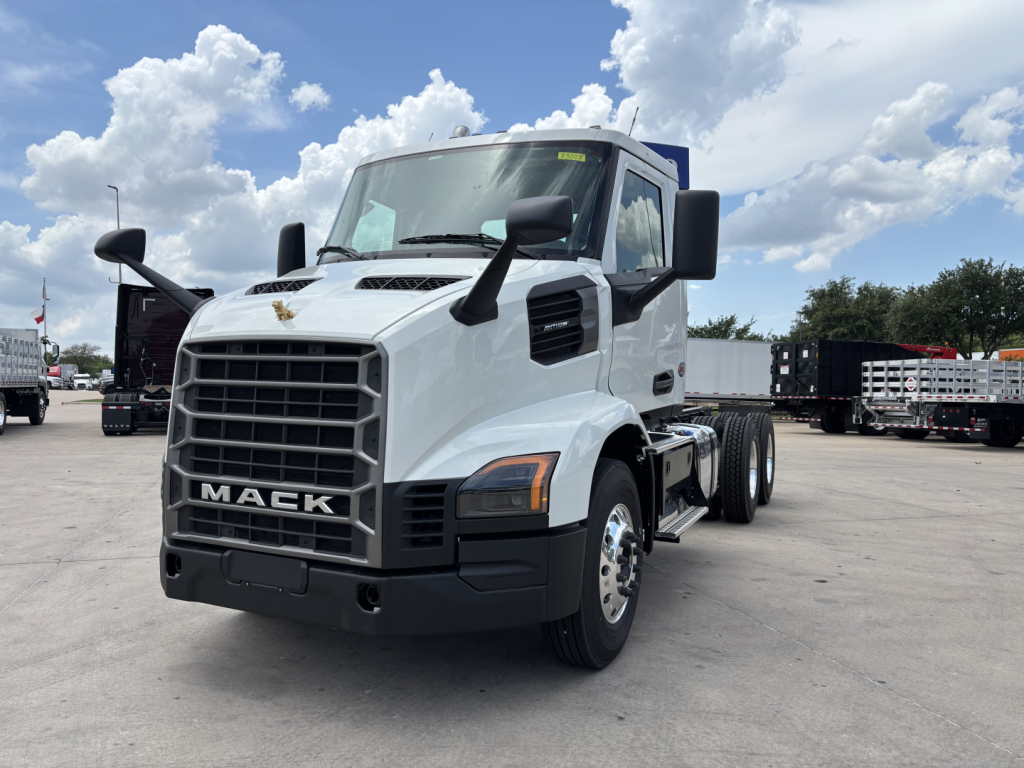
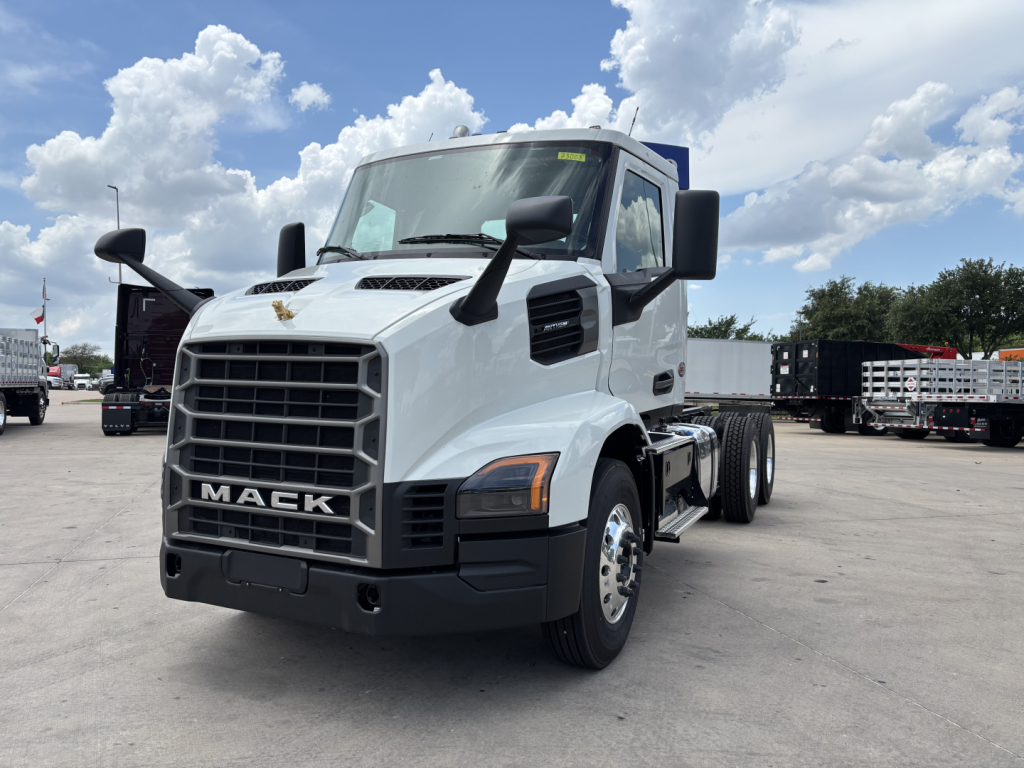
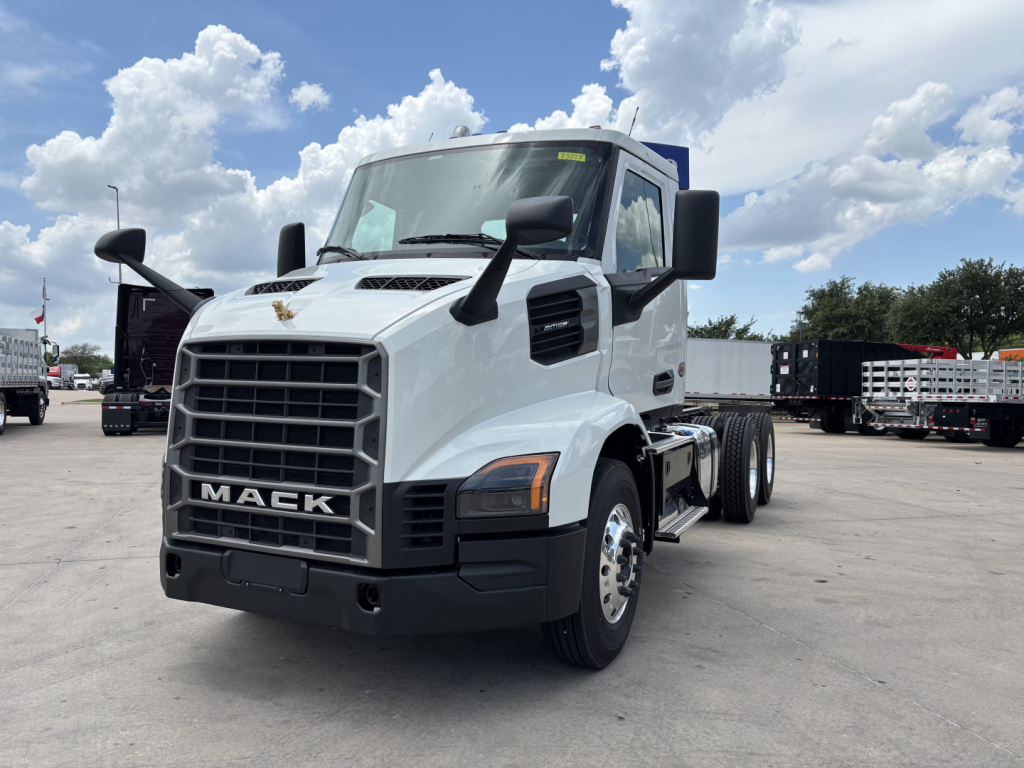

Selling a 2027 mack dump truck? List your 2027 mack dump truck for sale and reach thousands of commercial buyers.
2027 Mack Dump Trucks in Texas
Engine and transmission specs are where Mack dump trucks separate themselves from lighter vocational platforms. Many buyers look for Mack MP7 or MP8 diesel power, typically in horsepower ranges suited to local haul and stop-and-go duty rather than long-haul fuel economy tuning. The Mack mDRIVE HD automated manual is common in this class because it reduces driver fatigue and holds up well in repeated start-stop cycles, though some operators still prefer manual gearboxes for specialized site work. Rear axle ratings, locking differentials, and suspension design are equally important. Mack Camelback remains a recognized choice for severe-duty stability and durability, while air ride options can appeal where ride quality or material protection matters. Front axle capacity is a major consideration on dump trucks with heavier bodies, lift axles, or snow and municipal attachments, and many Texas buyers prioritize 18,000 to 20,000 lb steer axles with strong vocational spring packages.
Body spec can change the usefulness of the truck as much as the chassis. Common dump body considerations include length, side height, steel floor thickness, hoist capacity, tailgate style, and liner options for abrasive material. Contractors hauling rock, broken concrete, or demolition debris usually favor heavier steel bodies and robust hoists, while sand, dirt, and general construction material may allow a lighter body spec to preserve payload. Look closely at PTO and hydraulic setup, tarp system type, pintle hitch provision, backup camera integration, and cab-to-body clearance. Wheelbase, CT value, and kingpin or body placement also affect weight distribution, especially on tri-axle configurations. For Texas operation, buyers often evaluate cooling capacity, air conditioning performance, and dust-tolerant vocational trim because heat and long idle periods can be just as punishing as the load.
The best 2027 Mack dump truck choice comes down to matching the chassis to the work cycle. A truck running short municipal routes has different needs than one climbing in and out of quarries or feeding asphalt crews all day. Focus on GVWR, axle ratings, suspension, body material, and driveline spec before looking at trim details. Mack dump trucks have a strong reputation in severe-service applications because the platform is designed around vocational uptime, straightforward body integration, and components that can take repeated loading and unloading without feeling like an overbuilt highway tractor repurposed for dirt work.
Frequently Asked Questions about 2027 Mack Dump Trucks in Texas
What is the difference between a Mack Granite dump truck and other Mack vocational models for dump applications?
The Mack Granite is one of the most common dump truck platforms because it is designed specifically for vocational work, with chassis layouts, axle ratings, and visibility features that fit construction and material hauling. Compared with more highway-oriented Mack models, a Granite typically offers heavier-duty frame options, better suitability for dump body installation, and vocational suspension and PTO configurations that are easier to spec for severe-duty use.
What axle configuration is best for a Mack dump truck in Texas?
The right axle setup depends on the material, route, and legal weight requirements. Tandem axle dump trucks are common for general construction and tighter maneuvering, while tri-axle configurations can help with payload and bridge compliance on heavier jobs. Buyers in Texas should compare steer axle ratings, rear axle capacity, lift axle design, and wheelbase together because payload potential is only useful if the truck remains practical on the roads and jobsites it will actually run.
Is the Mack mDRIVE HD a good transmission for dump truck work?
The mDRIVE HD is a strong fit for many dump applications because it reduces driver fatigue in stop-and-go operation and is designed for vocational service. It can perform well in construction haul, municipal work, and repeated loading cycles when properly spec'd. Some fleets still prefer manual transmissions for very specialized off-road work or for driver preference, but the automated manual has become a common choice in severe-duty Mack trucks.
What suspension should I look for on a Mack dump truck?
Suspension choice should match the terrain and load cycle. Mack Camelback is well known in dump service for durability, stability, and load control in rough conditions. Air ride can improve ride quality and may help in applications where material handling or pavement protection matters more. The tradeoff usually comes down to severe-duty toughness versus ride characteristics, so the suspension should be selected around the job rather than comfort alone.
What dump body features matter most on a 2027 Mack dump truck?
The most important body features are material type, floor and side thickness, hoist rating, body length, tailgate style, and tarp setup. A heavier steel body is often better for rock, demolition, and abrasive material, while lighter configurations may improve payload for dirt or sand. Buyers should also confirm hydraulic compatibility, PTO setup, liner options, and cab-to-body clearance because those details affect day-to-day productivity and long-term durability.