
Used Kenworth Dump Trucks For Sale in North Carolina
Used Kenworth dump trucks for sale in North Carolina: compare T880 axle layouts, legal payload, body condition, and emissions service history before buying.
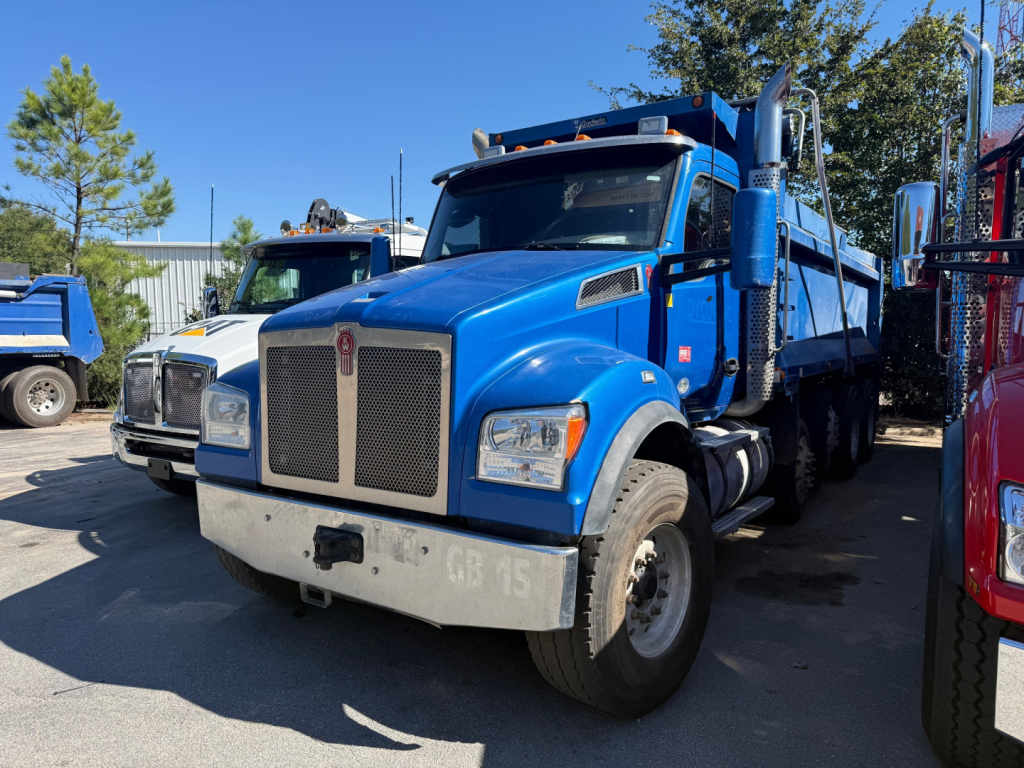
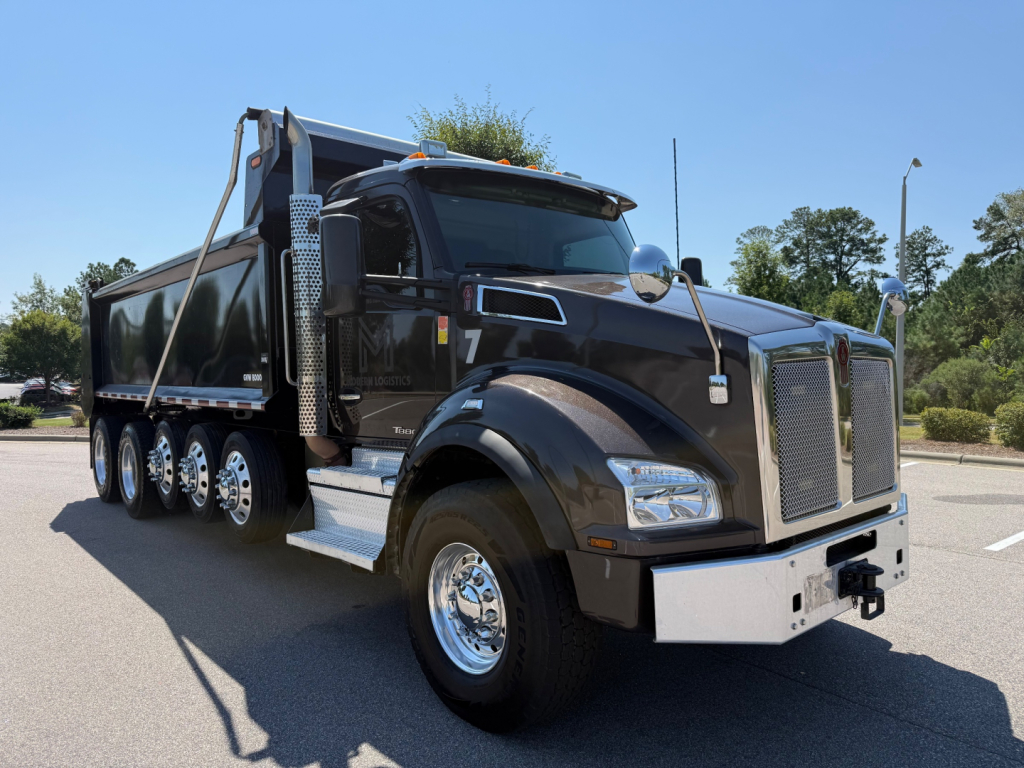
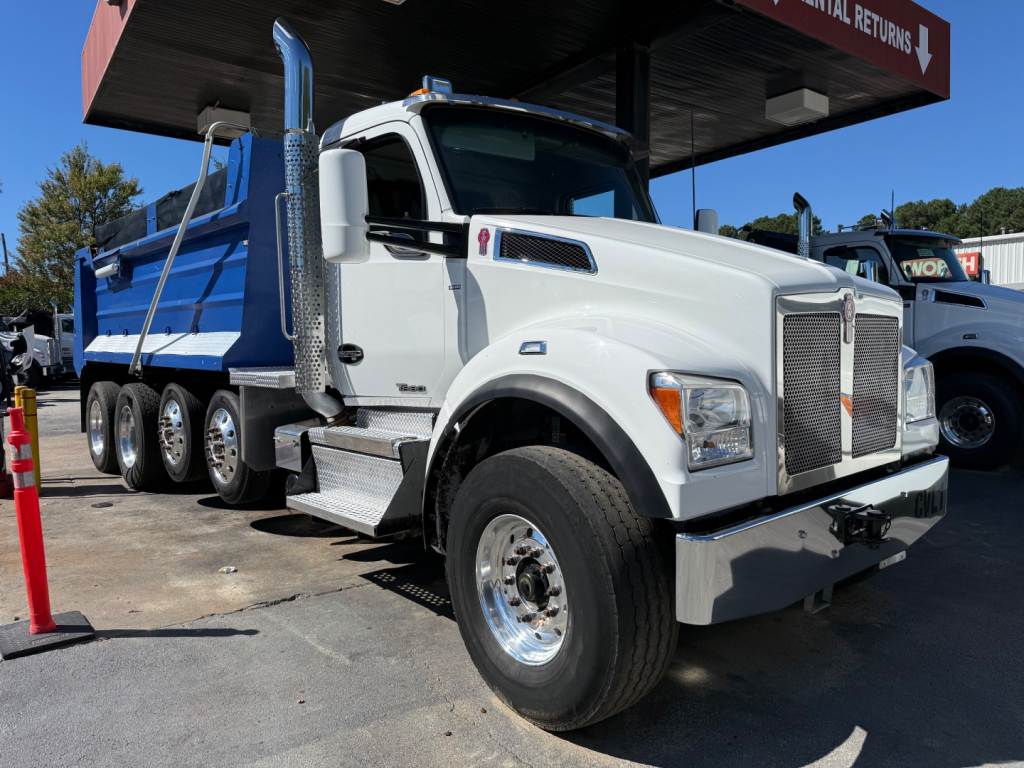
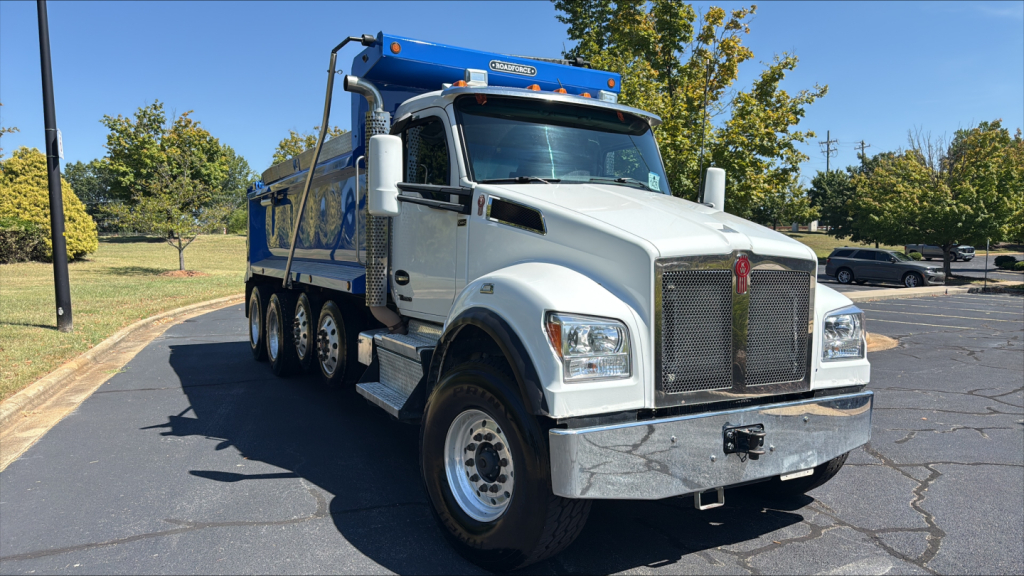
Selling a used kenworth dump truck? List your used kenworth dump truck for sale and reach thousands of commercial buyers.
Used Kenworth Dump Trucks in North Carolina
Kenworth's T880 vocational platform and older T800 are established choices for dump service, while the T880S uses a set-forward steer axle that changes weight distribution and axle spacing. PACCAR MX-13 engines are common in T880 applications; Cummins-powered configurations also warrant consideration, with engine identity verified from the data plate. An Allison automatic suits repeated stop-and-go cycles, while manual and automated transmissions require closer attention to launch gearing and clutch condition. Compare rear axle ratio, tire diameter, and engine braking for the actual route, especially when loaded quarry departures lead directly onto highway grades.
Body construction determines which loads a dump truck, also called a tipper truck, can handle economically. Steel generally tolerates abrasive rock and demolition material better, while aluminum can reduce empty weight for suitable aggregate loads. Inspect the floor, crossmembers, tailgate hinges, latch engagement, and body mounts rather than judging fresh paint. Check frame rails and reinforcements for cracks, rust expansion, or undocumented repairs near suspension brackets and hoist mounts. Test the PTO, hydraulic pump, cylinder, and controls with the body empty on firm, level ground, using proper safety procedures and body supports during inspection.
Emissions generation can change the maintenance exposure more than chassis mileage. Pre-2007 T800s generally have simpler exhaust emissions hardware, but age brings its own cooling-system, wiring, seal, and driveline concerns. Diesel particulate filters became standard with the 2007 emissions era, followed by widespread SCR and DEF use for 2010. Verify the engine emissions label rather than relying solely on chassis model year. On later trucks, obtain DPF cleaning records, regeneration history, fault codes, and SCR repair documentation. Compare ECM hours with mileage because stationary idling and PTO operation can hide substantial service time.
Western North Carolina grades put extra emphasis on brake condition, engine braking, and cooling performance; Piedmont clay jobsites demand traction and sound suspension bushings. Coastal salt exposure and mountain winter deicing justify close inspection of brake plumbing, electrical connectors, and chassis corrosion. Check lift-axle steering components, deployment controls, tire wear, and air leaks on multi-axle trucks. A complete maintenance history should document engine work, transmission service, differential repairs, and hoist maintenance, with a vocational-truck inspection used to verify the records.
Frequently Asked Questions about Used Kenworth Dump Trucks in North Carolina
Is a pusher axle or tag axle better on a Kenworth dump truck in North Carolina?
Pusher axles sit ahead of the drive tandem, while tag axles sit behind it; neither layout automatically provides more legal payload in North Carolina. Compare the complete axle-spacing diagram and loaded axle weights against the intended routes. Steerable auxiliary axles can reduce tire scrub during turns, but their steering linkage, alignment, and lift controls add inspection points. Confirm that the body and hoist layout accommodate the axle arrangement.
Can an aluminum Kenworth dump body handle North Carolina quarry work?
An aluminum dump body can suit sand, gravel, and screened aggregate hauling, but steel is usually the better choice for large angular rock or demolition debris. Material size, loading height, floor construction, and any liner matter more than the body material alone. For a used Kenworth dump truck, inspect aluminum welds and floor distortion carefully, and confirm the body manufacturer's intended material applications before committing to quarry service.
What should I check during a cold start on a used Kenworth dump truck?
A cold start followed by a fully warmed road test reveals problems that a short idle inspection can miss on a used Kenworth dump truck. Watch for prolonged cranking, persistent smoke, uneven running, and abnormal coolant pressurization. Check hot oil pressure against the engine manufacturer's specifications. Have a technician measure crankcase pressure rather than judging blow-by from a loosened oil cap, and test transmission engagement again after warmup.
What CDL do I need to drive a Kenworth dump truck in North Carolina?
A single Kenworth dump truck rated or operating at 26,001 pounds or more generally requires a Class B CDL in North Carolina. A combination reaching that threshold with a trailer rated or weighing more than 10,000 pounds generally requires Class A. The driver's license must not carry an air-brake restriction when operating an air-braked truck. Confirm the truck and trailer ratings before assigning a driver.
Does the remaining warranty transfer when I buy a used Kenworth dump truck?
Remaining warranty coverage on a used Kenworth dump truck is transferable only when the specific warranty contract permits it and its transfer requirements are satisfied. Verify coverage by VIN with the responsible manufacturer or administrator before purchase. Engine, aftertreatment, transmission, and chassis coverage can have separate expiration dates, mileage limits, exclusions, and deductibles. Request written confirmation of the remaining coverage and any required transfer paperwork.