
2026 Dump Trucks For Sale in Georgia
Shop 2026 dump trucks in Georgia. Compare specs, GVWR, body sizes, axle setups, PTO hydraulics, and jobsite-ready configurations.
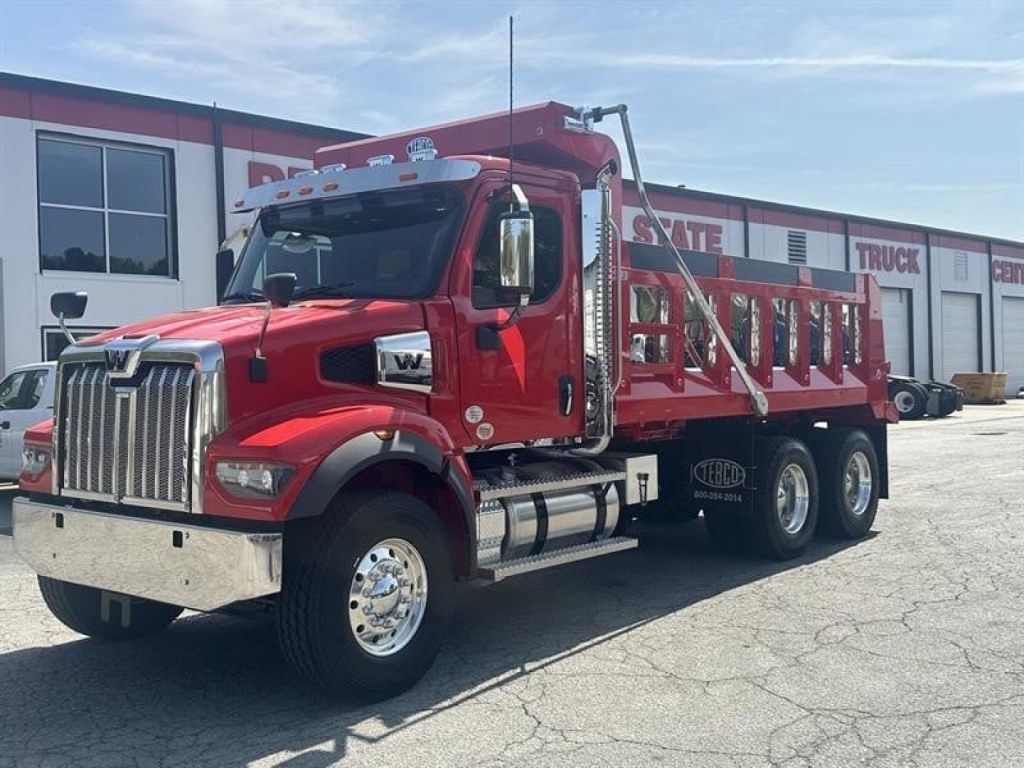
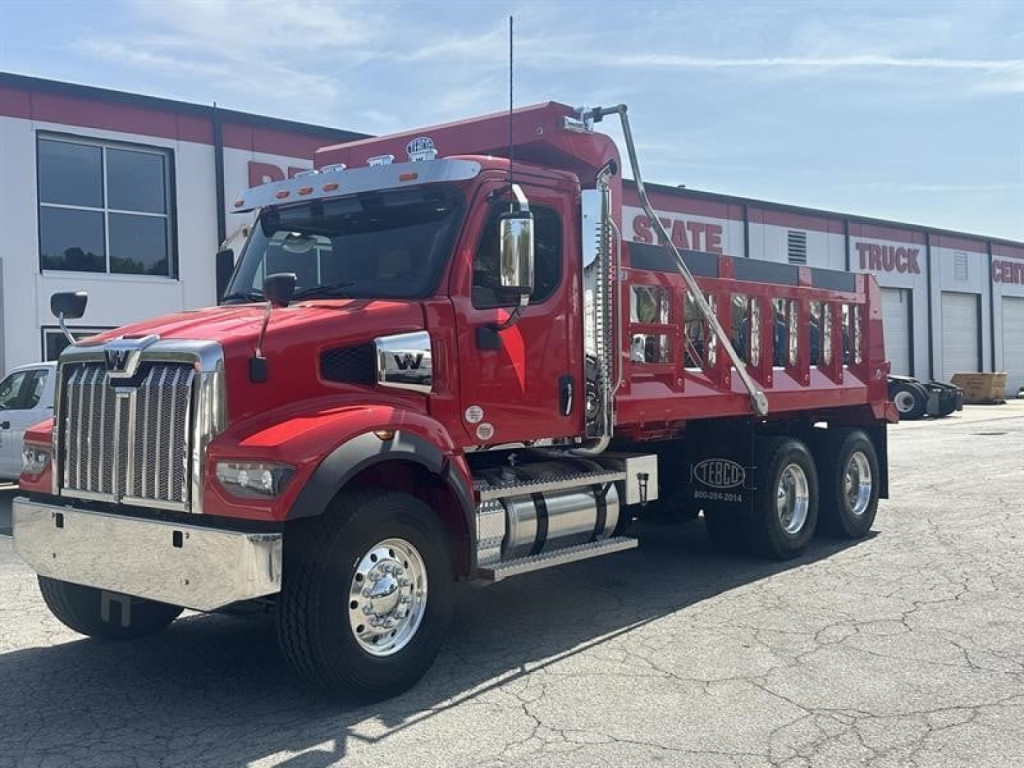
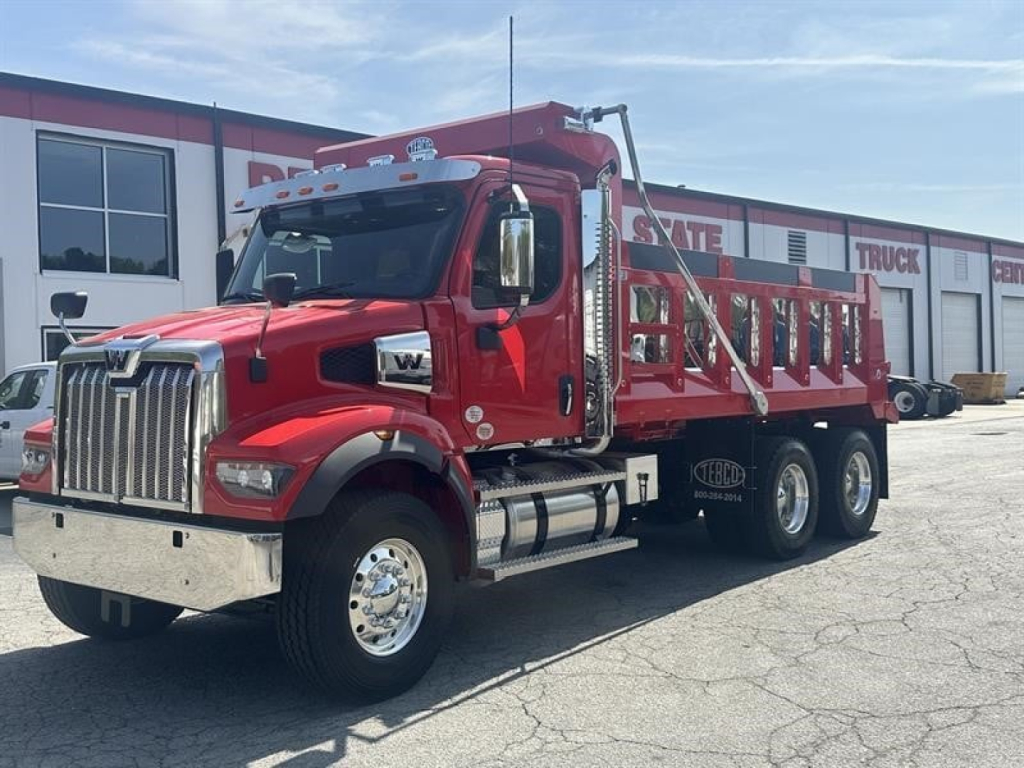
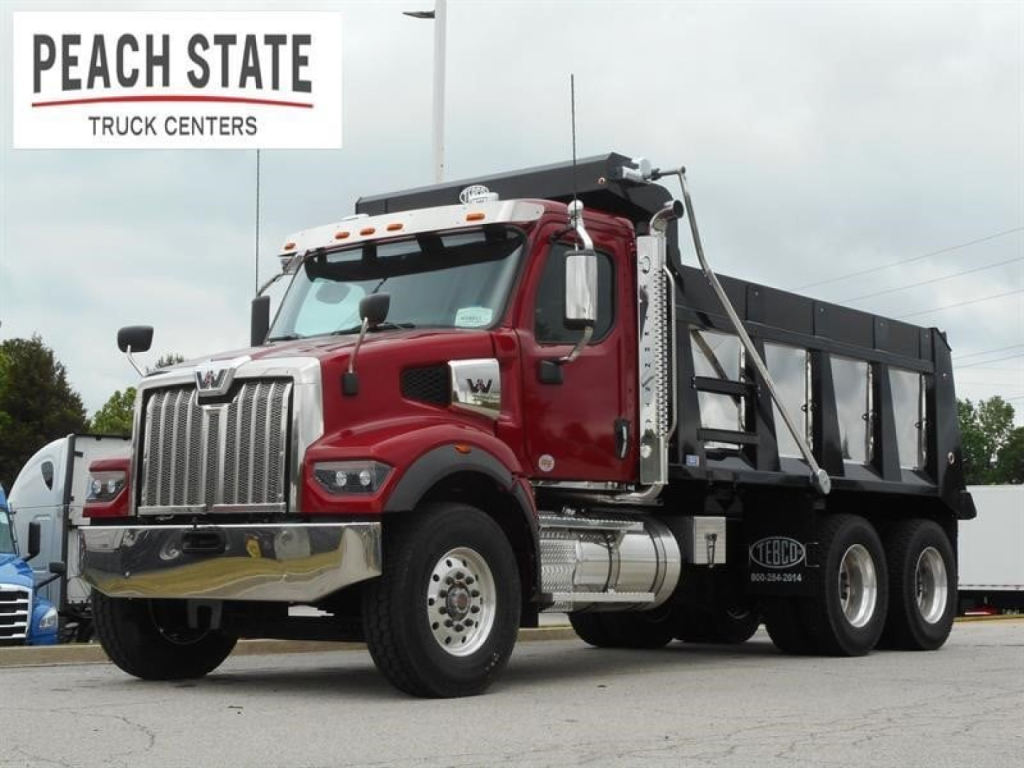
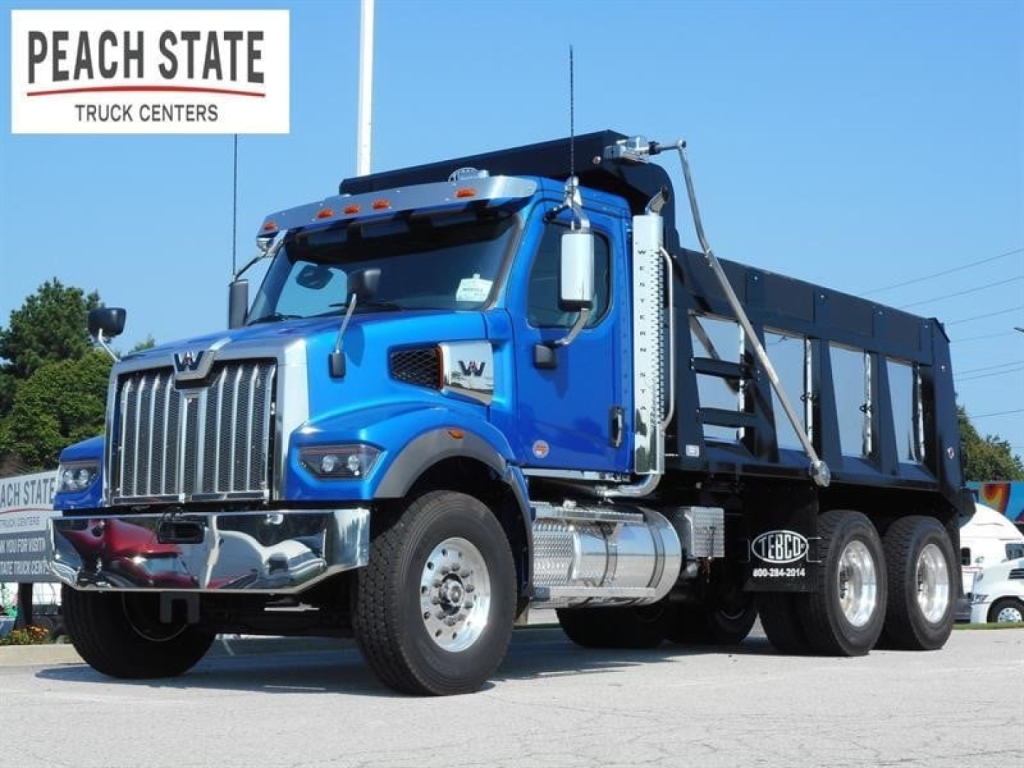
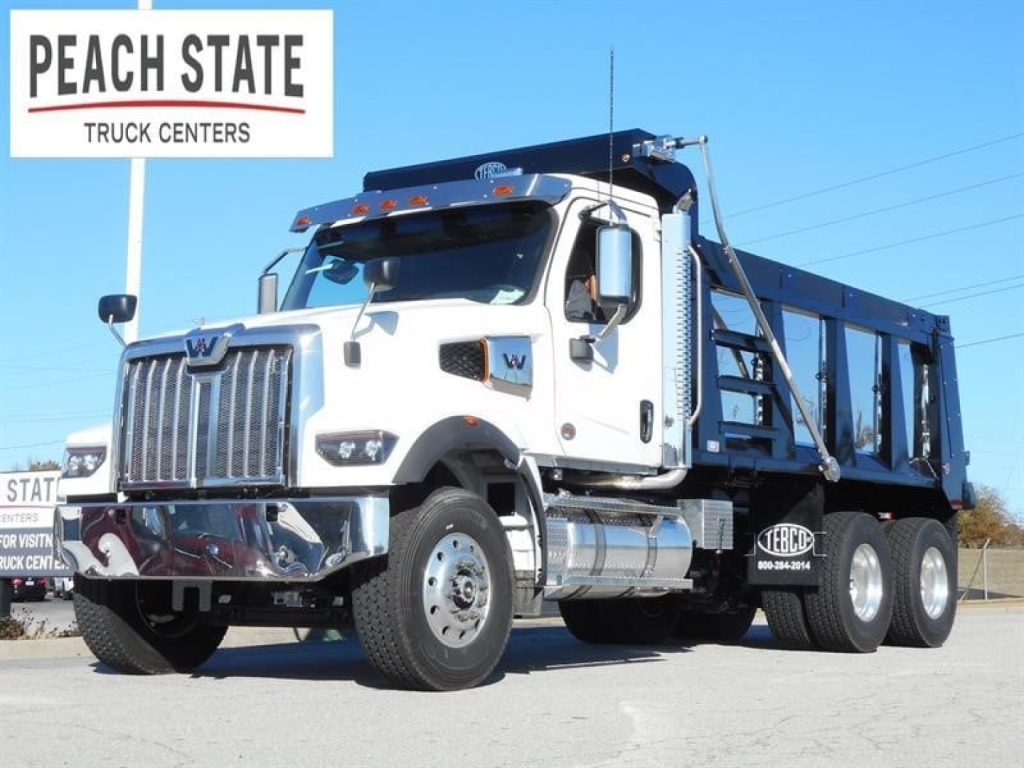
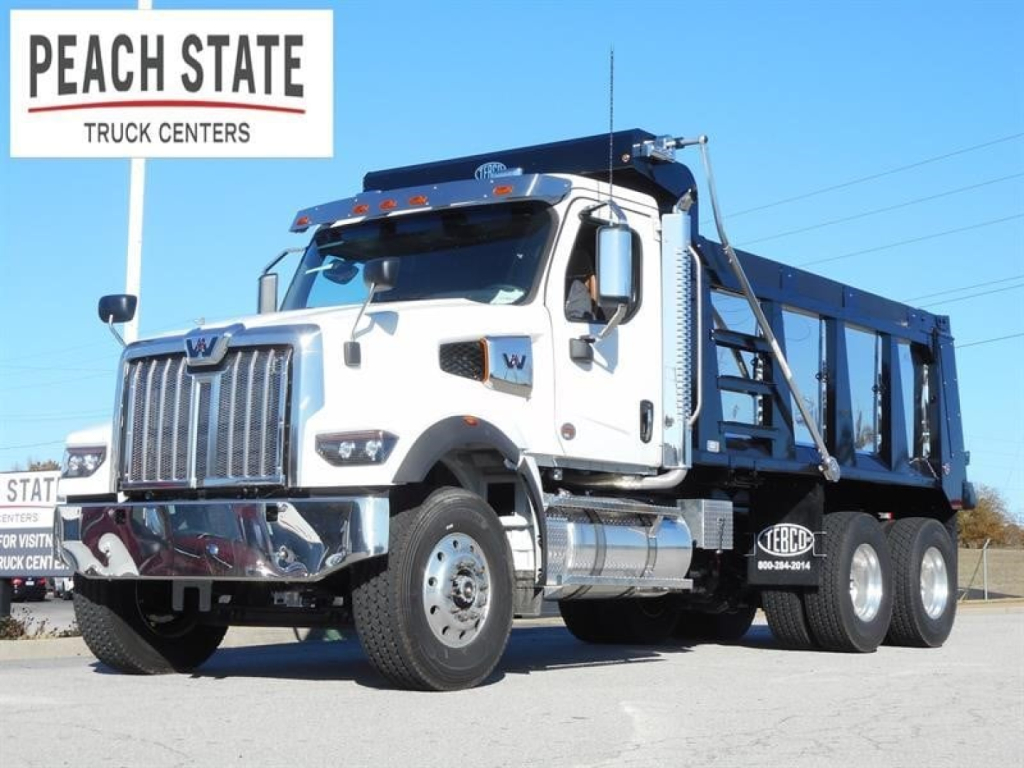
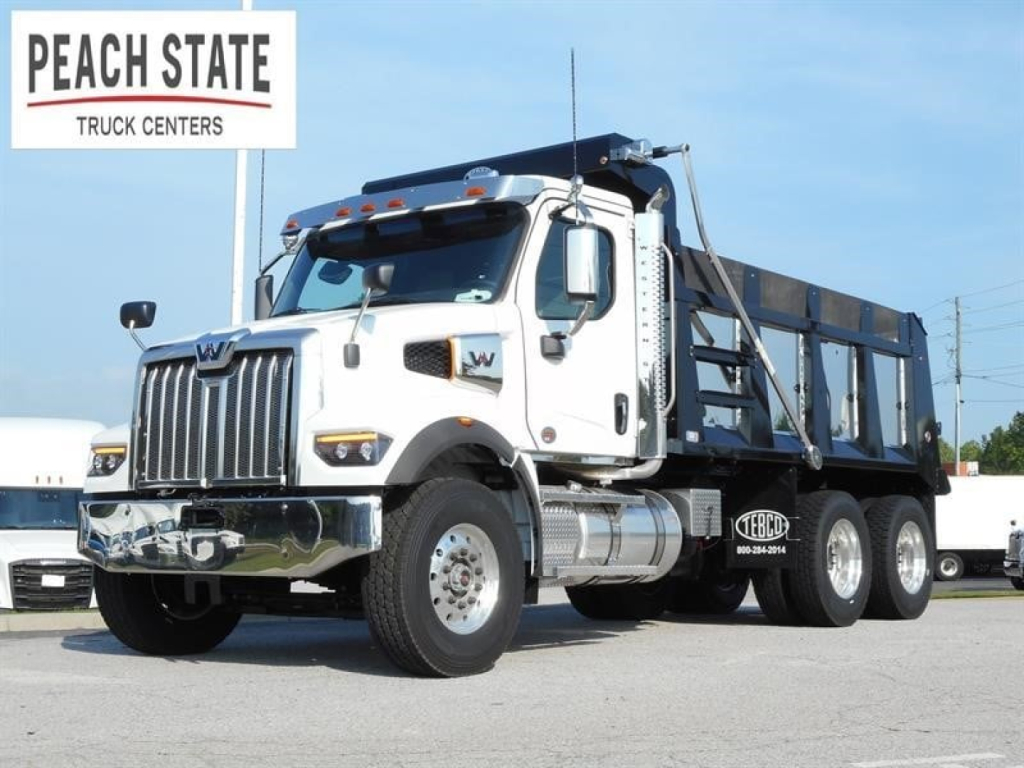
Selling a 2026 dump truck? List your 2026 dump truck for sale and reach thousands of commercial buyers.
2026 Dump Trucks in Georgia
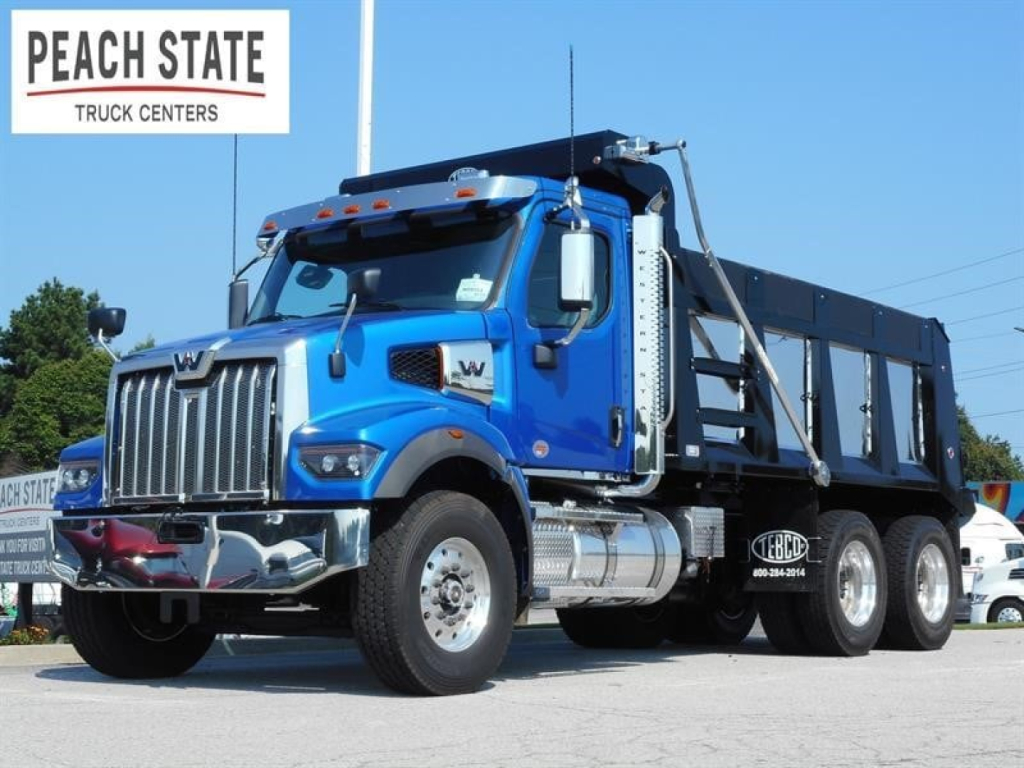
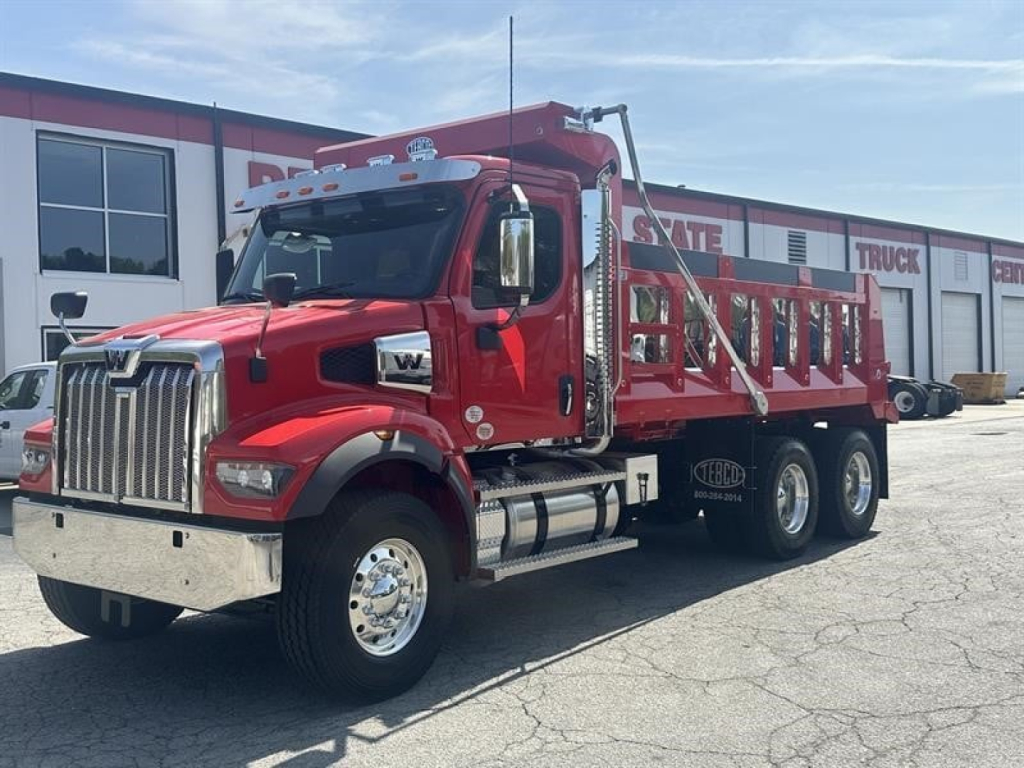
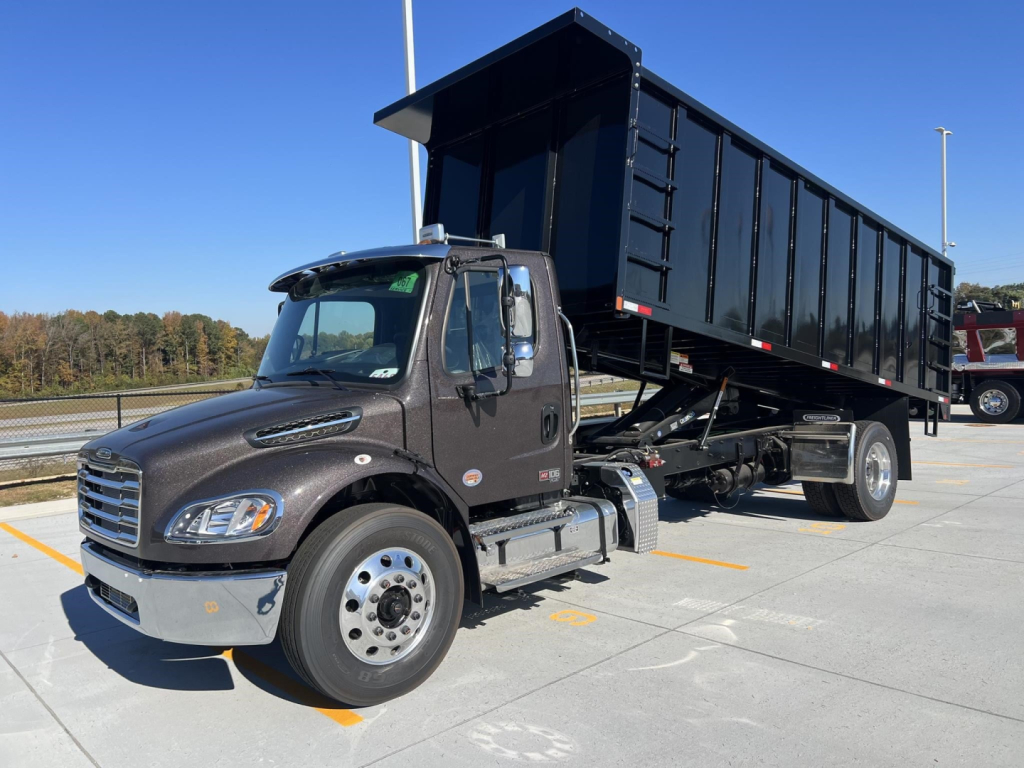
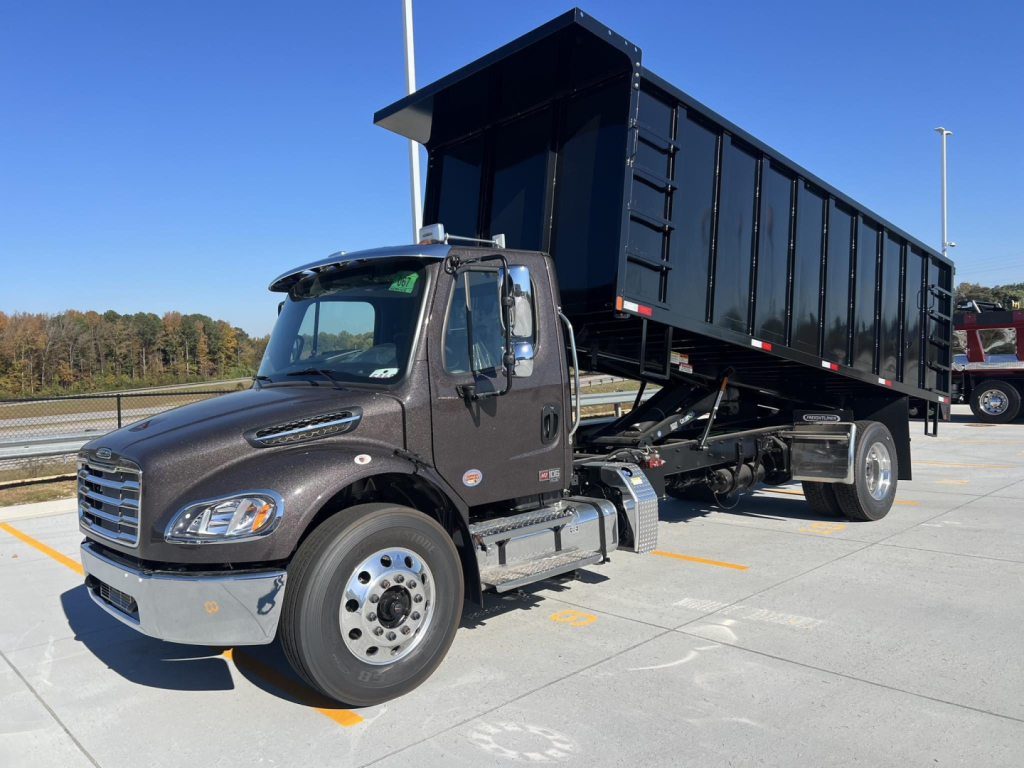
Body and hoist specs matter as much as the chassis. Typical dump bodies run from about 10 to 16 feet, with popular vocational setups using steel bodies for demolition, rock, asphalt, and mixed construction debris. Aluminum bodies can reduce tare weight in the right application, but many contractors in heavier-duty work still favor steel floors, reinforced sidewalls, and high-lift tailgates for abrasion resistance and impact durability. It is also worth checking side height, cubic yard rating, underbody or telescopic hoist design, tarp system type, and whether the truck is equipped for trailer towing, pintle applications, or additional hydraulic functions. Features like heated bodies, vibrator kits, coal chutes, and air-operated tailgates can make a real difference depending on the material being hauled.
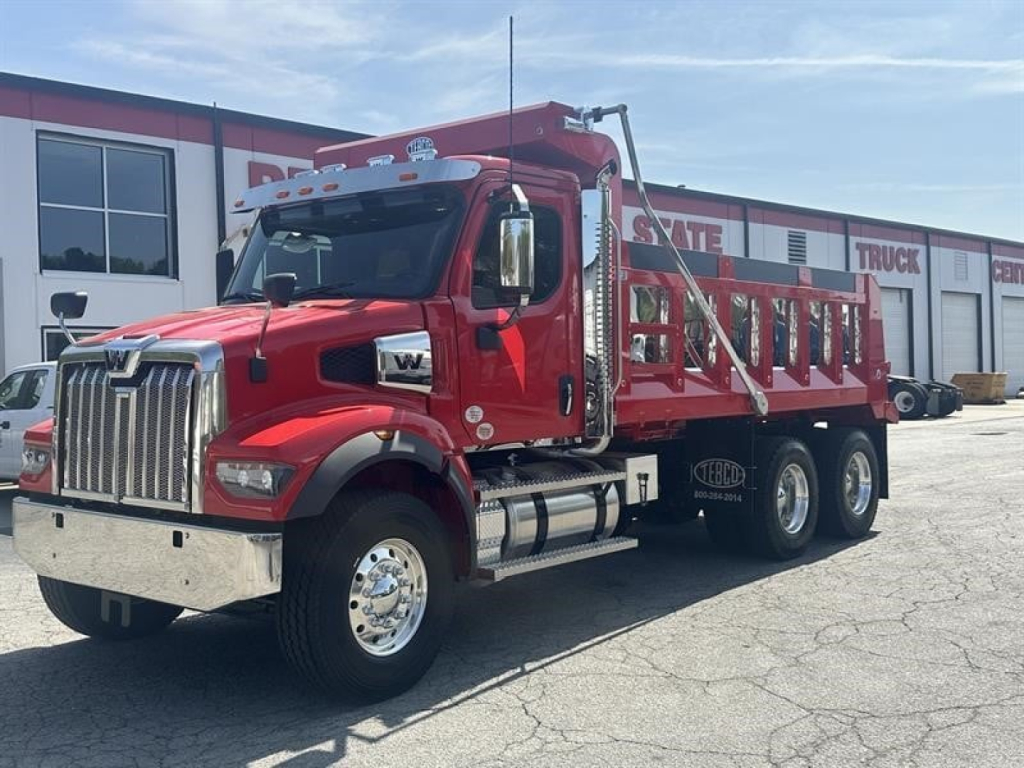
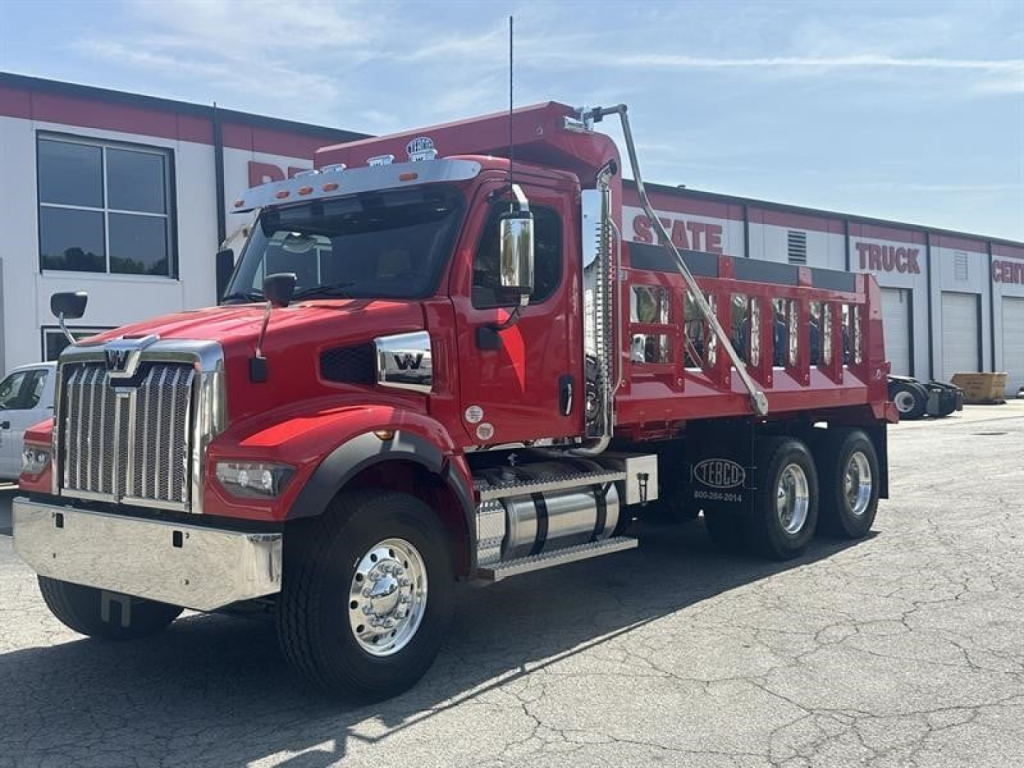
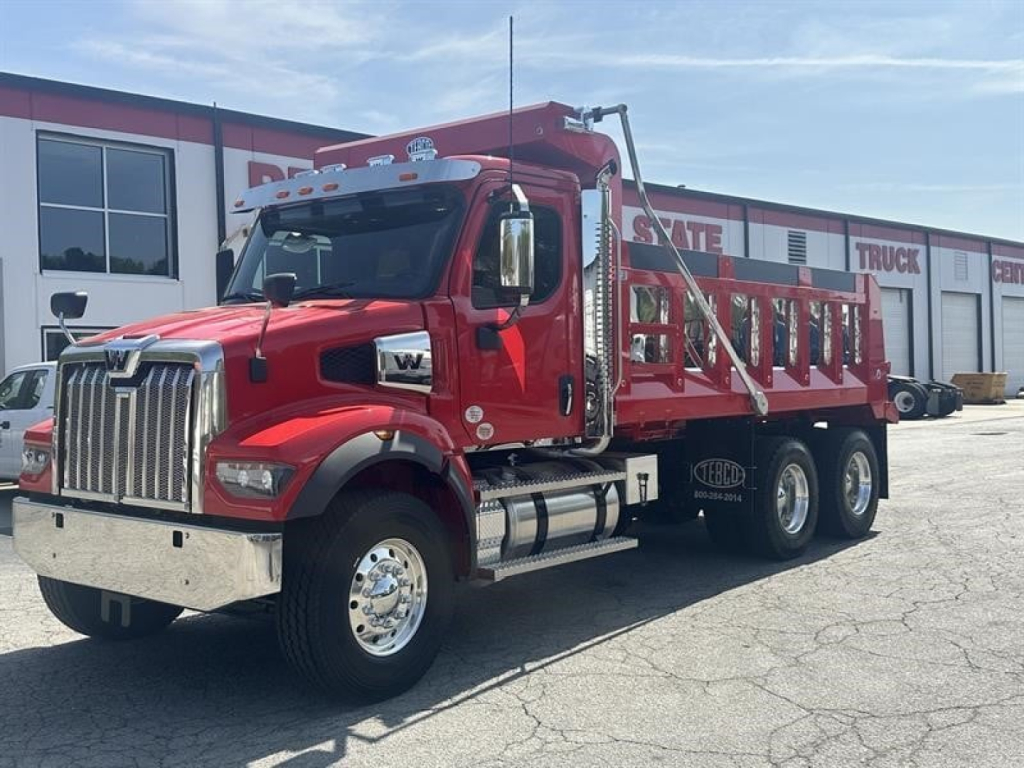
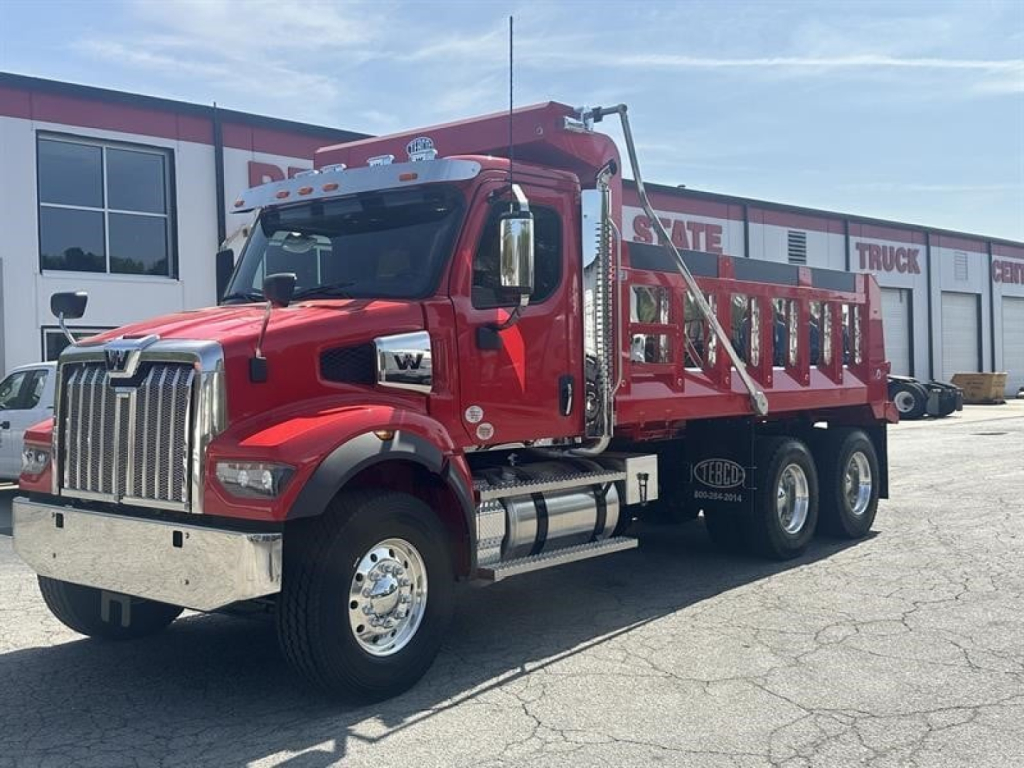
Chassis choice often comes down to operating environment. A vocational platform such as a Western Star 47X is typically aimed at demanding construction and severe-service work, while Freightliner M2 106 and Business Class M2 106 configurations are common for regional contractors that want a balance of visibility, serviceability, and upfit flexibility. Engine and transmission selection should match terrain, stop-and-go frequency, and legal payload targets. In Georgia, buyers often look for diesel engines with strong low-rpm torque, automatic or automated manual transmissions for easier driver training, full locking rears for traction, and suspension packages that can handle repeated off-pavement entry without excessive maintenance. Bridge formula, axle spacing, and local road restrictions should also be considered if the truck will cross county lines or run state-funded projects.
A good dump truck spec is the one that fits the material, not just the body size. Sand, gravel, asphalt, millings, topsoil, broken concrete, and storm debris all load and discharge differently, and that affects floor thickness, liner needs, gate style, and hoist capacity. Buyers should pay close attention to empty weight, legal payload, body manufacturer, frame reinforcement, brake setup, tire size, and any factory or upfitter integration for controls and hydraulics. The best 2026 dump trucks for sale in Georgia are usually the ones with a well-matched vocational spec, not simply the highest horsepower or biggest body.
Frequently Asked Questions about 2026 Dump Trucks in Georgia
What is the most important spec to compare on a 2026 dump truck?
GVWR and axle ratings are usually the first specs to verify because they determine how much payload the truck can legally and safely carry. After that, buyers should compare body length, cubic yard capacity, empty weight, and hoist design. A truck with a large body is not automatically the better choice if the chassis, suspension, or bridge spacing limits legal payload.
What body size is common for dump trucks in this category?
Many dump trucks in this class are equipped with bodies from roughly 10 to 16 feet, depending on the chassis and application. Shorter bodies are often preferred for tighter jobsites and urban work, while longer bodies can improve volume for lighter materials. The right choice depends on what the truck hauls most often, how it loads, and how much maneuverability is required on the job.
Is a steel or aluminum dump body better?
Steel bodies are typically preferred for aggregate, demolition, asphalt, and other abrasive or impact-heavy materials because they offer better resistance to wear and damage. Aluminum bodies reduce weight and can improve payload in lighter-duty applications, but they are not always the best fit for severe-service work. Material type, loading method, and expected abuse level should guide that decision.
Are automatic transmissions common in newer dump trucks?
Yes. Automatic and automated manual transmissions are increasingly common in newer dump truck specs because they simplify driver training, reduce fatigue in stop-and-go work, and can improve consistency across multiple operators. They are especially useful in municipal, paving, and urban construction applications where frequent starts, backing, and tight maneuvering are part of the daily cycle.
What should a buyer in Georgia look for in a dump truck spec?
A Georgia buyer should focus on payload laws, axle spacing, jobsite terrain, and the types of material commonly hauled in the region. Trucks used in metro construction may need better maneuverability and visibility, while trucks working quarries, grading sites, or rural road projects may need heavier suspensions, locking differentials, and more robust body construction. Climate also matters, especially for tarp systems, cooling performance, and body options suited to asphalt or wet material handling.