
2026 Dump Trucks For Sale in Florida
Browse 2026 dump trucks for sale in Florida, including landscape, chipper, and contractor dump bodies with diesel, gas, and CDL-friendly GVWR options.

Selling a 2026 dump truck? List your 2026 dump truck for sale and reach thousands of commercial buyers.
2026 Dump Trucks in Florida
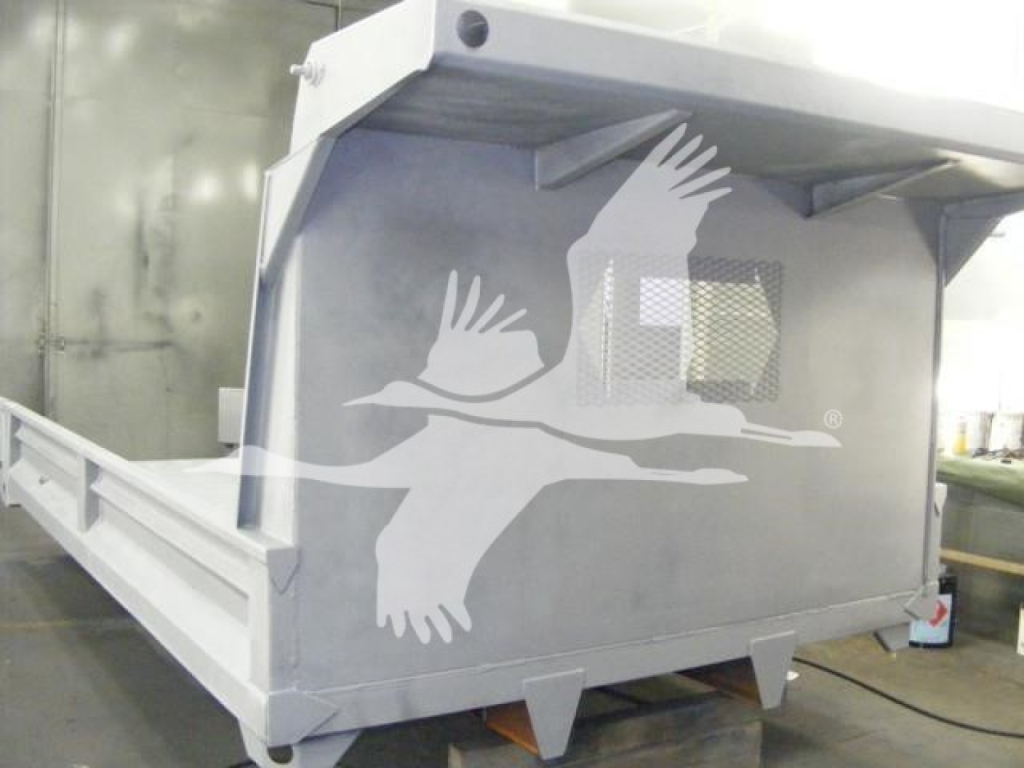
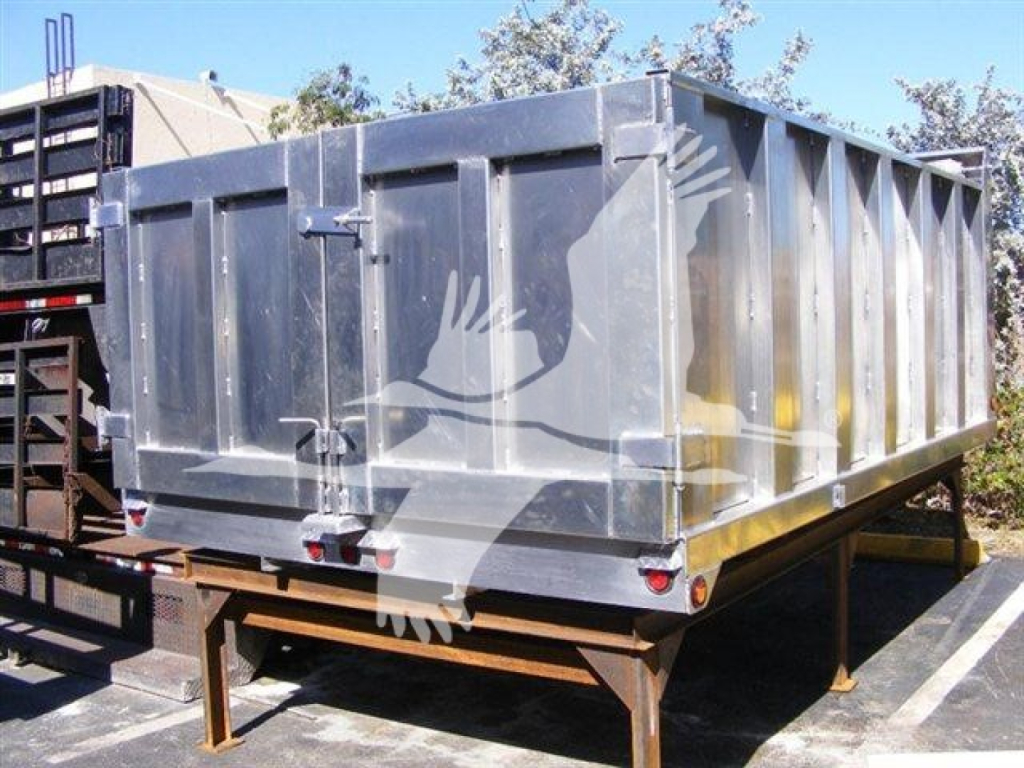
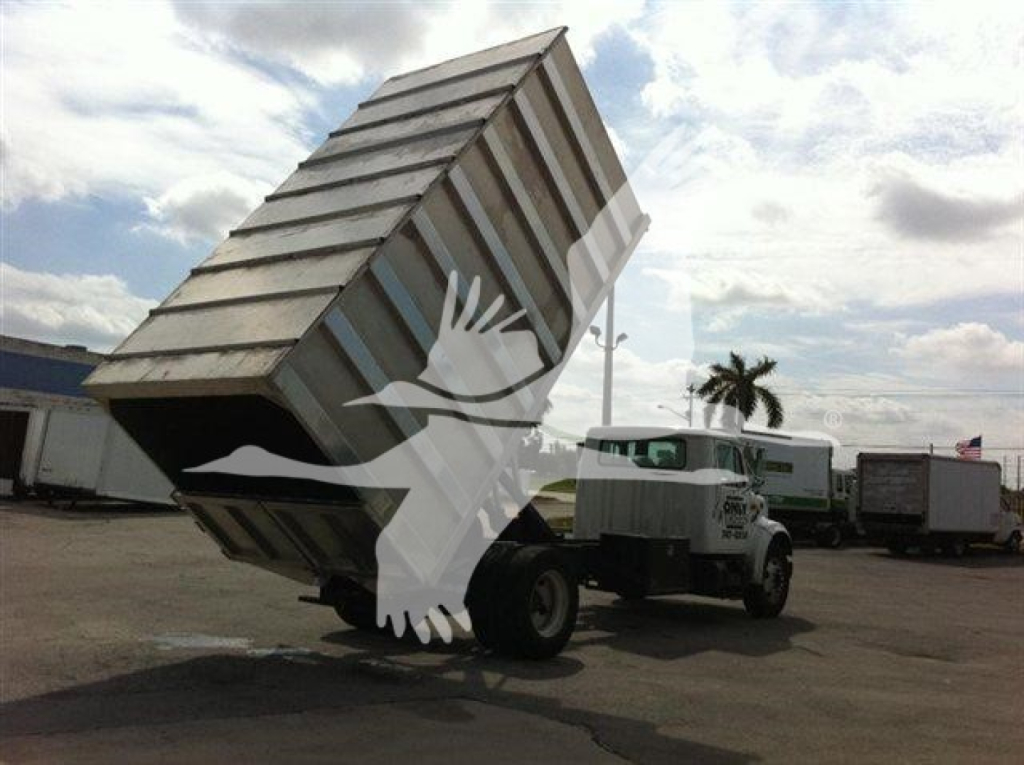
The first buying decision is usually payload versus corrosion resistance. Aluminum dump bodies are popular in Florida because they resist rust, keep tare weight down, and work well for mulch, brush, storm debris, and general landscape material. Steel bodies still make sense when the truck will see heavier aggregate, demolition debris, or rough loading conditions. Bed lengths in this class commonly run around 10 to 15 feet, with side heights ranging from roughly 40 inches to over 70 inches depending on whether the truck is set up for loose material or high-volume brush and chip loads. Look closely at floor thickness, crossmember spacing, longsill construction, and rear door design. Barn doors, single-swing gates, combo gates, and chipper tops all affect how easily the truck loads, hauls, and unloads.
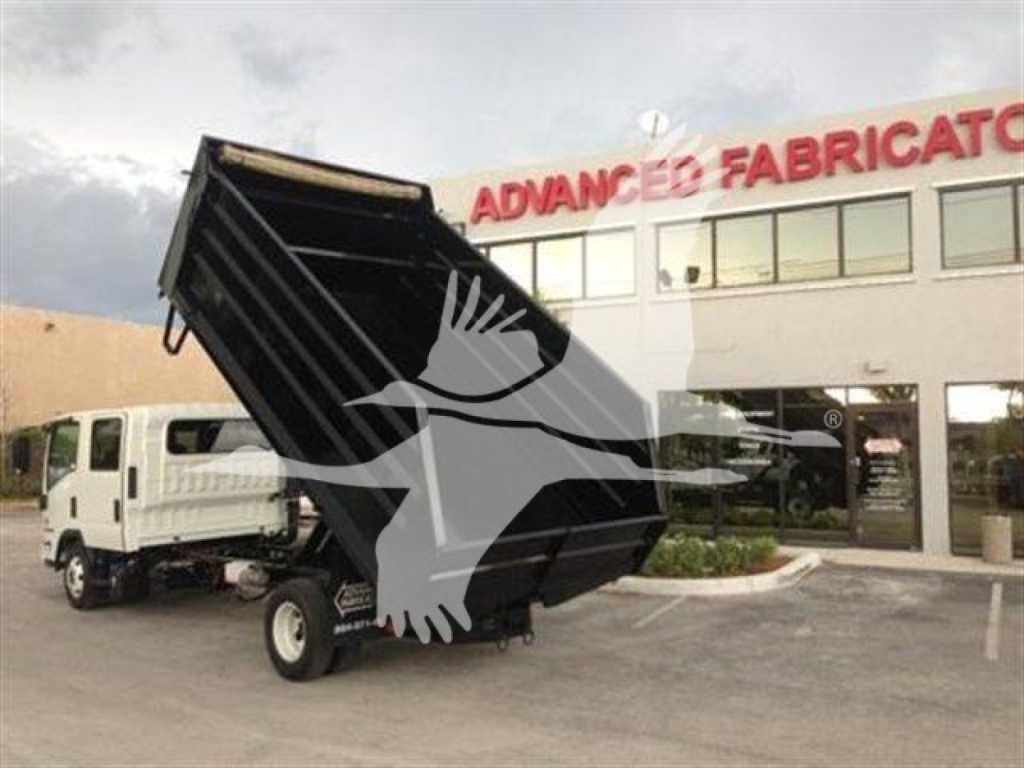
Hoist layout and chassis spec should be matched to the job cycle. Electric-over-hydraulic hoists are common on lighter dump bodies and are well suited for landscaping and municipal stop-and-go work. Some bodies use scissor lifts, while others use underbody telescopic designs. Buyers should also verify GVWR, axle ratings, wheelbase, cab configuration, and hitch equipment. Regular cab trucks maximize body length in a compact footprint, while crew cabs add labor capacity for tree crews, fence crews, and public works departments. In Florida, frame-mounted hitches, pintle packages, electric trailer brakes, and 7-way plugs are especially useful for operators pulling equipment trailers, mini skid steers, stump grinders, or compact excavators behind the truck.
Details that improve daily uptime are worth attention on a 2026 dump truck. A tarp system is essential for legal road use and cleaner transport, and many buyers prefer manual crank or integrated arm systems that are simple to maintain. Toolboxes, board pockets, shovel racks, LED body lighting, backup cameras, and easy-to-latch tailgates all matter when the truck is used by multiple drivers. If the application includes tree work or storm cleanup, higher sidewalls and larger cubic-yard capacity can be more valuable than raw payload. If the truck will carry dense material, focus on legal axle loading, brake performance, suspension durability, and body floor strength. The best dump truck in this class is the one whose chassis rating, body design, and unloading system match the material being hauled every day.
Frequently Asked Questions about 2026 Dump Trucks in Florida
What is the difference between a landscape dump truck and a contractor dump truck?
A landscape dump truck is usually built for volume rather than extreme weight. It often has taller sides, lighter aluminum construction, and configurations intended for mulch, brush, leaves, and mixed debris. A contractor dump truck is typically set up for denser payloads such as gravel, sand, broken concrete, and jobsite material, so buyers often look for heavier steel floors, stronger crossmembers, and more robust hoist designs. The right choice depends on whether the truck will be cube-limited or weight-limited in daily use.
Is aluminum or steel better for a dump truck body in Florida?
Aluminum is a strong choice in Florida for many buyers because it helps resist corrosion in a humid, coastal environment and reduces empty vehicle weight, which can improve usable payload on lighter chassis. Steel is still preferred for harsher loading conditions and repeated hauling of abrasive, heavy material. Buyers who haul brush, landscape material, and municipal debris often lean toward aluminum, while buyers handling aggregate or demolition material may prefer steel despite the added weight.
What GVWR range is common for this type of dump truck?
Many medium-duty dump trucks in this category fall in the 14,500 to 19,500 pound GVWR range, especially on cabover and Class 4 through Class 5 chassis. That range is popular because it supports landscape, arborist, and municipal applications without moving into a much larger truck footprint. The correct GVWR should be based on body weight, expected payload, passenger count, trailer use, and local operating requirements, not just licensing preference.
What body features matter most on a chipper dump or trash dump truck?
High sidewalls, rear door configuration, cubic-yard capacity, tarp system design, and hoist performance are the key features. Chipper and trash dump trucks are commonly used for light but bulky material, so side height and body volume can matter more than maximum payload. Buyers should also check how the rear door opens for unloading brush, whether the body includes tool storage or shovel racks, and whether the hoist provides enough dump angle for wet debris or compacted loads.
Should I choose a regular cab or crew cab dump truck?
A regular cab usually gives you a shorter overall wheelbase or more usable body length on the same chassis, which is helpful in tight urban areas and for maximizing dump body size. A crew cab makes sense when the truck regularly carries a work crew, such as landscapers, tree teams, or municipal laborers. The tradeoff is that crew cabs can reduce body length options and add curb weight, so the best choice depends on whether labor capacity or payload efficiency is more important to the operation.