
Used Freightliner Digger - Derrick Trucks For Sale in Washington

Have used freightliner digger - derrick truck to sell? List it here to reach thousands of buyers.
Used Freightliner Digger - Derrick Trucks in Washington
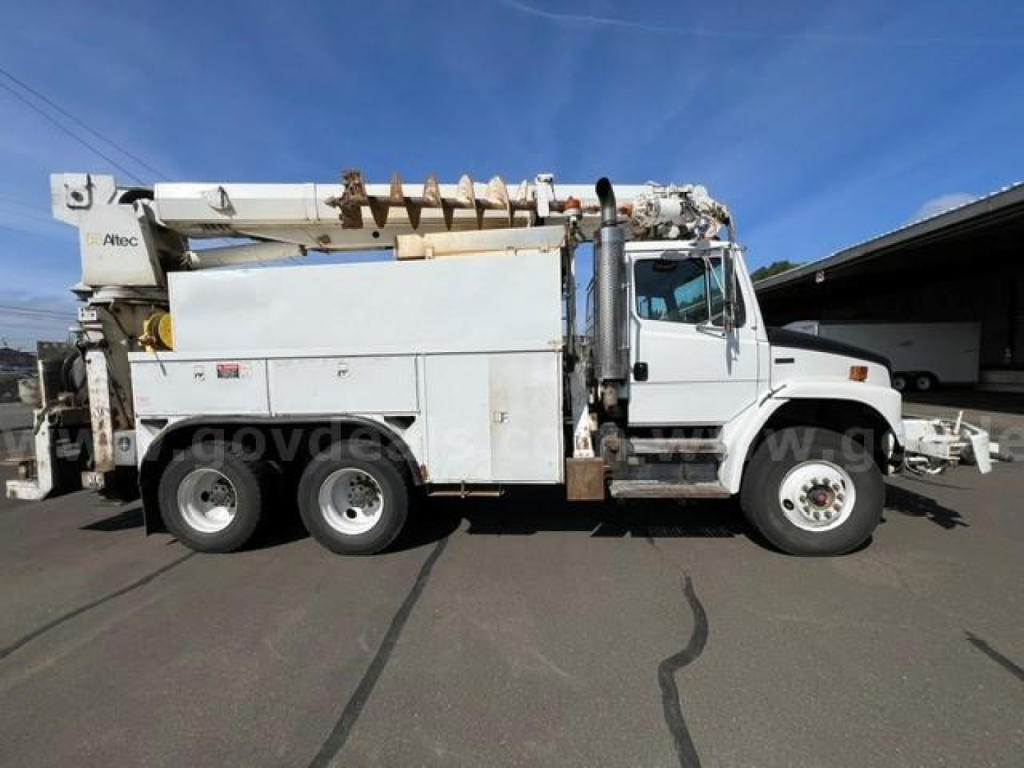
On used units, the key decision is capacity versus reach. Digger derricks vary widely in sheave height, digging depth, boom articulation, winch rating, and auger torque, and those differences matter more than odometer readings alone. Many trucks in this class are equipped with Altec, Terex, or Elliott derrick bodies, often with pole-setting forks, hydraulic tool circuits, outriggers, and operator controls at both the pedestal and remote station. A Freightliner M2 106 is a common platform, usually spec'd with an automatic or automated transmission, PTO-driven hydraulics, and a GVWR suitable for utility upfit work. If the truck will spend time on narrow county roads, soft shoulders, or neighborhood easements, outrigger spread, axle loading, turning radius, and overall body length deserve close attention.
Used digger derricks should be inspected like two machines in one. On the chassis side, check engine hours, idle time, service records, front axle wear, brake condition, suspension bushings, tire date codes, and any evidence of frame modification around the body install. On the derrick side, pay close attention to hydraulic leaks, boom pin wear, rotation bearing condition, winch line condition, auger drive performance, outriggers, and the integrity of the subframe. A current dielectric test may matter if the unit includes an aerial device function, and annual inspection records are especially important on utility fleet retirements. Government and municipal trucks can have low miles, but many also accumulate long idle hours and PTO hours, so hour-meter data is valuable when available.
Freightliner digger derrick trucks are also known as pole trucks or utility digger derricks, though the exact terminology varies by fleet. The best used choice is the one that matches your normal pole class, soil conditions, and crew workflow without carrying unnecessary boom or body weight. Buyers in Washington should also consider corrosion exposure, hillside job access, and whether the unit's drivetrain, tire setup, and hydraulic controls fit local operating conditions. A clean chassis is helpful, but the real value in this category is a derrick package with documented inspections, stable hydraulics, predictable PTO operation, and a body configuration that can go straight to work.
Frequently Asked Questions about Used Freightliner Digger - Derrick Trucks in Washington
What should I inspect first on a used Freightliner digger derrick truck?
Start with the derrick system, not just the cab and engine. Check boom operation, auger drive, winch function, hydraulic leaks, outrigger performance, rotation smoothness, and any visible cracking or repairs on the subframe and body mounts. Then review chassis condition, including engine hours, PTO hours if available, front axle wear, brake condition, and tire age. A digger derrick is a vocational machine, so service history and inspection records often tell you more than mileage alone.
Is a Freightliner M2 106 a good chassis for a digger derrick?
Yes. The Freightliner M2 106 is one of the more common medium-duty platforms for digger derrick applications because it offers a good balance of wheelbase options, vocational durability, driver familiarity, and service support. It is widely used for utility and municipal upfits and can be configured to handle common derrick packages from major body manufacturers. The right spec still depends on front axle rating, rear axle rating, PTO compatibility, and how much boom and tool weight the truck is expected to carry.
How important are PTO hours on a used digger derrick?
PTO hours are very important because a digger derrick often spends significant time operating stationary hydraulic equipment. A truck can show relatively low road miles but still have heavy use on the boom, auger, and winch systems. High PTO time can affect hydraulic pumps, hoses, valves, outriggers, and wear points in the derrick assembly. If PTO or engine hour data is available, compare it against the truck's age, maintenance records, and overall condition.
What body and equipment features matter most on a used digger derrick?
The most important features depend on your work mix, but buyers usually focus on sheave height, boom capacity, auger torque, winch rating, pole-setting forks, outrigger configuration, and control layout. Tool circuits, remote controls, backup cameras, inverters, and storage compartments can also add real operating value. For utility and contractor work, make sure the derrick package matches your typical pole size, hole depth, and access conditions rather than simply choosing the biggest boom available.
Are ex-municipal or government digger derrick trucks a good buy?
They can be, especially when they come with documented maintenance and regular inspection histories. Many government-owned digger derricks have low mileage and may have been used within a limited service area, which can reduce chassis wear. The tradeoff is that they may have accumulated a lot of idle time and PTO use, and some units sit for long intervals between work cycles. A careful inspection of hydraulics, seals, hoses, and boom functions is essential before purchase.