
Freightliner Day Cab Trucks For Sale in Florida
Browse Freightliner day cab trucks built for regional hauling, port work, and local delivery with spec insights on engines, axles, wheelbase, and PTO use.
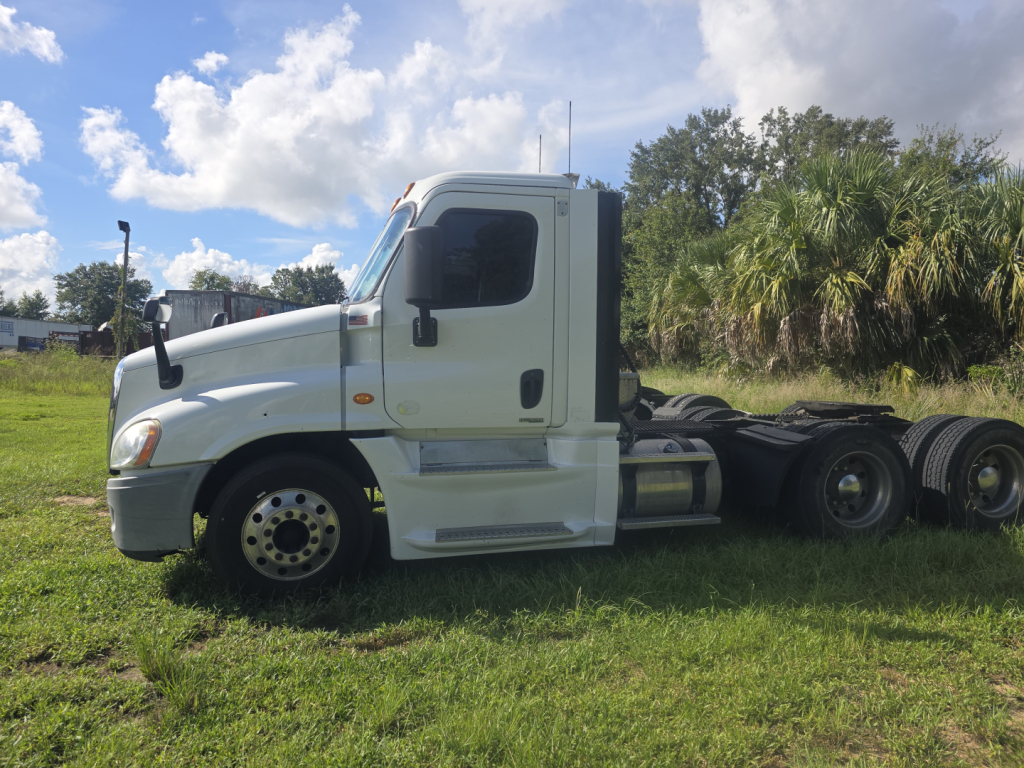
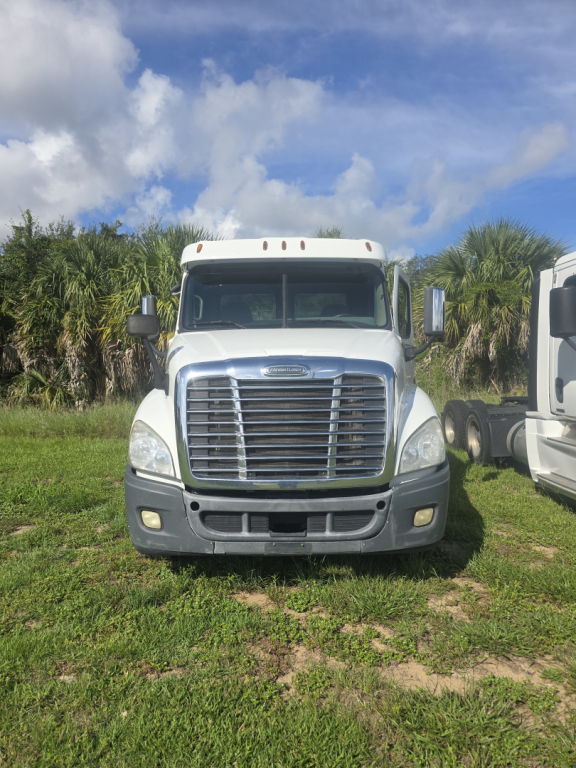
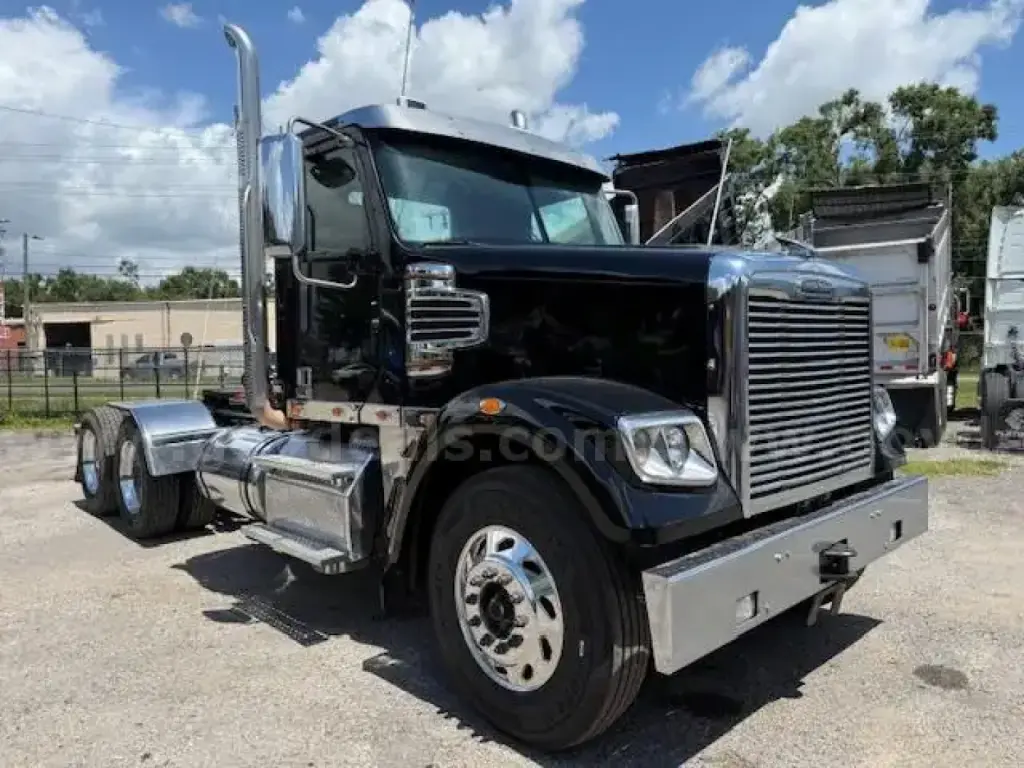
Selling a freightliner day cab truck? List your freightliner day cab truck for sale and reach thousands of commercial buyers.
Freightliner Day Cab Trucks in Florida
Common Freightliner day cab models include the Cascadia and Coronado, with specs ranging from fuel-efficient fleet setups to heavier vocational-leaning configurations. Detroit power is especially common, including the DD13 and DD15, typically matched to manual, automated manual, or fully automatic transmissions depending on the application. A 10-speed or 12-speed setup is still popular for buyers who want simplicity and control, while automated manuals can help with driver turnover and urban routes. Rear axle ratios, horsepower, and suspension spec matter more than many buyers expect. A tall highway ratio can save fuel on steady regional lanes, but a deeper ratio is often the better choice for heavy starts, tanker work, or frequent low-speed operation.
Cab layout and frame spec deserve a close look on any Freightliner day cab. Day cabs are also known as cab-and-chassis road tractors without a sleeper, and they are often chosen for easier ingress and egress, better visibility around terminals, and reduced overall length. Check for frame condition, fifth wheel type, wheelbase, and whether the truck has a sliding or fixed fifth wheel based on trailer interchange needs. PTO and hydraulic setups may be important for dump, tanker, or specialized trailer applications. Buyers in Florida should also pay attention to cooling system health, A/C performance, corrosion exposure near coastal environments, and tire condition because heat, humidity, and frequent low-speed work can accelerate wear in ways that do not always show up on a basic spec sheet.
The best Freightliner day cab is the one spec'd for the job, not just the one with the highest horsepower. A regional dry van tractor may do well with a lighter spec and aerodynamic package, while a heavy-haul or port unit may need stronger axle capacity, a shorter wheelbase, and gearing that favors launch over top-end cruise efficiency. Review service history, emissions system maintenance, brake type, tire size, and suspension design before comparing price alone. Freightliner remains a strong choice in this category because parts access, dealer support, and familiar Detroit drivetrains make ownership more predictable for many fleets and owner-operators.
Frequently Asked Questions about Freightliner Day Cab Trucks in Florida
What is a Freightliner day cab truck best used for?
A Freightliner day cab truck is best suited for local, regional, and return-to-base operations that do not require overnight accommodations. Common uses include container drayage, tanker work, food and beverage distribution, flatbed hauling, dump trailer service, and dedicated short-haul freight. The absence of a sleeper reduces overall length and weight, which can improve maneuverability and payload flexibility depending on the application.
Which engine and transmission combinations are common in Freightliner day cabs?
Many Freightliner day cab trucks are equipped with Detroit engines such as the DD13 or DD15, although Cummins power may appear in some specs. Transmissions commonly include Eaton-Fuller manual gearboxes, automated manuals like the DT12, and in certain vocational or specialty applications, full automatics. The right combination depends on route profile, gross weight, driver preference, and how much stop-and-go work the truck will see.
What should buyers inspect on a used Freightliner day cab?
Key inspection points include engine service records, aftertreatment history, transmission operation, clutch condition on manual units, suspension wear, brake system type and remaining life, frame condition, and fifth wheel wear. Buyers should also verify wheelbase, rear axle rating, ratio, and PTO equipment against the intended job. In Florida, cooling performance, air conditioning output, and signs of corrosion from coastal exposure deserve extra attention.
Is a shorter wheelbase better on a Freightliner day cab?
A shorter wheelbase improves turning radius and is often preferred for ports, city work, and crowded job sites. That said, shorter is not always better. Trailer type, bridge law requirements, ride quality, and weight distribution all affect the ideal wheelbase. Buyers should match wheelbase to trailer swing clearance, kingpin setting, and axle placement rather than assuming the shortest truck is the best fit.
Are Freightliner day cabs good for fleet and owner-operator use?
Freightliner day cabs are a strong fit for both fleets and owner-operators because they are widely supported, familiar to technicians, and available in a broad range of specs. Fleets often value consistent parts availability and standardized maintenance, while owner-operators may prioritize Detroit drivetrains, resale strength, and easier sourcing of service information. The platform works well when the truck is spec'd correctly for payload, route, and trailer requirements.