
New 2026 Crane Trucks For Sale in Texas
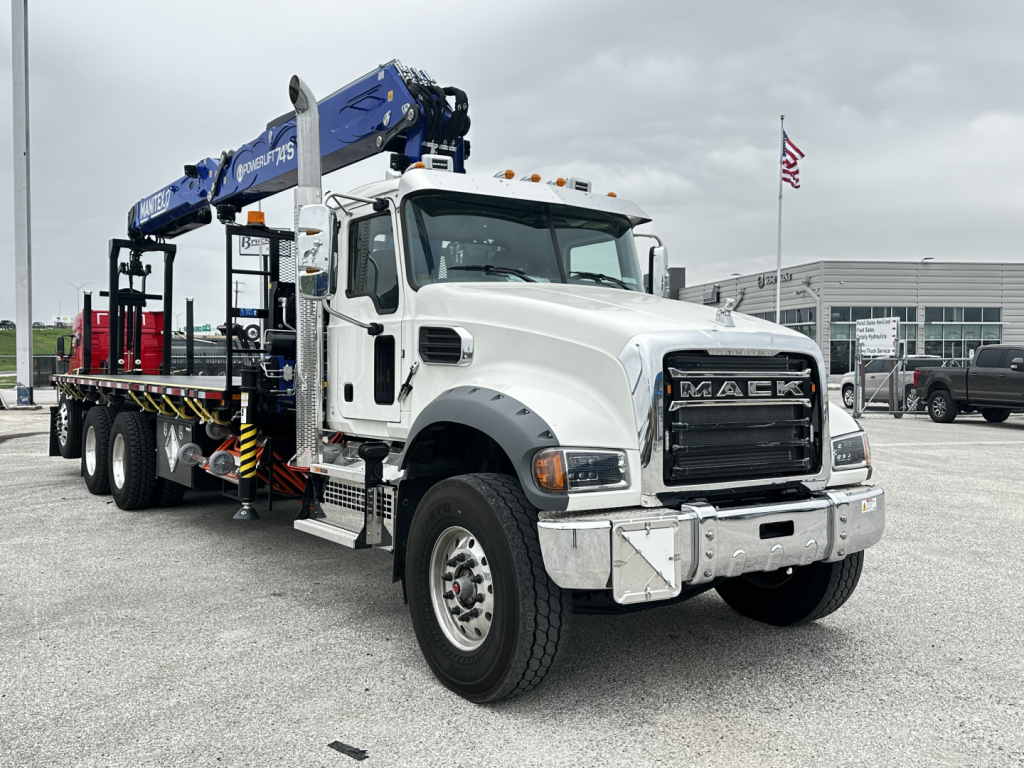
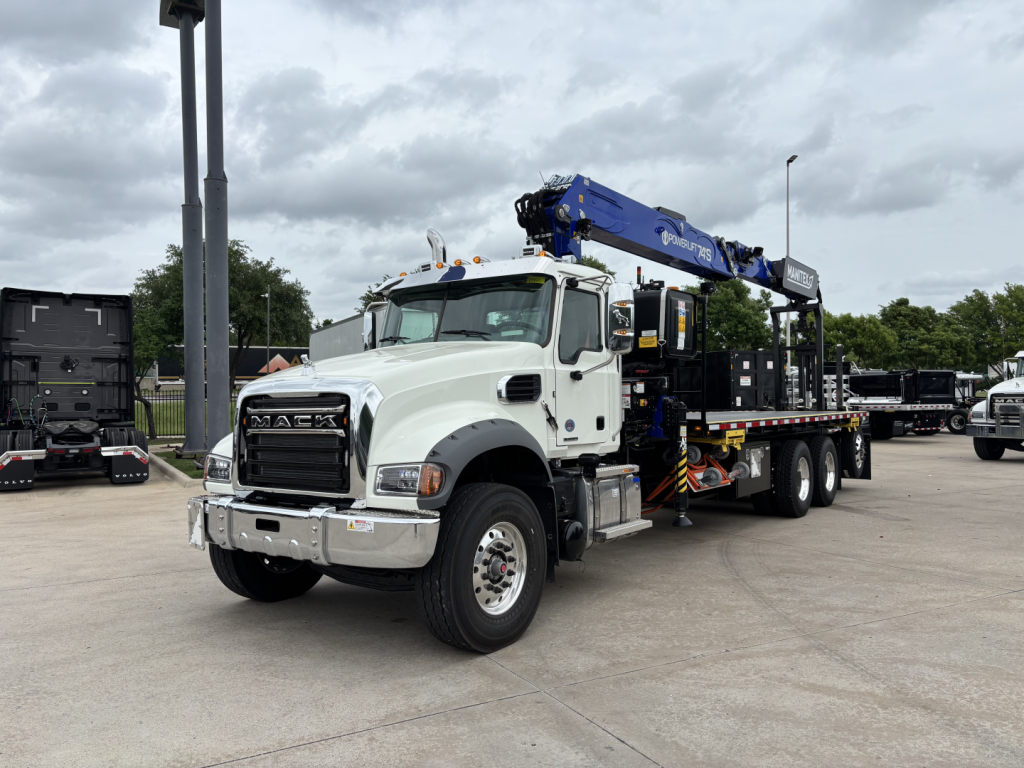
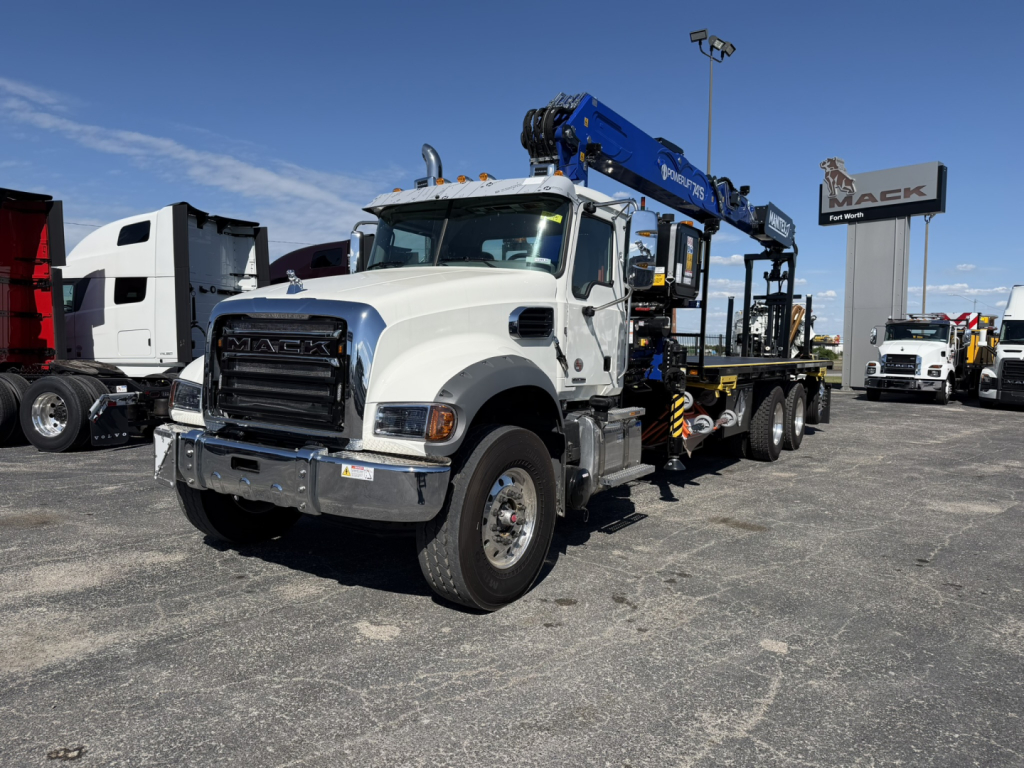
Have new 2026 crane truck to sell? List it here to reach thousands of buyers.
New 2026 Crane Trucks in Texas
The main buying decision is matching the crane to the work cycle. Key specs include maximum lifting capacity, boom length, hydraulic reach, winch line pull, outrigger spread, and chart performance at radius. A truck that looks strong on maximum capacity may be limited once the boom is extended or the load is picked off the side, so stability and real working radius matter more than headline numbers. Buyers should also review frame reinforcement, PTO and hydraulic system sizing, body layout, and available payload after the crane, body, and outriggers are installed. On new units, it is worth checking for front axle capacity, rear suspension rating, and tire specification early in the process because crane installations can quickly consume available weight margin.
Texas applications often push crane trucks into mixed on-road and off-road duty, so chassis selection matters. Tandem axle and heavy front axle configurations are common when the crane is larger or when the body carries dense cargo such as pipe, equipment, or building materials. Allison automatic transmissions are popular for stop-and-go work, while diesel engine torque and PTO integration are critical for hydraulic performance. Body details also affect daily usability, including steel or aluminum beds, headache racks, tool compartments, dunnage storage, tie-down points, work lights, and air connections. If the truck will operate around uneven pads or tight urban sites, pay close attention to outrigger design, wheelbase, turning radius, and overall bridge formula compliance.
New 2026 crane trucks appeal to buyers who want current emissions hardware, updated safety systems, and a fresh factory warranty on both chassis and installed equipment. The best fit usually comes from balancing lift chart performance with legal payload, service access, and long-term durability rather than simply choosing the largest boom. For many fleets, the right crane truck is the one that can travel legally, set up quickly, lift confidently, and return to work every day with minimal downtime. That is especially important in Texas, where long travel distances, heat, and demanding jobsite conditions reward a well-matched chassis, crane, and body package.
Frequently Asked Questions about New 2026 Crane Trucks in Texas
What is the difference between a crane truck and a boom truck?
The terms are often used interchangeably, but buyers should look at the actual configuration instead of the label. A crane truck generally refers to a truck chassis fitted with a hydraulic crane and stabilizers, while boom truck can also describe roadable lifting trucks used for material handling and placement. In the marketplace, the important details are crane type, lift capacity, boom length, body style, and whether the unit is designed for service work, delivery work, or heavier lifting applications.
What specs matter most when buying a new 2026 crane truck?
The most important specs are crane capacity, working radius, boom length, outrigger spread, chassis GVWR, front axle rating, rear axle configuration, and PTO-hydraulic performance. Buyers should also confirm installed body weight, legal payload after upfit, frame reinforcement, and suspension capacity. A crane truck must be evaluated as a complete package because the crane, body, and chassis all affect stability, lift performance, and road legality.
Are crane trucks a good fit for Texas job conditions?
Crane trucks are a strong fit for many Texas operations because they combine transport and lifting in one machine. They are commonly used in construction supply delivery, utility service, oilfield support, equipment placement, and municipal maintenance. Texas buyers should pay close attention to cooling performance, heavy-duty suspension, off-pavement traction needs, and axle ratings because long distances, high temperatures, and variable site conditions can expose weak chassis or undersized hydraulic systems quickly.
How do outriggers affect crane truck performance and safety?
Outriggers are critical because they provide the stability needed to lift safely within the crane's load chart. A truck with a strong crane but limited outrigger spread may have reduced usable capacity in real job conditions, especially on side picks or extended-radius lifts. Buyers should review outrigger style, extension width, ground bearing requirements, and how the outrigger setup fits the types of sites the truck will enter. Proper outrigger design directly affects confidence, productivity, and safe lifting performance.
Is a tandem axle crane truck better than a single axle model?
A tandem axle crane truck is usually better for heavier cranes, larger bodies, and higher combined equipment weight, but it is not automatically the best choice for every fleet. Tandem axle setups typically offer more capacity, better weight distribution, and stronger support for larger upfits. Single axle units can be more maneuverable and more cost-effective for lighter service crane applications. The correct choice depends on the crane size, body weight, legal road limits, and the type of loads the truck will carry between jobs.