
New 2026 Crane Trucks For Sale
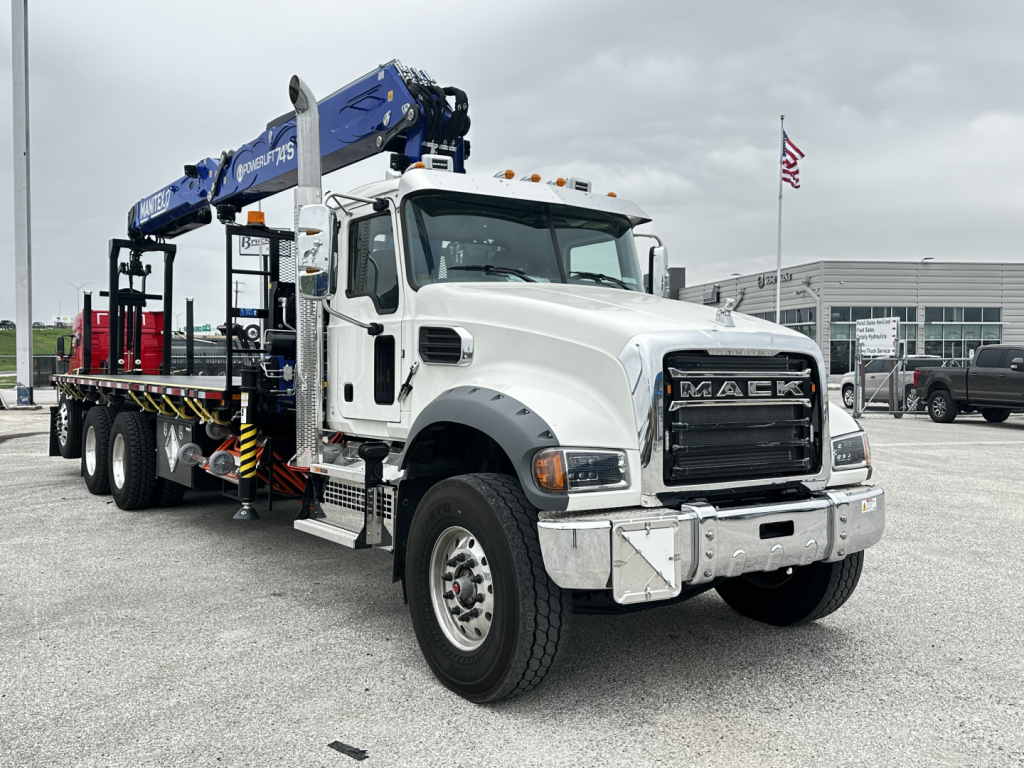
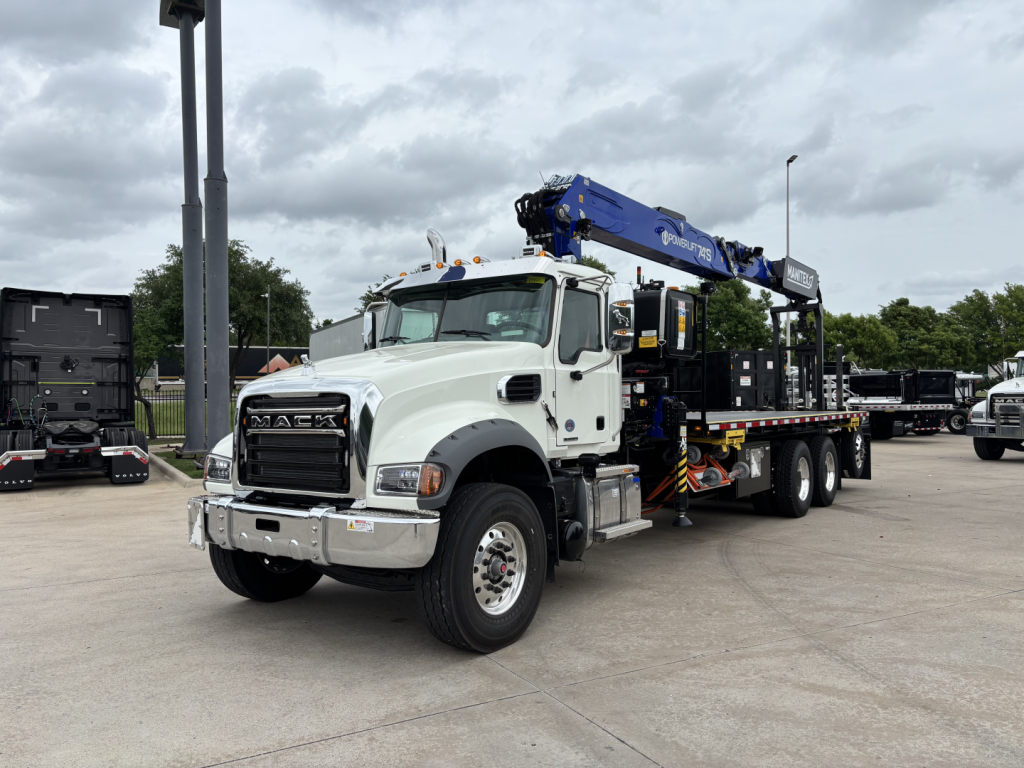
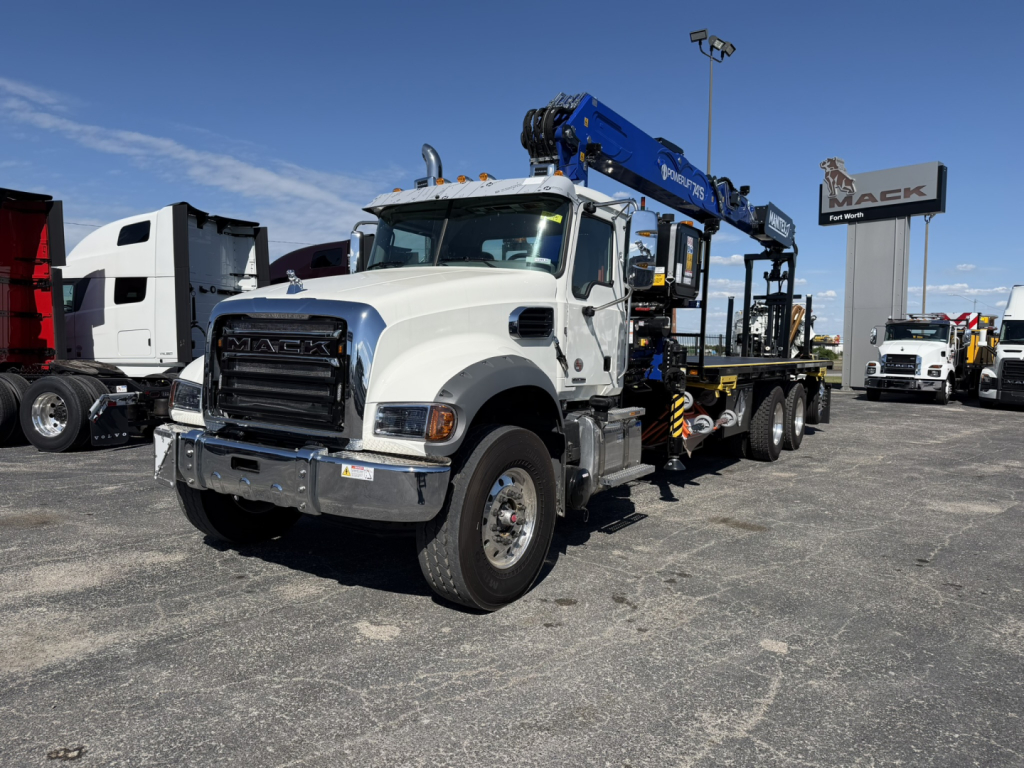
Have new 2026 crane truck to sell? List it here to reach thousands of buyers.
New 2026 Crane Trucks
Chassis and axle configuration matter as much as the crane itself. New crane trucks are often spec'd on Class 7 and Class 8 platforms with GVWR, front axle capacity, and rear suspension selected around body weight, crane weight, and legal payload. A heavier crane can quickly consume available payload and shift weight forward, so bridge law compliance and axle loading should be checked early in the spec process. Buyers should also look closely at frame reinforcement, PTO provision, transmission compatibility, wheelbase, and cab-to-axle dimensions because those details affect body fit, outrigger placement, and stability. On many jobs, a tandem axle setup is preferred for higher capacity and better weight distribution, while some urban or service applications still favor a more maneuverable single axle truck.
Body configuration changes the truck's usefulness day to day. Common setups include flatbeds for material delivery, mechanics bodies for field service, and contractor bodies with integrated storage. Features like steel or aluminum deck construction, stake pockets, tie-down points, headache racks, tool compartments, and compressor or welder provisions can make a major difference in productivity. Outrigger design is another key point. Full-span outriggers generally provide the best lifting stability, but reduced spread capability can matter on tight jobsites and roadside service calls. Hydraulic performance, winch rating, remote controls, and load moment protection systems are worth reviewing carefully on new 2026 crane trucks because they directly affect operator control, safety, and cycle time.
For buyers comparing new units, it pays to focus on the complete working package instead of just the truck badge or top-line crane rating. A well-spec'd crane truck should match your heaviest routine lift, your typical material length, your jobsite access limitations, and your maintenance expectations. Engine horsepower, torque, and PTO performance should support both road travel and hydraulic demand without overspec'ing the truck into unnecessary cost. Safety and compliance items such as backup cameras, stability monitoring, work lighting, conspicuity treatments, and CDL implications also deserve attention. The best 2026 crane trucks are the ones that stay productive across transport and lifting tasks while keeping axle weights, operating range, and body layout aligned with the work.
Frequently Asked Questions about New 2026 Crane Trucks
What is the difference between a crane truck and a boom truck?
The terms are often used interchangeably, but buyers should confirm the exact crane type and body style. In many listings, a boom truck refers to a truck-mounted crane with a flatbed used for lifting and material delivery, while a crane truck can also describe mechanics trucks or service bodies equipped with smaller service cranes. The important details are the crane chart, boom style, winch setup, body configuration, and outrigger system rather than the label alone.
How do I choose the right crane capacity on a new 2026 crane truck?
Start with your real working loads at the radius where lifts usually happen, not just the maximum lift rating at a short radius. A truck that lifts enough close to the deck may still be under-capacity once the boom is extended and the load moves farther from the centerline. Buyers should compare load charts, boom length, deck space, outrigger spread, and axle weights together. Specifying for routine lifts with a reasonable safety margin is usually more practical than buying solely on the highest advertised ton rating.
What chassis specs matter most on a crane truck?
Front axle rating, rear axle rating, wheelbase, frame strength, PTO compatibility, and GVWR are core chassis considerations. Crane weight, body weight, and mounted equipment can place substantial load on the front axle, especially with larger cranes and shorter wheelbases. Transmission choice and engine torque also matter because the truck has to support both road performance and hydraulic operation. A good crane truck spec balances lifting capability, legal axle loading, maneuverability, and serviceability.
Are single axle or tandem axle crane trucks better?
Neither is universally better because the right choice depends on crane size, body length, and the weight of the materials being carried. Single axle crane trucks are often easier to maneuver, lighter, and better suited for tighter urban routes or lighter service applications. Tandem axle trucks generally provide more capacity, better weight distribution, and a stronger foundation for larger cranes or heavier payloads. Buyers should compare local bridge laws, turning space, and typical load profiles before deciding.
What body style is best for a crane truck?
Flatbeds are common when the truck needs to transport building materials, pallets, or jobsite equipment in addition to lifting. Mechanics bodies are better for service and repair work because enclosed compartments keep tools, parts, and support equipment organized. Contractor and platform bodies can be useful when cargo securement, deck access, and storage all matter. The best body style is the one that supports your daily workflow without wasting payload or interfering with crane operation and outrigger deployment.