
Mack Crane Trucks For Sale in Texas
Browse Mack crane trucks for sale in Texas. Compare chassis, axle ratings, PTO setups, boom options, and jobsite-ready lifting capability.
Learn more
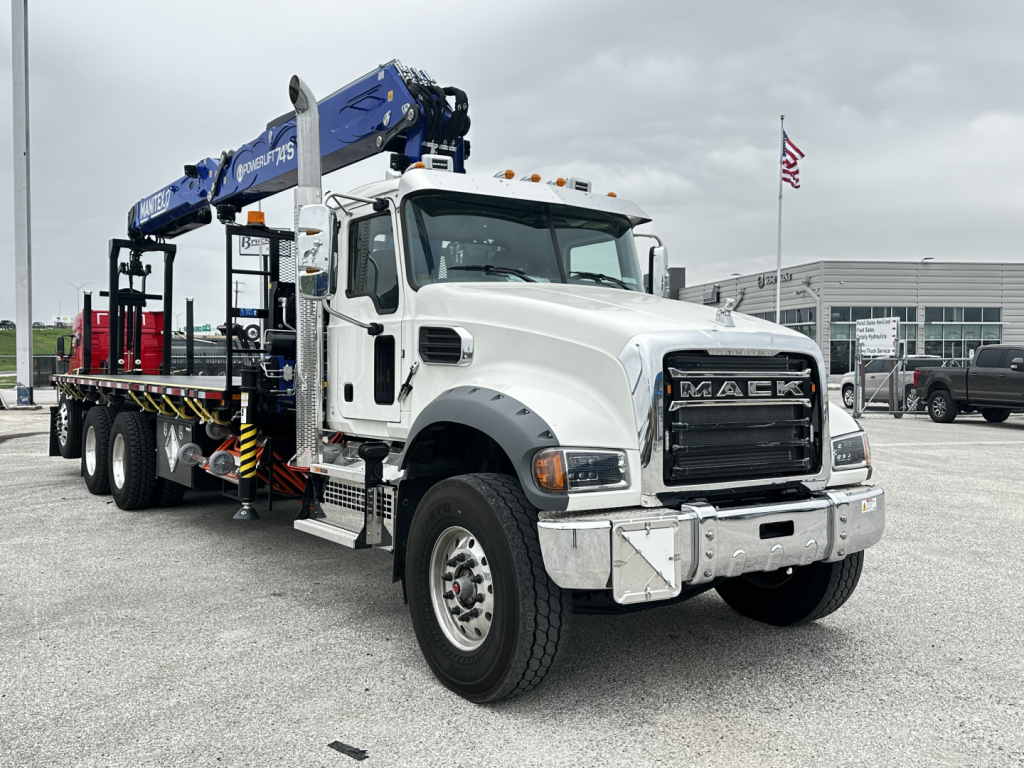
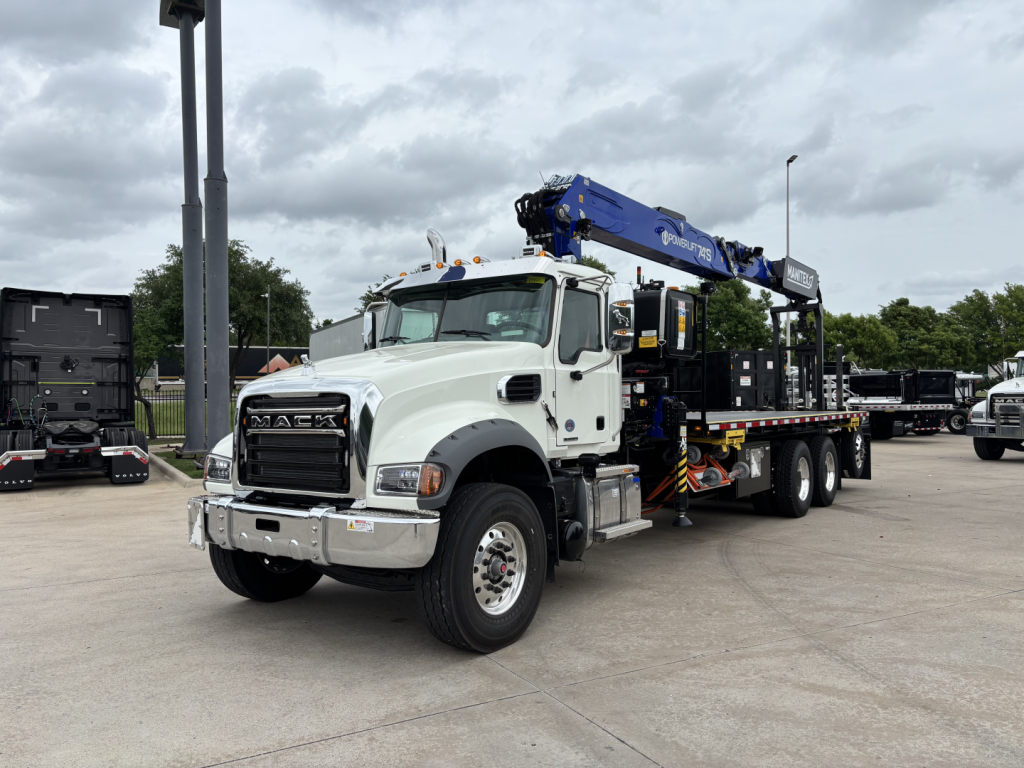
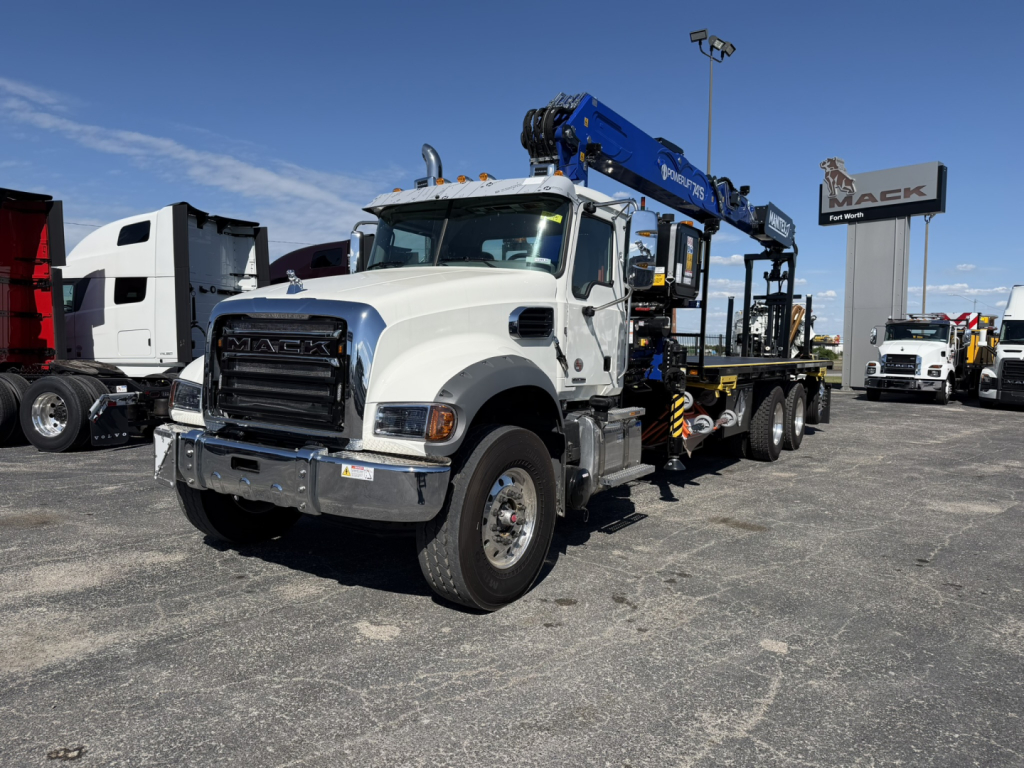
Showing 13 to 23 of 23 results
Have mack crane truck to sell? List it here to reach thousands of buyers.
About Mack Crane Trucks in Texas
Mack models used for crane truck applications are often selected for vocational durability and straightforward body-builder integration. Common specs include diesel engines with strong low-rpm torque, automatic or automated manual transmissions, tandem or tri-axle setups depending on bridge and payload needs, and wheelbases matched to the crane body and load space. On crane truck builds, front axle ratings are especially important because a heavier boom and reinforcement package can shift significant weight forward. Buyers should also look closely at frame RBM, suspension type, power take-off compatibility, and whether the truck is configured for a hydraulic crane, stiff boom crane, or knuckle boom crane, also known as an articulating crane.
The right Mack crane truck depends on what is being lifted, how often it is being cycled, and where it will be operating. A truck working in metro Texas may need a shorter wheelbase and tighter turning radius for congested streets and commercial jobsites, while a unit covering oilfield roads or large rural jobs may prioritize heavier suspension, higher ground clearance, and more gross vehicle weight capacity. Outrigger spread, body length, deck space, and crane reach all affect real-world usefulness. It is also smart to verify load charts, behind-cab clearance, winch setup, remote control options, and the condition of hydraulic components if comparing used crane trucks.
For long-term value, buyers should evaluate the complete truck and crane as one system rather than treating the chassis and lifting equipment separately. Service history, annual crane inspection records, frame reinforcement quality, and signs of hard off-road use can tell you more than the odometer alone. In Texas, heat, dust, and mixed highway-jobsite duty make cooling performance, hydraulic hose condition, and corrosion around outriggers and body mounts worth a close look. A properly spec'd Mack crane truck can cover delivery, set-and-place, and light lifting work with fewer support vehicles, which is exactly why this equipment class stays in demand across construction, utilities, and industrial service fleets.
Frequently Asked Questions
What should I look for first when buying a Mack crane truck?
Start with the chassis ratings and the crane's load chart. Front axle capacity, rear axle rating, frame strength, wheelbase, and PTO compatibility need to match the installed crane and body. If the truck is under-spec'd for the crane package, it can limit legal payload, stability, and usable reach. Buyers should also confirm outrigger design, GVWR, and how much deck space remains once the crane and body are installed.
Are Mack crane trucks better suited for stiff boom or knuckle boom applications?
Mack chassis can be configured for either style, but the best choice depends on the work. Stiff boom cranes are often preferred for straightforward pick-and-carry tasks and simpler lifting patterns. Knuckle boom cranes, also called articulating cranes, are favored when operators need more flexibility, precise placement, and the ability to work in tighter spaces. The important point is that the truck's axle ratings, frame, and hydraulic setup must be matched to the crane style and expected lift cycles.
Why does front axle capacity matter so much on a crane truck?
Front axle capacity is critical because the crane, subframe, and reinforcement can place substantial weight toward the front of the truck, especially on behind-cab installations. A crane truck that looks adequate on paper can still be poorly balanced once the body, toolboxes, and payload are added. If the front axle is near its limit, the truck may have reduced legal carrying capacity and less flexibility in body design. That is why experienced buyers review axle weights and bridge compliance on the finished build, not just the base chassis spec.
What is important to inspect on a used crane truck in Texas?
Pay close attention to hydraulic leaks, cylinder condition, hose age, outrigger structure, body mounts, and any cracking or repairs around the frame reinforcement. In Texas service, heat and dust can accelerate wear on seals, hydraulic components, and cooling systems, while rough jobsites can stress suspension and outriggers. Crane inspection records, maintenance documentation, and evidence of proper lubrication are valuable because they help verify the condition of both the truck and the lifting equipment.
Can a Mack crane truck handle both delivery work and jobsite lifting?
Yes, that is one of the main advantages of this equipment class. A properly spec'd Mack crane truck can transport materials and then unload or place them without relying on separate lifting equipment for every stop. The real limit depends on the crane rating, body configuration, and how the payload is distributed. Buyers should compare deck length, crane reach, lift capacity, and axle weights to make sure the truck fits both transport and lifting requirements.