
2026 Crane Trucks For Sale in Texas
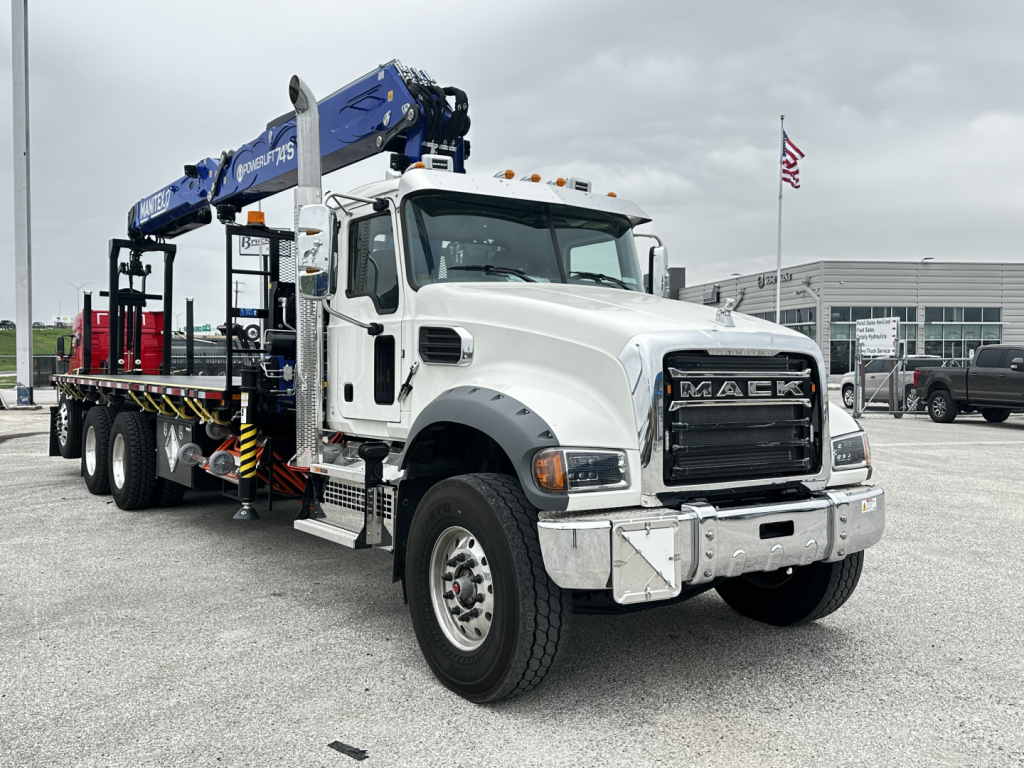
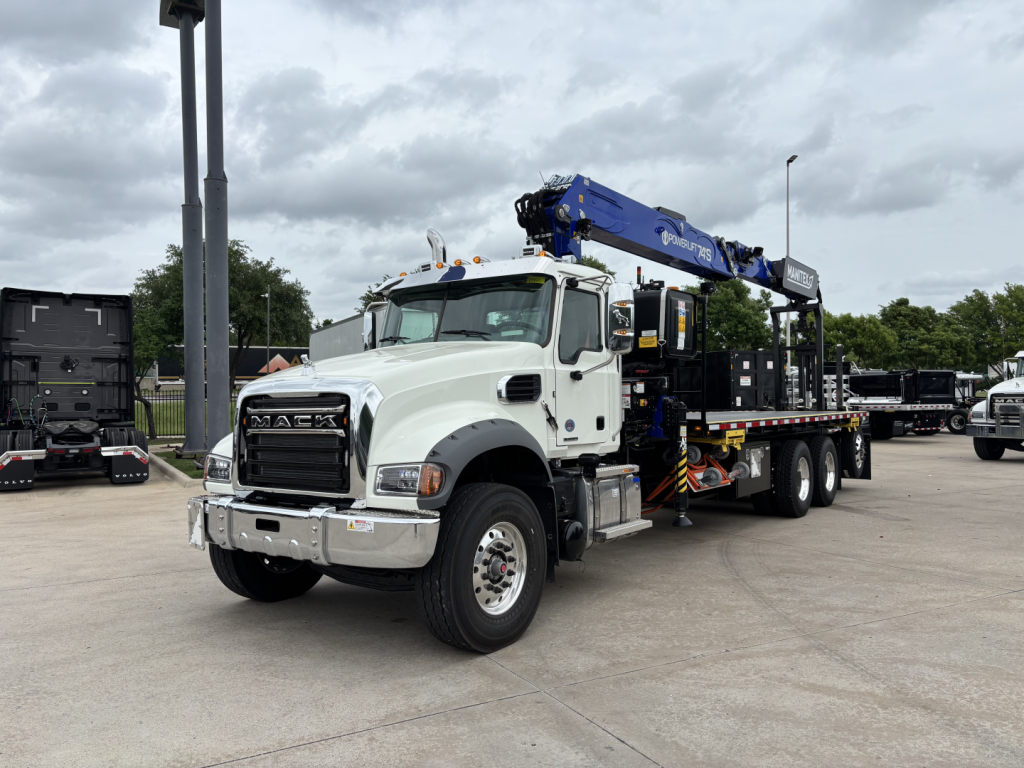
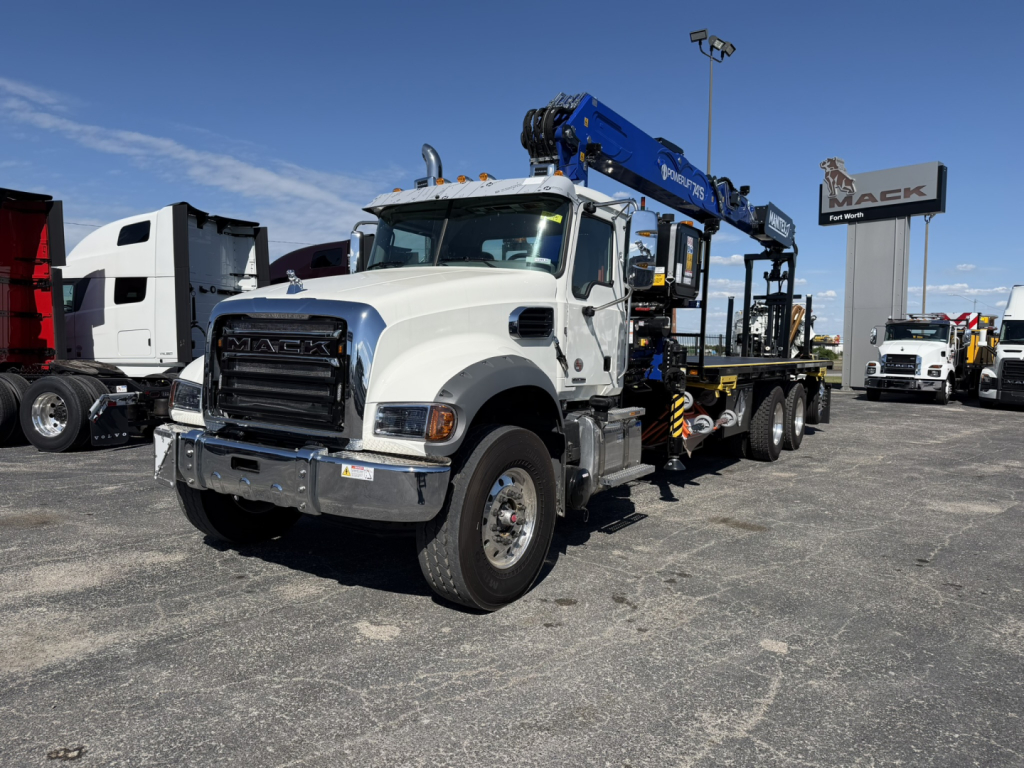
Have 2026 crane truck to sell? List it here to reach thousands of buyers.
2026 Crane Trucks in Texas
The most important buying decision is matching the crane to the truck and the work cycle. Knuckle boom and stiff boom configurations each have advantages depending on lift geometry, load handling, and bed access. Key specs include rated lifting moment, maximum horizontal reach, vertical lift height, outrigger spread, and PTO or hydraulic system capacity. On the chassis side, pay close attention to front axle rating, rear axle capacity, wheelbase, frame reinforcement, and suspension setup. A crane truck that spends its time carrying bundles, pipe, trusses, generators, or jobsite materials needs enough reserve capacity for both payload and the crane package itself, not just a strong boom on paper.
Texas buyers also need to think about operating environment. Urban work in Houston, Dallas-Fort Worth, Austin, or San Antonio often favors maneuverability, shorter wheelbases, and quick setup outriggers. West Texas and energy-sector applications may call for heavier vocational chassis, higher ground clearance, durable steel bodies, and equipment that holds up to rough lease roads and repeated loading cycles. Common features worth checking include torsion-resistant subframes, stabilizer controls, wireless remote operation, headache racks, tool compartments, tarping options, and trailer towing provisions. If the truck will cross county or state lines regularly, bridge law, overall length, and CDL implications should be reviewed along with local permitting requirements for crane operation.
A newer 2026 crane truck may also bring emissions-system updates, improved cab safety technology, and better integration between engine, PTO, and hydraulic controls. Buyers comparing listings should look beyond model year and focus on how the truck is spec'd for the intended lift chart and daily workload. The best crane trucks are not simply the biggest units available. They are balanced vocational trucks with the right boom, the right body, and the right axle ratings for the actual jobs they will see in the field.
Frequently Asked Questions about 2026 Crane Trucks in Texas
What should I look at first when comparing 2026 crane trucks?
Start with the crane rating, boom reach, and chassis weight capacity. A crane truck has to be matched as a complete system, so the boom, outriggers, subframe, body, and axle ratings all matter together. Buyers often focus on lift capacity alone, but front axle rating, wheelbase, and legal payload after the crane installation are just as important for safe and productive operation.
What is the difference between a crane truck and a boom truck?
The terms are often used interchangeably, but buyers should verify the exact crane type and intended application. Some crane trucks use a stiff boom or telescopic boom suited for more vertical lifting, while others use an articulating or knuckle boom that offers flexible reach and easier load placement. The right choice depends on the load type, site access, lift frequency, and the bed configuration needed for transport.
Are crane trucks in Texas typically used for on-road delivery or off-road jobsite work?
Both are common, and that distinction should guide the spec. On-road delivery applications often prioritize maneuverability, efficient body layout, and quick setup at customer sites. Off-road or mixed-terrain work usually requires a heavier vocational chassis, stronger suspension, robust tires, and a body and crane mount designed for repeated twisting and rough surface operation.
Do I need to worry about CDL, permits, or operator requirements with a crane truck?
Yes. Requirements can depend on GVWR, registered weight, trailer use, axle configuration, and the type of crane work being performed. In addition to standard licensing and DOT compliance, crane operation may involve jobsite safety rules, company training standards, and local or state requirements. Buyers should confirm legal operating weight, bridge compliance, and any permitting or certification needs before placing the truck into service.
Why do axle ratings matter so much on a crane truck?
Axle ratings determine how the truck carries the crane, body, tools, and payload during transport, and they directly affect legal road use and stability. A heavy crane mounted behind the cab can shift significant weight to the front axle, while loaded beds and towing can stress the rears. A truck with the wrong axle balance may look capable at first glance but become limited in payload, difficult to scale legally, or less effective in real job conditions.