
2026 Crane Trucks For Sale
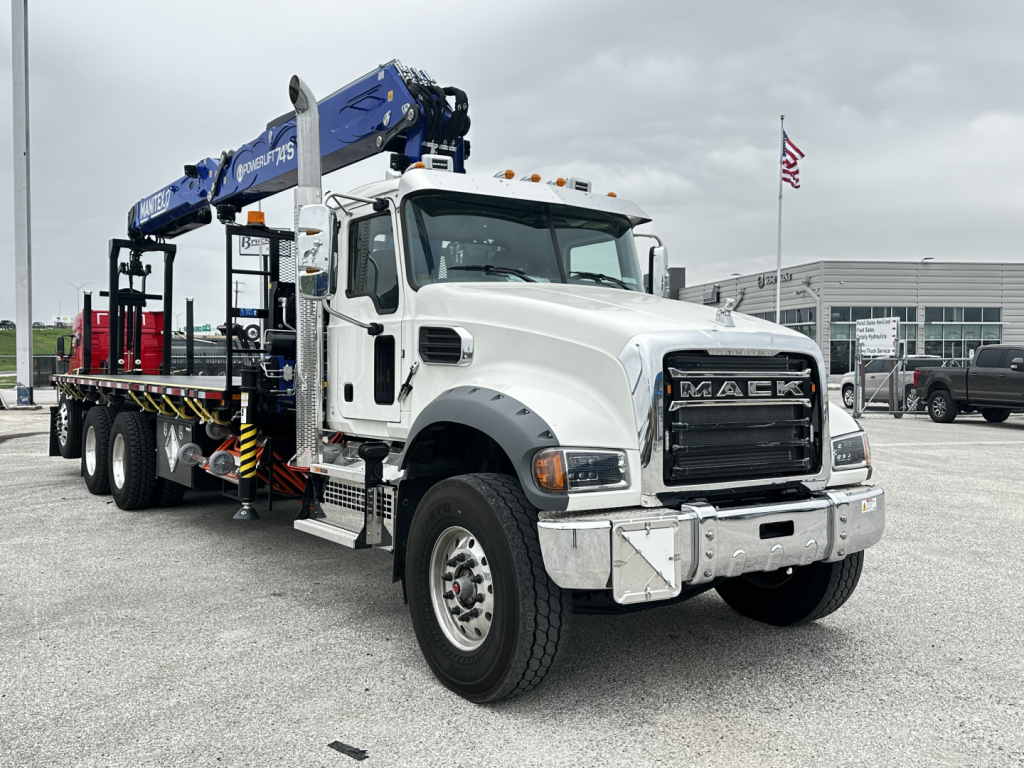
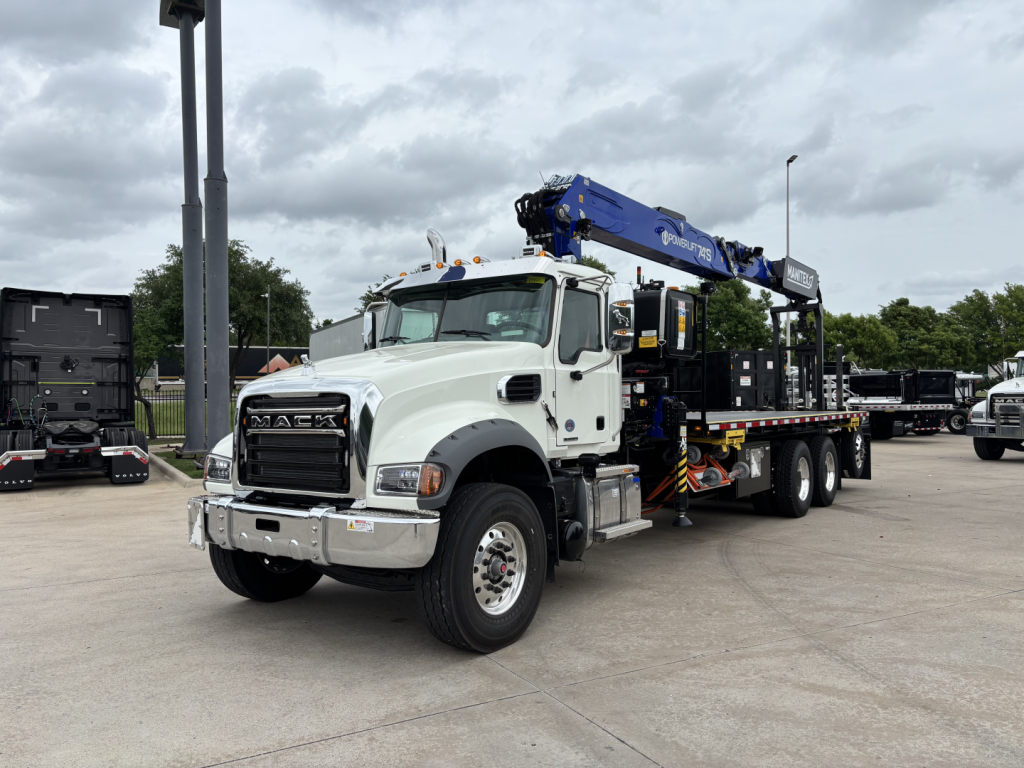
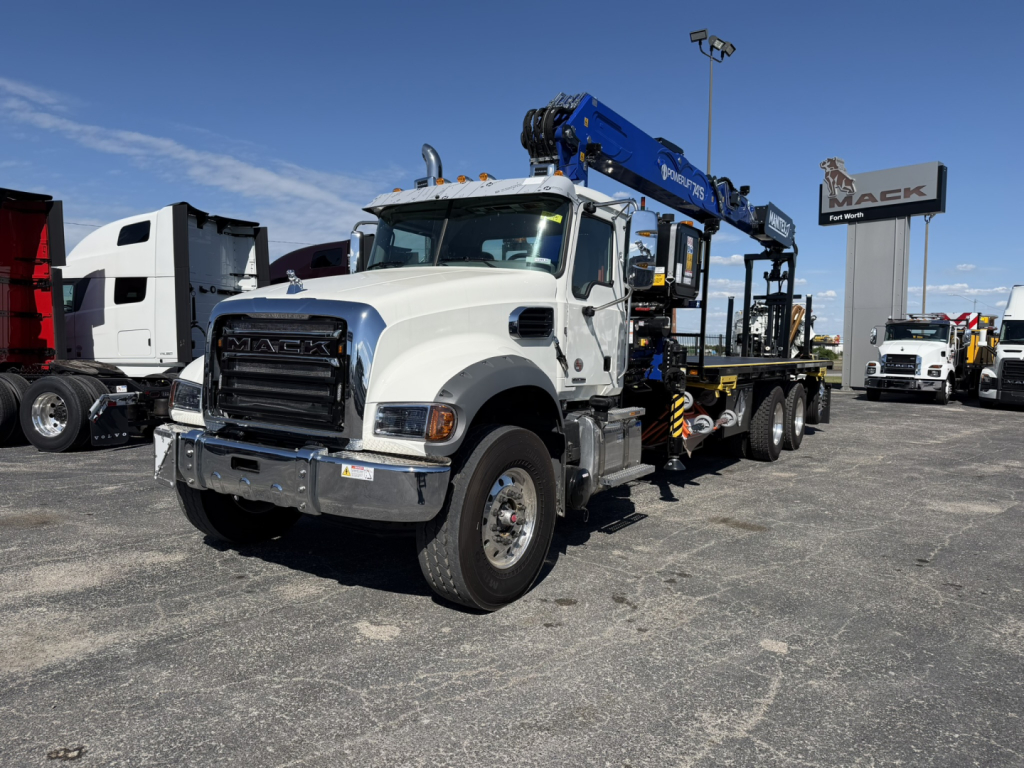
Have 2026 crane truck to sell? List it here to reach thousands of buyers.
2026 Crane Trucks
The first buying decision is usually crane style, rated capacity, and reach. A wallboard or building material crane truck is often spec'd for smooth hydraulic operation, remote control capability, and stable lifting performance when setting loads on upper floors or confined jobsites. Buyers should look closely at boom geometry, maximum horizontal reach, lift chart at working radius, and how much deck space remains after the crane and outriggers are installed. On a newer 2026 unit, it is also worth checking for load moment limiting systems, anti-two-block protection where applicable, outrigger interlocks, and operator-friendly controls that improve both safety and setup time.
Chassis specs matter as much as crane specs. Many crane trucks in this class are built on heavy vocational platforms with diesel engines in the 400 to 500 horsepower range, automated manual or manual transmissions with creeper gearing, and axle packages designed to handle both body weight and payload. Front axle ratings around 20,000 pounds, tandem rears in the 40,000 to 46,000 pound range, and lift axles or auxiliary axles are common when the truck needs to balance legal road weight with crane and deck capacity. Buyers should also consider wheelbase, frame reinforcement, PTO setup, suspension, and turning radius because these factors directly affect body layout, stability, and maneuverability on crowded jobsites.
A well-matched 2026 crane truck should fit the freight it hauls and the sites it serves. For wallboard and building supply work, deck length, tie-down points, bulkhead design, and load securement are just as important as boom reach. For utility or general lifting applications, buyers may prioritize winch configuration, hook height, outriggers, and available mounting space for toolboxes or dunnage. Newer crane trucks can offer cleaner integration between chassis electronics and hydraulic systems, but the right spec still comes down to lift chart, legal payload, and operating environment. Buyers comparing multiple listings should focus on the complete package: crane make and model, body design, axle ratings, PTO and hydraulic setup, and how the truck is configured for the work it will actually perform.
Frequently Asked Questions about 2026 Crane Trucks
What is the difference between a knuckle boom crane truck and a stiff-boom crane truck?
A knuckle boom crane truck uses an articulating boom that folds in sections, which makes it compact in transport and highly effective for placing material around obstacles or into tight jobsite positions. A stiff-boom crane truck uses a straight telescopic boom and is often preferred for applications that require straightforward lifting geometry, high hook height, or different body layouts. For building materials, wallboard, and urban delivery work, knuckle boom units are commonly favored because they offer precise placement and preserve useful deck space behind the cab.
What chassis specs matter most when buying a 2026 crane truck?
The most important chassis specs are axle ratings, wheelbase, engine horsepower and torque, transmission type, PTO compatibility, frame strength, and suspension capacity. Crane trucks carry significant dead weight from the crane, subframe, body, and outriggers before payload is added, so front axle capacity and rear axle capacity need to match the final body and crane configuration. Buyers should also verify any lift axle or auxiliary axle setup, because legal payload and bridge compliance can be just as important as lifting capability.
How do I compare crane capacity between listings?
Do not compare crane trucks by maximum advertised lifting capacity alone. The more useful comparison is the lift chart, which shows how much the crane can lift at specific working radiuses and boom positions. A truck that looks stronger on paper may lift less at the reach you actually need. Horizontal reach, vertical reach, hook height, outrigger spread, and available remote controls all affect real-world performance, especially on drywall, roofing, and building material deliveries.
Are 2026 crane trucks typically equipped with modern safety systems?
Many 2026 crane trucks are spec'd with updated safety and operating systems, including load moment limiters, outrigger monitoring, overload protection, and advanced hydraulic controls. Depending on crane type and application, buyers may also see anti-two-block systems, automatic hook stow features, and radio remote operation. These systems improve control and help reduce setup errors, but buyers should still confirm the exact safety package on each truck because equipment can vary by crane manufacturer and body builder.
What applications are crane trucks best suited for?
Crane trucks are widely used for drywall and wallboard delivery, roofing supply delivery, truss and framing material placement, HVAC equipment handling, utility work, and general construction support. Their advantage is that one truck can transport material to the site and then unload or place it without a separate lifting machine. The best application fit depends on deck design, payload, crane reach, and how much maneuverability is needed at the jobsite.