
2026 Mack Crane Trucks For Sale
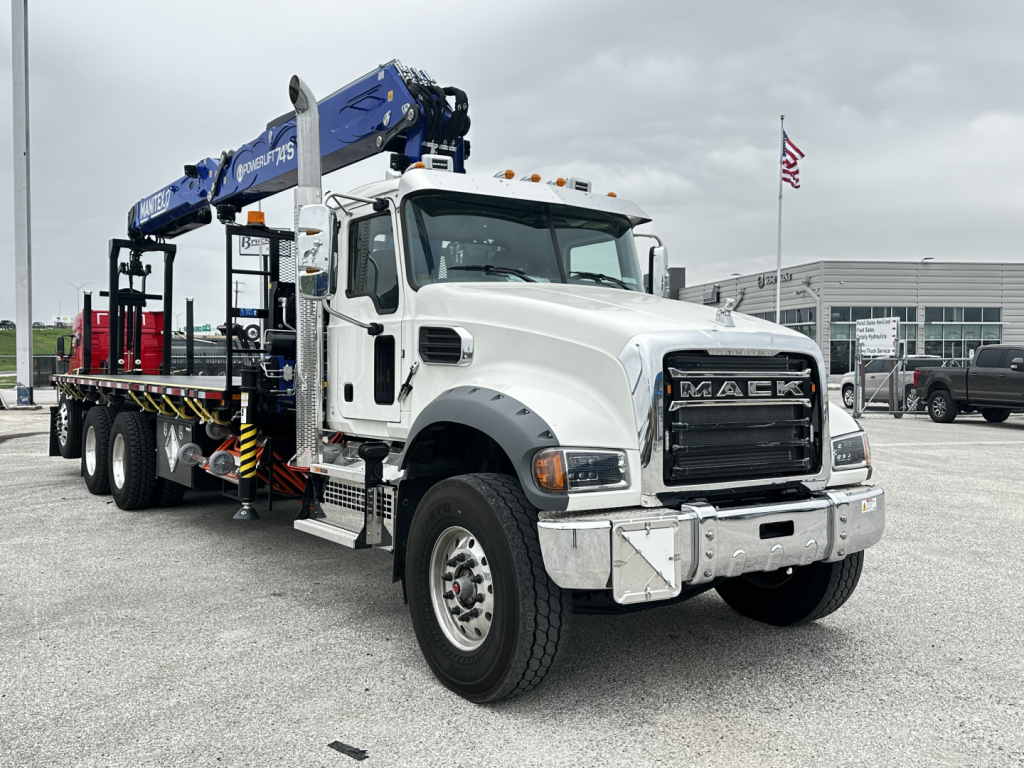
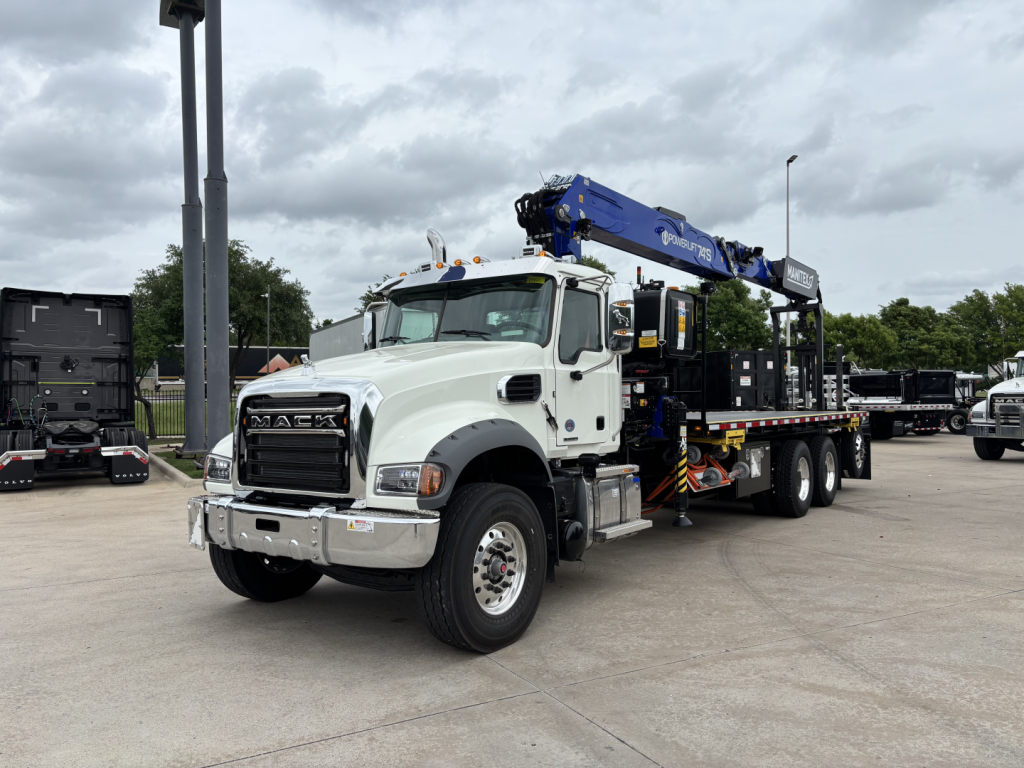
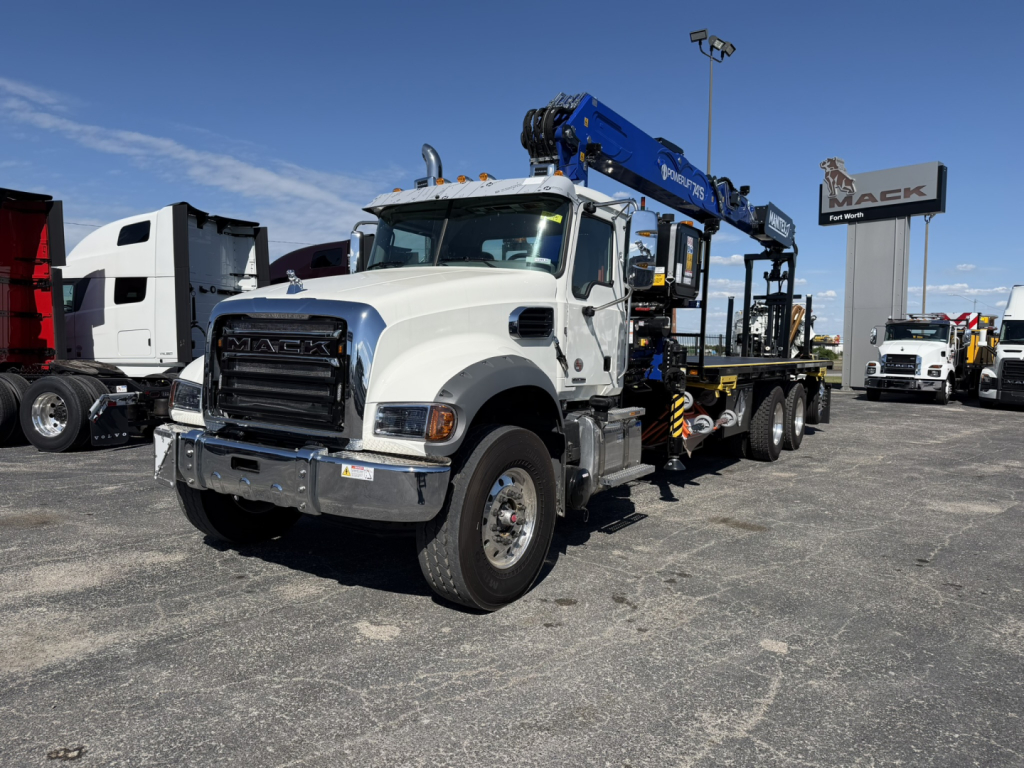
Have 2026 mack crane truck to sell? List it here to reach thousands of buyers.
2026 Mack Crane Trucks
The chassis matters as much as the crane. Buyers should look closely at GVWR, front and rear axle capacity, frame reinforcement, suspension type, wheelbase, and cab-to-axle dimensions because those factors directly affect crane mounting and body length. On heavier Mack platforms, PTO and transmission compatibility are key if the crane is hydraulic or requires continuous-duty operation. Outrigger spread, body subframe design, and weight distribution should be reviewed carefully, especially if the truck will carry payload in addition to lifting. A well-matched spec helps protect legal payload, improves stability, and reduces stress on the frame and suspension.
Crane configuration is where the application really narrows. Some trucks in this class are set up with telescopic boom cranes for material placement, while others use service-crane arrangements behind the cab for parts, tools, and equipment handling. Important decisions include lifting capacity, boom length, hydraulic reach, winch rating, and remote-control operation. Buyers should also check for useful body features such as tool compartments, dunnage storage, headache racks, work lights, air compressor provisions, and trailer towing equipment. If the truck will work in urban areas or utility corridors, overall height, outrigger footprint, and maneuverability can be just as important as raw lifting power.
For a 2026 model-year Mack crane truck, emissions compliance, electronic integration, and upfit quality are all worth close attention. Modern Mack trucks can be ordered to support vocational body installations with the right electrical architecture, switch interfaces, and PTO programming, which helps the crane and chassis operate as a coordinated system. The best buying decision usually comes down to matching the crane chart and body layout to the real jobs the truck will handle most often, not simply choosing the biggest crane available. A properly spec'd Mack crane truck delivers safer lifting, better uptime, and a more efficient crew on every stop.
Frequently Asked Questions about 2026 Mack Crane Trucks
What should I check first when comparing 2026 Mack crane trucks?
Start with the chassis and crane as a single working system. GVWR, axle ratings, frame strength, wheelbase, cab-to-axle dimension, PTO setup, and body weight all affect what crane can be mounted safely and how much payload the truck can still carry. After that, compare the crane's lifting chart, boom length, outrigger spread, and control setup to the actual work the truck will perform most often.
Are Mack crane trucks used more for boom work or service-body work?
They can be built for either application. Some Mack crane trucks are configured as boom trucks for lifting and placing materials, while others are set up more like mechanics or service trucks with a smaller hydraulic crane behind the cab. The right choice depends on whether the truck's primary job is material handling at reach or lifting parts and equipment from a service body in daily field work.
How important is wheelbase on a crane truck?
Wheelbase is a major spec decision because it affects body length, crane placement, turning radius, and axle loading. A longer wheelbase can help with body space and weight distribution, but it may reduce maneuverability on tighter jobsites. A shorter wheelbase can work well in congested areas, but it may limit body layout and make weight placement more critical when the crane is under load.
What body and upfit features are most useful on a Mack crane truck?
That depends on the trade, but buyers commonly look for reinforced subframes, full outrigger systems, tool compartments, tie-down points, headache racks, work lights, dunnage storage, and trailer towing equipment. Remote crane controls, air compressor provisions, and clean electrical integration with the chassis are also valuable because they improve operator efficiency and simplify day-to-day jobsite work.
Can a larger crane reduce payload capacity on the truck?
Yes. A heavier crane, stronger subframe, and larger outrigger package add weight to the chassis, which can reduce legal payload and change axle loading. That is why buyers need to review the complete installed weight of the body and crane, not just the truck's base rating. The most effective crane truck spec balances lifting performance with the amount of cargo, tools, or materials the truck still needs to carry.