
Used Volvo Conventional Sleeper Trucks For Sale in Louisiana
Shop used Volvo conventional sleeper trucks in Louisiana. Compare VNL specs, D13 power, I-Shift options, sleeper sizes, and highway features.
No exact matches found for your search
Showing Used Volvo Conventional Sleeper Trucks instead.
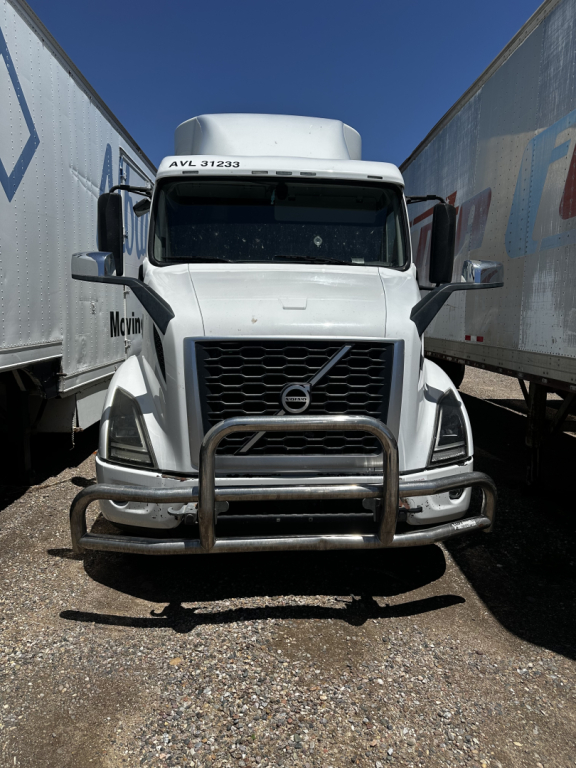
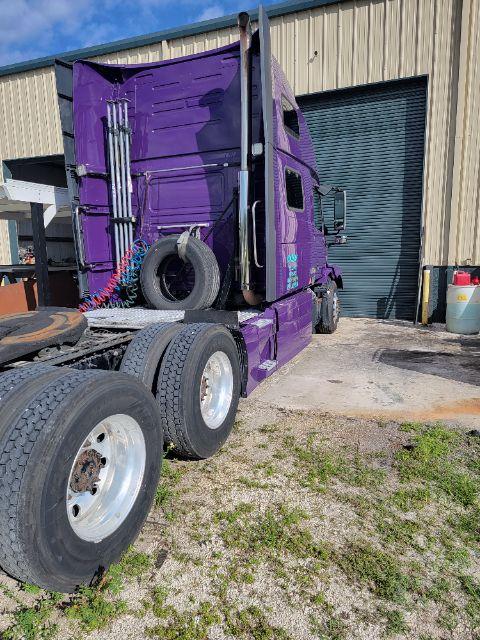
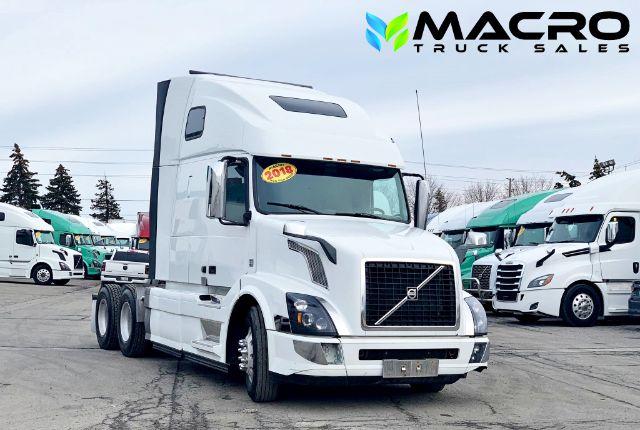
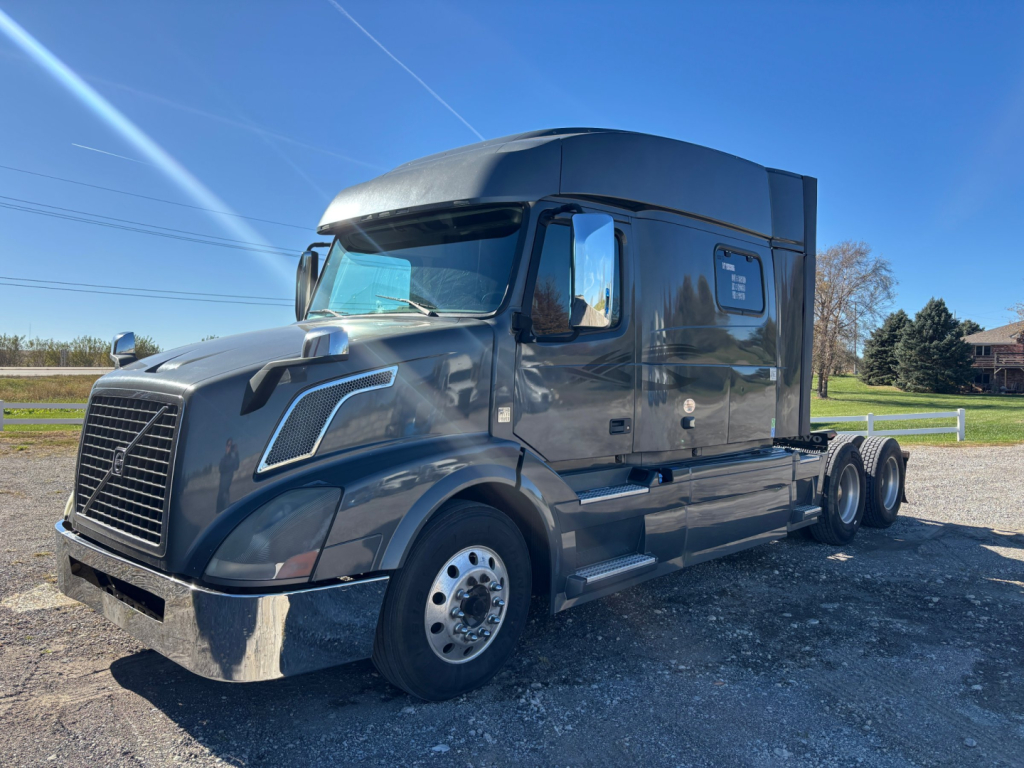
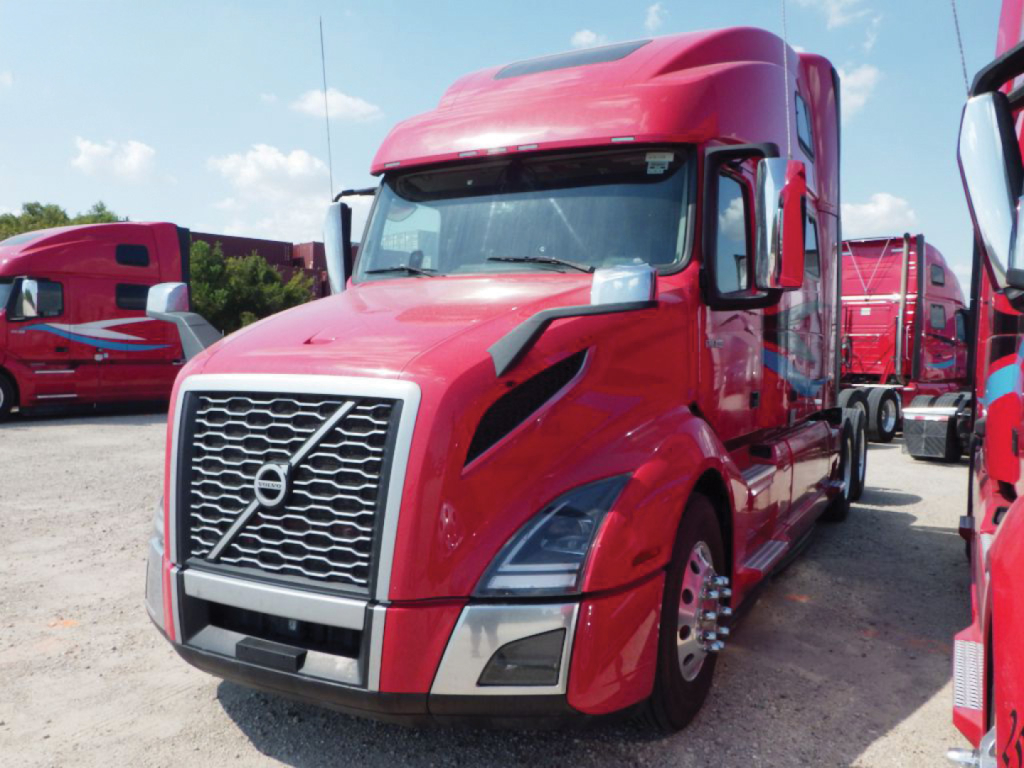
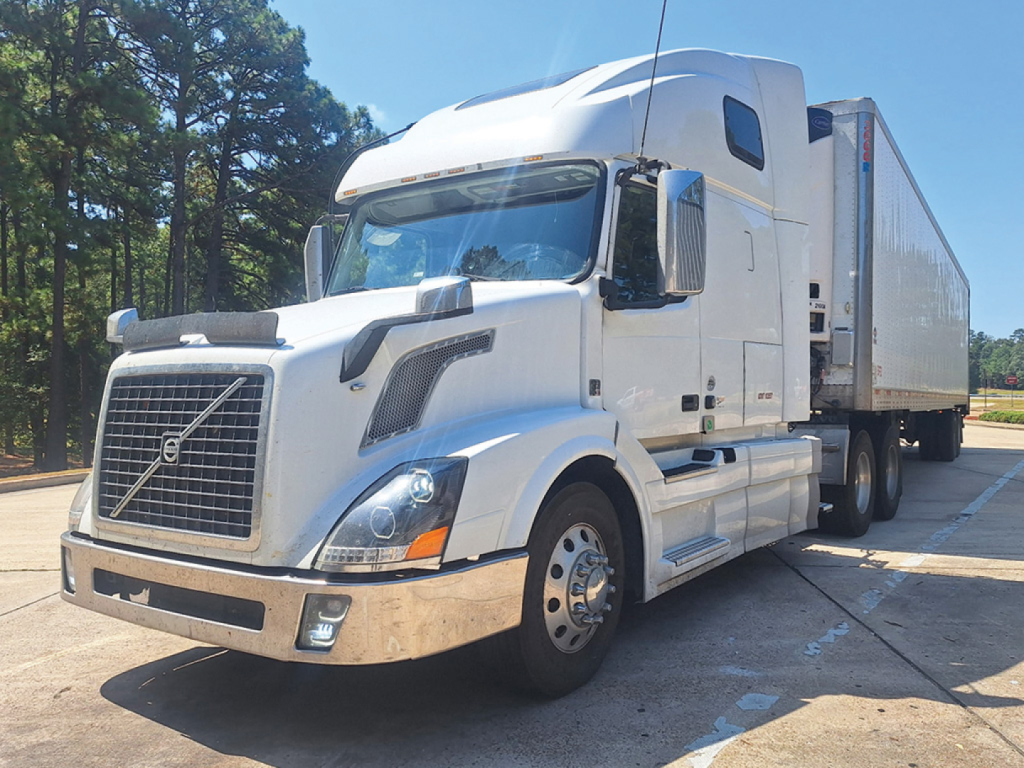
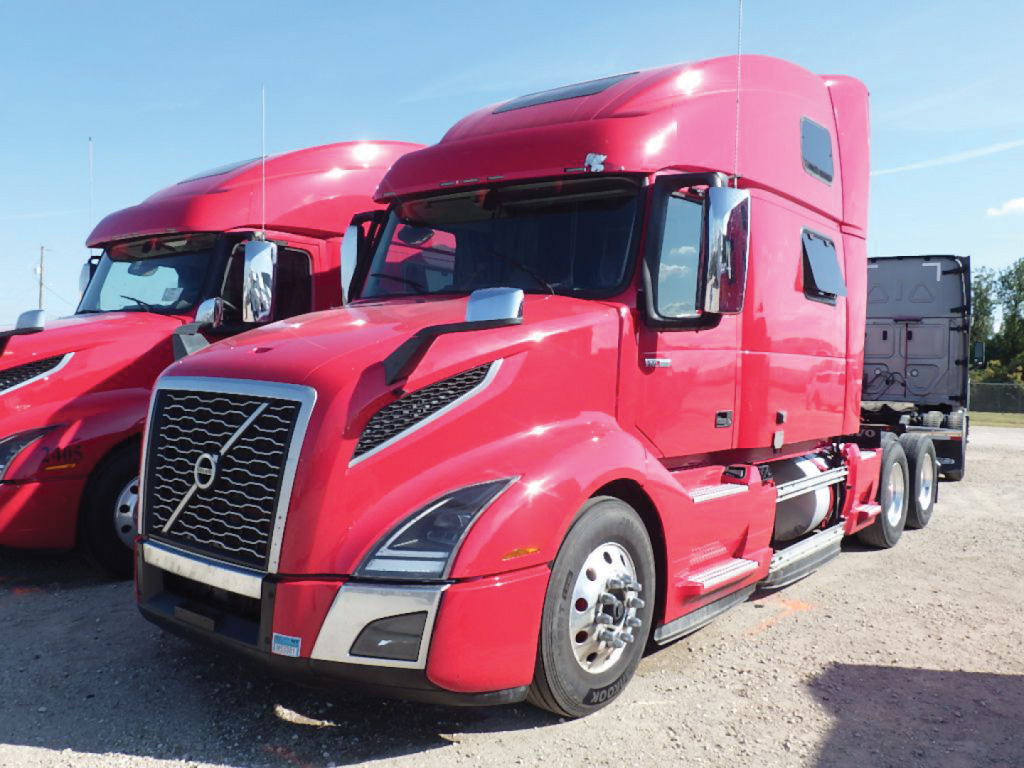
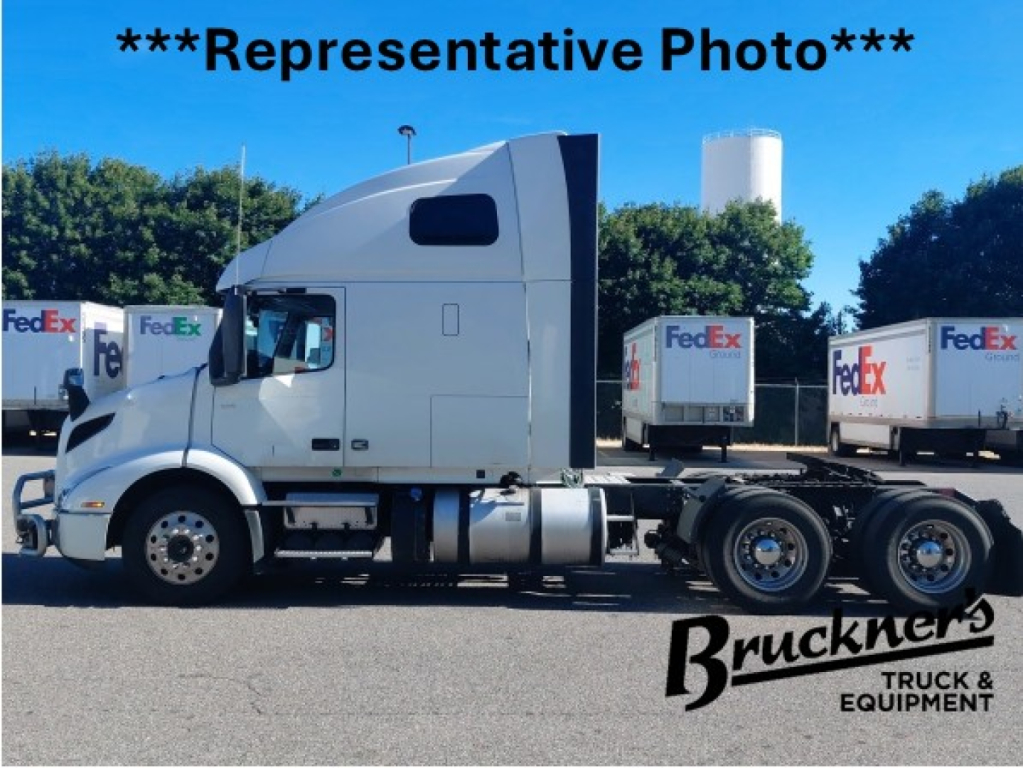
2019 Volvo Vnr
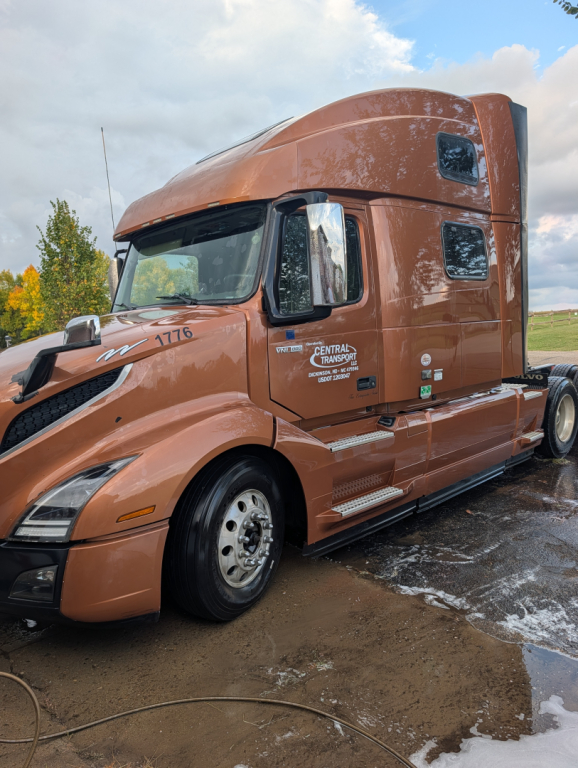
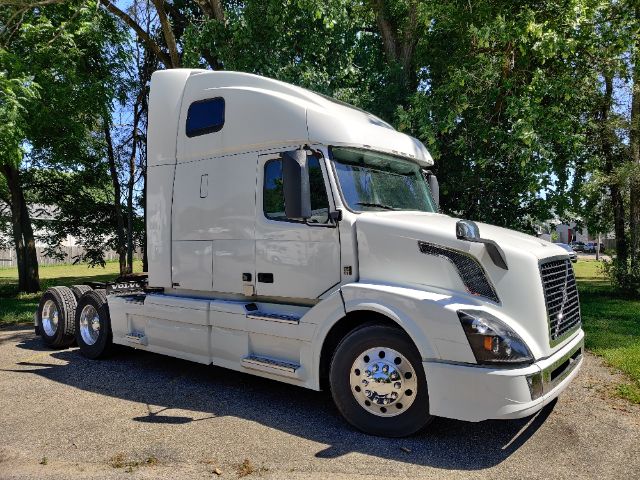
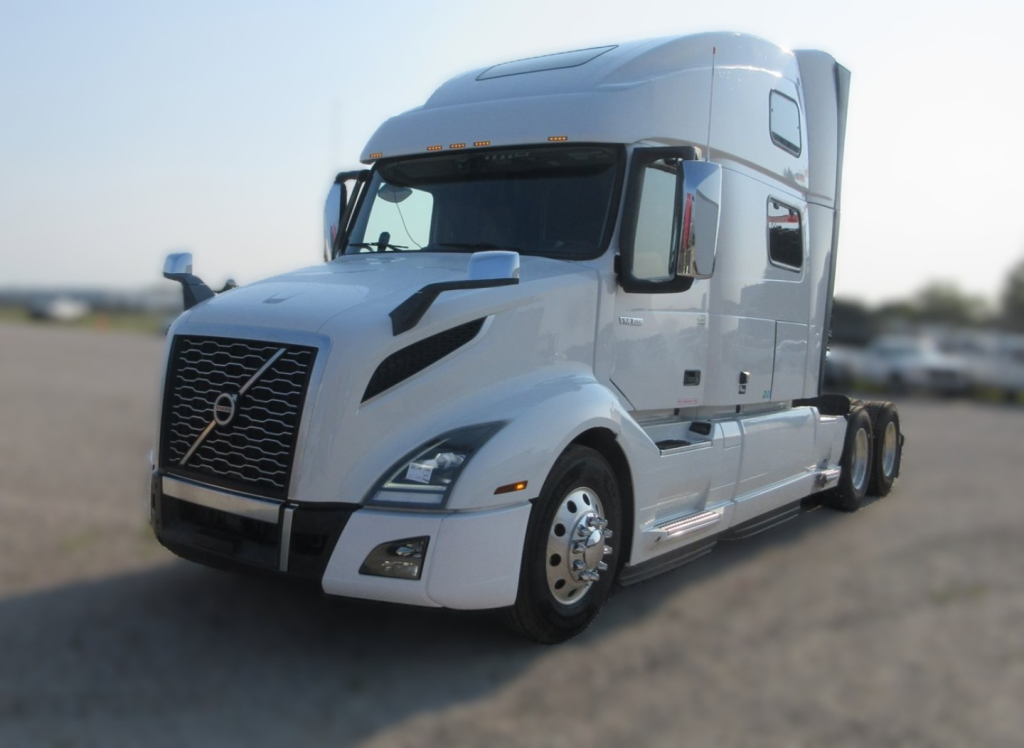
2023 Volvo VNL
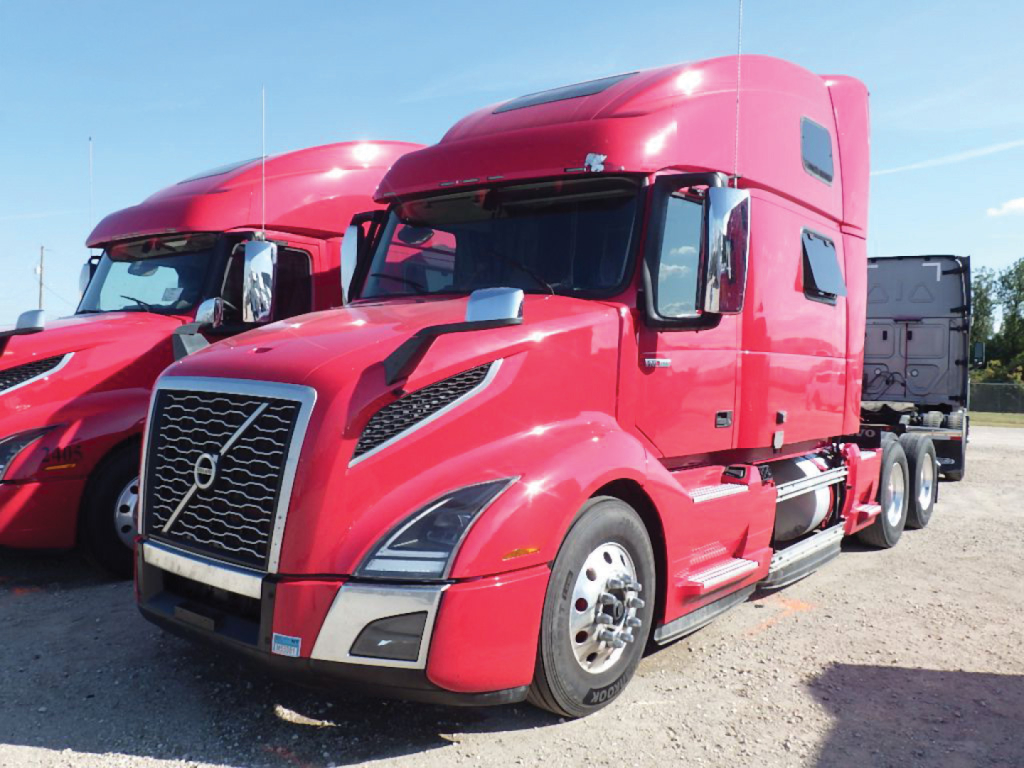
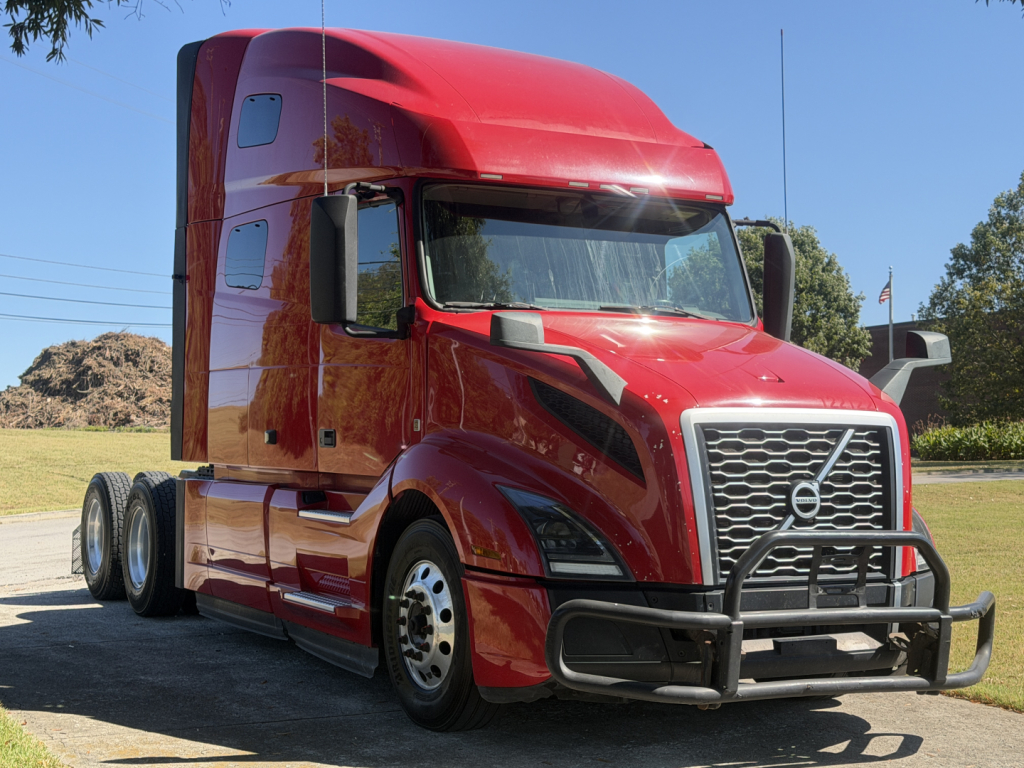
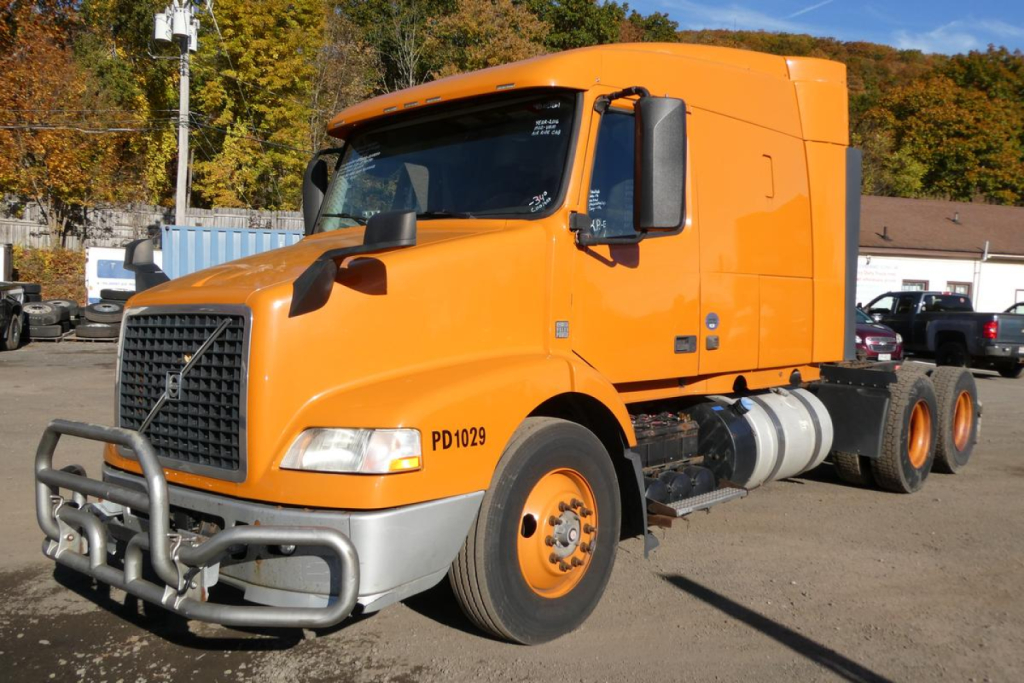
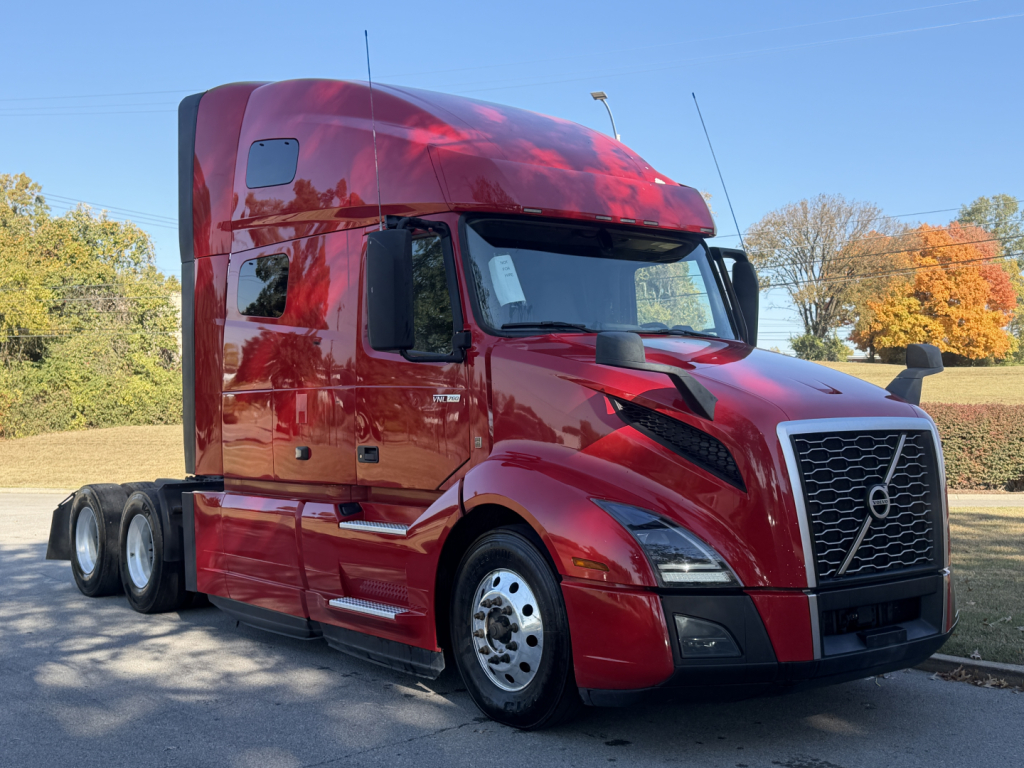
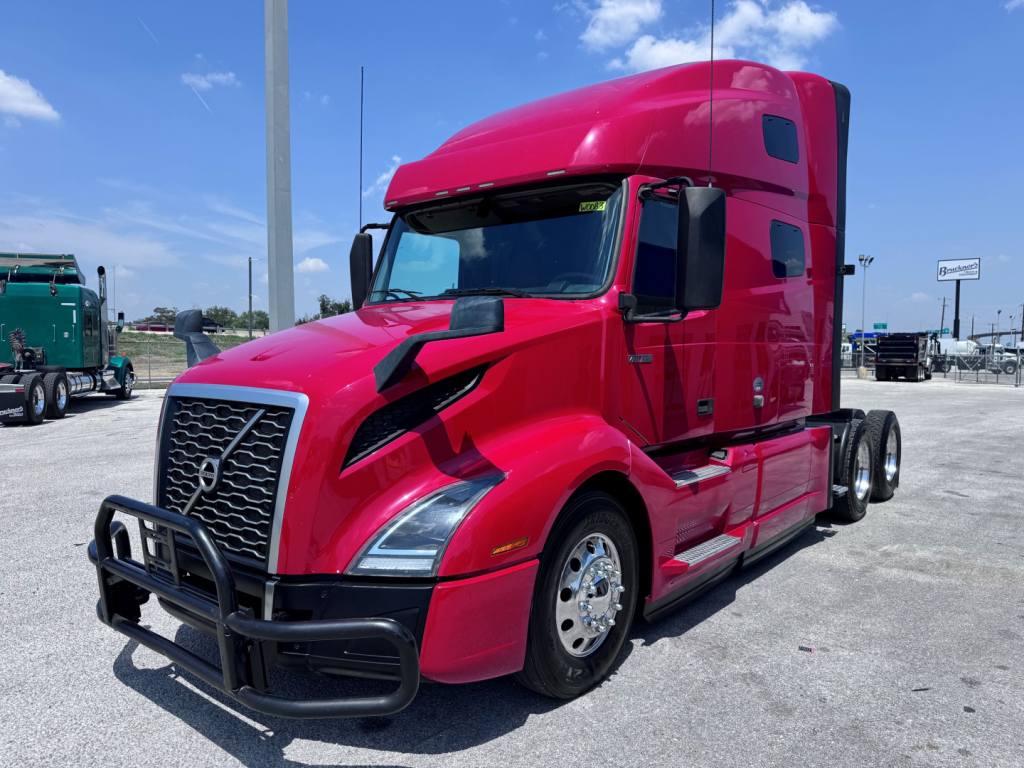
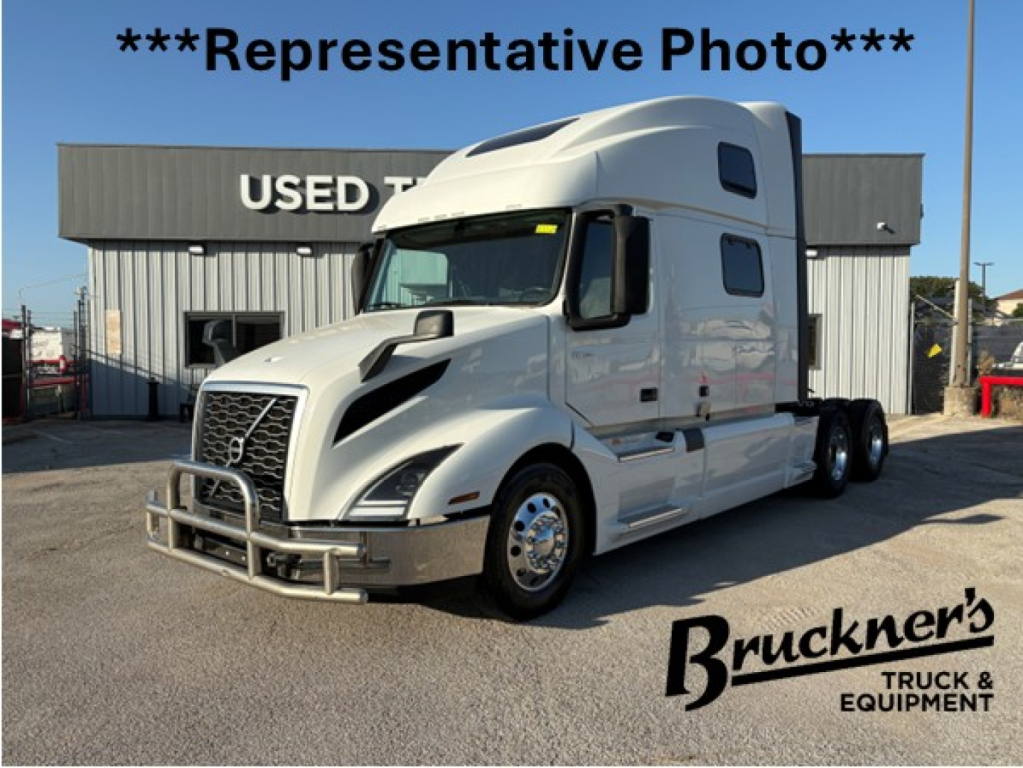
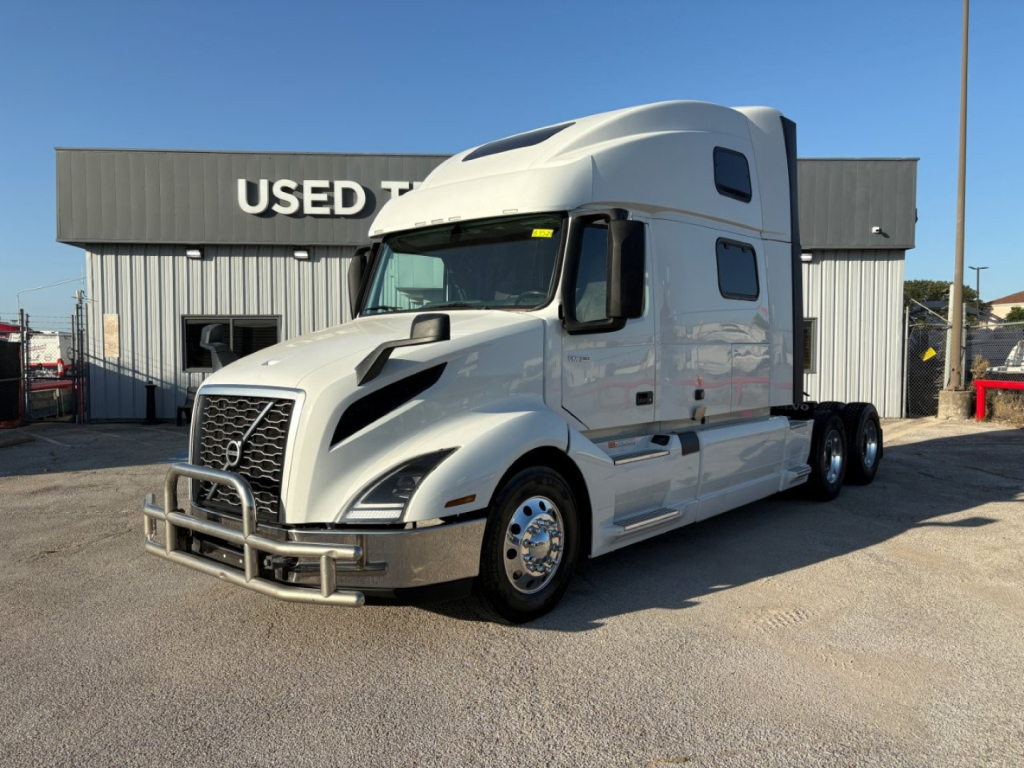
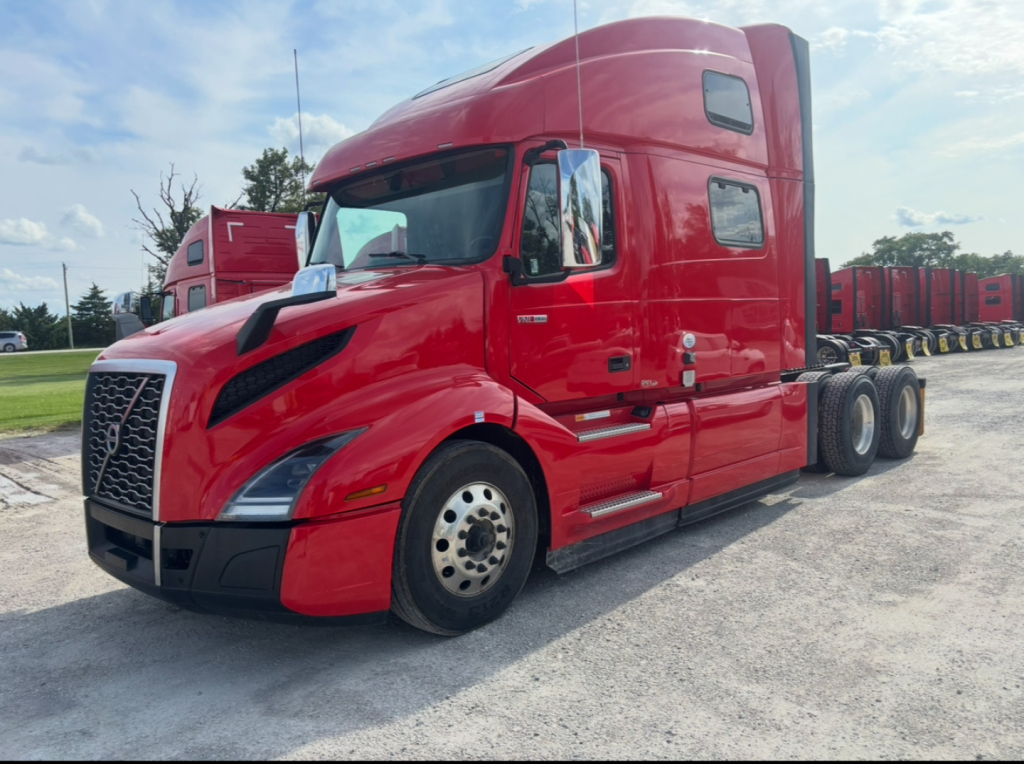
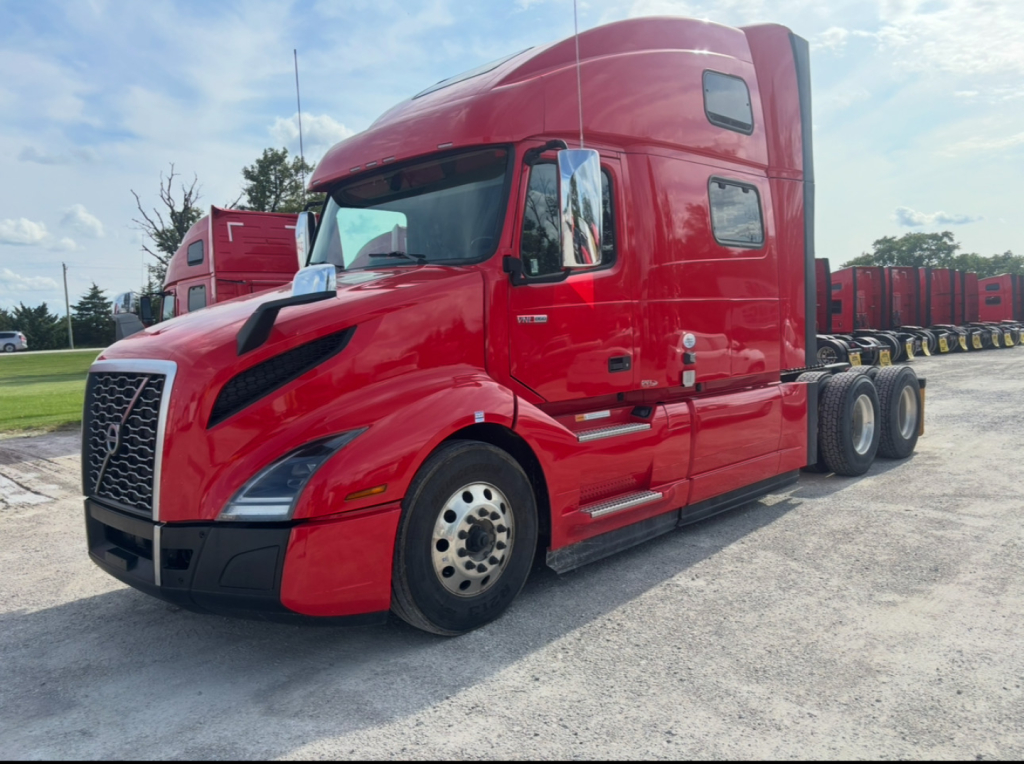
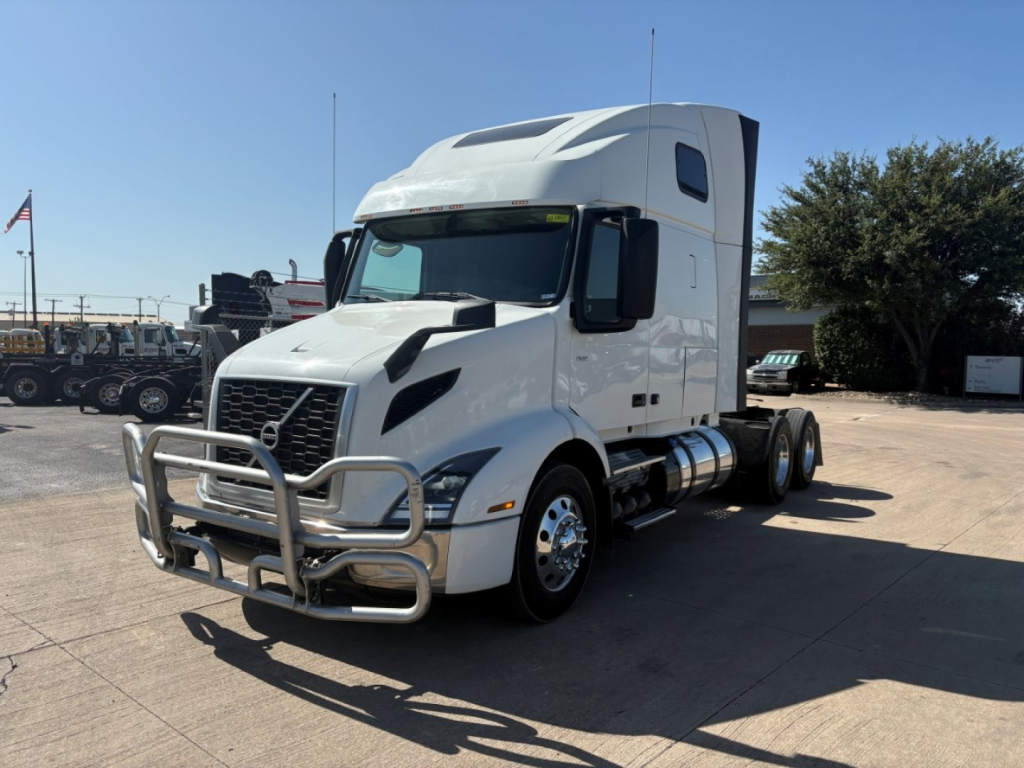
Showing 1 to 28 of 54 results
Selling a used volvo conventional sleeper truck? List your used volvo conventional sleeper truck for sale and reach thousands of commercial buyers.
Used Volvo Conventional Sleeper Trucks in Louisiana
The sleeper itself matters as much as the engine spec. Volvo conventional sleepers are known for roomy cabs, good visibility, and an ergonomic dash layout that reduces driver fatigue on longer runs. Buyers usually compare sleeper size, bunk layout, cabinet space, refrigerator prep, inverter setup, and auxiliary bunk heater or APU provisions. Wheelbase, fairing condition, and roof height also affect maneuverability, weight, and fuel economy. On used units, it is smart to look closely at interior wear, HVAC performance, bunk seals, and signs of water intrusion around doors and roof components.
From a spec standpoint, a used Volvo sleeper truck should be matched to the freight and terrain it will see in Louisiana and across the Gulf South. Rear axle ratio, horsepower, and transmission calibration can make a major difference in cruise RPM, startability, and fuel burn. Air ride suspension is common, and many units are equipped with collision mitigation, lane departure warning, adaptive cruise, and integrated powertrain controls. Buyers should also review aftertreatment history, idle hours, maintenance records, and any fault code patterns tied to emissions components, because uptime costs on a used highway tractor are often driven more by maintenance history than model year alone.
Volvo conventional sleepers are often selected by fleets that value driver retention, quiet ride quality, and predictable highway manners. They are also known in the market as highway sleeper tractors or over-the-road sleeper trucks. For a buyer comparing multiple used listings, the best value usually comes from balancing cab condition, engine and transmission spec, axle configuration, and service documentation instead of shopping by mileage alone. A higher-mile truck with a documented maintenance program can be a better business decision than a lower-mile unit with gaps in its history.
Frequently Asked Questions about Used Volvo Conventional Sleeper Trucks in Louisiana
What engine and transmission are common in used Volvo conventional sleeper trucks?
Most used Volvo conventional sleeper trucks in the VNL lineup are equipped with the Volvo D13 engine and a Volvo I-Shift automated manual transmission. Horsepower commonly falls between 425 and 500 HP depending on the original fleet spec. This combination is popular because it delivers strong highway drivability, integrated powertrain controls, and competitive fuel economy. Buyers should still confirm the exact rating, transmission generation, and software calibration because those details affect performance, cruise RPM, and service requirements.
What should I inspect first on a used Volvo sleeper tractor?
Start with maintenance records, engine hours, idle hours, and aftertreatment history. Then inspect the sleeper interior, HVAC operation, bunk area, cab mounts, suspension, tires, and fairings. On Volvo highway tractors, it is also important to review fault codes, check for oil or coolant leaks, and verify transmission shift quality on a road test. Interior condition can tell you a lot about how the truck was operated, while service documentation often tells you more than odometer miles alone.
Is a Volvo VNL sleeper truck a good choice for Louisiana and Gulf Coast operation?
A Volvo VNL sleeper can be a very practical choice for Louisiana freight lanes because it is well suited to highway miles, regional hauls, and hot-weather operation when the cooling and HVAC systems are in good condition. Buyers in the Gulf Coast should pay extra attention to air conditioning performance, corrosion on electrical connections, and any moisture-related wear in the sleeper. Spec details such as axle ratio, wheelbase, and horsepower should match the mix of flat terrain, port traffic, and interstate running the truck will handle.
How important is sleeper size when buying a used conventional sleeper truck?
Sleeper size has a direct effect on driver comfort, storage capacity, and the type of work the truck can support. Longer over-the-road runs usually benefit from a larger raised-roof sleeper with better standing room, cabinet storage, and room for accessories like a refrigerator or inverter. A smaller sleeper may reduce weight and improve maneuverability, but it can be less appealing for teams or drivers who stay out for extended periods. The right sleeper depends on length of haul, driver expectations, and payload priorities.
Should I choose a lower-mile used Volvo sleeper or one with better service history?
Service history usually matters more than mileage by itself. A truck with documented oil changes, transmission service, aftertreatment repairs, and consistent inspections can be a safer purchase than a lower-mile unit with incomplete records. Highway tractors are designed for high mileage, so the quality of maintenance, idle time, operating conditions, and previous fleet practices often have a bigger impact on future reliability than the odometer reading alone.