
Used Volvo Conventional Sleeper Trucks For Sale in Illinois
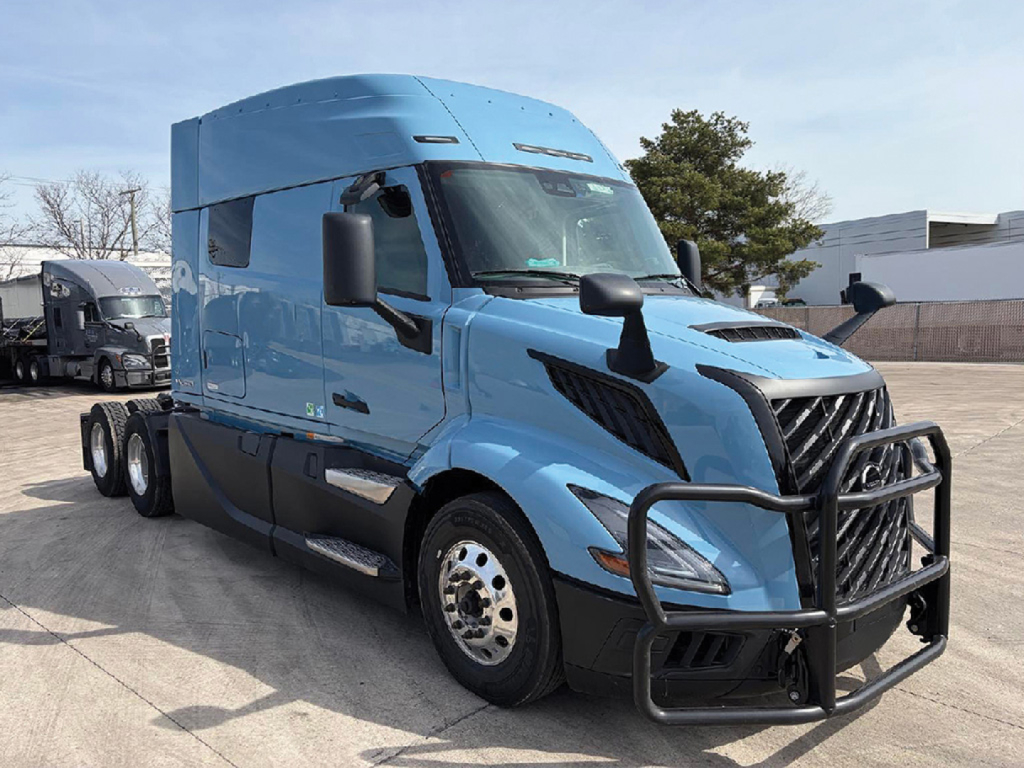
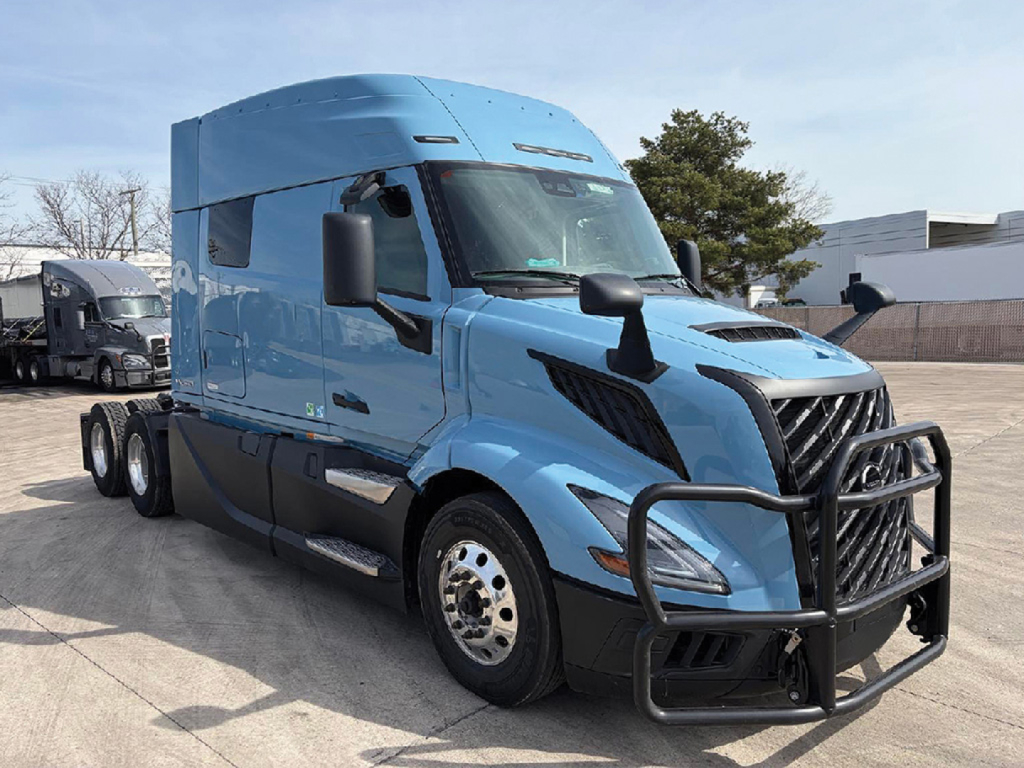
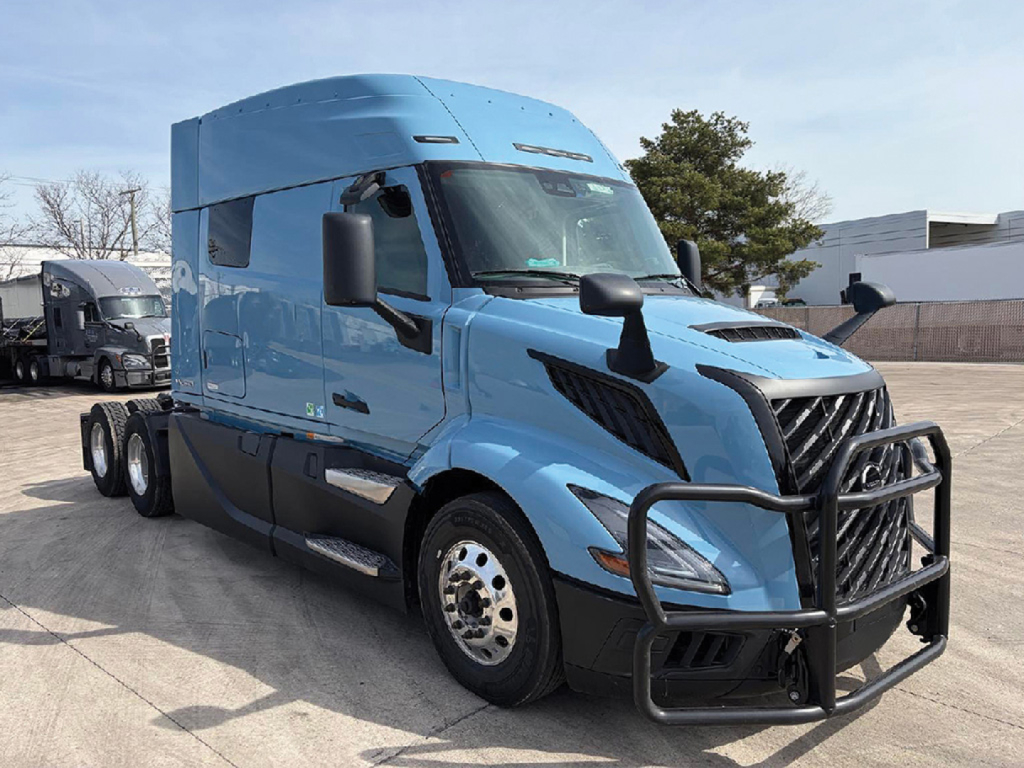
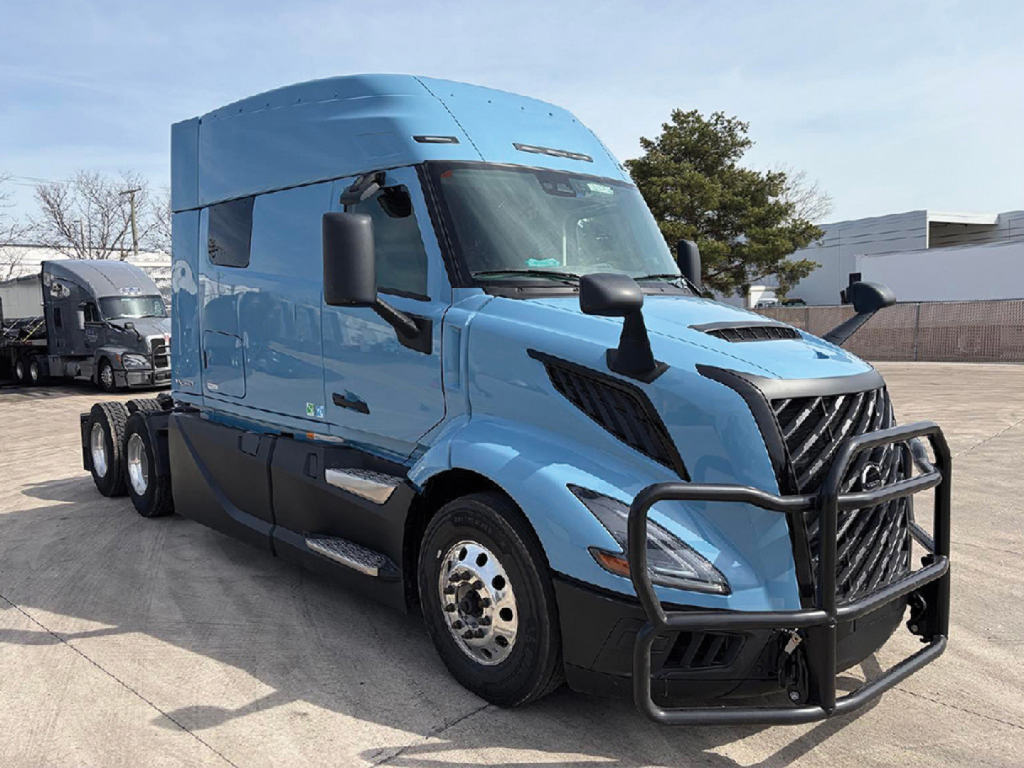
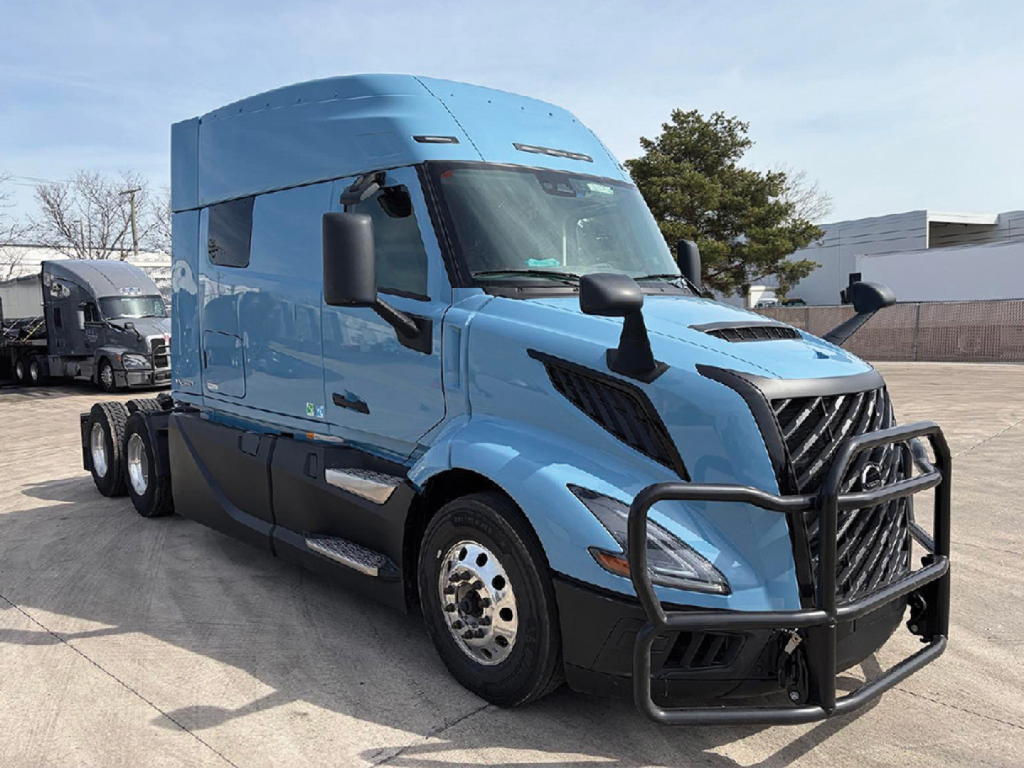
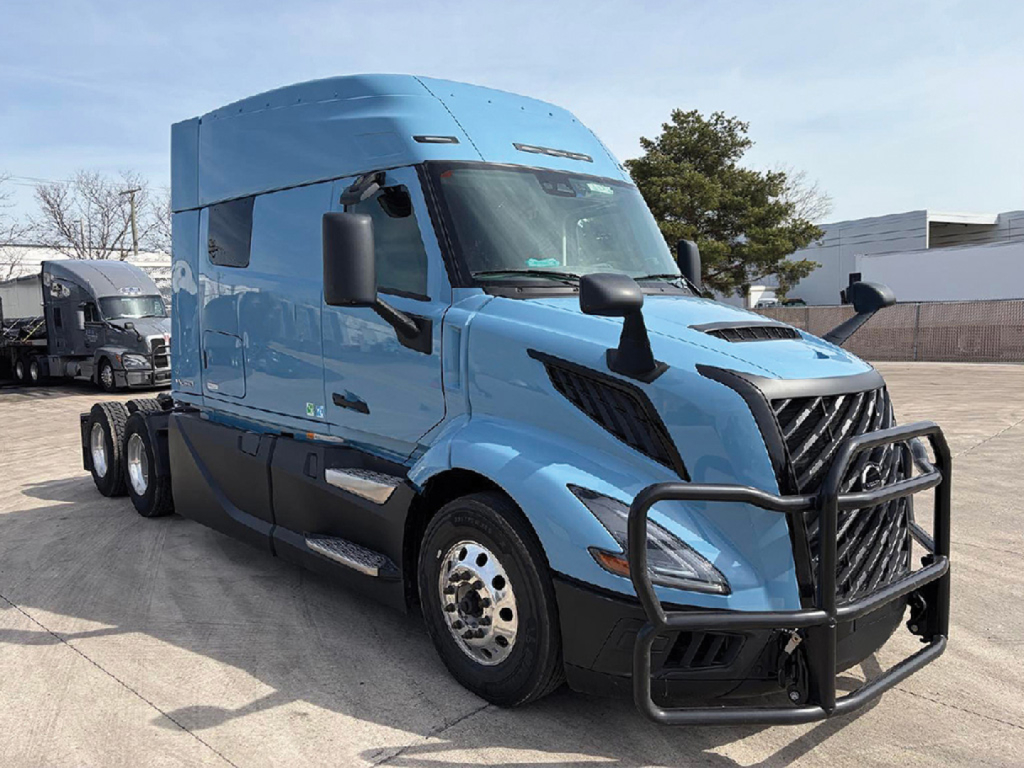
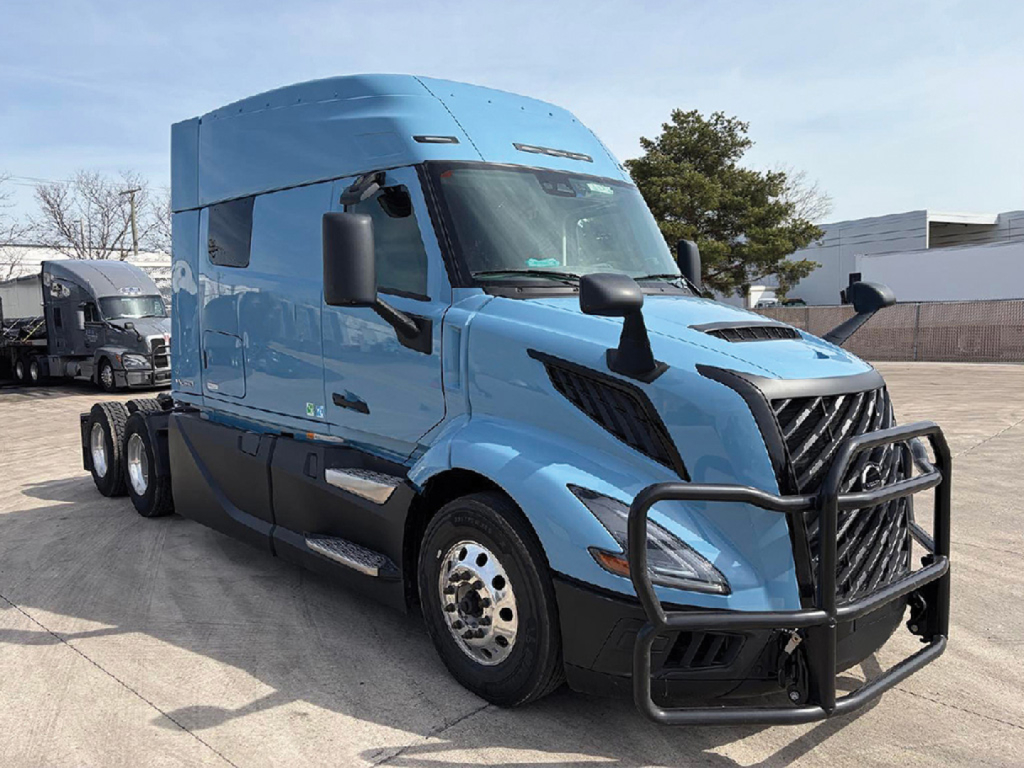
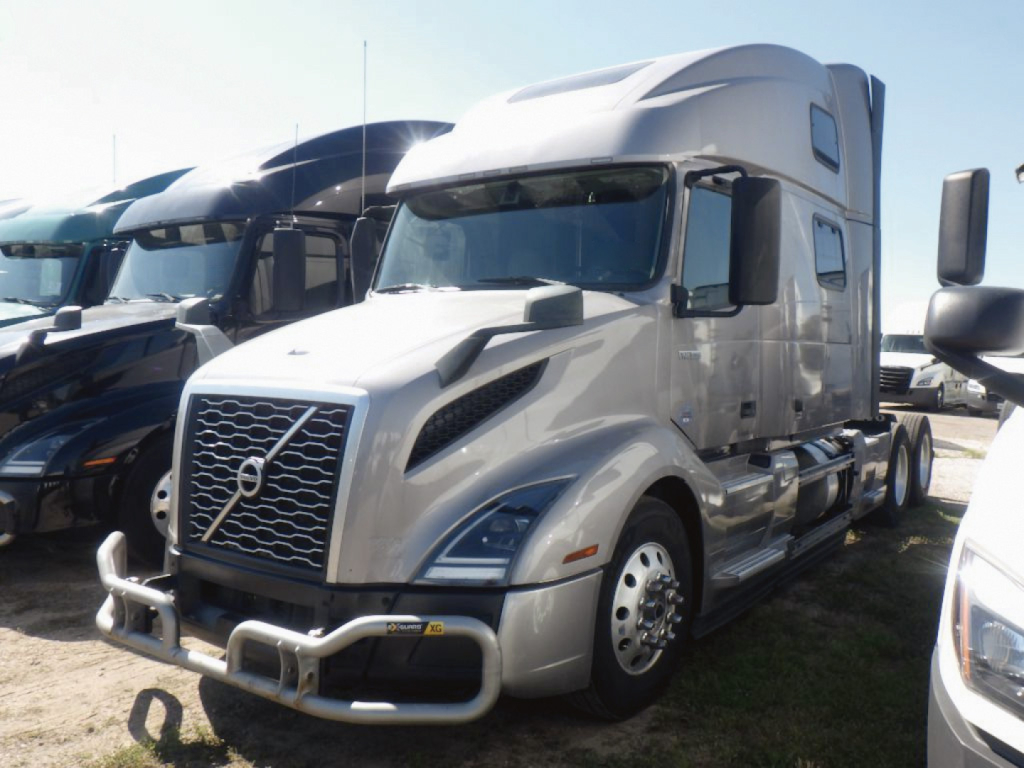
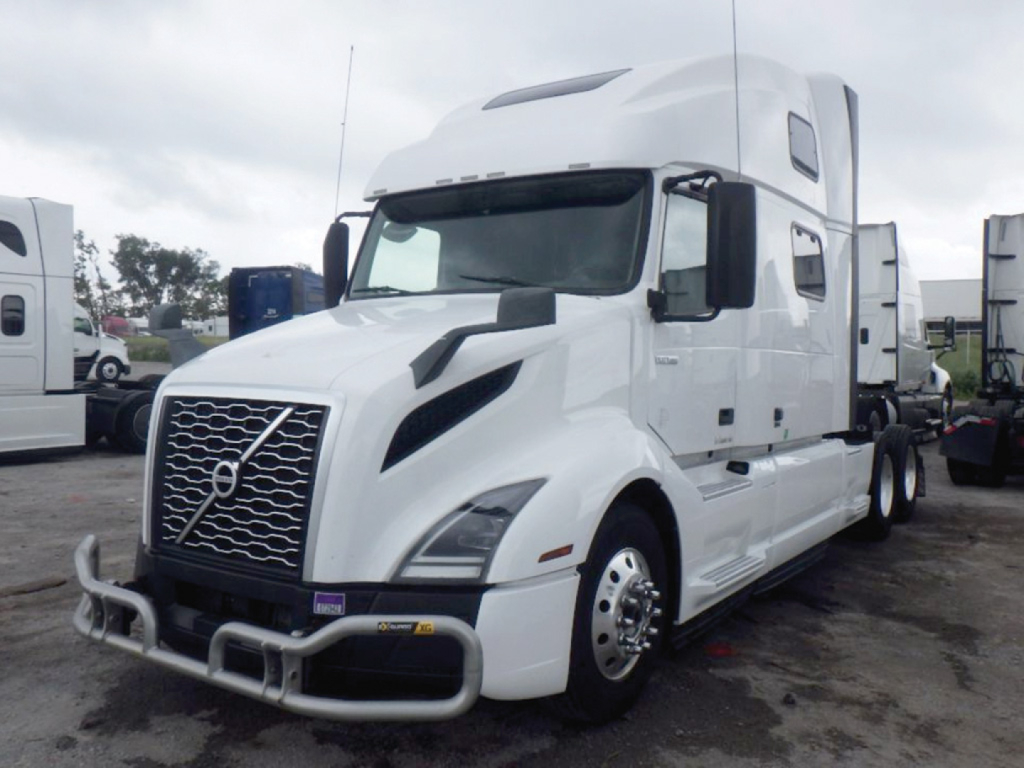
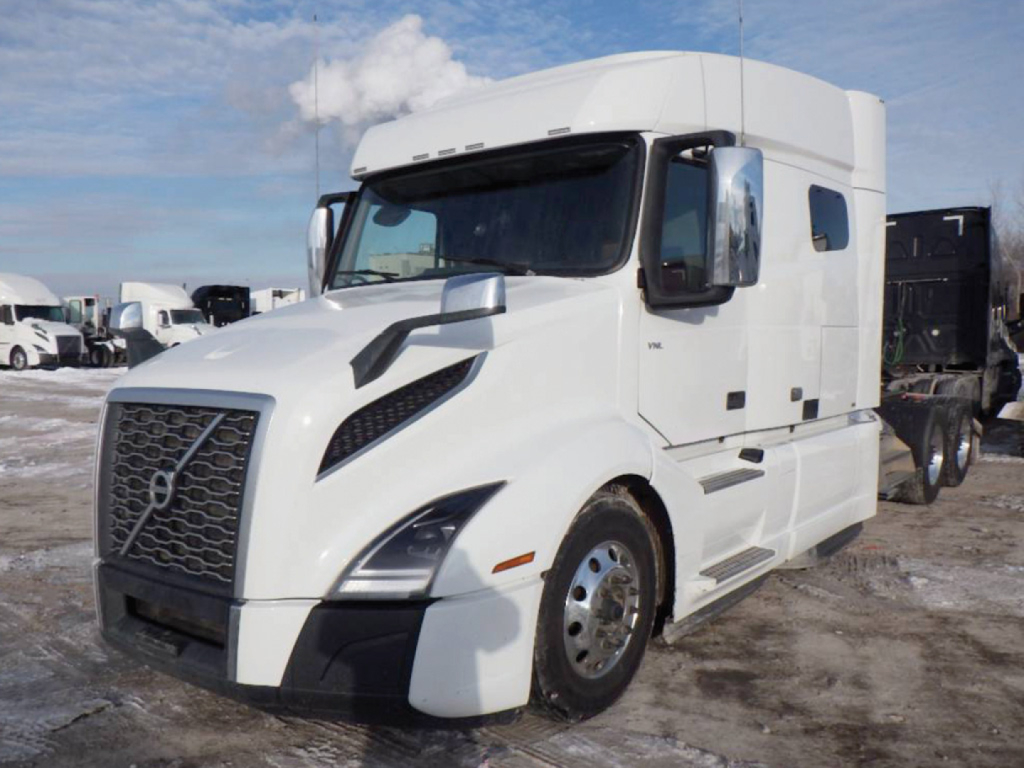
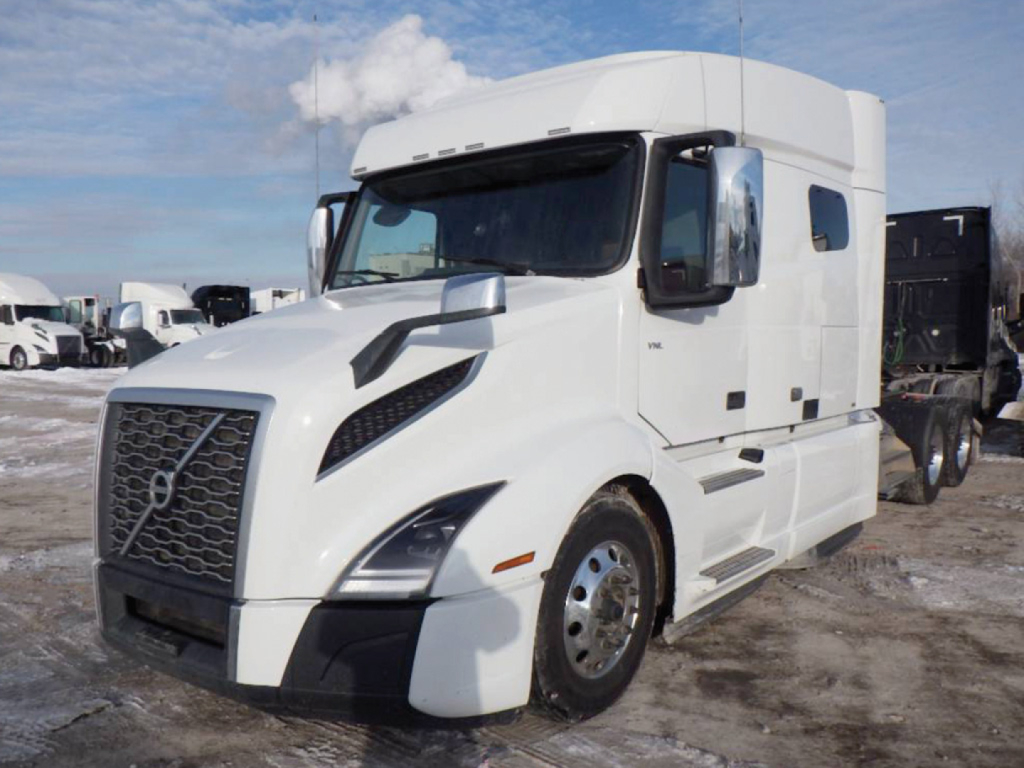
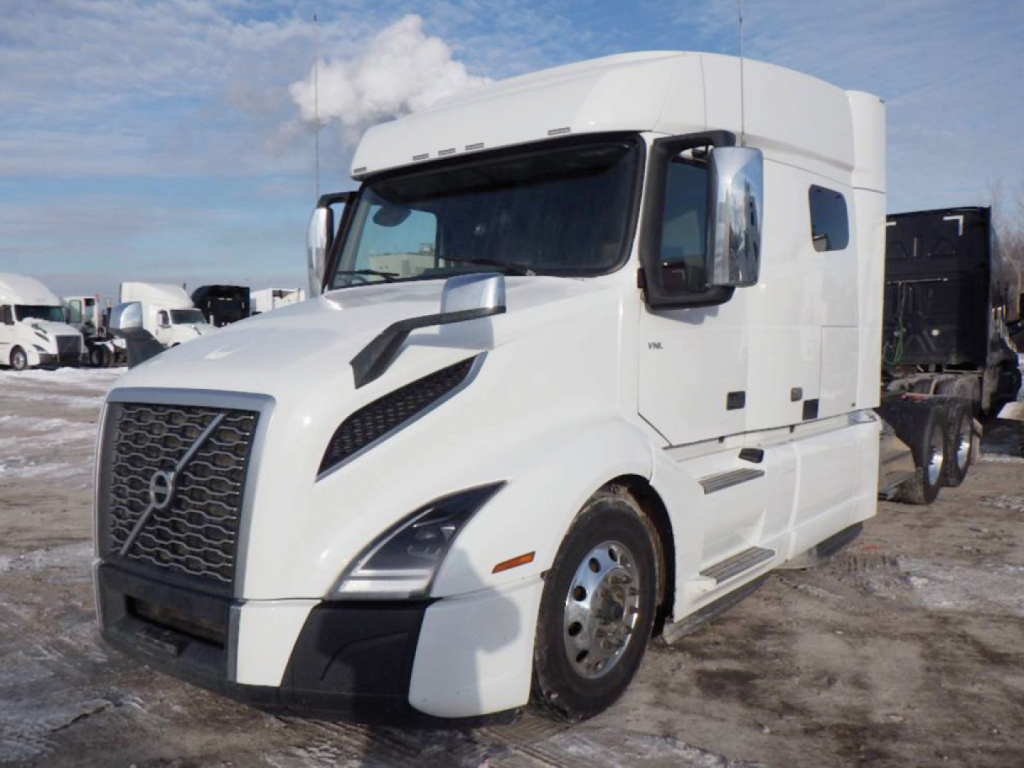
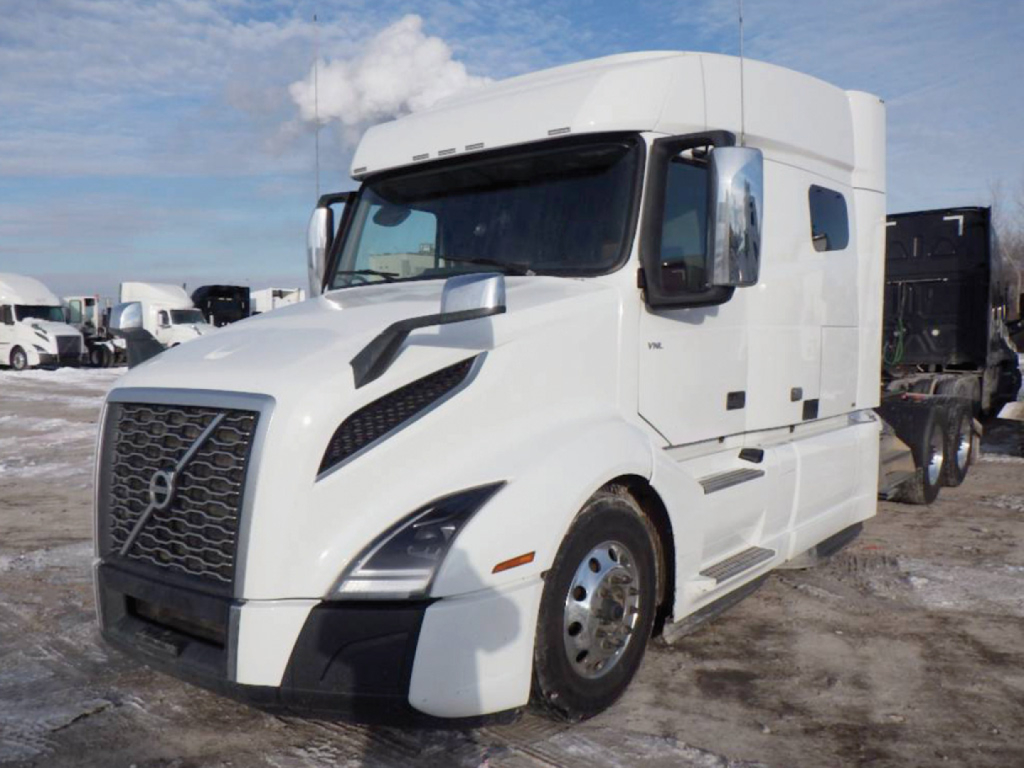
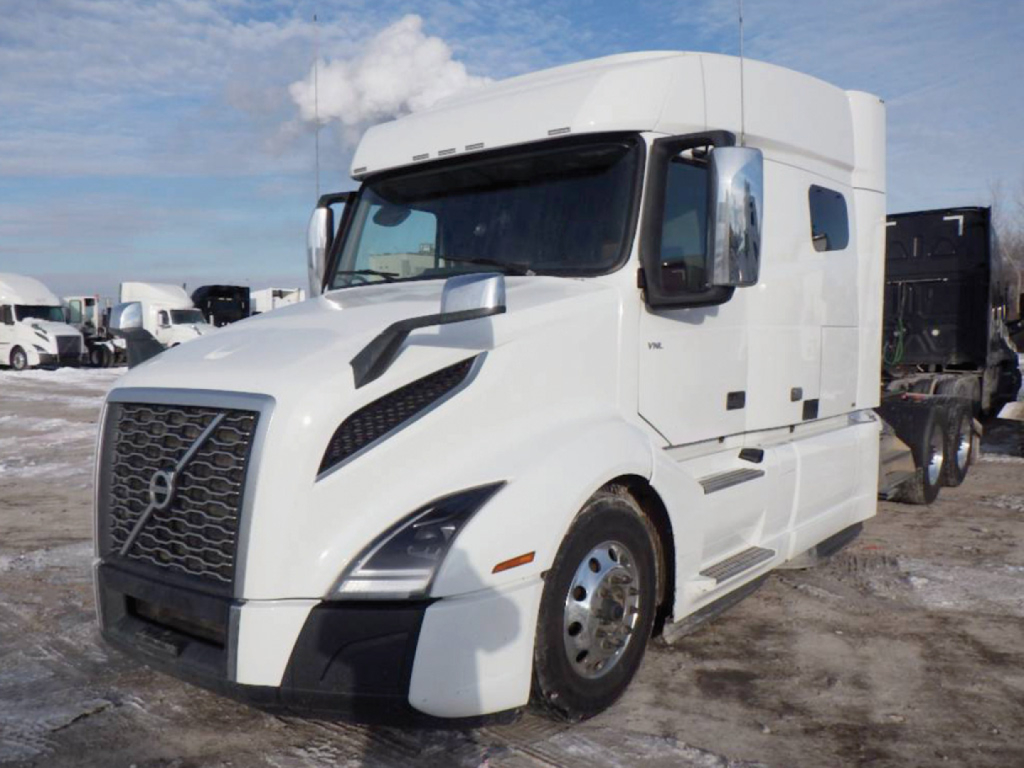
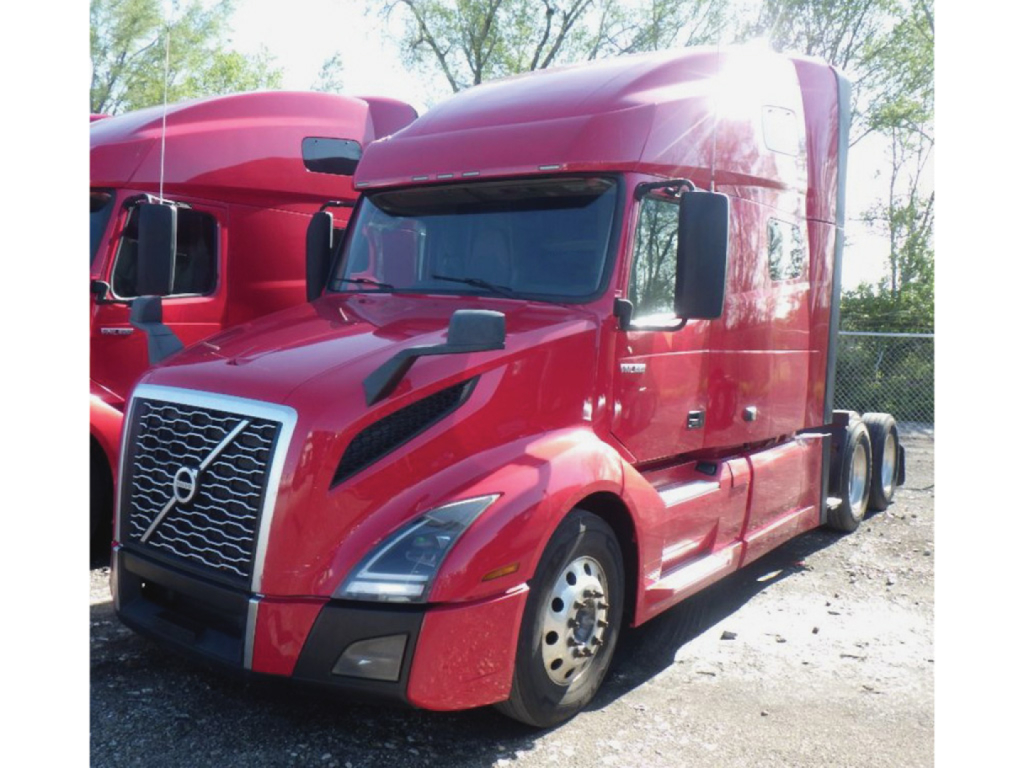

Showing 1 to 24 of 35 results
Have used volvo conventional sleeper truck to sell? List it here to reach thousands of buyers.
Used Volvo Conventional Sleeper Trucks in Illinois
Floor strength and chassis integrity determine how well a used tractor handles years of fifth wheel load transfers and rough docks. Volvo frames use high tensile steel rails with stout RBM ratings, reinforced at suspension hangers and under the fifth wheel plate. Look for tight crossmember spacing, straight rail flanges, and clean flitch plates if equipped. Cab and sleeper floors should feel solid under foot, with no soft spots around seat pedestals or bunk mounts. An air slide fifth wheel with sufficient travel, a properly aligned driveline, and suspension bushings without excessive play help protect the frame over time and keep tire wear even.
Thermal integrity in the sleeper matters for driver rest and fuel cost in Illinois seasons. Volvo sleepers are known for good insulation, tight door and glass seals, and efficient HVAC ducting that balances airflow to the bunk. Units with factory idle-reduction, battery HVAC, or diesel-fired bunk heaters can hold target temperatures with minimal idling, reducing soot loading and aftertreatment stress. Pay attention to window gaskets, cab-to-sleeper transition seals, and condenser condition, since small leaks degrade cooling performance and increase idle time. Sound insulation in the firewall and floor also reduces fatigue during long shifts.
Tare weight influences payload and mpg, so compare axle configuration, wheelbase, and component choices. A 6x2 can save 300 to 400 pounds versus 6x4, but traction management and tire wear must be considered for winter operation. Aluminum wheels, single 150 gallon tanks, and disc brakes trim weight, while heavy bumpers, headache racks, and full chassis fairings add pounds but can improve aero or protection. Corrosion resistance is critical in the Midwest, so inspect e-coated frame rails for underfilm rust, paint loss around suspension brackets, and wiring harness seals near the steer axle and battery box. Stainless or composite fairing hardware, intact undercoating, clean DEF tank brackets, and dry cab mounts indicate a tractor that will age well in Illinois road salt.
Frequently Asked Questions about Used Volvo Conventional Sleeper Trucks in Illinois
Which Volvo sleeper model is best for long-haul vs mixed regional routes in Illinois?
For high-mile highway duty, VNL 760 and 860 tractors offer the most aerodynamic cabs and spacious sleepers, which helps mpg and driver retention. For mixed regional work with tighter docks or lower bridges, a VNL 740 mid roof or VNR 640 can reduce overall height and wheelbase, improving maneuverability while still providing a comfortable bunk. Match roof height and fairings to trailer profile to avoid aero mismatch.
What axle ratio and I-Shift pairing should I look for on flat Illinois terrain?
On predominantly flat highway routes, a direct drive I-Shift with rear ratios from about 2.28 to 2.64 keeps the engine in the sweet spot at cruise, improving fuel economy and drivability. Fleets that run mixed speeds or more stop and go may prefer an overdrive with slightly higher ratios, such as 2.79 to 3.08, to maintain flexible performance at lower road speeds. Verify tire size and governed speed, since both affect final rpm at cruise.
How can I assess frame and floor strength on a used Volvo sleeper tractor?
Inspect the frame rails for straightness, uniform paint or e-coat, and tight crossmember bolts with no fretting. Check for cracks or rust jacking near suspension hangers, the steer axle crossmember, and the fifth wheel mounting area. Inside the cab and sleeper, step around seat bases and the bunk to feel for soft spots. Look for intact seam sealant at cab-to-sleeper joints and verify the air slide fifth wheel locks evenly across the rack, since wear there can point to past overloads.
How does sleeper thermal integrity affect operating cost and driver comfort?
Good insulation and tight seals reduce compressor cycling and cut idle hours, which saves fuel and extends aftertreatment life. A sleeper that holds temperature well allows battery HVAC or a bunk heater to manage most rest periods without engine idle. That lowers noise, improves sleep quality, and limits DPF regeneration frequency. Check door and window seals, HVAC blower performance, evaporator cleanliness, and that the bunk curtain seals properly to maintain cabin temperature.
What corrosion areas deserve extra attention on trucks used in the Midwest?
Focus on frame rail flanges near suspension brackets, crossmember seams, battery and DEF tank brackets, and electrical connectors ahead of the steer axle where road spray is heavy. Examine fairing brackets and steps for galvanic corrosion, and look under cab mats for floor pan rust from moisture intrusion. Clean wheel ends and brake calipers indicate timely maintenance, while heavy rust bloom under chipped paint suggests the need for remediation before it spreads.