
Used 2025 Conventional Sleeper Trucks For Sale in Kansas
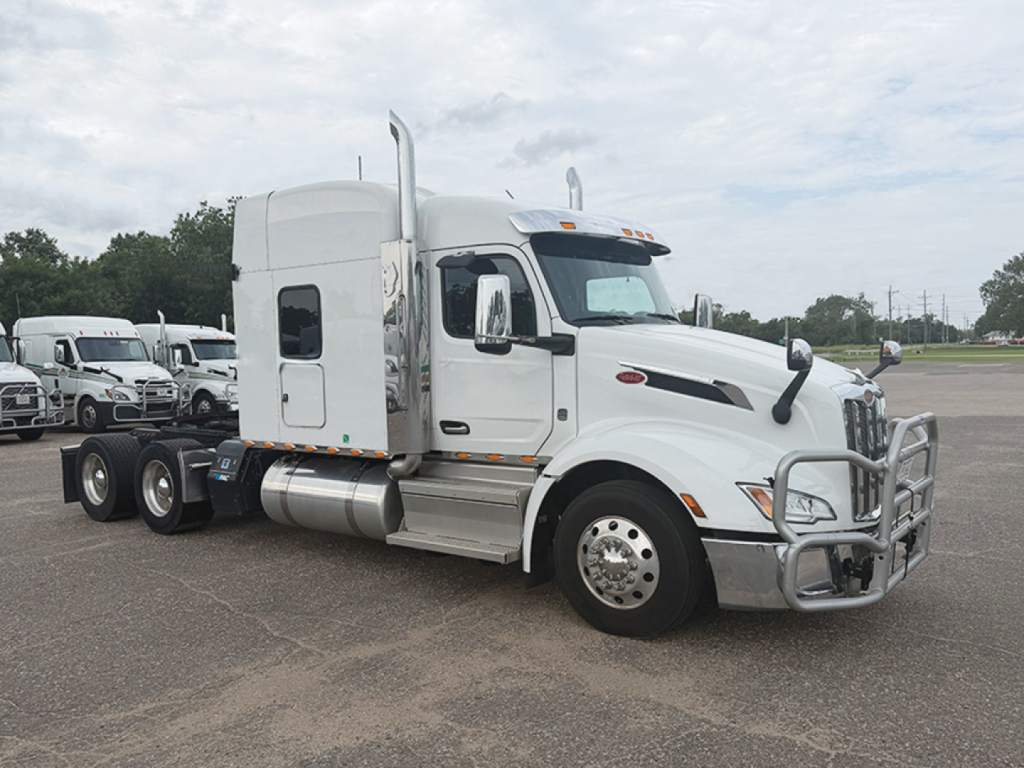
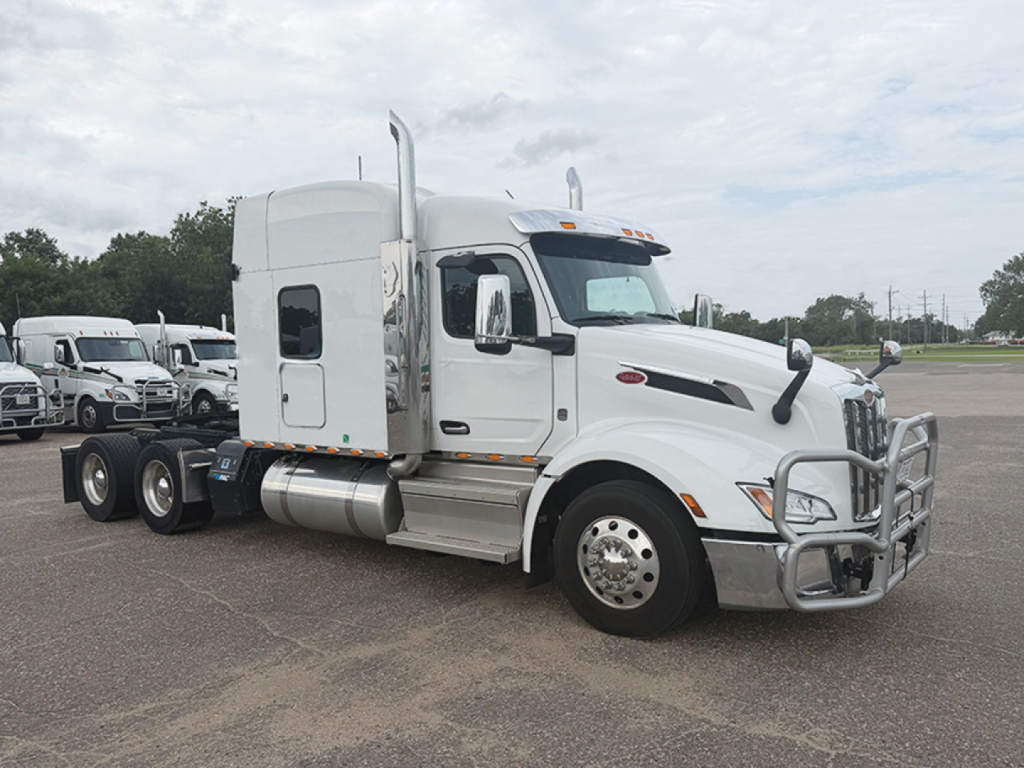
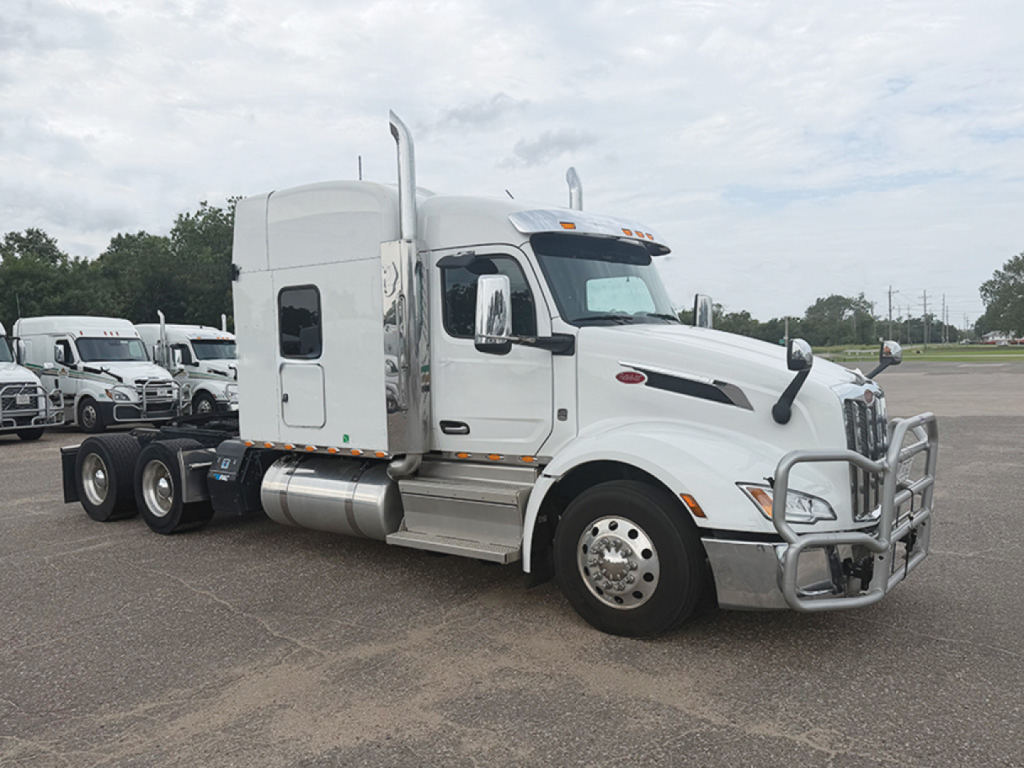
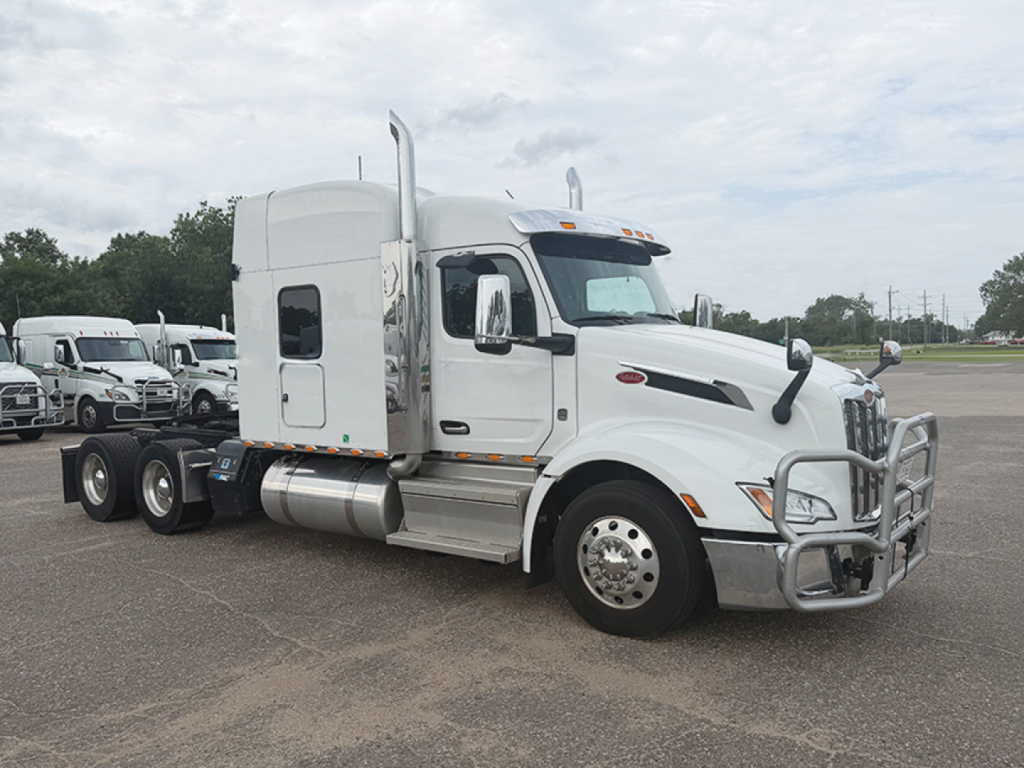
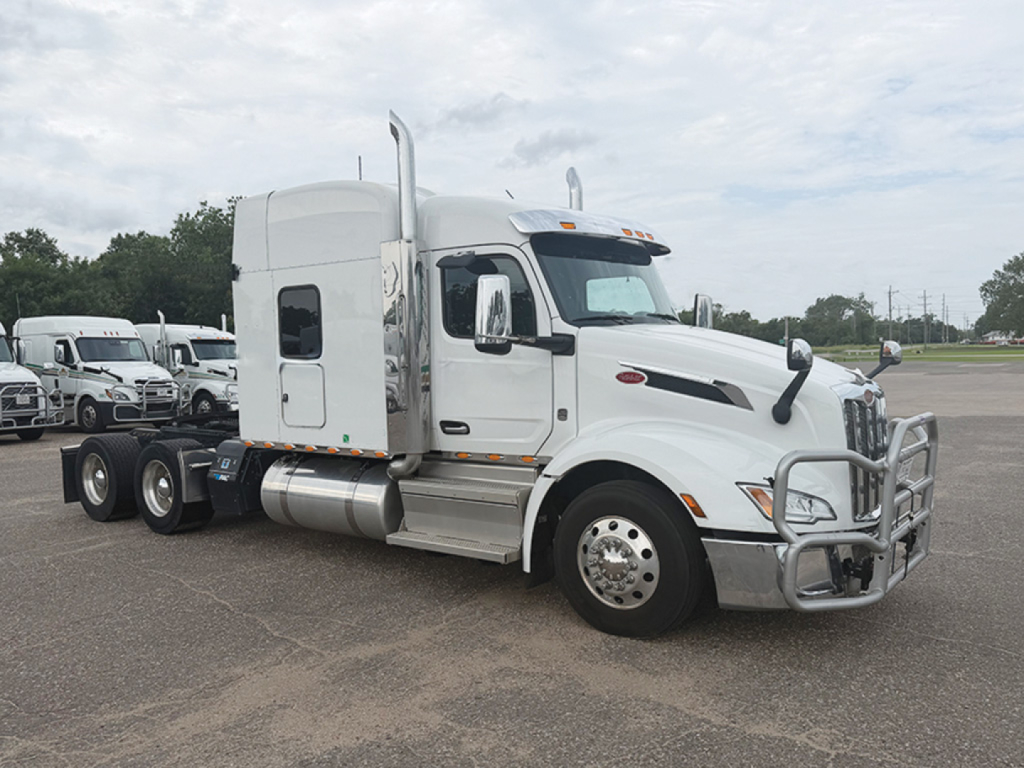
Have used 2025 conventional sleeper truck to sell? List it here to reach thousands of buyers.
Used 2025 Conventional Sleeper Trucks in Kansas
The first buying decision is usually the powertrain. Many 2025 conventional sleepers are built around 13-liter engines in the 400 to 500 horsepower range, paired with an engine brake and an automated transmission such as a 12-speed or 16-speed AMT. Rear axle ratios in the high-2s to low-3s are common because fleets are chasing fuel economy at highway speed. That setup works well for general freight, but buyers pulling heavier loads through rolling terrain may want to compare ratio, transmission gearing, and tire size closely. Wheelbase, fifth wheel travel, and fuel capacity also matter more than they look on paper because they affect bridge laws, trailer gap, maneuverability, and how flexible the truck will be across different lanes.
Sleeper configuration is another major separator. Late-model conventional sleepers often carry 70-inch to 80-inch stand-up sleepers with upper bunks, bunk heaters, refrigerators, APUs, premium interiors, and digital dash layouts. For an owner-operator or team application, those features can directly affect idle time, comfort, and driver retention. Look closely at disc versus drum brakes, super singles versus duals, suspension type, and any aerodynamic equipment such as cab extenders, quarter fenders, and roof fairings. In Kansas and across the central corridor, buyers also pay attention to crosswind stability, fuel range, and service network access because these trucks typically spend their lives covering long interstate miles.
For used 2025 models, condition review should focus on more than odometer reading. Check engine hours, idle hours, warranty carryover if available, service records, fault history, tire wear pattern, brake life, DPF and aftertreatment maintenance, and signs of frame or fifth wheel wear from the truck's prior application. A lightly used sleeper tractor can still have a very specific former job, and that tells you a lot about expected wear. A well-matched used 2025 conventional sleeper should deliver strong fuel economy, current-driver comfort, and broad resale appeal while still being flexible enough for standard over-the-road freight.
Frequently Asked Questions about Used 2025 Conventional Sleeper Trucks in Kansas
What is a conventional sleeper truck used for?
A conventional sleeper truck is a highway tractor with a rear sleeper compartment designed for over-the-road and extended regional hauling. It is commonly used for dry van, refrigerated, flatbed, and dedicated freight where the driver needs overnight accommodations and higher fuel capacity than a day cab typically provides.
What horsepower range is common in a used 2025 conventional sleeper?
Most used 2025 conventional sleeper trucks are equipped with 13-liter engines rated around 425 to 500 horsepower. That range covers the majority of general freight applications, especially when paired with an automated manual transmission and a fuel-economy rear axle ratio in the 2.64 to 3.25 range.
Are 2025 conventional sleepers mostly automatic?
Yes. Most 2025 conventional sleeper trucks on the used market are spec'd with automated manual transmissions rather than traditional manual gearboxes. AMTs help with fuel economy, driver recruitment, and consistency across fleets, but buyers should still compare transmission model, gearing, and programming to the truck's intended payload and terrain.
What sleeper size is most common on late-model conventional trucks?
High-roof sleepers in the 70-inch to 80-inch range are very common on late-model conventional sleeper tractors. These larger sleepers typically include stand-up room and may be equipped with an upper bunk, refrigerator, bunk heater, storage cabinets, and auxiliary power unit support for long-haul comfort.
What should I inspect first on a used 2025 sleeper tractor?
Start with engine hours, idle hours, maintenance history, fault codes, tire condition, brake wear, aftertreatment service records, and fifth wheel or frame wear. On a late-model truck, electronic systems and emissions maintenance are just as important as cosmetic condition because they can heavily affect uptime and operating cost.