
Used 2025 Peterbilt Conventional Sleeper Trucks For Sale in Kansas
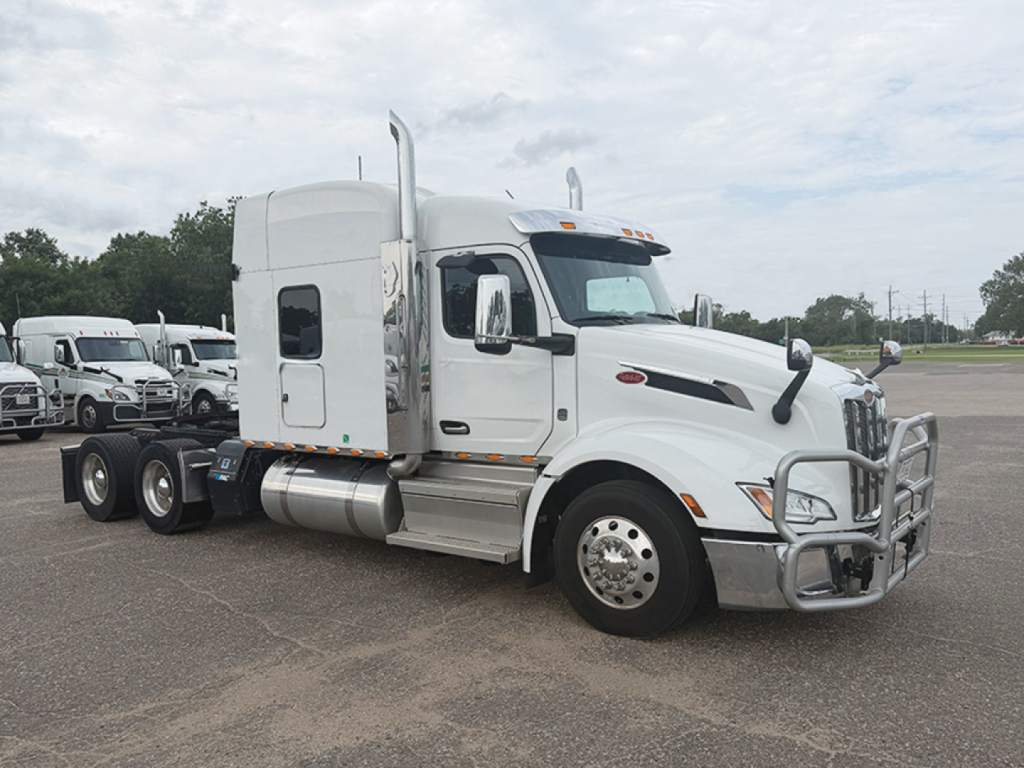
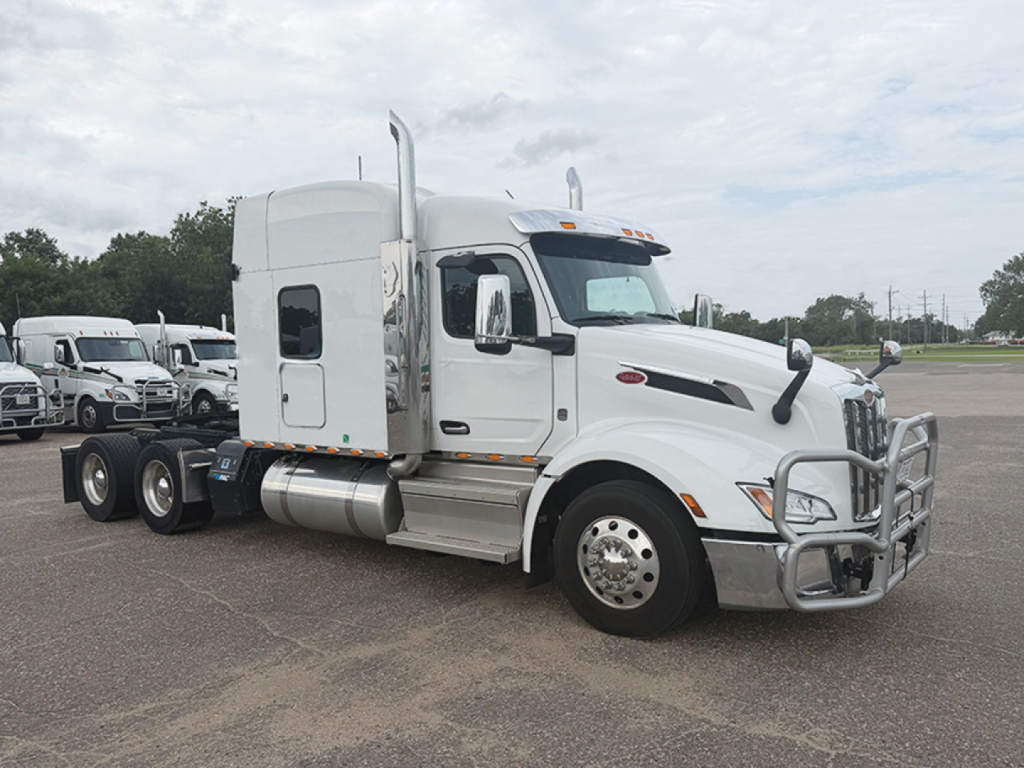
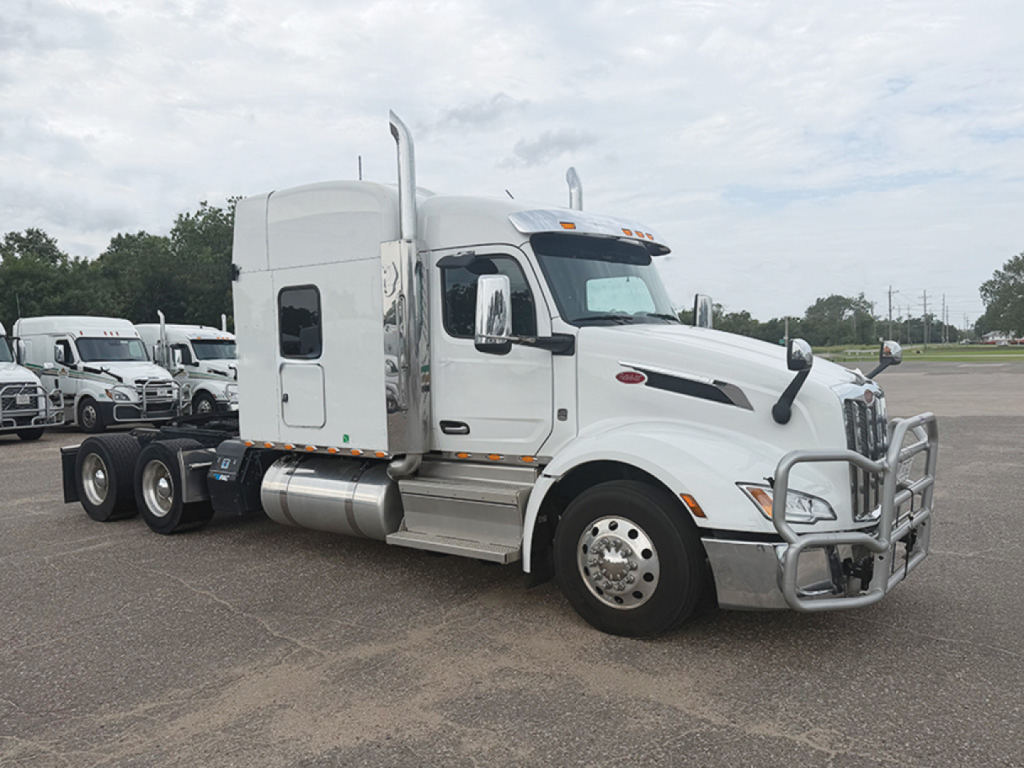
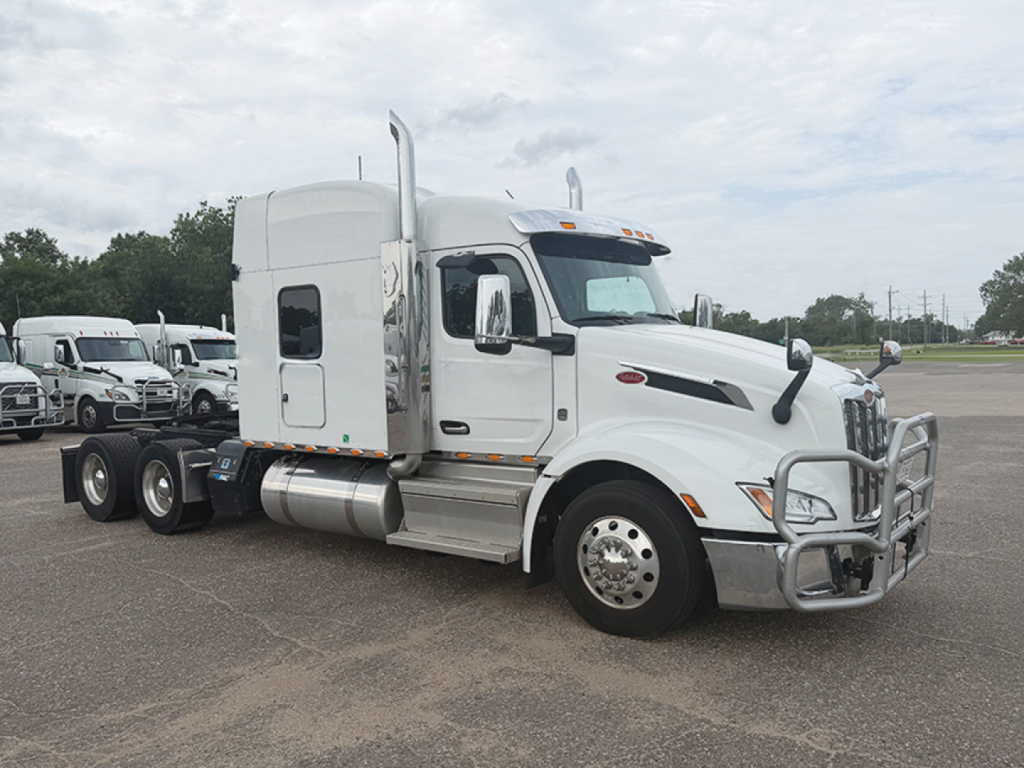
Have used 2025 peterbilt conventional sleeper truck to sell? List it here to reach thousands of buyers.
Used 2025 Peterbilt Conventional Sleeper Trucks in Kansas
A key buying decision on a 2025 Peterbilt sleeper is the drivetrain spec. Many are equipped with the PACCAR MX-13 in the 455 HP range, paired with an automated transmission and an engine brake. That setup is well suited for general freight and fleet work because it delivers strong fuel performance without giving up pulling power. Pay close attention to rear axle ratio, since a 2.64 ratio typically favors lower cruise RPM and fuel economy on flatter interstate routes, while a 3.08 ratio can be a better fit for mixed terrain, heavier gross weights, or applications that need a little more startability. Common tandem ratings around 40,000 pounds, air ride suspension, and air slide fifth wheels make these trucks adaptable to a wide range of trailer lengths and load profiles.
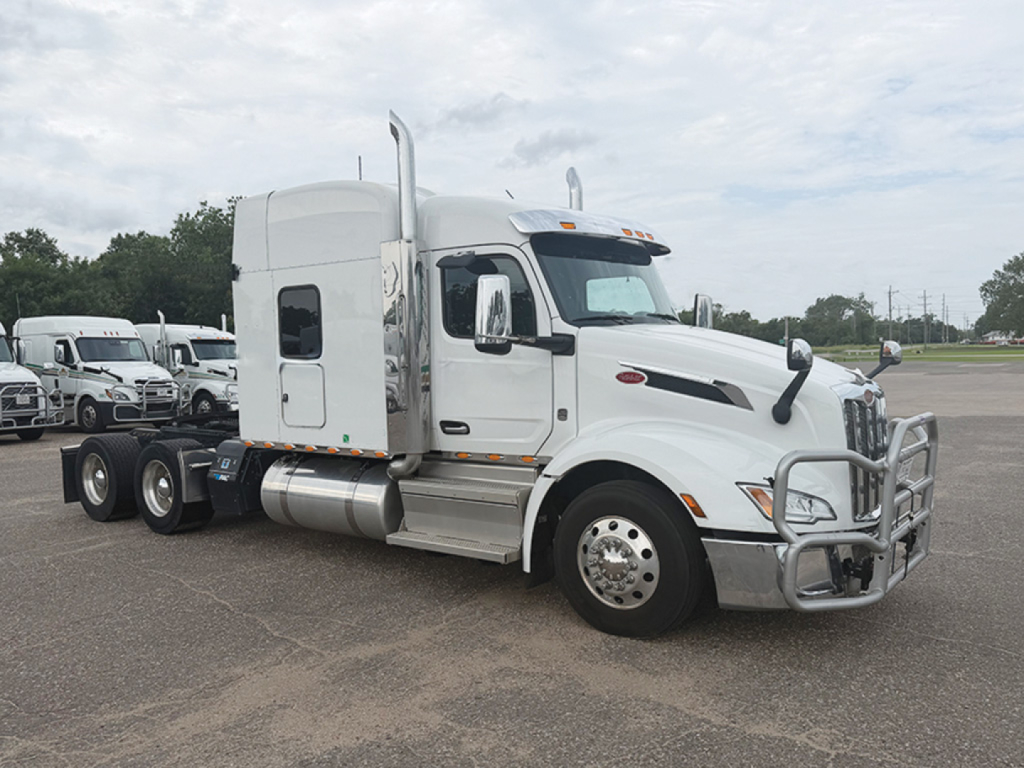
Sleeper configuration matters just as much as engine spec. Many late-model Peterbilt sleepers use an 80-inch high-roof design such as the UltraCab or Unibilt sleeper, giving drivers stand-up room, more storage, and better week-long over-the-road comfort. Features often include bunk heaters, refrigerators, APUs, premium interior trim, digital dash layouts, tilt and telescoping steering, and power convenience options. For a buyer comparing listings, these details affect resale value and driver retention as much as they affect comfort. Exterior equipment like dual aluminum fuel tanks, aerodynamic cab extenders, quarter fenders, deer guards, and polished or aluminum wheels can also signal how a truck was spec'd for image, fuel range, and linehaul use.
For Kansas operators, a used 2025 Peterbilt conventional sleeper can make sense for I-70 freight, cross-country lanes, and Midwest regional service where a clean aerodynamic spec and modern safety equipment are important. Check wheelbase against the trailers you plan to pull, verify tire setup if the truck has super singles, and confirm brake type, since disc brakes are increasingly common on newer tractors and can improve stopping consistency and service access. On a truck this new, the real differentiators are usually ratio, sleeper package, maintenance history, emissions warranty status, and how the original spec matches your freight. A well-matched Peterbilt sleeper should deliver strong highway manners, a quiet cab, and operating efficiency that holds up across high annual mileage.
Frequently Asked Questions about Used 2025 Peterbilt Conventional Sleeper Trucks in Kansas
What engine and transmission setup is common in a used 2025 Peterbilt conventional sleeper?
A common setup is the PACCAR MX-13 rated around 455 horsepower paired with an automated transmission and an integrated engine brake. This combination is popular in fleet and owner-operator highway service because it supports fuel-efficient cruising, straightforward drivability, and good performance in general freight applications. Exact ratings can vary, so buyers should confirm horsepower, torque, transmission model, and rear axle ratio together rather than looking at engine horsepower alone.
Is a 2.64 or 3.08 rear axle ratio better on a Peterbilt 579 sleeper?
A 2.64 ratio is generally aimed at fuel-efficient linehaul operation on flatter interstate routes, where lower engine RPM at cruise speed can reduce fuel burn. A 3.08 ratio usually provides better launch feel and can be more forgiving in mixed terrain, heavier payloads, or regional work with more speed changes. The better choice depends on trailer weight, terrain, target cruise speed, and tire size, so ratio should always be evaluated as part of the full driveline spec.
What sleeper features should buyers look for on a 2025 Peterbilt conventional sleeper truck?
The most valuable sleeper features are the ones that improve uptime and driver comfort over long runs. High-roof 80-inch sleepers are common because they provide more storage and stand-up room. Features like an APU, bunk heater, refrigerator, premium interior trim, and digital instrumentation can make a noticeable difference in idling costs, rest quality, and driver satisfaction. These items also tend to help resale because they reflect a stronger over-the-road spec.
Are disc brakes and super singles good options on a used late-model sleeper tractor?
Disc brakes are increasingly common on newer highway tractors and are often favored for consistent stopping performance, shorter stopping distances in many conditions, and easier brake inspection. Super singles can reduce weight and rolling resistance, which may help fuel economy, but they also affect roadside service planning and replacement cost strategy. Buyers should consider their maintenance network, trailer compatibility, and lane type before deciding whether a super single-equipped tractor fits their operation.
What should a buyer in Kansas pay attention to when comparing used 2025 Peterbilt sleeper trucks?
Kansas buyers should focus on how the truck was spec'd for Midwest and cross-country freight. Rear axle ratio, wheelbase, fuel capacity, and sleeper equipment are especially important for I-70 and long-haul lane work. It is also smart to verify maintenance records, remaining warranty coverage, emissions system history, and any signs of heavy vocational use on what should be a highway tractor. On trucks this new, the difference between a good buy and a poor fit usually comes down to matching the original spec to your freight and operating pattern.