
Used 2023 Conventional Sleeper Trucks For Sale in Oklahoma
Browse used 2023 conventional sleeper trucks in Oklahoma. Compare mid-roof and raised-roof specs, powertrains, wheelbases, and sleeper features.
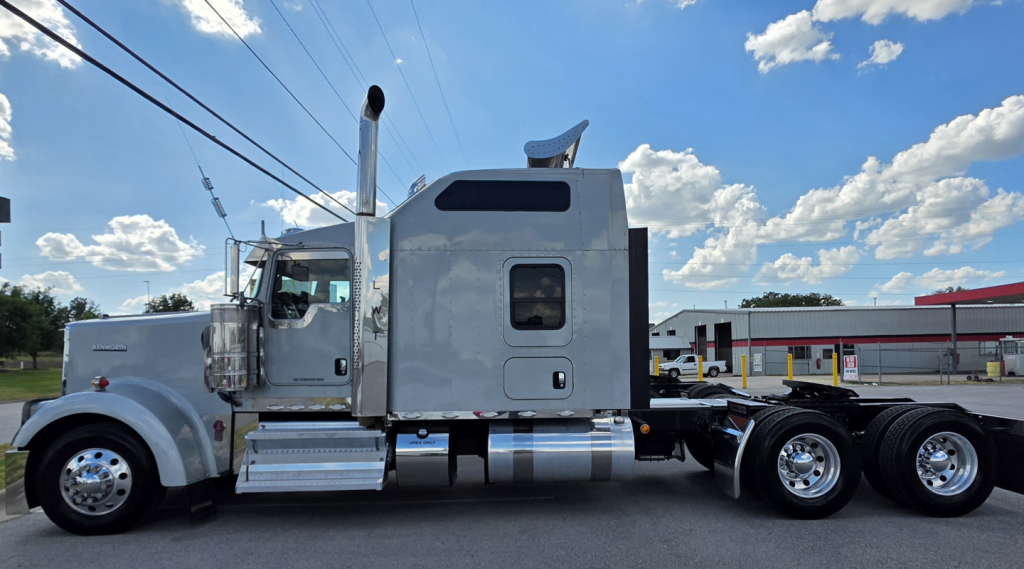
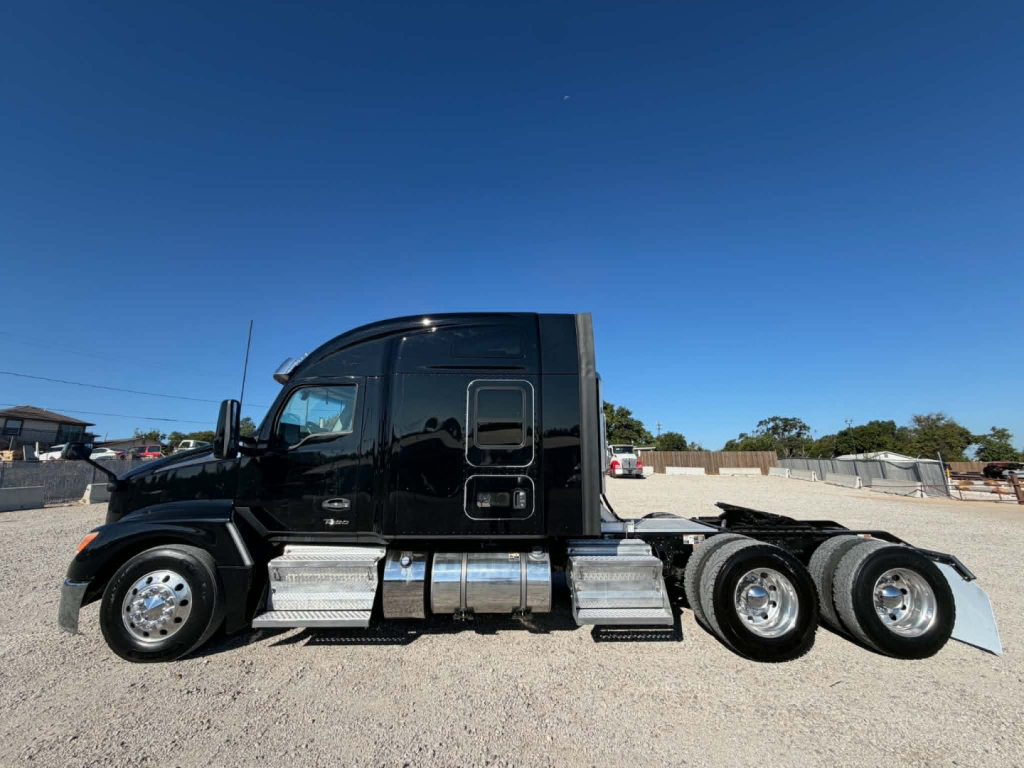
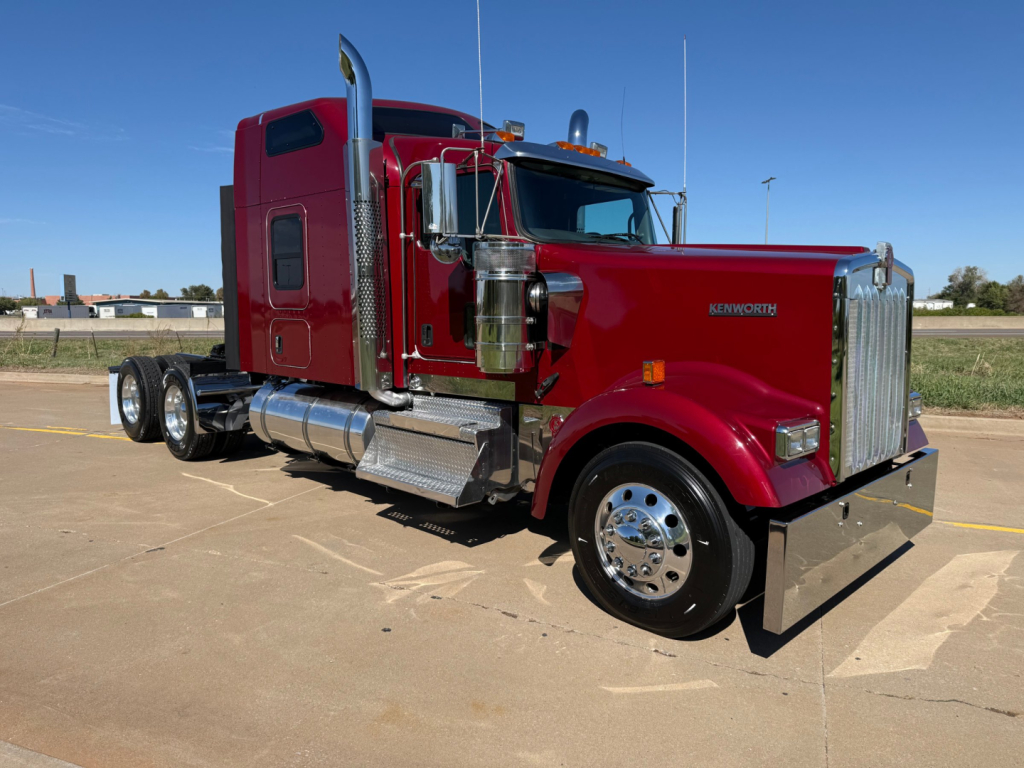
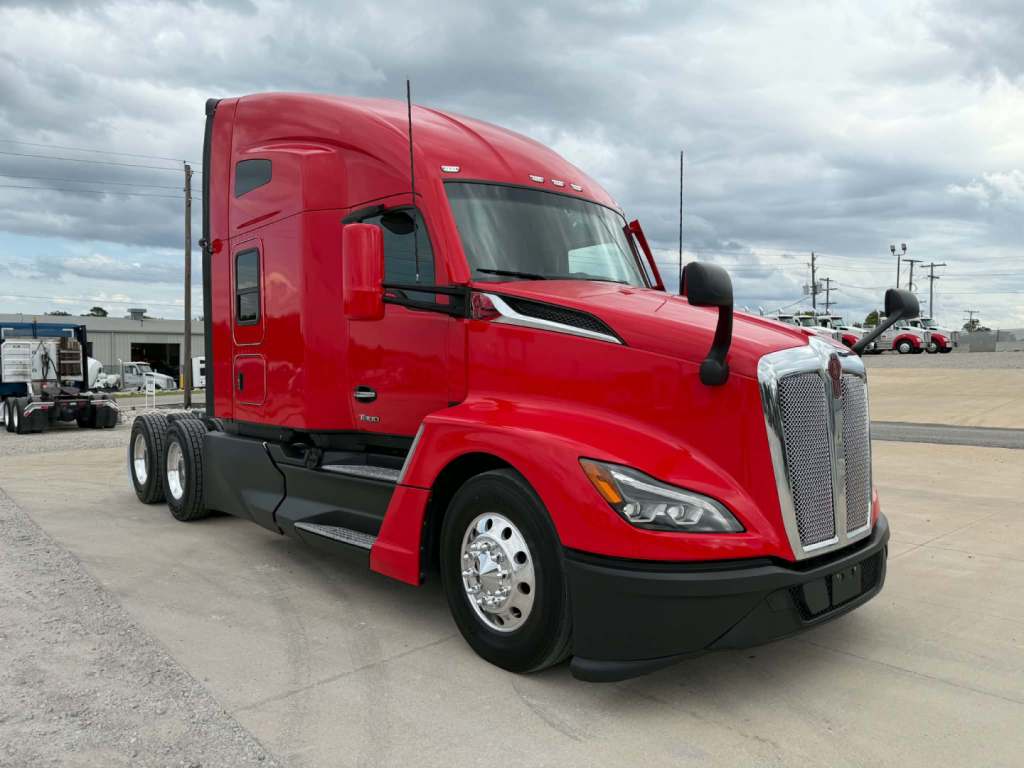
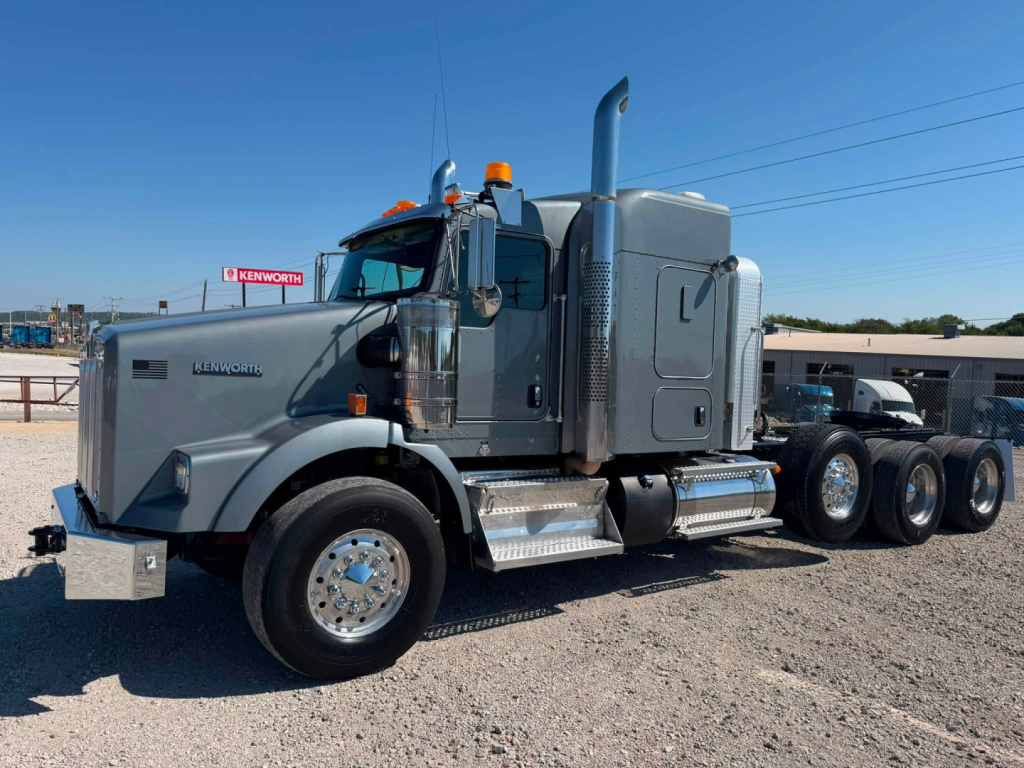
Selling a used 2023 conventional sleeper truck? List your used 2023 conventional sleeper truck for sale and reach thousands of commercial buyers.
Used 2023 Conventional Sleeper Trucks in Oklahoma
Powertrain spec is the first decision that matters. Most 2023 conventional sleepers in this segment are built around 13-liter to 15-liter diesel engines, commonly in the 400 to 500 horsepower range, paired with automated manual transmissions such as the Eaton Endurant, DT12, or I-Shift. Rear axle ratios like 2.64, 2.85, and 3.08 are common, and they tell you a lot about intended use. Lower numerical ratios generally favor fuel economy and linehaul cruising, while a deeper ratio may make more sense for heavier freight, hill country, or operations with more stop-and-go work. For Oklahoma lanes, where trucks may see long interstate stretches, crosswinds, and mixed regional freight, the right combination of horsepower, torque, axle ratio, and wheelbase can have a direct effect on both fuel burn and driver satisfaction.
Sleeper configuration is just as important as engine spec. In the used 2023 market, 72-inch mid-roof and larger raised-roof sleepers are common, along with features such as bunk heaters, inverters, refrigerators, battery-powered APUs, and optimized storage layouts. Those details matter if the truck will stay out for several nights at a time or run true over-the-road schedules. Buyers should also compare front axle ratings, tandem specs, suspension type, and fifth wheel setup. A 12,000 to 13,200 lb front axle and 40,000 lb rears on air ride are typical highway specs, but details like low air leaf suspension, air-slide fifth wheels, and fuel capacity can change how flexible the truck is across different trailer lengths and freight profiles.
When comparing used 2023 conventional sleeper trucks, pay close attention to mileage, service records, emissions maintenance, tire condition, brake life, and signs of idle reduction use. A well-specced truck with an electric APU or cab parking heater may have less engine idle time and potentially lower wear in certain systems. It also pays to verify wheelbase, kingpin setting compatibility, and sleeper height against the trailers and lanes you plan to run. Oklahoma buyers often need a tractor that can handle long highway miles, hot weather, and broad lane coverage across the Southern Plains, so cooling system condition, HVAC performance, and overall aerodynamic package deserve a close look. The best truck in this category is not just the newest or lowest-mile unit. It is the one whose spec matches your freight, route profile, maintenance plan, and driver retention goals.
Frequently Asked Questions about Used 2023 Conventional Sleeper Trucks in Oklahoma
What is a conventional sleeper truck?
A conventional sleeper truck is a highway tractor with a standard forward engine hood and an integrated sleeping compartment behind the cab. It is designed for regional and over-the-road operation where drivers need rest space, onboard storage, and better living comfort than a day cab provides. In the used 2023 market, conventional sleepers are typically aerodynamic tractors built for van, reefer, flatbed, and general freight applications.
What horsepower is typical in a used 2023 conventional sleeper truck?
Most used 2023 conventional sleeper trucks are equipped with engines in the 400 to 500 horsepower range, with 450 hp being a very common linehaul spec. Torque, rear axle ratio, and transmission calibration matter just as much as horsepower because they determine startability, cruise RPM, and fuel economy. A buyer hauling general dry van freight on interstate lanes may prefer a fuel-efficient downsped setup, while heavier or more demanding operations may need a stronger torque rating or deeper rear ratio.
What sleeper size should I look for in a 2023 highway tractor?
The right sleeper size depends on time out, driver preferences, and storage needs. A 72-inch mid-roof sleeper is a common choice because it balances aerodynamics, driver comfort, and overall weight, while larger raised-roof sleepers provide more stand-up room and living space for longer trips. Features like a refrigerator, bunk heater, inverter, and battery APU can matter as much as sleeper dimensions because they affect idle reduction, comfort, and life on the road.
Why do axle ratio and wheelbase matter on a conventional sleeper?
Axle ratio affects engine RPM, fuel economy, gradeability, and how the truck performs under load. Ratios such as 2.64 or 2.85 are often chosen for efficient highway cruising, while a 3.08 or deeper ratio may better suit heavier freight or more demanding terrain. Wheelbase matters because it influences ride quality, trailer gap, maneuverability, and how the tractor fits different trailer setups. Buyers should match both specs to their freight mix and typical operating lanes rather than choosing by model year alone.
What should I inspect first on a used 2023 conventional sleeper truck?
Start with service history, engine hours, emissions system records, and any evidence of repeated downtime. Then inspect tires, brakes, suspension, steering components, and the condition of the sleeper and cab systems, including HVAC, bunk equipment, and idle reduction components. On a 2023 model, it is also smart to verify safety system functionality, transmission operation, and any remaining warranty or factory campaign status. A late-model truck can look clean and still have a spec mismatch or maintenance issue that affects profitability.