
Used 2023 Conventional Sleeper Trucks For Sale in Georgia
Browse used 2023 conventional sleeper trucks in Georgia. Compare aero highway specs, sleeper setups, powertrain options, and fleet-ready features.
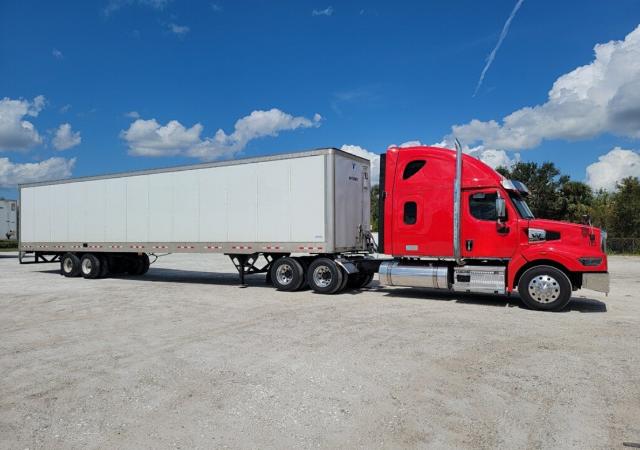
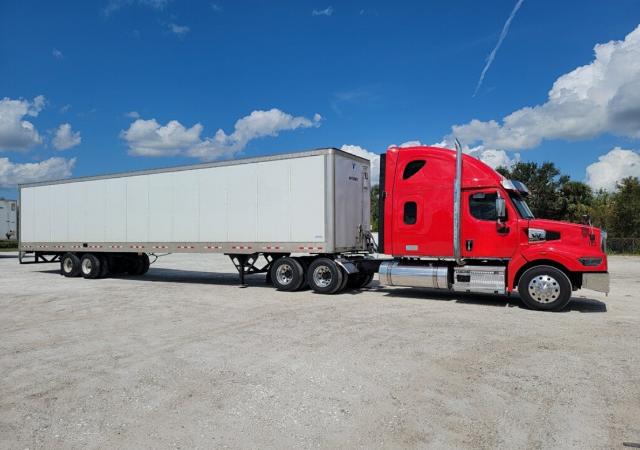
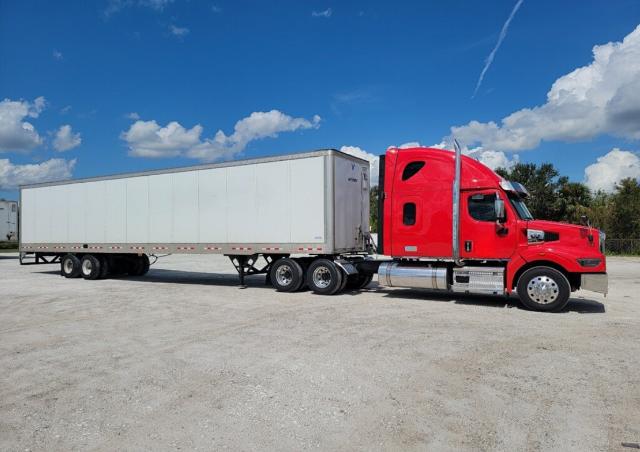
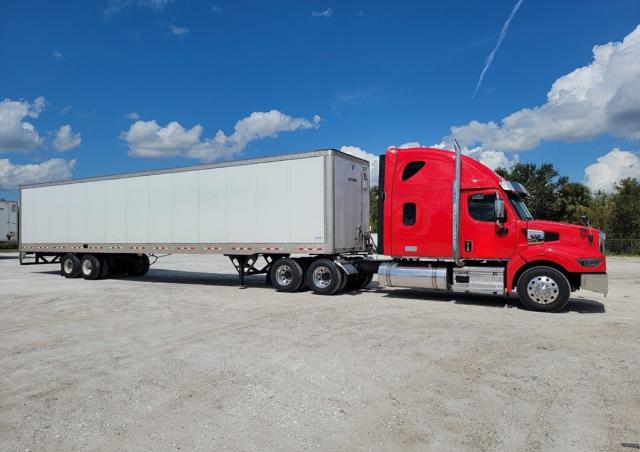

Showing 25 to 34 of 34 results
Have used 2023 conventional sleeper truck to sell? List it here to reach thousands of buyers.
Used 2023 Conventional Sleeper Trucks in Georgia
A 2023 model year buyer will usually be looking closely at powertrain spec before anything else. Common setups in this class include 13-liter to 15-liter diesel engines, often in the 400 to 505 horsepower range, matched to automated manual transmissions such as a DT12 or similar 12-speed. Typical rear axle ratios are selected to balance cruise RPM, gradeability, and fuel burn, so it is worth confirming how the truck was originally ordered and what duty cycle it came out of. On a used 2023 sleeper, check for emissions warranty status, idle hours versus road miles, service records, and signs of consistent PM intervals. Fleet-maintained trucks in this age range often have collision mitigation, adaptive cruise, lane departure warning, and other driver-assist systems that can improve safety performance and insurance appeal.
Sleeper configuration matters more than many buyers expect. Some 2023 conventional sleepers are set up with a mid-roof or condo-style raised roof, while others carry double bunk or studio sleeper layouts for team operation or longer dwell times. Features like bunk heaters, APUs, inverters, refrigerators, and optimized HVAC controls can make a meaningful difference in driver retention and idle reduction. Aluminum wheels, fairings, and aero trim are common on fuel-conscious specs, but a buyer should also inspect practical wear points such as fifth wheel condition, frame integrity, suspension bushings, brake life, tire match, and alignment history. If the truck will be assigned to heavier Southeast loads or port-related work, wheelbase, kingpin setting, and trailer swing clearance should be reviewed to make sure the tractor fits the intended lanes and customer docks.
The strongest used 2023 conventional sleeper trucks usually combine a documented maintenance history with a drivetrain spec that matches the freight. A truck optimized for long interstate runs may not be ideal for short-haul stop-and-go work, and a premium sleeper package may not add much value if the operation keeps drivers home most nights. Buyers comparing listings should focus on engine rating, transmission type, sleeper size, safety package, APU or idle-reduction equipment, axle and suspension configuration, and remaining tread and brake life. In this category, small spec differences can have a direct impact on fuel cost, driver acceptance, resale value, and how quickly the truck can be put to work.
Frequently Asked Questions about Used 2023 Conventional Sleeper Trucks in Georgia
What is a conventional sleeper truck?
A conventional sleeper truck is a highway tractor with the engine mounted ahead of the cab and a built-in sleeping compartment behind the driver area. It is the standard long-nose Class 8 configuration used in over-the-road and regional freight. Compared with day cabs, sleeper tractors are designed for longer trips, better driver accommodation, and more onboard storage and living space.
What should I look for in a used 2023 conventional sleeper truck?
Start with the powertrain and maintenance history. Confirm engine make and horsepower, transmission model, axle ratio, mileage, engine hours, idle hours, and documented service intervals. Then inspect emissions components, tire and brake life, suspension wear, fifth wheel condition, and any active fault codes. For a 2023 model, buyers should also verify the safety system package, sleeper amenities, and whether the original spec matches the current freight application.
Are 2023 conventional sleeper trucks good for regional and long-haul work in Georgia?
Yes. A used 2023 conventional sleeper is well suited for Georgia freight because it can cover port moves, regional distribution, and longer Southeast lanes with one platform. Aerodynamic tractors with modern driver-assist systems, automated transmissions, and fuel-efficient engine ratings are especially useful on high-volume interstate routes. The right sleeper size and wheelbase should still be matched to the truck's actual route density, customer locations, and trailer mix.
What engine and transmission specs are common in this category?
Many used 2023 conventional sleeper trucks are equipped with 13-liter or 15-liter diesel engines rated around 400 to 505 horsepower. Automated manual transmissions are common, especially 12-speed direct or overdrive units specified for fuel economy and driver ease. Most are tandem-axle 6x4 tractors, though exact rear axle ratios, suspension ratings, and wheelbase lengths vary based on the original fleet order.
Does a bunk heater or APU matter on a used sleeper truck?
Yes. A bunk heater reduces engine idling in cold weather and improves driver comfort during rest periods. An APU can further cut idle time by supplying cab climate control and electrical power without running the main engine. For fleets watching fuel cost, emissions compliance, and engine wear, these features can add real operating value, especially on trucks assigned to overnight or multi-day routes.