
Used 2022 Conventional Sleeper Trucks For Sale in North Carolina

Have used 2022 conventional sleeper truck to sell? List it here to reach thousands of buyers.
Used 2022 Conventional Sleeper Trucks in North Carolina
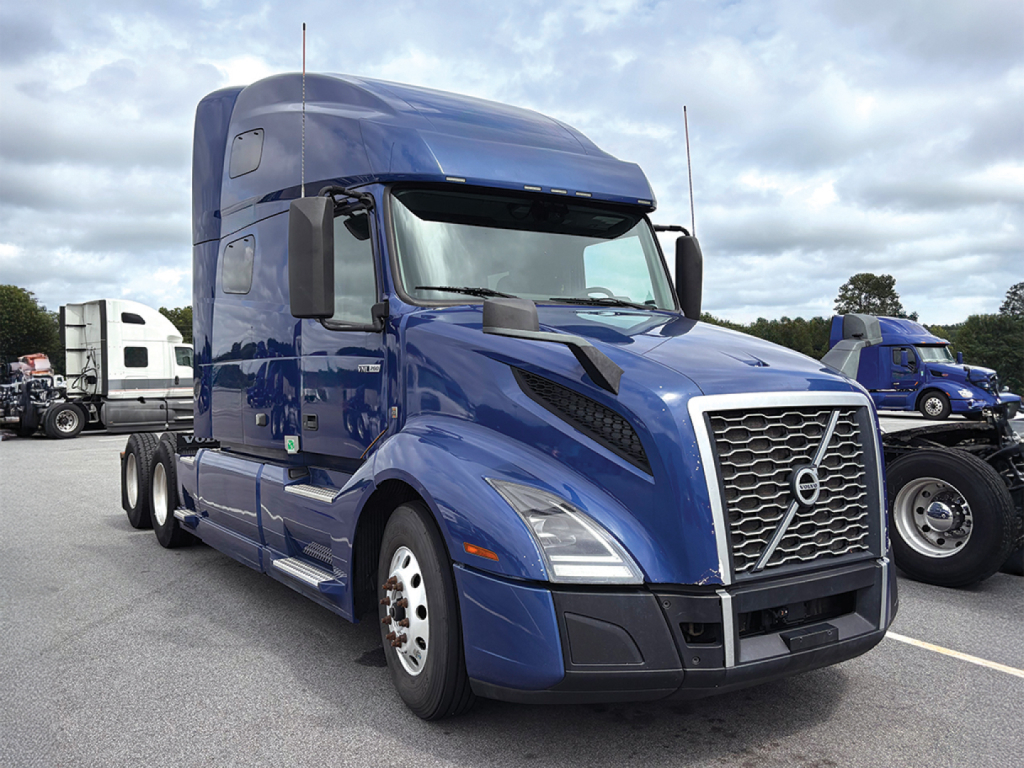
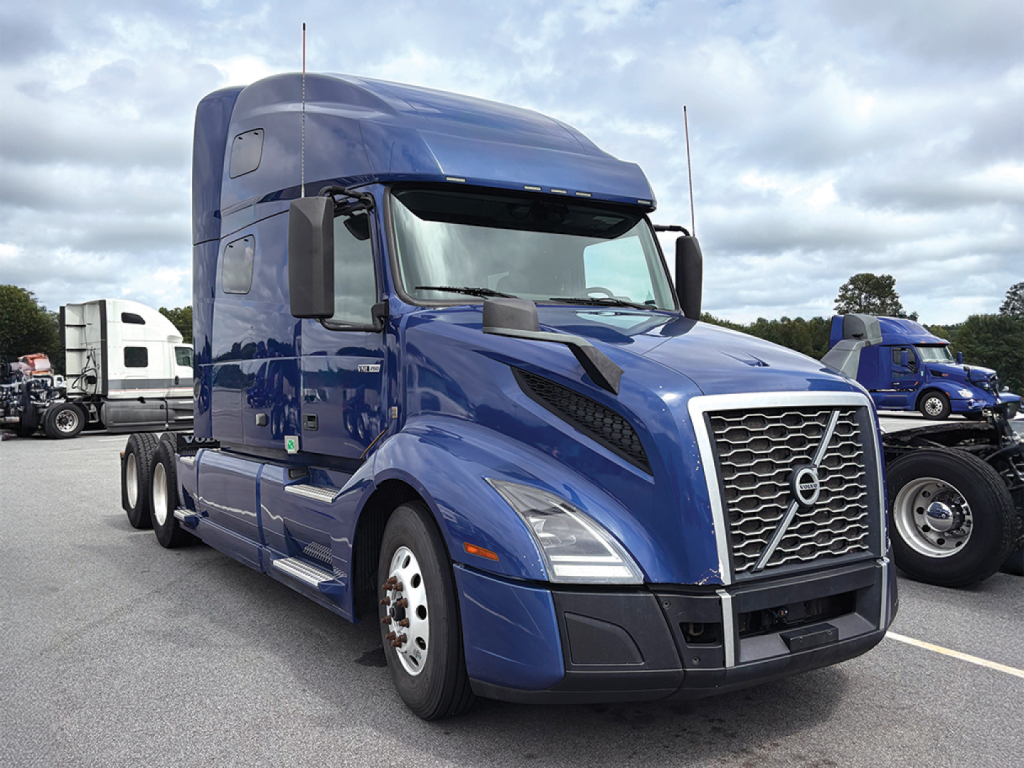
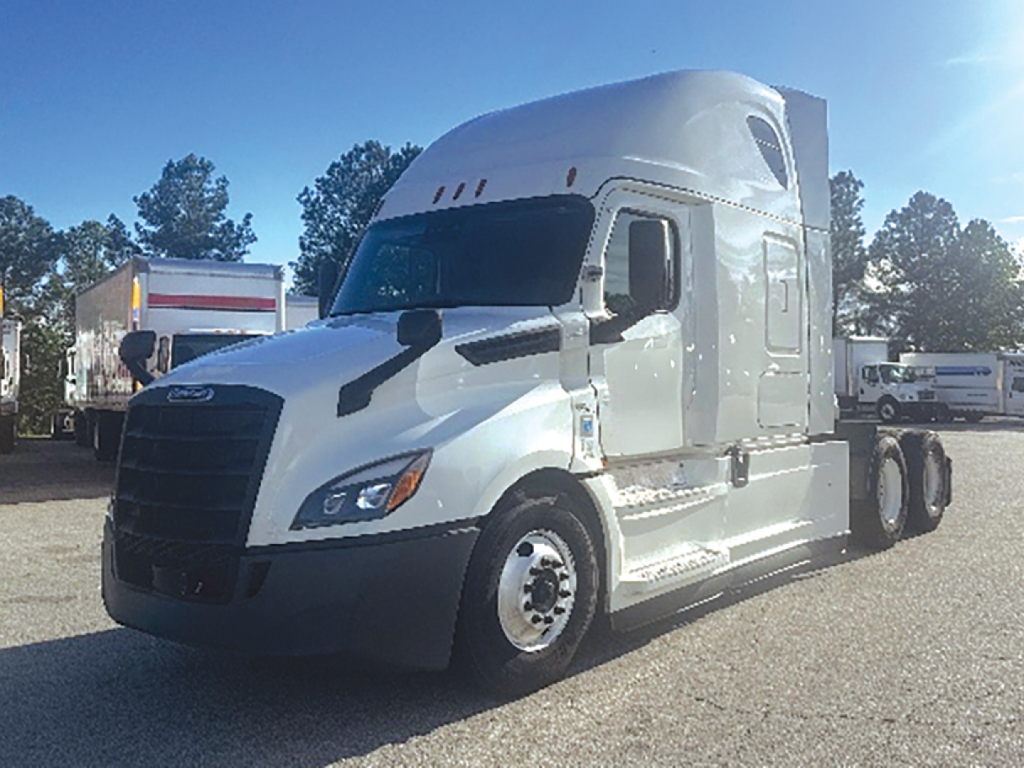
For most buyers, the key decisions start with the powertrain. Many 2022 conventional sleepers are spec'd with 12 to 13 liter diesel engines in the 400 to 500 horsepower range, paired with automated manual transmissions and fuel-efficient rear axle ratios such as 2.47, 2.64, or 2.85. Popular platforms in this class often include the Freightliner Cascadia, Volvo VNL, Kenworth T680, Peterbilt 579, International LT, and Mack Anthem. A buyer comparing listings should pay close attention to engine family, transmission model, wheelbase, sleeper size, and axle rating. A 6x4 tandem axle sleeper with a 40,000 lb rear axle rating remains the most common setup for van, reefer, and general freight applications, while 6x2 configurations may show up in more fuel-focused fleet specs.
Cab and chassis details matter because they affect both operating cost and driver retention. A 2022 sleeper truck may have a 60-inch, 72-inch, or 76-inch high-roof sleeper, upper bunk, bunk heater, optimized idle system or APU, air slide fifth wheel, full aero package, and disc brakes. Buyers should also look for collision mitigation, adaptive cruise, lane departure warning, and tire pressure monitoring, since these features became much more common on late-model highway tractors. If the truck will run heavy, mountainous, or mixed regional routes, verify the horsepower-to-gear ratio combination rather than judging the truck by horsepower alone. A low-RPM downsped spec can be excellent on flat interstate lanes but less ideal for frequent stop-start or steep-grade work.
Condition is more than miles on the odometer. On a used 2022 conventional sleeper, review maintenance history for DPF service, DEF system repairs, software campaigns, transmission calibration, wheel-end work, and brake life. Check tire wear patterns, fairing condition, sleeper interior wear, and signs of excessive idle hours. In North Carolina, buyers also tend to value clean frames, corrosion control, and a spec that matches Southeast lane demands, including good cooling performance and dependable HVAC. The best truck in this category is usually the one with a documented service record, the right sleeper layout, and a drivetrain matched to the freight it will actually pull.
Frequently Asked Questions about Used 2022 Conventional Sleeper Trucks in North Carolina
What is a conventional sleeper truck?
A conventional sleeper truck is a highway tractor with an engine mounted in front of the cab and a built-in sleeping compartment behind the driver area. It is designed for long-haul and regional freight where the driver may need overnight accommodations. Compared with a day cab, a sleeper truck adds living space, storage, and often a second bunk, making it the standard choice for over-the-road operations.
What should I look for in a used 2022 conventional sleeper truck?
Focus first on the drivetrain spec, maintenance records, and how the truck was used. Engine model, transmission type, rear axle ratio, wheelbase, and sleeper size should match your freight and terrain. A buyer should also verify emissions-system service history, idle hours, brake and tire condition, and the presence of late-model driver-assist features such as collision mitigation and adaptive cruise. A clean maintenance file is usually more valuable than a long option list.
Are 2022 sleeper trucks mostly automatic?
Yes. Most 2022 conventional sleeper trucks on the used market are equipped with automated manual transmissions rather than traditional manual gearboxes. These transmissions improve fuel economy consistency, reduce driver fatigue, and broaden the hiring pool for fleets. Buyers should still review the exact transmission model and confirm that shift programming and clutch calibration have been maintained properly.
What sleeper size is best for long-haul work?
For true over-the-road use, high-roof sleepers in the 72-inch to 76-inch range are the most common because they provide better standing room, storage, and bunk space. Shorter sleepers can work well for regional routes or teams with different space needs, but longer-haul solo operators usually prefer the added comfort and organization of a larger sleeper. The right size depends on time away from home, cab storage demands, and driver preference.
Why do rear axle ratio and horsepower matter on a sleeper tractor?
Rear axle ratio and horsepower determine how the truck performs under load and how efficiently it cruises at highway speed. A fuel-focused spec with a taller ratio can lower engine RPM and save fuel on flat interstate runs, but it may feel underpowered in hills or heavy haul conditions. A properly matched horsepower, torque, transmission, and axle ratio package is more important than choosing the highest horsepower number in the listings.