
Used 2022 Conventional Sleeper Trucks For Sale in Iowa
Shop used 2022 conventional sleeper trucks in Iowa. Compare aero highway tractors with modern powertrains, sleeper specs, and fleet-ready features.
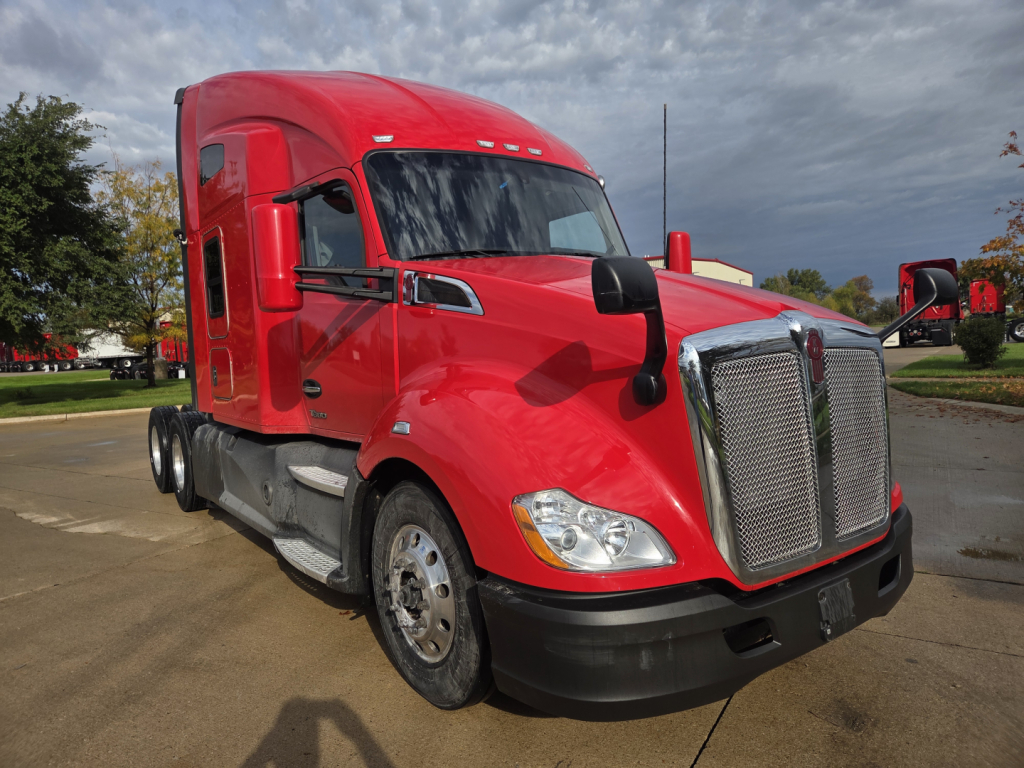
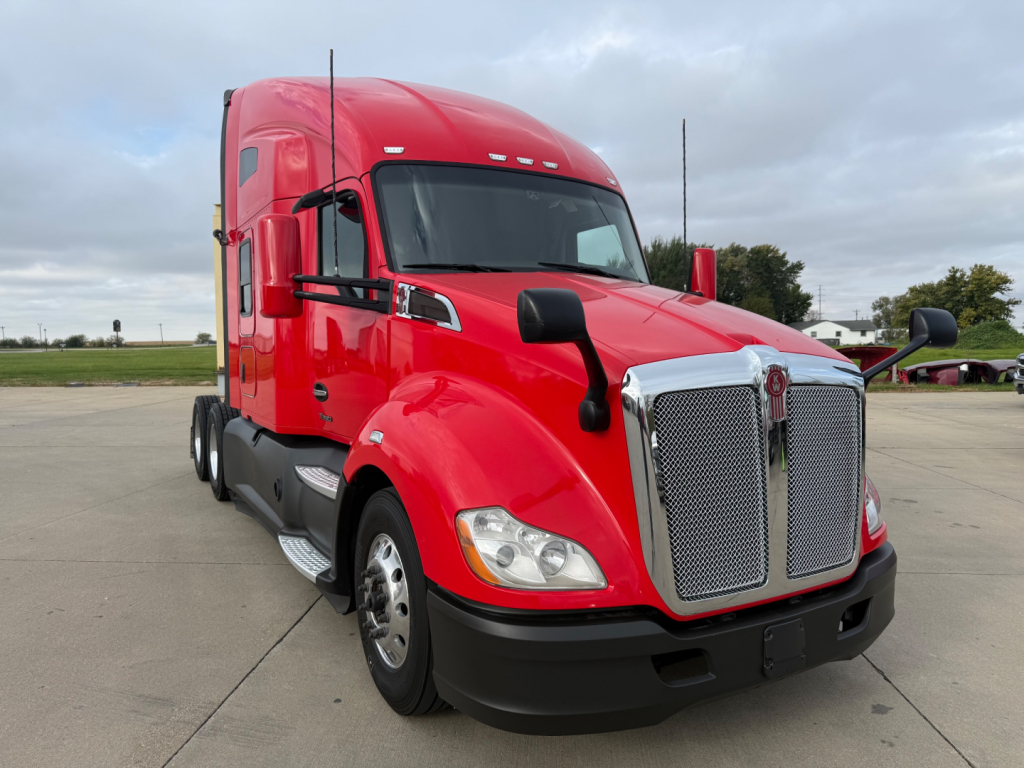
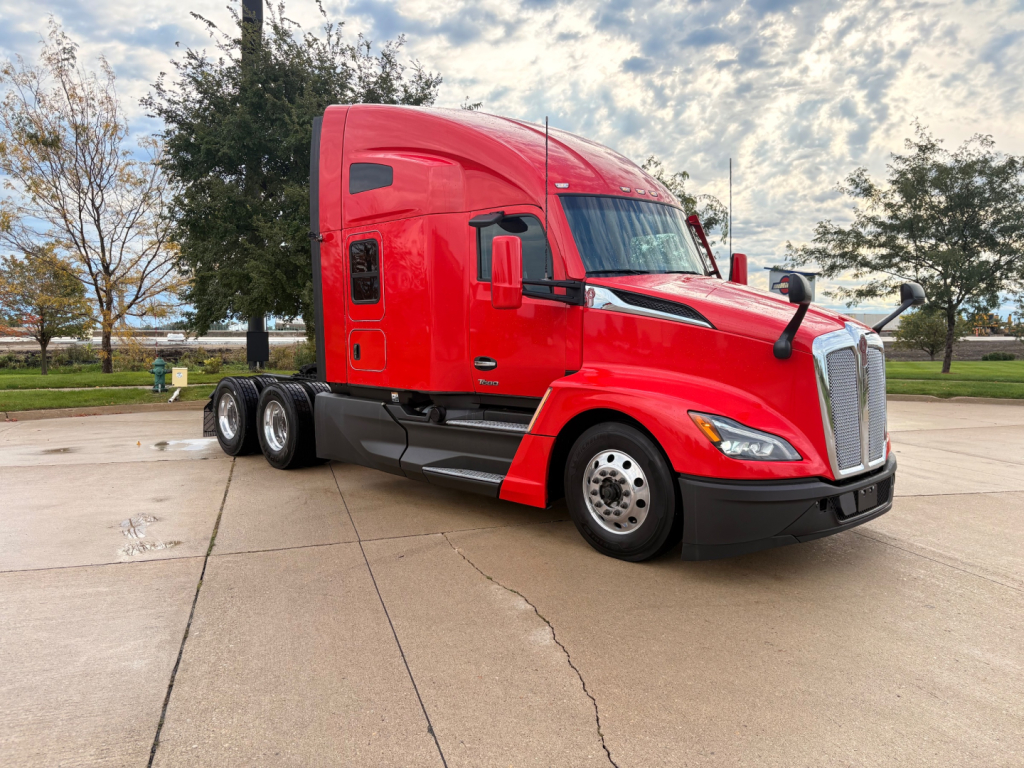
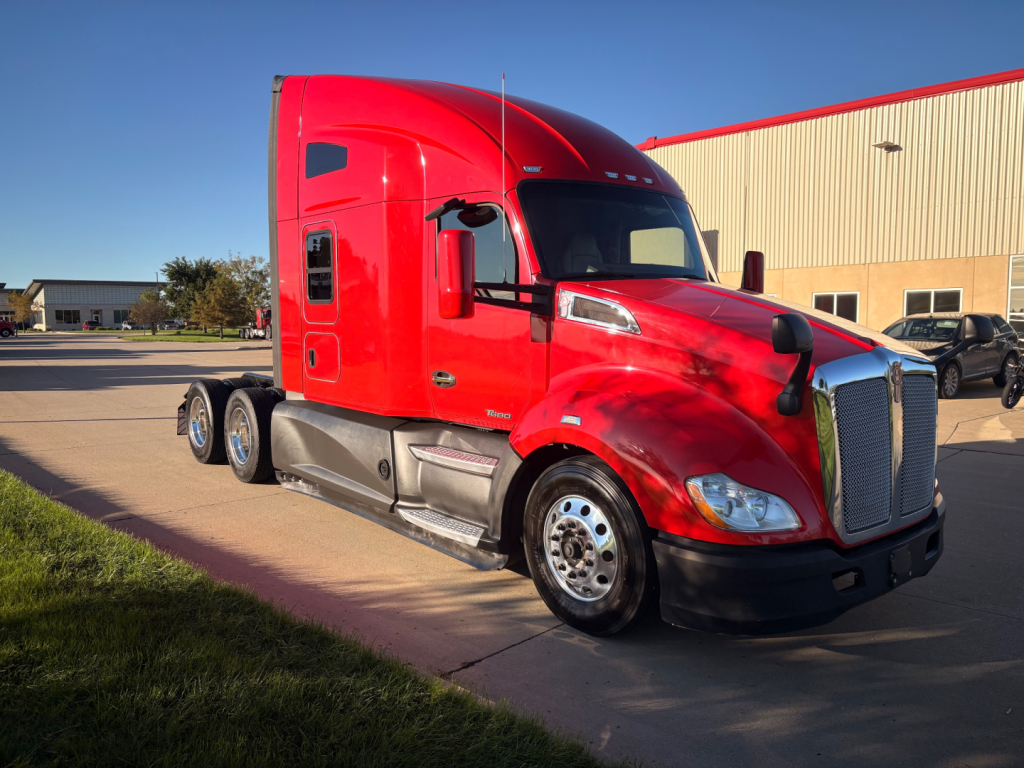
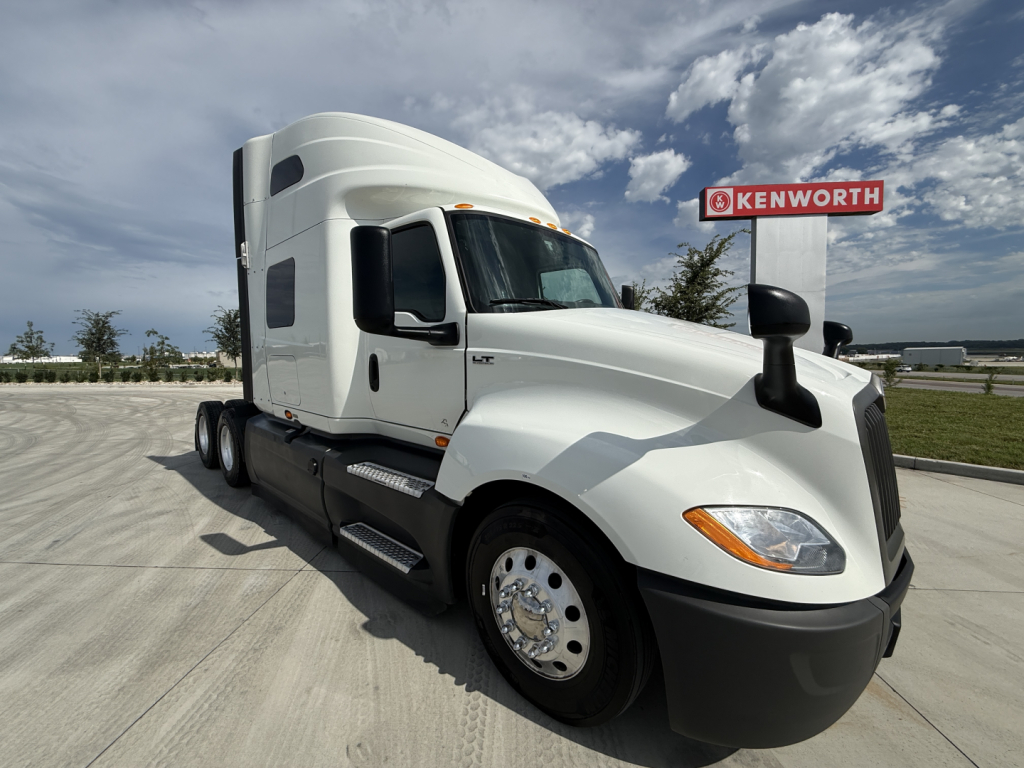
Selling a used 2022 conventional sleeper truck? List your used 2022 conventional sleeper truck for sale and reach thousands of commercial buyers.
Used 2022 Conventional Sleeper Trucks in Iowa
Powertrain selection matters more than brand loyalty on a 2022 sleeper. Buyers will commonly see Cummins X15, Detroit DD15, PACCAR MX-13, and Volvo D13 engines in the 400 to 455 horsepower range, often paired with 12-speed automated transmissions and rear axle ratios such as 2.16, 2.64, or 2.79. That combination is aimed at interstate cruise speed, fuel economy, and lower driver workload. In Iowa and the broader Midwest, these trucks are often used in dry van, reefer, and dedicated contract freight, so it is smart to compare mileage, idle hours, APU presence, aftertreatment service history, and any remaining engine or transmission coverage.
Sleeper configuration can have a direct effect on resale and driver retention. A double bunk, bunk heater, inverter, refrigerator, and idle-reduction system such as an APU or optimized idle package are common features buyers look for in a 2022 conventional sleeper. Safety and driver-assist equipment also became more common by this model year, including collision mitigation, lane departure warning, and disc brakes on the steer axle or all positions. Interior condition, switchgear wear, mattress and bunk setup, and signs of heavy team use can tell you as much about the truck as the odometer.
For buyers comparing listings, focus on the full operating spec instead of just price and miles. Wheelbase, fuel capacity, fifth wheel setup, suspension, tire brand and tread depth, brake type, and ECM data all affect how well a truck fits your lanes and your maintenance plan. A 2022 conventional sleeper can be an efficient over-the-road tractor, a regional sleeper truck, or a fleet replacement unit if the spec matches the freight. The best buy is usually the truck with documented service records, a clean emissions history, and a sleeper and drivetrain package that supports your route length, payload, and expected trade cycle.
Frequently Asked Questions about Used 2022 Conventional Sleeper Trucks in Iowa
What engines and transmissions are most common in used 2022 conventional sleeper trucks?
Used 2022 conventional sleeper trucks are commonly equipped with 11-liter to 15-liter diesel engines such as the Cummins X15, Detroit DD15, PACCAR MX-13, and Volvo D13. Most are paired with automated manual transmissions, often 12-speed units, because fleets spec'd them for fuel economy and easier driver onboarding. Horsepower ratings in this class usually fall between 400 and 455 hp, which is enough for typical van, reefer, and general freight applications.
Is a 2022 conventional sleeper truck a good choice for long-haul work?
Yes, a 2022 conventional sleeper is typically well suited for over-the-road use because it combines an aerodynamic hood, integrated sleeper, and highway gearing designed for sustained interstate miles. Many units from this model year include modern driver-assist systems, idle-reduction features, and comfort options like double bunks, bunk heaters, inverters, and refrigerators. The key is confirming that the axle ratio, fuel capacity, sleeper size, and maintenance history match the type of freight and trip length you run.
What should I check first when comparing used 2022 sleeper truck listings?
Start with engine make, horsepower, transmission, axle ratio, mileage, and idle hours because those items define how the truck was spec'd and how it will perform on your lanes. After that, review emissions and aftertreatment service records, brake and tire condition, suspension type, wheelbase, and fifth wheel position. If available, ECM reports, oil sample history, and documentation for DPF cleaning, injector work, or warranty repairs can be more valuable than cosmetic appearance.
Are APUs and bunk heaters important on a used sleeper truck?
Yes, they are important because they reduce engine idle time, improve driver comfort, and can lower wear on the main engine. An APU, bunk heater, inverter, and optimized idle system are especially valuable for fleets and owner-operators running overnight or multi-day routes. On a used 2022 truck, these features can also indicate a more driver-focused spec, but buyers should still verify operating condition, service history, and total hours on any auxiliary system.
Why do rear axle ratios like 2.16, 2.64, and 2.79 matter on a 2022 conventional sleeper?
Rear axle ratio affects cruise rpm, fuel economy, startability, and how the truck handles grades and payload. A lower numerical ratio such as 2.16 is usually aimed at fuel-efficient highway operation with the right transmission pairing, while 2.64 or 2.79 can offer a more balanced setup for mixed terrain, heavier freight, or lower-speed operation. The best ratio depends on your loaded weight, average road speed, tire size, and how often the truck runs in rolling or steep country.