
Used 2021 Conventional Sleeper Trucks For Sale in Mississippi
Browse used 2021 conventional sleeper trucks in Mississippi with specs that matter for regional and long-haul freight operations.
Learn more
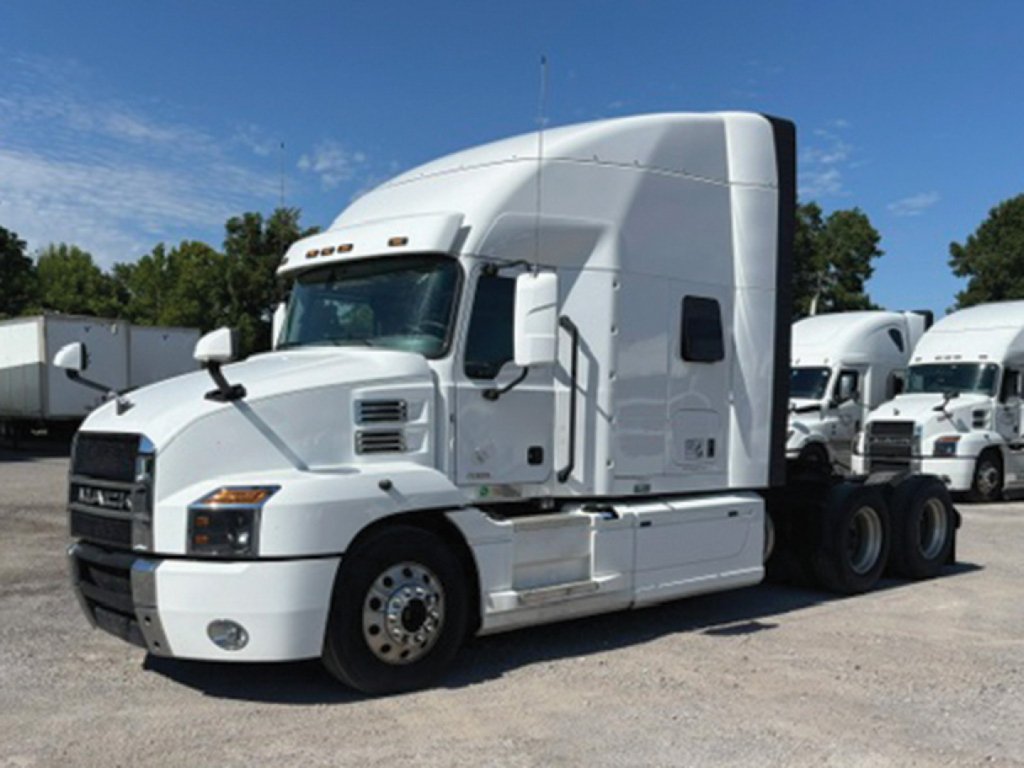
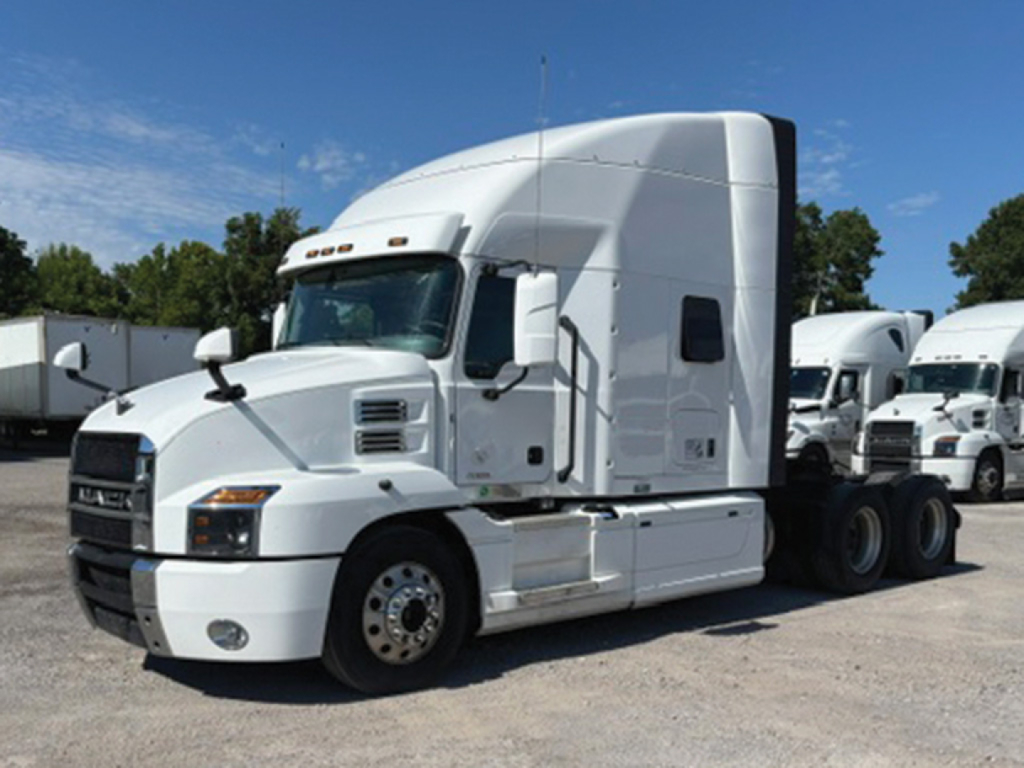
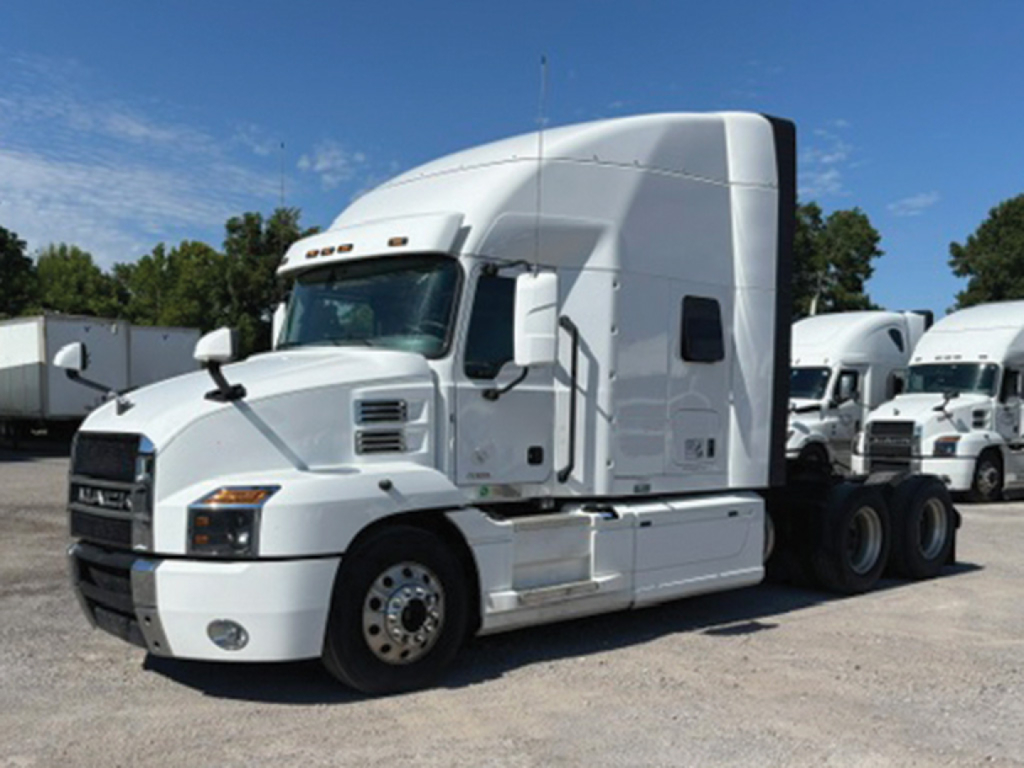
Showing 13 to 17 of 17 results
Have used 2021 conventional sleeper truck to sell? List it here to reach thousands of buyers.
About Used 2021 Conventional Sleeper Trucks in Mississippi
For Mississippi operations, axle ratio and wheelbase deserve close attention because the right combination changes how the truck behaves on I-55, I-20, I-10, and in port, warehouse, or agricultural traffic. A 2.64 or 3.08 rear ratio usually points toward fuel-efficient over-the-road use, while a 3.36 or 3.70 ratio may better suit heavier gross weights, more start-stop work, or regional lanes with tighter routing. Wheelbases in the 228-inch to 238-inch range are common in conventional sleepers and often balance ride quality, trailer gap, and maneuverability. Buyers should also confirm fuel capacity, bunk heater spec, inverter preparation, and whether the sleeper has a single bunk or upper bunk if the truck will be used in team service.
The 2021 model year is often attractive because many trucks in this range came with mature automated transmission options such as Volvo I-Shift, Mack mDrive, Detroit DT12, or similar systems from other OEMs. These drivetrains can reduce driver fatigue and help standardize fuel economy across a fleet. Engine brake performance, predictive cruise features, collision mitigation systems, and disc brake availability also became more common by this point, so it makes sense to evaluate the full spec rather than shop by badge alone. Interior condition matters on a sleeper more than on a day cab, so pay attention to mattress area wear, cabinet latches, HVAC output, bunk controls, and signs of idle-heavy use.
A good used 2021 conventional sleeper should be matched to freight type first, then to operating cost. Dry van and reefer fleets often favor aerodynamic highway specs with lower RPM cruise speeds, while flatbed, tanker, and heavier regional applications may call for a different ratio, suspension, or horsepower rating. Service records are critical on any late-model sleeper truck, especially for emissions components, transmission calibration history, overheads, aftertreatment cleaning intervals, and tire wear patterns that may reveal alignment or suspension issues. Buyers comparing 2021 conventional sleepers in Mississippi should focus on sleeper size, engine and transmission combination, axle ratio, maintenance history, and cab condition before deciding which truck is the best long-term value.
Frequently Asked Questions
What is a conventional sleeper truck?
A conventional sleeper truck is a road tractor with a standard long-nose hood and an integrated rear sleeper compartment behind the cab. It is designed for regional and over-the-road hauling where the driver may spend nights in the truck. Compared with a day cab, a sleeper adds living space, storage, and often extra fuel capacity, making it the common choice for longer routes and team operations.
What engine and drivetrain specs are common on used 2021 conventional sleeper trucks?
Many used 2021 conventional sleepers were spec'd with 12-liter or 13-liter diesel engines producing roughly 425 to 505 horsepower and paired with automated manual transmissions. Tandem rear axles rated at 40,000 lbs are common, along with air ride suspension and axle ratios such as 2.64, 3.08, or 3.36 depending on the intended duty cycle. Buyers should match horsepower, torque, and gearing to actual freight weight and terrain instead of assuming a higher rating is always the better choice.
Is a used 2021 conventional sleeper a good choice for long-haul work in Mississippi?
Yes, a used 2021 conventional sleeper can be a very practical long-haul truck for Mississippi-based operations because it typically offers modern aerodynamics, driver-assist features, and efficient automated transmissions. The key is choosing a spec that fits your lanes. Highway-focused trucks with aero fairings and taller rear gears often perform well on interstate freight, while regional or heavier applications may benefit from shorter gearing and a more vocational-oriented setup.
What should I inspect first on a used 2021 sleeper truck?
Start with maintenance records, engine hours, and the aftertreatment history because those items usually tell you more than appearance alone. Then inspect tire wear, brake condition, suspension components, driveline play, transmission performance, and any fault codes. On the sleeper itself, check HVAC operation, bunk heater function, water leaks, cabinet and trim wear, and signs of excessive idling or hard driver use, since sleeper condition has a direct effect on resale value and driver retention.
Which sleeper size is best on a conventional sleeper truck?
The best sleeper size depends on route length, driver count, and how much onboard storage is needed. A mid-roof or smaller sleeper may work for regional routes with occasional overnight stays, while a 70-inch to 72-inch stand-up sleeper is usually better for over-the-road service and team operations. Buyers should compare bunk layout, storage access, headroom, and available options such as upper bunks, inverters, and bunk heaters before deciding.