
Used 2020 Conventional Sleeper Trucks For Sale
Shop used 2020 conventional sleeper trucks with common long-haul specs like 70-inch sleepers, 400-500 HP engines, automated transmissions, and APUs.
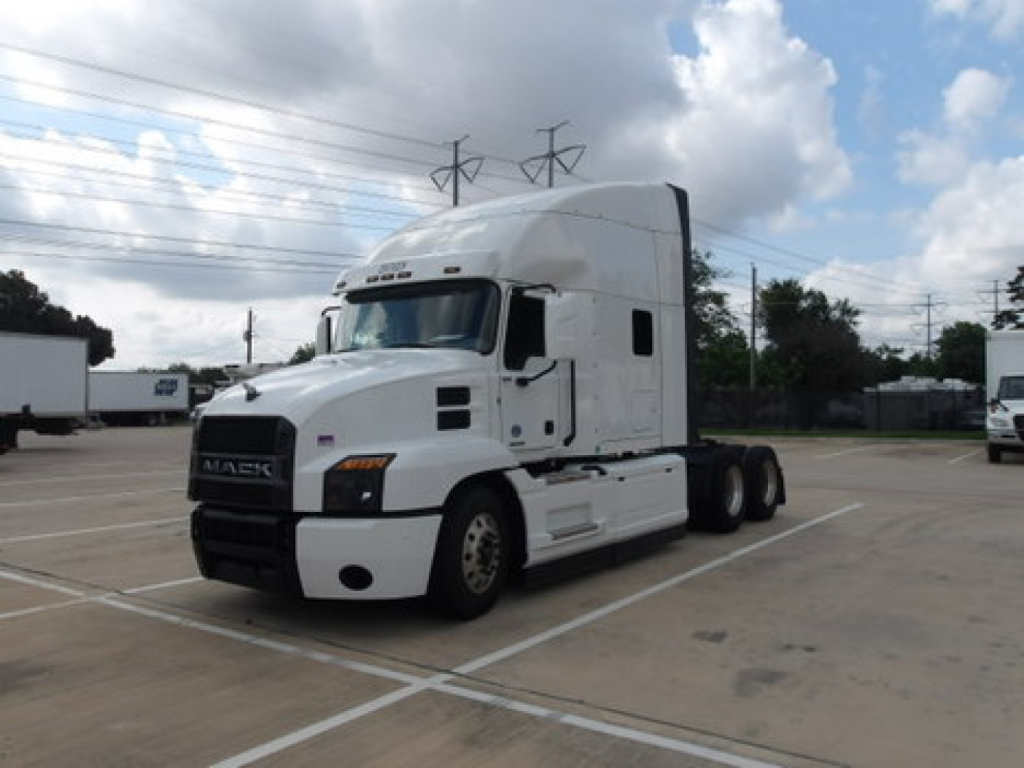
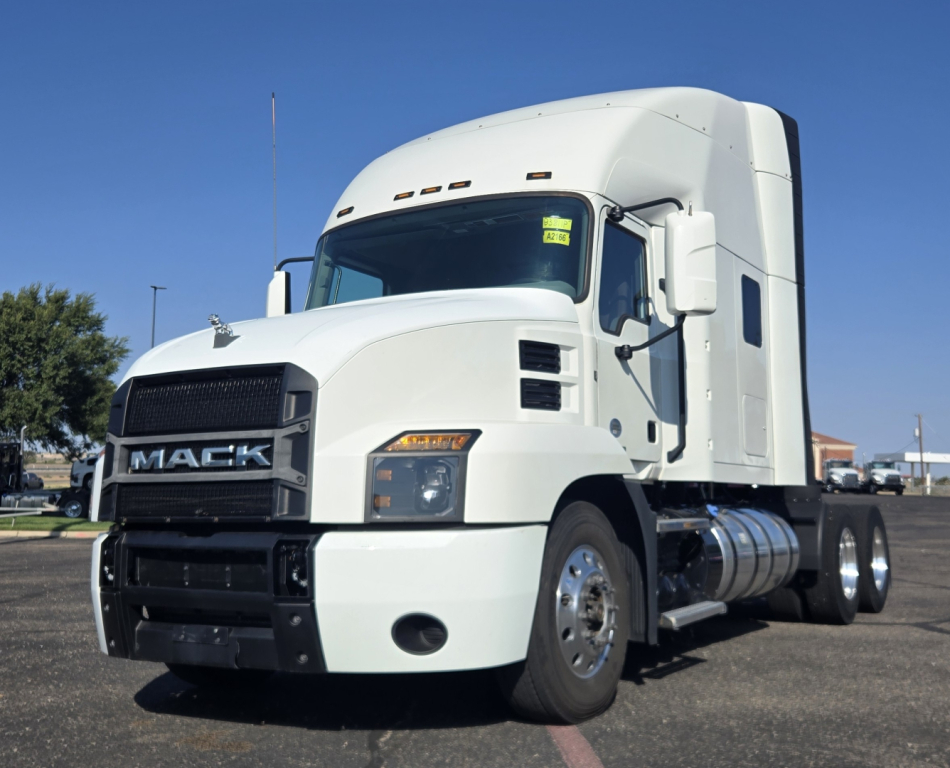
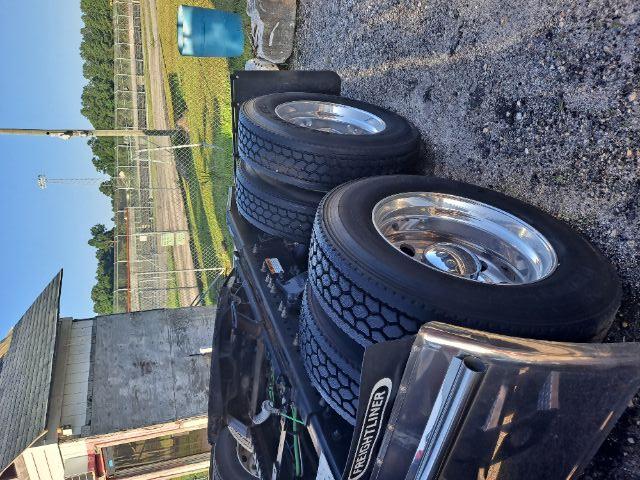
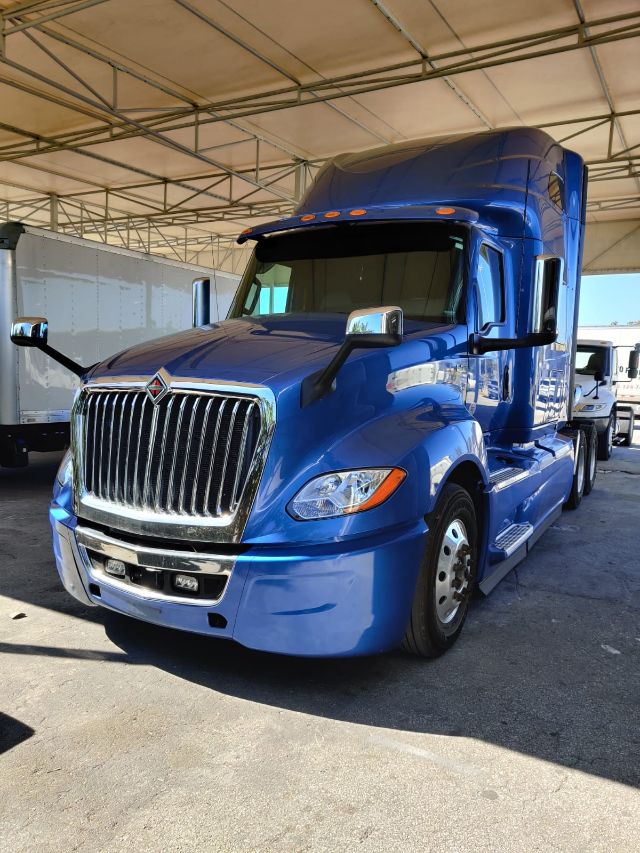

Showing 25 to 48 of 49 results
Have used 2020 conventional sleeper truck to sell? List it here to reach thousands of buyers.
Used 2020 Conventional Sleeper Trucks
Frequently Asked Questions about Used 2020 Conventional Sleeper Trucks
What are the most common specs on a used 2020 conventional sleeper truck?
Most used 2020 conventional sleeper trucks are spec'd for highway freight with 70- to 80-inch sleepers, 400 to 500 horsepower diesel engines, and automated manual or full automatic transmissions. Common engines include the Cummins X15, Detroit DD15, PACCAR MX-13, Volvo D13, and Navistar A26. Typical rear axle ratings are around 40,000 pounds with ratios often in the 2.47 to 3.42 range, depending on whether the truck was built for fuel economy, mixed terrain, or heavier gross weights. Wheelbases, fuel capacity, bunk layout, and fairing packages vary widely, so those details matter as much as the make and model.
Is a 2020 sleeper truck a good choice for long-haul work?
Yes, a 2020 sleeper is commonly a strong fit for long-haul and over-the-road service because this model year often includes mature aero packages, improved cab insulation, and drivetrain specs aimed at fuel efficiency. Many 2020 trucks also have sleeper amenities that matter on multi-day runs, such as double bunks, bunk heaters, APUs, inverters, refrigerators, and larger storage layouts. The best choice depends on lane profile, average gross weight, and idle requirements, not just engine horsepower or brand preference.
What should I check first on a used 2020 conventional sleeper?
Start with engine hours, idle hours, maintenance history, and aftertreatment records. On a 2020 sleeper, the condition of the DPF, DOC, and SCR system is critical because emissions repairs can be expensive and downtime-heavy. After that, review transmission calibration history, clutch wear on automated manuals, suspension and steering wear, tire condition, brake life, and any signs of fifth wheel or frame abuse. Inside the sleeper, look at bunk HVAC operation, inverter wiring, APU condition if equipped, and general cab wear because those items can reveal how the truck was operated.
Which rear axle ratio is best in a used 2020 sleeper truck?
The right rear axle ratio depends on your freight and terrain. Lower numerical ratios such as 2.47 or 2.64 are often chosen for fuel-efficient highway applications with downsped drivelines, while ratios like 3.08 or 3.42 can be better for steeper terrain, heavier loads, or operations that need stronger launch performance. A ratio that works well in a dedicated dry van lane may be a poor fit for bulk, flatbed, or mountain work. Buyers should match axle ratio to transmission gearing, tire size, and expected cruising speed.
Do sleeper size and cab amenities really affect resale and usability?
They do. A 73-inch hi-rise sleeper, double bunk, bunk heater, APU, refrigerator, and inverter package can make a truck more practical for team operation, longer runs, and drivers who spend extended time out. Those features also tend to broaden resale appeal because they matter to both small fleets and independent operators. At the same time, extra equipment adds weight and creates more systems to maintain, so the value depends on how the truck will actually be used.