
Used 2020 Conventional Sleeper Trucks For Sale in North Carolina
Browse used 2020 conventional sleeper trucks in North Carolina, including popular highway spec models with modern aerodynamics and driver comfort.
Learn more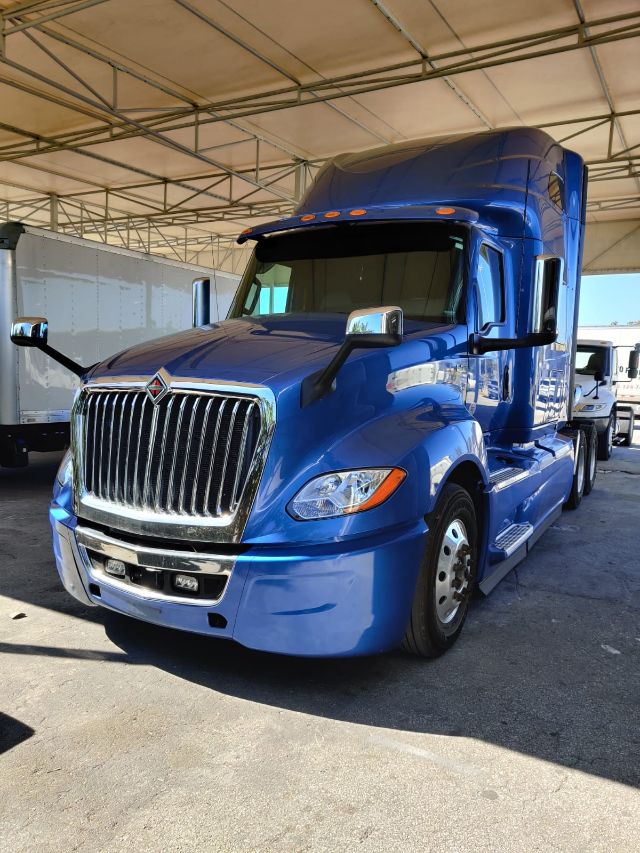
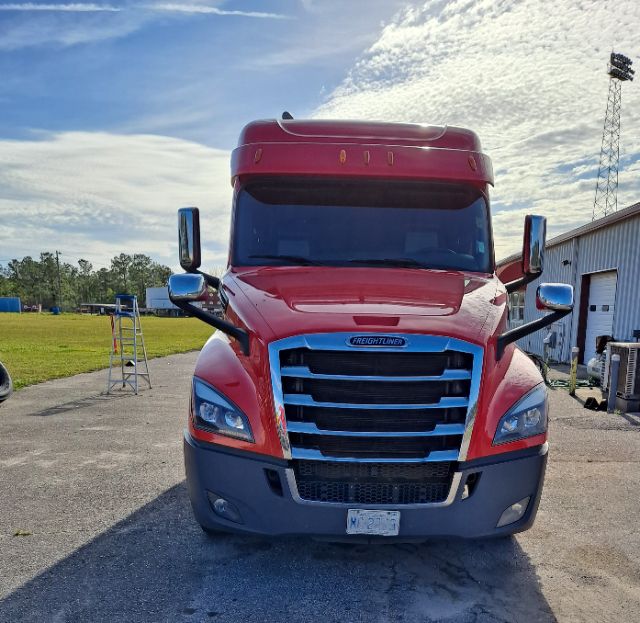
Have used 2020 conventional sleeper truck to sell? List it here to reach thousands of buyers.
About Used 2020 Conventional Sleeper Trucks in North Carolina
A 2020 model year truck will usually have a 70-inch to 80-inch sleeper, though some are spec'd with mid-roof or double-bunk layouts for team operations. Engines often include the Cummins X15, Detroit DD13 or DD15, Paccar MX-13, or International A26, paired with automated manual transmissions or full automatics depending on the make and spec. Rear axle ratios, wheelbase, and fuel capacity matter more than many buyers expect. A faster ratio can support fuel mileage in long highway service, while a deeper ratio may suit heavier or mixed-route freight. Typical buyer checkpoints include engine hours versus odometer miles, idle history, aftertreatment service records, APU presence, and signs of excessive regen or DPF-related downtime.
For a used 2020 conventional sleeper, cab and chassis spec should match the freight lane. Trucks set up for long-haul dry van or reefer service often carry fairings, dual tanks, collision mitigation, lane departure systems, and integrated telematics. Interior condition matters because this is a working living space, not just a cab. Buyers should inspect bunk HVAC operation, inverter setup, storage layout, mattress platform, and any idle-reduction equipment. On the chassis side, pay attention to wheelbase, fifth wheel travel, suspension type, tire wear pattern, and brake life. If the truck will pull a wide mix of trailer lengths and kingpin settings, fifth wheel adjustment range can save headaches at hookup and scale axle balancing.
North Carolina buyers also benefit from thinking about dealer and independent service coverage for the brand they choose. Freightliner, International, and Volvo tend to have strong support networks across the Southeast, which can reduce downtime if the truck is running hard regional miles. A well-selected used 2020 sleeper can still offer strong uptime, driver comfort, and competitive operating cost, but the best value is rarely just the lowest mileage truck. Maintenance documentation, emissions history, software updates, warranty carryover, and a sensible highway spec usually matter more than cosmetic appearance alone.
Frequently Asked Questions
What should I look for first when buying a used 2020 conventional sleeper truck?
Start with the powertrain history and duty cycle. Mileage alone does not tell the full story on a 2020 sleeper tractor. Compare total engine hours to miles, review maintenance records for oil changes and valve adjustments, and look closely at aftertreatment repairs involving the DPF, DOC, SCR, EGR, and DEF system. Confirm transmission service intervals, axle ratio, and any warranty coverage that may still transfer. A clean interior and shiny exterior are secondary to documented uptime and emissions-system reliability.
Are 2020 conventional sleeper trucks good for over-the-road freight in North Carolina?
Yes. A 2020 conventional sleeper is a strong fit for North Carolina linehaul, regional, and Southeast over-the-road service because most trucks from this model year have mature aerodynamic designs, efficient drivetrains, and modern driver-assist features. They are commonly used on van and reefer lanes running between Charlotte, Greensboro, Raleigh, Wilmington, and the larger interstate corridors. The right spec depends on your freight. Highway-focused trucks with fairings, taller gearing, and larger fuel capacity usually make the most sense for long-distance work.
Is an APU important on a used sleeper truck?
An APU can be a major advantage on a used sleeper because it reduces main-engine idling, helps control bunk temperature, and can lower wear tied to overnight hotel loads and rest breaks. Lower idle time often means less engine-hour accumulation relative to mileage, which can improve long-term value. Buyers should still verify that the APU operates correctly, check service records, and inspect related electrical and HVAC components. A non-working APU adds repair cost quickly, so it should be tested like any other major system.
What sleeper size is most common on a 2020 conventional truck?
Many 2020 conventional sleeper trucks are equipped with sleepers in the 70-inch to 80-inch range, although exact dimensions vary by make and model. This size typically provides enough room for a bunk, storage, and basic stand-up or mid-roof functionality depending on the cab design. Team operations may favor double-bunk layouts, while solo operators may prioritize storage, refrigerator space, and inverter setup. The best sleeper size depends on trip length, driver turnover, and how much time the truck will spend away from home.
Which brands are most common in used 2020 conventional sleeper listings?
Freightliner Cascadia and International LT models are very common in this category, and buyers will also see Volvo VNL, Peterbilt 579, and Kenworth T680 trucks. Brand choice usually comes down to engine preference, dealer support, parts availability, and how the truck was originally spec'd. In many Southeast operations, service access and technician familiarity are just as important as the badge on the hood. A truck with the right maintenance history and drivetrain spec is often the better buy than choosing strictly by brand.