
Used 2019 Conventional Sleeper Trucks For Sale in Pennsylvania
Shop used 2019 conventional sleeper trucks in Pennsylvania. Compare aero highway tractors with sleeper sizes, engine options, ratios, and specs.
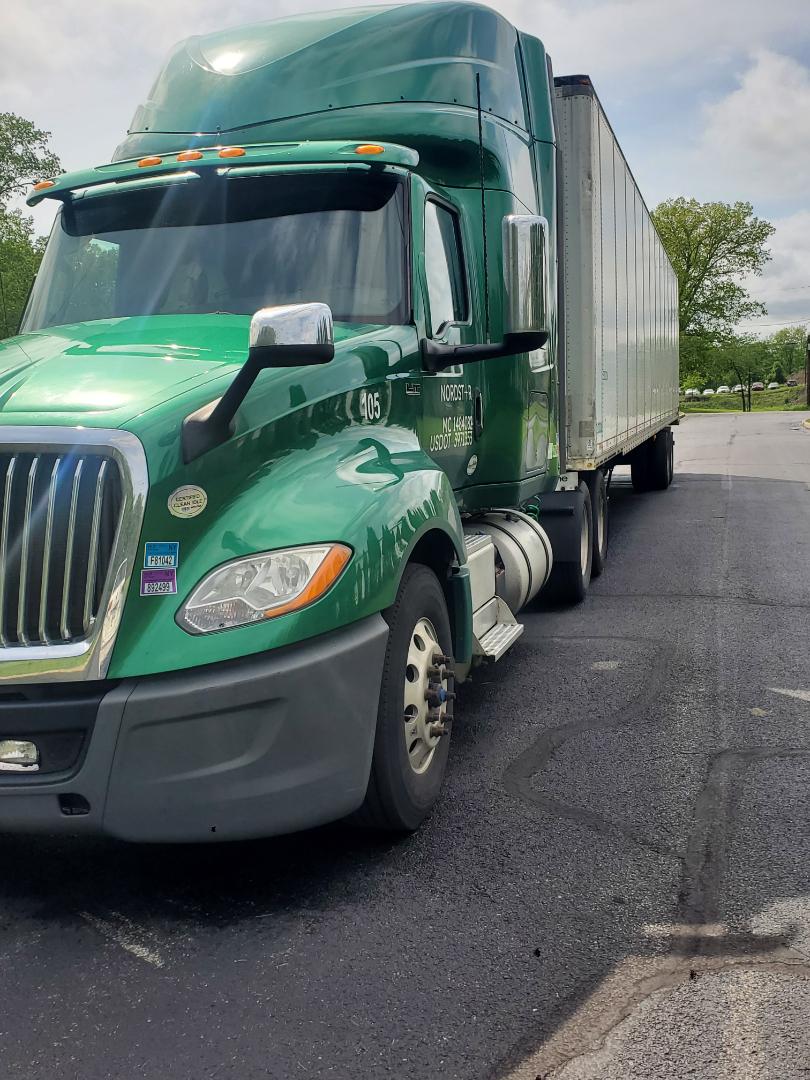
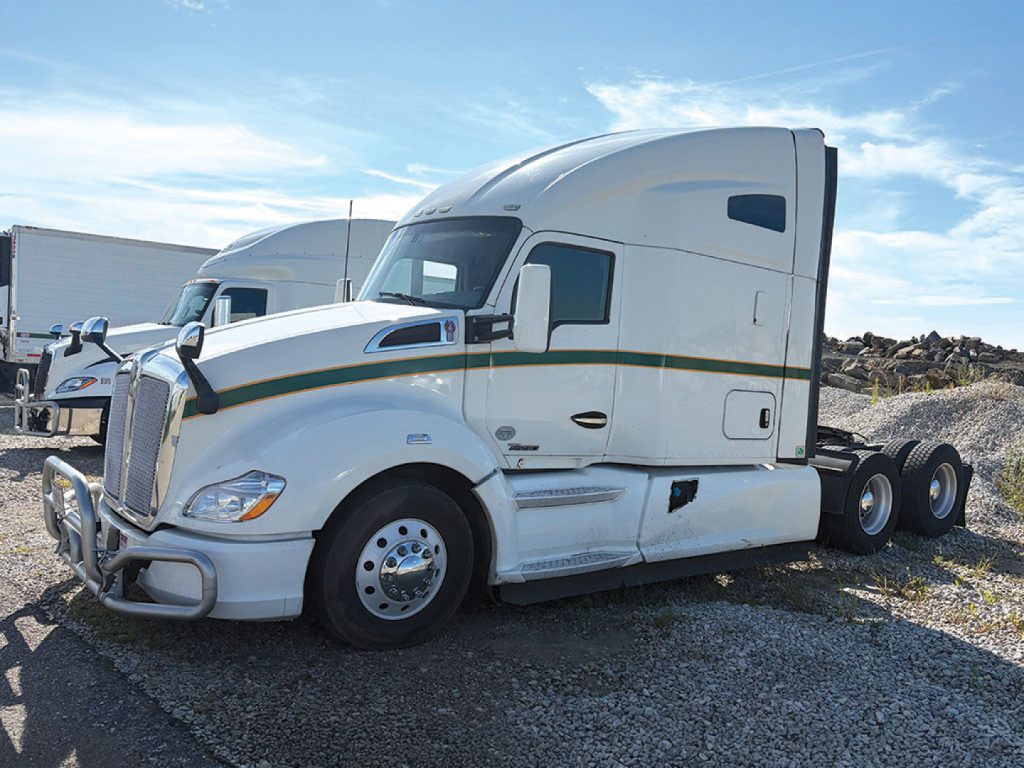

Have used 2019 conventional sleeper truck to sell? List it here to reach thousands of buyers.
Used 2019 Conventional Sleeper Trucks in Pennsylvania
The big buying decisions usually start with the sleeper size, engine platform, and rear axle ratio. Common sleepers range from about 60 inches to 80 inches, with larger mid-roof and high-roof sleepers better suited to team operations or drivers staying out for extended periods. Typical engines in this class include the Cummins X15, PACCAR MX-13, Detroit DD15, Volvo D13, and Navistar A26, usually in the 400 to 500 horsepower range with engine brakes standard or highly common. Most 2019 conventional sleepers were spec'd with 12-speed automated transmissions, tandem 40,000 lb rears, and ratios such as 2.64, 2.79, or 3.08 depending on intended cruising speed, terrain, and fuel strategy. A lower numerical ratio generally favors highway fuel economy, while a deeper ratio can help in hill country, heavier loads, or operations that spend more time off the interstate.
Pennsylvania buyers should pay close attention to corrosion, idle history, and how the truck was used. A truck that spent winters in the Northeast may show more frame, suspension, wheel-end, and fastener corrosion than a comparable southern unit. At the same time, a Pennsylvania-spec sleeper tractor may already be configured in ways local operators value, including bunk heaters, collision mitigation, full fairing packages, air slide fifth wheels, and wheelbases in the 228-inch to 240-inch range that work well for van and reefer freight. Fuel capacity, APU installation, tire size, and wheel type also affect operating cost. Aluminum wheels, low-rolling-resistance tires, and a clean aero package can make a measurable difference on linehaul routes.
For a used 2019 conventional sleeper, maintenance history matters as much as brand preference. Buyers should review aftertreatment service records, transmission calibration history, injector or fuel system work, and any documentation on DPF, SCR, EGR, and turbo repairs. It is also smart to verify the fifth wheel type and travel, front axle rating, suspension make, and whether the truck has driver-assist systems that may affect insurance and repair cost. A well-spec'd 2019 sleeper truck can still be a productive revenue unit if the prior maintenance was consistent and the drivetrain matches the intended lane, trailer type, and gross combination weight.
Frequently Asked Questions about Used 2019 Conventional Sleeper Trucks in Pennsylvania
What should I look for first on a used 2019 conventional sleeper truck?
Start with the powertrain spec and maintenance file. Engine make, horsepower, transmission model, rear axle ratio, and wheelbase determine whether the truck fits the freight you plan to pull. After that, focus on service records for the aftertreatment system, clutch or AMT calibration, engine brake operation, suspension wear, and any signs of excessive idle time. On a 2019 model, electronic fault history and emissions-related repairs are especially important because they can affect uptime more than cosmetic condition.
Is a 2019 conventional sleeper truck good for long-haul freight?
Yes. A 2019 conventional sleeper is commonly spec'd for over-the-road van, reefer, and dedicated route work. Most have aerodynamic bodywork, efficient 13-liter to 15-liter engines, and sleeper compartments large enough for solo or some team applications. The right truck depends on sleeper height, bunk layout, fuel capacity, and axle ratio. High-roof sleepers with automated transmissions and highway gears are typically the best match for long-distance fuel-conscious operations.
Which rear axle ratio is best in a used 2019 sleeper tractor?
The best ratio depends on route profile, trailer weight, and cruising speed. Ratios like 2.64 or 2.79 are common in fuel-economy highway specs and work well for lighter to moderate linehaul applications on flatter terrain. A 3.08 ratio may be a better fit for mixed terrain, heavier gross weights, or fleets that want stronger low-speed performance. Buyers should match the ratio to tire size and transmission overdrive because the full drivetrain package determines actual engine rpm at road speed.
Are sleeper size and wheelbase important when comparing 2019 conventional sleepers?
They are important because both affect driver comfort, maneuverability, and trailer compatibility. Larger 72-inch to 80-inch sleepers provide more living space, storage, and room for upper bunks or hotel-style interiors, but they usually come with a longer wheelbase. A shorter wheelbase can be easier in tight yards and urban docks, while a longer wheelbase may improve ride quality and allow larger fuel tank capacity. The right combination depends on how often the truck stays out overnight and what trailers it hauls.
What are common problem areas on used 2019 conventional sleeper trucks in Pennsylvania?
In Pennsylvania, buyers should inspect for rust and corrosion on the frame, crossmembers, battery box mounts, air tanks, brake components, and electrical connections. Winter road treatment can accelerate wear in these areas. It is also wise to inspect the DPF and SCR system, look for coolant or oil seepage around the engine, check bunk HVAC operation, and verify that collision mitigation or lane-assist systems are functioning correctly if equipped. A thorough undercarriage inspection is especially important on any Northeast truck.