
Used 2016 Conventional Sleeper Trucks For Sale in North Carolina
Browse used 2016 conventional sleeper trucks in North Carolina. Compare specs, sleeper sizes, engines, wheelbases, and driveline setups.
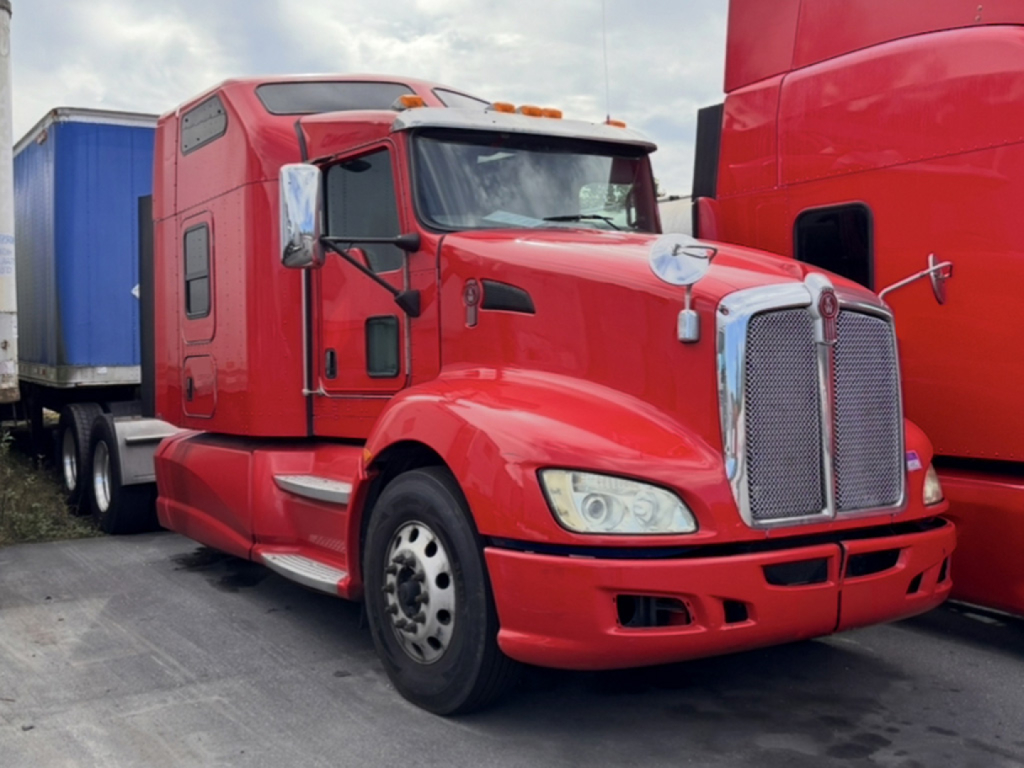
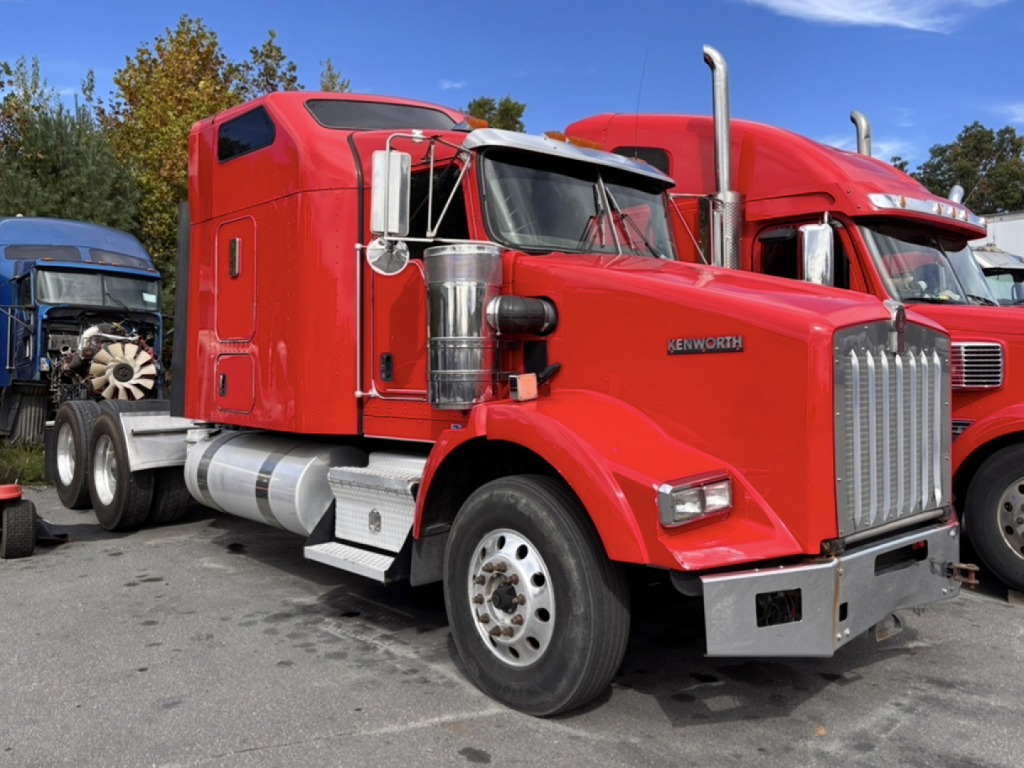
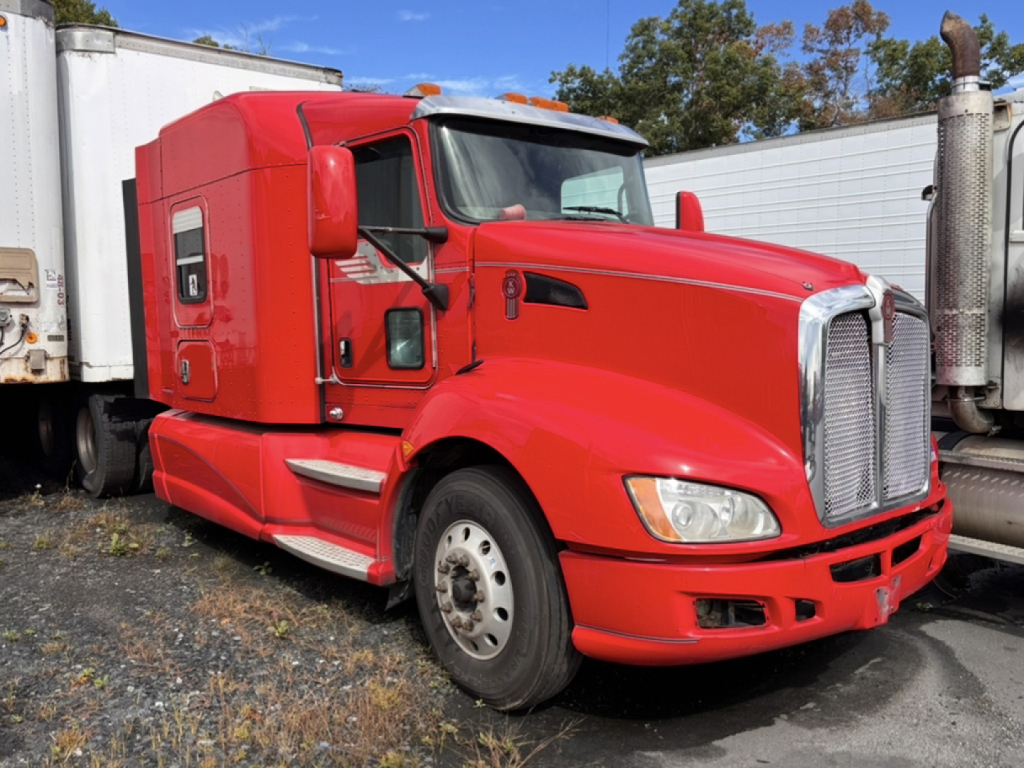

Selling a used 2016 conventional sleeper truck? List your used 2016 conventional sleeper truck for sale and reach thousands of commercial buyers.
Used 2016 Conventional Sleeper Trucks in North Carolina
The 2016 model year is old enough that spec discipline becomes important. Expect to see engines such as the Cummins ISX15 or X15, Detroit DD13 or DD15, Paccar MX-13, Volvo D13, and Navistar N13 depending on make. Horsepower often falls in the 400 to 500 HP range, with rear axle ratios commonly set up for fuel mileage or mixed-duty use. Automated manual transmissions were becoming standard across many fleets by 2016, but manual transmissions still appear in owner-operator and vocational crossover specs. Check for axle ratings, suspension type, wheelbase, and fifth wheel configuration, especially if the truck will move between trailer types or operate close to bridge formula and kingpin setting limits.
Sleeper configuration is a major buying point in this category. A 56-inch mid-roof sleeper works well for regional lanes and solo operations, while larger raised-roof sleepers with double bunks, cabinetry, bunk heaters, and inverter prep are better suited to teams or extended OTR runs. For buyers comparing used 2016 conventional sleeper trucks, the real condition markers are maintenance records, aftertreatment history, clutch or transmission performance, suspension wear, and evidence of consistent tire management. It also pays to inspect fairings, hood alignment, frame condition, and the interior bunk area because these trucks spend long hours on the road and small comfort or aero issues become operating-cost issues over time.
North Carolina buyers often balance interstate mileage with urban and port access, so turning radius, cab height, and emissions compliance can all affect the final choice. A 2016 sleeper tractor with the right fuel capacity, air ride setup, and gearing can still be a strong value if it has been maintained correctly and spec'd for the lanes you actually run. When comparing listings, prioritize engine and transmission pairing, mileage relative to service history, and sleeper layout before focusing on trim. In this equipment class, a clean driveline spec and documented upkeep usually matter more than extra chrome.
Frequently Asked Questions about Used 2016 Conventional Sleeper Trucks in North Carolina
What is a conventional sleeper truck?
A conventional sleeper truck is a highway tractor with a front engine hood and an attached sleeper compartment behind the cab. It is built for over-the-road and regional freight where the driver needs a bunk and storage for overnight trips. Compared with a day cab, a sleeper tractor adds living space but usually carries more wheelbase and weight, so buyers should match sleeper size to the lanes and trailer work they plan to run.
What should I check first on a used 2016 conventional sleeper truck?
Start with the engine, transmission, and emissions system history. On a 2016 model, documented maintenance for the DPF, DEF system, EGR components, turbocharger, and any major engine work is critical. After that, inspect suspension wear, steer axle and drive tire condition, brakes, fifth wheel operation, frame condition, and sleeper components such as HVAC, bunk heater, and electrical accessories. Service records often tell more than appearance alone.
Are 2016 sleeper trucks good for long-haul operations?
Yes, a properly maintained 2016 conventional sleeper can still be a solid long-haul truck, especially if it has an efficient engine and rear axle ratio matched to highway speeds. Many were spec'd with aerodynamic packages, automated manual transmissions, and fuel-saving drivetrains. The key is making sure the truck's sleeper size, fuel capacity, gearing, and maintenance history fit your actual route structure and annual mileage.
What sleeper size is best for regional versus OTR freight?
For regional work, a 56-inch sleeper is often enough because it provides a bunk and basic storage without adding as much wheelbase. For extended over-the-road service, a larger mid-roof or raised-roof sleeper with more storage, stand-up room, and possibly double bunks is usually the better choice. The right sleeper size depends on how many nights the truck stays out, whether it runs team service, and how much interior storage the driver needs.
Which specs matter most when comparing used sleeper tractors in North Carolina?
The most important specs are engine make and rating, transmission type, rear axle ratio, wheelbase, suspension, fuel capacity, and sleeper layout. In North Carolina, many buyers also pay attention to maneuverability for urban deliveries, interstate gearing for I-40 and I-85 corridors, and compatibility with dry van, reefer, or flatbed trailer setups. A truck with the right drivetrain and axle spec will usually outperform a better-looking truck with the wrong gearing or sleeper configuration.